Rent an RV for Banff Winter Season in Alberta, Canada Mountain winter retreats
Banff National Park transforms into a world-class winter destination each November through March, attracting skiers, snowshoers, and winter enthusiasts from across the globe. With iconic peaks, frozen lakes, and some of North America's best ski resorts, accommodation in nearby Banff townsite fills up quickly and at premium prices. An RV provides the perfect solution, offering a comfortable home base to explore Lake Louise Ski Resort, Banff Sunshine Mountain, and pristine backcountry trails without the expense and hassle of hotels. Stay longer, explore more, and experience the Canadian Rockies at your own pace with the flexibility and freedom an RV delivers.
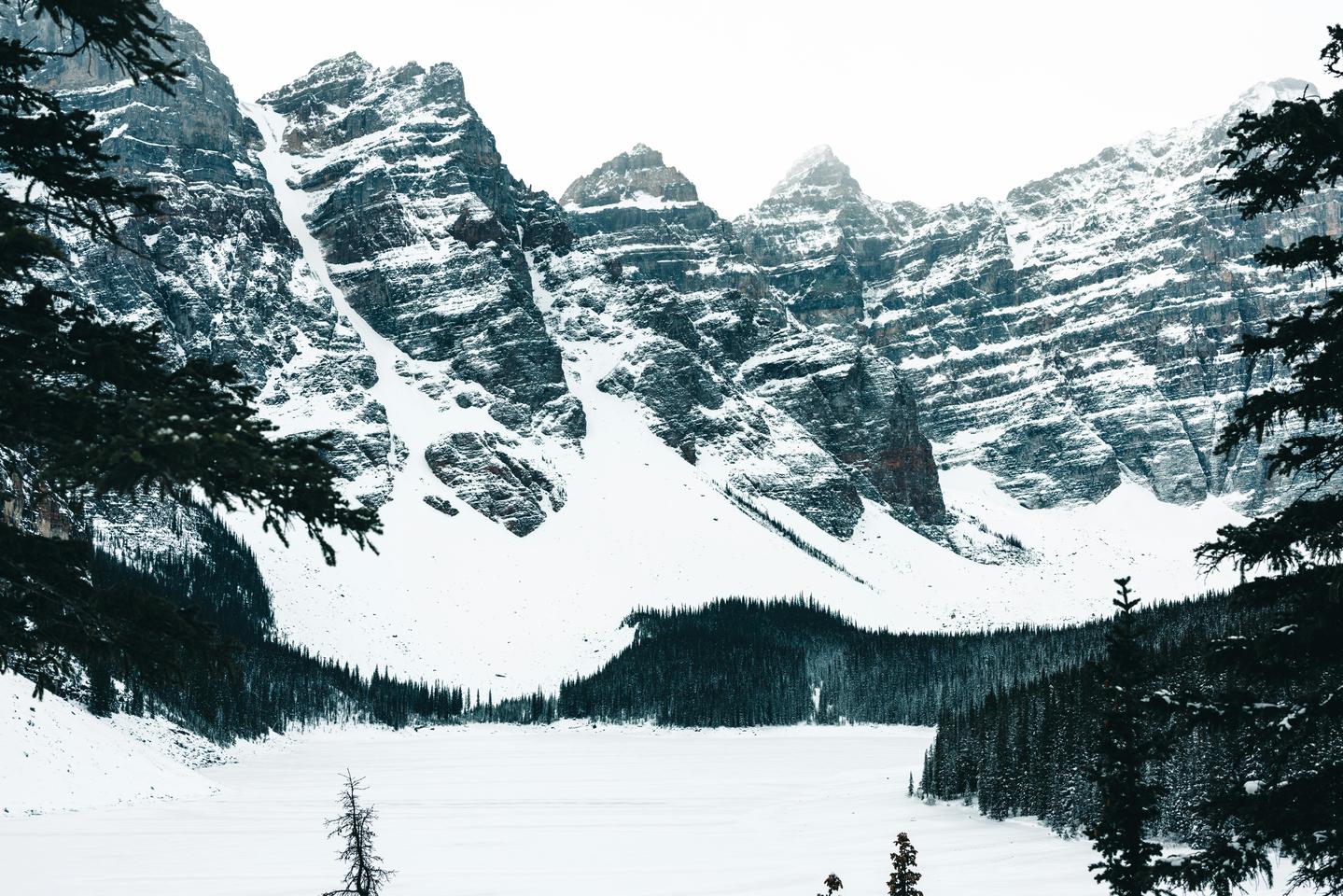
Discover RV rentals in the Banff area and prepare for an unforgettable winter mountain adventure.
Banff Winter Season Overview
The Banff winter season runs from November through March, with peak activity occurring during the school holiday break (December-January) and February's half-term holidays. This period coincides with the opening of Lake Louise Ski Resort and Banff Sunshine Mountain, two of North America's premier alpine ski destinations. The region receives consistent snowfall, averaging 300+ inches annually at higher elevations, creating stable snow conditions throughout the season.
Banff National Park encompasses 6,641 square kilometers of spectacular alpine terrain, with Banff townsite serving as the primary hub for accommodations and services. Winter transforms the landscape into an ethereal wonderland of snow-draped forests, frozen turquoise lakes, and dramatic mountain vistas. The region's altitude (ranging from 4,500 to 11,000+ feet) ensures reliable snow and clear, crisp winter days ideal for outdoor adventures. An RV positioned in or near Banff gives you the freedom to chase fresh powder, explore scenic ice walks, and enjoy warming meals in your own private retreat after a day in the mountains.
Why RV Travel Works for Banff Winter Season
Explore available RV options in the Banff area and reserve your winter mountain base today.
Experience world-class mountain winters with the comfort, flexibility, and cost savings an RV provides.
- Flexible Mountain Base Camp
- Park your RV at a year-round campground and have a warm, comfortable space to rest, cook meals, and recover between ski days or backcountry adventures. No hotel checkout pressure, no worrying about finding accommodation on busy weekends.
- Significant Cost Savings
- Hotel rooms in Banff townsite cost $200-400+ per night during peak season. An RV rental provides luxury accommodation, warm meals, and storage at a fraction of the price, especially when shared among travel companions.
- Extended Exploration Window
- Arrive early to acclimate to elevation and explore the region before peak season. Stay as long as you like post-season without hotel checkout pressures. Explore Lake Louise, Moraine Lake, Johnston Canyon, and pristine backcountry trails at your own pace.
- Weather-Resistant Comfort
- Your RV provides instant refuge from extreme cold, heavy snowfall, and wind. Warm up between outdoor activities, prepare hot meals and drinks, and enjoy downtime without the shock of going outdoors repeatedly.
- Convenience to Multiple Ski Areas
- Banff townsite is 10 minutes from Banff Sunshine Mountain, 40 minutes from Lake Louise Ski Resort, and a gateway to Moraine Lake scenic adventures. Your RV minimizes driving time and maximizes time on the mountains.
- Community with Fellow Adventurers
- Winter RV parks near Banff become temporary villages of skiers, snowshoers, and outdoor enthusiasts. Share tips, coordinate group outings, and enjoy evening gatherings with people who share your passion for mountain exploration.
Getting to Banff and Winter Activities
Banff National Park is located in the Canadian Rockies, approximately 130 kilometers west of Calgary via the Trans-Canada Highway (Highway 1). The drive from Calgary International Airport takes roughly 1.5-2 hours by vehicle or RV. Winter driving conditions require appropriate tires and careful attention; snowfall and icy roads are common, but Highway 1 is well-maintained and salted regularly.
Beyond skiing, winter in Banff offers world-class experiences. Moraine Lake Road typically closes in November but accessible viewpoints remain stunning. Lake Louise provides ice skating and winter photography opportunities. Johnston Canyon offers frozen waterfall hikes (a popular winter activity) and snowshoeing trails abound throughout the park. The Icefields Parkway (Highway 93), connecting Banff to Jasper, offers some of North America's most scenic winter driving and is open year-round with appropriate vehicle preparation.
Where People Stay for Banff Winter
Traditional winter accommodations in Banff include hotels in Banff townsite (ranging from $200-500+ per night), private rental cabins, and limited resort options. Hotels book months in advance for peak season weekends, and many casual visitors find themselves unable to secure lodging during school holidays or premium powder weekends.
RV travel offers a superior alternative with significant advantages. You get private, comfortable sleeping space with your own bathroom facilities, kitchenette for preparing hot meals, and indoor heating that keeps you warm and comfortable during -20 to -30 Celsius temperature swings. Winter RV parks near Banff provide year-round facilities with heated community buildings, allowing you to socialize without constant outdoor exposure. Unlike hotels, your RV serves as a permanent base where you control temperature, meal timing, and downtime activities. Many seasonal RV parks offer weekly or monthly rates substantially lower than nightly hotel costs.
Which RV Type Works Best for Banff Winter?
Browse RV rental options to compare motorhomes, trailers, and campervans available for your Banff winter dates.
Different RV types offer varying advantages for mountain winter travel and group configurations.
- Motorhomes (Class A, B, C)
- Ideal for couples or small groups seeking complete self-containment. Class B and C motorhomes provide excellent fuel efficiency, easier winter driving (lighter than trailers), and straightforward parking at mountain campgrounds. Full kitchen and bathroom facilities ensure comfort during cold weather.
- Travel Trailers and Caravans
- Perfect for larger groups or extended stays. Spacious trailers provide separate sleeping and living areas, allowing you to unhitch and explore the region freely using a truck or SUV. Four-season trailers with superior insulation handle Banff's extreme cold effectively.
- Campervans
- Great for solo travelers or couples prioritizing agility and parking convenience. Campervans fit easily in standard spaces, offer surprising comfort with modern heating systems, and allow flexible exploration of backcountry roads and scenic viewpoints without leaving a large RV behind.
Camping Options Near Banff Winter
Discover winter-ready camping options and book year-round or seasonal campgrounds using our campground discovery tool.
- 3 km from Banff
Tunnel Mountain RV Park
Located just 3 kilometers from Banff townsite, this Parks Canada facility remains open year-round with full hookups. Modern facilities include heated washrooms, dump stations, and proximity to town services. Winter sites feature level terrain and wind protection from surrounding forest.
- 40 km from Banff
Lake Louise RV Campground
Operated by Parks Canada, this seasonal campground near Lake Louise Ski Resort is open from mid-December through March during peak season. Stunning mountain views, proximity to skiing, and winter-prepared facilities make it ideal for serious ski enthusiasts.
- 15 km south of Banff
Silvester Creek Retreat
A private, year-round RV park south of Banff with full modern hookups, heated facilities, and communal gathering spaces. Known for hosting winter outdoor enthusiasts and offering a friendly, social atmosphere with regular group activities.
- 5-10 km from Banff
Mountain Park Lodges RV Area
Located just outside Banff Park boundaries, this winter-ready facility offers full hookups, outdoor space for snow activities, and access to backcountry trails. Proximity to year-round mountain activities makes it a popular base for extended winter stays.
- 90 km south
Calgary West Campground
If Banff campgrounds are full, this Calgary facility (90 minutes south) provides full hookups and winter accessibility. A practical overflow option for holiday weekends when Banff camping reaches capacity.
Banff Winter Campground Comparison
Quick comparison of year-round and seasonal RV parks and campgrounds for winter visitors to Banff National Park.
| Campground | Distance to Banff | Season | Best For |
|---|---|---|---|
| Tunnel Mountain RV Park | 3 km | Year-round | Close proximity, town access, reliable availability |
| Lake Louise RV Campground | 40 km | Mid-Dec to Mar | Ski enthusiasts, Lake Louise proximity |
| Silvester Creek Retreat | 15 km | Year-round | Social atmosphere, private facility comfort |
| Mountain Park Lodges | 5-10 km | Year-round | Extended stays, backcountry access |
| Calgary West Campground | 90 km | Year-round | Holiday overflow, budget-conscious travelers |
How People Plan Banff Winter with an RV
Experienced winter mountain travelers follow these planning patterns to maximize mountain time and minimize logistics stress.
The Ski Focus Strategy
- Arrive mid-week to settle in and acclimate to elevation before weekend skiing
- Position at Tunnel Mountain or Lake Louise campground within 40 minutes of ski resorts
- Schedule ski days around weather forecasts and fresh powder conditions
- Use rest days for scenic winter photography and light snowshoeing
The Extended Holiday Escape
- Book RV for 5-10 days spanning school break periods (late December or February half-term)
- Mix ski days with non-skiing activities like ice walks, frozen lake exploration, and backcountry snowshoeing
- Use your RV as a warm retreat to recover between active days
- Create a rotating schedule of different activities to prevent monotony and suit different fitness levels in your group
The Seasonal Base Camp Strategy
- Rent an RV for 2-4 weeks spanning a school holiday or sabbatical period
- Establish a semi-permanent camp at Tunnel Mountain or Silvester Creek with full hookups
- Explore different regions of the park each day using your truck or SUV for day trips
- Coordinate with other winter RV travelers and build community connections over shared meals and evening fires
The Adventure Sampler Approach
- Book for 3-5 days during the shoulder season (November or March) when roads are manageable but crowds are lower
- Combine skiing with non-ski activities like snowshoeing, winter wildlife watching, and scenic drives
- Experience diverse Banff attractions without the peak-season price premiums and crowding
- Use mild shoulder-season weather to explore backcountry trails with lower avalanche risk
Practical Tips for Banff Winter with an RV
Winter mountain RV travel in Banff requires special preparation. Experienced travelers share these actionable recommendations for safety and comfort.
Winter Driving and Vehicle Preparation
- Install winter-rated tires on your towing vehicle or RV well before arrival; all-season tires are insufficient for Banff winter conditions
- Carry emergency supplies including blankets, water, snacks, a first aid kit, and jumper cables in case of breakdown
- Drive carefully on icy roads; Highway 1 is maintained but sudden conditions can change rapidly in the mountains
- Check weather and road conditions before driving; the Icefields Parkway closes occasionally during severe storms
RV Winter Preparation and Maintenance
- Ensure your RV has a functioning furnace and adequate propane supply; you will run it continuously during cold snaps
- Insulate water and sewer lines to prevent freezing; many campgrounds provide covered areas for hose connections
- Check that black water tanks have adequate treatment to prevent freezing; use RV antifreeze if necessary
- Keep your RV's batteries in good condition; cold weather dramatically reduces battery capacity and efficiency
Managing Extreme Cold
- Banff winter temperatures regularly drop to -20 to -30 Celsius (-4 to -22 Fahrenheit); dress in layers and limit outdoor exposure during cold snaps
- Keep your RV heated to 18-20 Celsius (65-70 Fahrenheit) minimum to prevent freeze-ups and maintain comfort
- Open cabinet doors occasionally to allow warm air to circulate around plumbing to prevent freezing
- If temperatures drop below -30 Celsius, consider relocating to a warmer campground temporarily or running the furnace continuously
Winter Outdoor Activities Safety
- Always hike or snowshoe with a partner; carry communication devices and inform someone of your intended route
- Check avalanche forecasts before backcountry adventures; many popular snowshoeing areas are in avalanche terrain
- Wear visible clothing and carry headlamps for short winter days; darkness arrives by 4:30 pm from November through January
- Stay on marked trails; snow-covered terrain looks unfamiliar, and navigation is difficult in whiteout conditions
Parking and Site Positioning
- Request level, sheltered RV sites when checking in; wind exposure accelerates heat loss and discomfort
- Position your RV to maximize morning sun exposure for psychological warmth and to prevent shaded-side freeze-ups
- Keep windows and vents clear of snow accumulation to maintain proper ventilation and safety
- Check site drainage before winter rains freeze; avoid low-lying areas where water pools and ices over
Food and Supply Logistics
- Stock provisions at Banff townsite or Calgary before arriving; grocery selection is limited and expensive at mountain facilities
- Bring extra propane for heating; you will use significantly more than summer travel due to continuous furnace operation
- Store additional water in containers outside your RV; frozen interior plumbing may prevent access to tank water
- Keep your RV well-stocked with hot drink supplies and comfort foods; morale improves dramatically with warm meals and hot beverages
Skiing and Mountain Activity Logistics
- Purchase lift tickets in advance online to avoid long lines and cold outdoor waits on busy weekend days
- Develop a daily routine of morning preparation, ski day execution, and evening recovery to maximize energy efficiency
- Store wet ski gear in a dedicated RV closet with good ventilation to prevent moisture buildup and mold
- Keep backup gloves, socks, and hand/toe warmers at your RV base to quickly replace wet items during the day
Winter Photography and Scenic Exploration
- Moraine Lake Road closes in November, but frozen Moraine Lake can be reached via winter hiking trails
- Bow Valley Parkway remains open for scenic winter drives and wildlife viewing; bison, elk, and bighorn sheep are more visible against snow
- Carry extra camera batteries; cold reduces battery life by 50% or more, so bring replacements and keep spares warm inside your jacket
- Plan photo outings for midday when light is strongest and temperatures are warmest
FAQ: Banff Winter Season with an RV
- What months are best for visiting Banff with an RV?
Late December through early March represents peak winter season with reliable snow conditions and open ski facilities. Lake Louise Ski Resort typically opens mid-November and closes in early May. Banff Sunshine Mountain operates from late November through mid-April depending on snow conditions.
December-January offers deepest snow and guaranteed ski conditions but brings peak crowds and highest prices. February and early March experience fewer tourists and more reliable sunny days for winter sports. November and April are excellent shoulder seasons with fewer crowds, milder temperatures, and lower costs, though some facilities may have limited operations.
- Can I bring my own RV to Banff in winter, or should I rent?
If you own an RV equipped for winter (four-season ratings, excellent insulation, reliable furnace and heating), bringing your own is financially sensible. However, rental RVs often come with winter-appropriate modifications and mechanical support. If your RV experiences breakdowns during a Banff winter trip, roadside assistance can take days to reach mountain locations.
Renting provides peace of mind and eliminates the wear and tear of winter mountain travel on your own vehicle. Professional rental companies include winter preparation in their maintenance routines. Consider your comfort level with winter RV travel and mechanical troubleshooting when deciding.
- How much does a Banff winter RV trip cost?
A typical weekend trip costs: RV rental (150-300 CAD per night for a mid-size motorhome or trailer), campground fees (40-80 CAD per night for full hookups), propane and utilities (additional 20-30 CAD), food and supplies (150-250 CAD for the weekend), ski lift tickets (100-150 CAD per day per person), and miscellaneous activity costs (50-100 CAD). Total per person for a couple ranges from 600-1200 CAD for a weekend.
For comparison, a hotel-based ski weekend easily exceeds 1200-1600 CAD per person when factoring in hotel costs (200-400 CAD per night), parking, restaurant meals, and ski lift fees. RV travel becomes increasingly cost-effective with larger groups. Weekly and monthly RV rentals offer better rates than daily fees, making extended winter trips highly economical.
- Are campgrounds open year-round in Banff?
Tunnel Mountain RV Park remains open year-round with full hookups. Several private RV parks near Banff offer year-round operations with winter-prepared facilities including heated bathrooms and dump stations. Lake Louise Campground operates seasonally from mid-December through March during peak winter season.
Capacity during peak holiday periods (December 20-January 3) reaches 100% occupancy, so book months in advance. Shoulder season (November and March) offers better availability. Always confirm winter operations with individual campgrounds before planning your trip; some facilities reduce winter services or close unpredictably during severe weather.
- What temperature can an RV handle in Banff winter?
Four-season RVs with heavy insulation, dual-pane windows, and adequate heating can function safely down to -20 to -30 Celsius (-4 to -22 Fahrenheit). Below -30 Celsius, water tanks freeze, propane lines ice, and batteries lose 50%+ capacity. Three-season RVs should not be used for extended Banff winter stays in extreme cold.
Preventive measures help: insulate exposed plumbing, run furnaces continuously during cold snaps, keep interior temperature at 18-20 Celsius minimum, and use RV antifreeze in waste tanks. Some travelers relocate temporarily during extreme cold warnings. Choose RVs specifically marketed as winter or four-season models for Banff winter travel.
- How close are ski resorts to Banff townsite?
Banff Sunshine Mountain is approximately 10-15 kilometers from Banff townsite, requiring a 15-20 minute drive. Lake Louise Ski Resort is approximately 50-60 kilometers away via the scenic Bow Valley Parkway, requiring 50-60 minutes of driving. Both are accessible from Tunnel Mountain RV Park or other nearby campgrounds.
If your primary focus is skiing, camping near Lake Louise Ski Resort provides closer proximity to the resort but farther distance from Banff townsite amenities. Most winter travelers prioritize Banff townsite proximity for restaurant access, groceries, and laundry facilities, accepting the longer drive to Lake Louise.
- Can I snowshoe and hike in Banff during winter with an RV?
Absolutely. Banff offers exceptional winter hiking and snowshoeing with hundreds of kilometers of trails. Popular options include low-elevation valley trails (Bow Valley Loop, Johnson Canyon), mid-elevation trails (Cory Pass, Fairview Lookout), and alpine adventures (Sulphur Mountain, Tunnel Mountain). Many trails receive fresh snow regularly, requiring proper avalanche awareness and preparation.
Always check Parks Canada's winter trail conditions before departure. Wear avalanche awareness gear when appropriate, carry communication devices, and inform someone of your route and expected return time. Winter days are short; plan hikes to conclude by 3:30 pm to avoid traveling in darkness. Your RV provides warm storage for gear changes and hot drinks after cold mountain days.
- What should I pack for a Banff winter RV trip?
Essential winter clothing includes insulated winter boots, thermal layers, waterproof outer shell jacket and pants, winter hat, gloves, scarf, and warm socks. Bring multiple pairs of gloves and socks; wet items need replacement mid-day during active winter sports. Sunglasses and sunscreen are critical; snow reflects intense UV rays.
For your RV, carry backup propane cylinders, winter-rated RV antifreeze, extra batteries, jumper cables, snow shovel, and sand or kitty litter for traction. Stock comfort items including hot drink supplies, board games, books, and movies for weather-bound days. Bring mechanical tools and spare parts relevant to your RV type. Consider a generator for emergency backup power during furnace operation.
- Is Banff winter safe for inexperienced winter travelers?
Yes, with preparation and caution. The Trans-Canada Highway through Banff is well-maintained and regularly salted. RV facilities are purpose-built for winter use. Many inexperienced winter RV travelers successfully navigate Banff by arriving early, connecting with experienced local travelers, and taking cautious driving and outdoor activity approaches.
Take a winter driving course before traveling; your insurance may offer discounts. Start with moderate weather windows rather than extreme cold snaps. Hire a guide for backcountry snowshoeing or ski terrain if unfamiliar with avalanche safety. Many Banff tourism operators offer winter orientation for new visitors. Your cautious approach will make the experience safer and more enjoyable.
- Can I explore beyond Banff while based in an RV there?
Absolutely. The Icefields Parkway (Highway 93) connects Banff to Jasper, offering some of North America's most spectacular mountain scenery. Scenic drives to Bow Lake, Peyto Lake, and the Columbia Icefield are accessible and stunning in winter. The journey to Jasper requires 3-4 hours but is exceptional for photography and exploration.
Lake Louise and Moraine Lake (partially accessible via winter hiking trails) are within 40-50 minutes. Calgary is 90 minutes south for urban amenities, shopping, and dining. Consider day trips from your Banff RV base to maximize exploration while maintaining a warm, comfortable home base. Your flexibility with overnight camping and meal preparation allows unlimited adventure possibilities.
Ready to experience Banff's winter magnificence from the comfort of an RV? Browse RV rentals in the Banff area, secure your campground reservation, and prepare for an unforgettable mountain winter adventure in the Canadian Rockies.