Rent an RV for Yellowstone's Summer Peak Season Geyser eruptions and hot springs
Yellowstone National Park during summer is one of North America's most spectacular natural wonders, with geyser eruptions, colorful hot springs, wildlife sightings, and dramatic canyon views captivating over 4 million annual visitors. With limited in-park lodging, crowded gateway towns, and premium accommodation prices during peak season (June-August), families and adventure seekers face serious planning challenges. An RV transforms your Yellowstone experience: flexible gateway access, comfortable basecamp accommodations, full kitchen and bathroom amenities, and the freedom to explore at your own pace while avoiding hotel booking crunches.
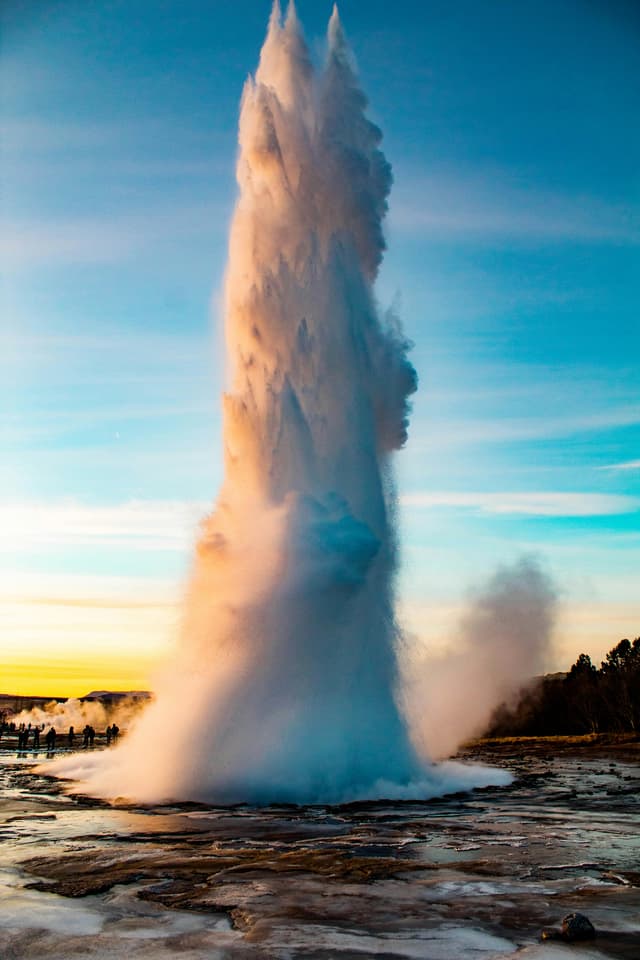
Ready for your Yellowstone adventure? Browse RV rentals in gateway towns surrounding the park and start planning your summer expedition.
Yellowstone Summer Peak Season Overview
Yellowstone National Park straddles Wyoming, Montana, and Idaho, with prime summer access through four major gateway towns: Jackson, Wyoming (south), Gardiner, Montana (north), West Yellowstone, Montana (west), and Cody, Wyoming (east). Summer is peak season, with the park fully accessible, iconic geysers active, wildlife visible across the valleys, and weather warm enough for comfortable camping and exploration.
Accommodation during summer peak is notoriously tight. Lodging within Yellowstone itself fills months in advance with limited availability and premium pricing. Gateway towns quickly sell out of hotel rooms, with rates reaching $200-300+ per night for basic accommodations. RV travel offers a game-changing solution: fixed costs, comfortable amenities, no checkout hassles, and the flexibility to adjust your itinerary based on weather, wildlife sightings, or changing interests.
Why RV Travel Works for Yellowstone Summer
Explore RV rental options in Yellowstone gateway towns to secure your summer adventure vehicle.
Experience the park's wonders without accommodation stress or premium hotel costs.
- Gateway Town Flexibility
- Choose entry points based on interests and crowds. North entrance offers Mammoth Hot Springs; west provides geyser access; east reaches Lamar Valley wildlife; south connects Tetons and Jackson Hole exploration.
- Budget-Friendly Compared to Hotels
- RV costs typically run $100-150 per night including campground fees, significantly cheaper than summer hotels at $200-300+ per night. Feed your family from your kitchen and skip restaurant inflation.
- Basecamp Comfort and Control
- Your private RV becomes home base with bathroom, kitchen, shower, and sleeping space. No checkout times, no noise disturbance from other guests, full control over amenities.
- Extended Park Exploration
- Spend multiple days exploring different park sections without daily hotel hunting. Drive scenic loops, return for rest, then explore different regions without repacking.
- Weather Flexibility
- Summer afternoons bring frequent thunderstorms. Your RV provides comfortable shelter, protection for gear, and ability to adjust daily plans based on weather patterns.
- Wildlife and Nature Pacing
- Adjust your day based on animal sightings and natural rhythms. Rest during midday heat, explore during wildlife-active early morning and evening hours.
Getting to Yellowstone and Park Access
Yellowstone has five entrances, each offering different park perspectives. The North Entrance (Gardiner, Montana) provides access to Mammoth Hot Springs and the lower geyser basins. The West Entrance (West Yellowstone, Montana) reaches Old Faithful and the upper geyser basin. The East Entrance (Cody, Wyoming) leads to Lamar Valley and Hayden Valley, prime wildlife viewing areas. The South Entrance (Jackson, Wyoming) connects Grand Teton National Park and the Yellowstone south region. Each gateway town offers RV parks, fuel, supplies, and accommodation options.
Summer driving in and around Yellowstone requires preparation. Main park roads are typically open by mid-May, though high-elevation passes may close during early season weather. Drive times vary: Gardiner to Old Faithful takes 90 minutes; West Yellowstone to Lamar Valley takes 2.5 hours; Cody to Lake Village takes 1.5 hours. Park speed limits are 25-45 mph on winding roads. Fuel up before entering the park, as in-park gas stations have limited hours and higher prices. Summer crowding peaks in July-August, with morning and evening drives less congested than midday.
Where People Stay for Yellowstone Summer
In-park lodging (Old Faithful Inn, Lake Village, Canyon Village) books 1-2 years in advance and costs $150-400+ per night. Gateway towns offer hotels ($150-300+ per night), Airbnbs ($100-250+ per night with multi-night minimums), and scattered tent camping. Availability is extremely limited mid-June through August, especially in July when families travel.
RV camping offers superior value and flexibility. National Forest campgrounds (not within park boundaries but adjacent) provide scenic, affordable options with partial or full hookups. Private RV parks in gateway towns offer full amenities, Wi-Fi, and convenience. Boondocking (free dispersed camping) on public lands offers solitude seekers cheap alternatives. RV monthly costs typically run $1,500-3,000 total (30 nights times $50-100 per campground night), comparable to 5-7 hotel nights while providing unlimited comfort and flexibility.
Which RV Type Works Best for Yellowstone?
Browse motorhomes, travel trailers, and campervans available in Yellowstone gateway towns and select your adventure vehicle.
Different vehicles suit different exploration styles and group sizes.
- Motorhomes (Class A, B, C)
- Self-contained mobile homes perfect for couples and small families. Easy daily maneuverability on park roads; Class B and C models navigate tight campground sites and gateway town streets better than Class A models.
- Travel Trailers and Caravans
- Spacious interiors ideal for larger families or extended stays. Tow from your personal vehicle, unhitch at campground, and use your vehicle for daily park exploration and town runs.
- Campervans
- Compact and fuel-efficient for couples and soloists prioritizing mobility. Navigate park roads easily; quick park access from gateway towns; perfect for day-trip exploring around the park.
Camping Options Near Yellowstone National Park
Discover more campgrounds and RV parks throughout the Yellowstone region and surrounding areas.
- 15 minutes to South Gate
Jackson Lake RV Park
Full-service RV park with 30/50-amp service, water, sewer, Wi-Fi, and scenic mountain views. Walking distance to Jackson town restaurants and shops.
- 1 mile to West Gate
West Yellowstone KOA
Family-friendly campground with full hookups, laundry, camp store, and nightly programs. Perfect basecamp for exploring Old Faithful and geyser basins.
- Less than 1 mile to North Gate
Gardiner Village Resort RV Park
North gateway community with 30/50-amp service, full hookups, and scenic views of Montana mountains. Easy access to Mammoth Hot Springs and Roosevelt area.
- 30 minutes to East Gate
Cody KOA
East entrance basecamp with full hookups, pool, and activities. Scenic Cody offers museums, dining, and serves as premium gateway for Lamar Valley wildlife exploration.
- 45 minutes to South Gate
Shiloh Lake Campsites
National Forest camping (30 minutes south of park) offering scenic lakeside sites, fewer crowds than gateway town parks, more peaceful atmosphere for nature enthusiasts.
- 5-20 minutes to various gates
Mammoth Area Dispersed Camping
Free boondocking on BLM/National Forest lands adjacent to park boundaries. Primitive but scenic for budget-conscious travelers seeking solitude and natural immersion.
How People Plan Yellowstone with an RV
Multi-Day Park Immersion
- Plan 5-7 day trips allowing full exploration of geyser basins, canyons, waterfalls, and wildlife valleys
- Stay parked at one gateway location and take daily park drives, or move between gateways for different perspectives
- Balance driving days with rest days to manage fatigue and cost
Gateway Rotation Strategy
- Start at one gateway (e.g., Jackson), explore south region for 2-3 days, then move north to Gardiner for mammoth and Lamar Valley
- Each gateway town offers restaurants, shops, and services for resupply between park exploration days
- RV flexibility allows adjusting routes based on weather, crowds, or wildlife activity updates
Extended Yellowstone and Teton Loop
- Combine Yellowstone with neighboring Grand Teton National Park (20 minutes south of Jackson), making a 7-10 day park exploration
- Use same RV basecamp for both parks or move between gateways for variety
- Explore hiking, scenic drives, and photographic opportunities across both protected areas
Wildlife and Photography Focus
- Target early morning (6-8 AM) and evening (6-9 PM) for peak wildlife activity, returning to RV for midday rest
- Spend time in Lamar Valley and Hayden Valley where bison, elk, grizzlies, and wolves concentrate
- RV basecamp becomes photography hub where you organize images and plan next-day explorations based on sighting locations
Practical Tips for Yellowstone with an RV
Booking and Planning
- Book RVs 4-6 months in advance - summer Yellowstone is peak season with high demand
- Reserve campground sites 2-3 months ahead for gateway towns; National Forest sites often have first-come availability
- Confirm park entrance requirements and any vehicle restrictions for your RV size
Fuel and Supplies
- Fill fuel tanks before entering park - in-park gas stations are limited, expensive, and often have wait lines
- Stock groceries, water, and propane in gateway towns - supplies are pricey within the park
- Fill RV water tanks and dump waste tanks before arriving at campgrounds
Weather and Seasonality
- Summer daytime temps reach 70-85F but nights drop to 40-50F - bring warm layers and sleeping bag liners
- Afternoon thunderstorms are common June-August; plan indoor/shelter activities for afternoons
- Roads at high elevations may close during early/late season due to snow - confirm Beartooth Pass and other mountain routes are open
Park Navigation and Driving
- Download offline maps - cell service is unreliable in much of the park
- Plan scenic loops rather than point-to-point drives; park roads form natural circuits (Grand Loop Road is 142 miles)
- Drive early morning (before 9 AM) and evening (after 5 PM) to avoid peak crowds and heat on winding roads
- Allow 4-5 hours minimum for Grand Loop Road without stops; add 1-2 hours for viewpoint stops and wildlife watching
Wildlife and Safety
- Maintain 25-yard distance from most animals, 100 yards from bears and wolves - carry bear spray if hiking
- Never approach or feed animals; crowds stopping for selfies can be dangerous
- Be alert for bison on roads at dawn and dusk - they have right of way and move slowly across park roads
Activity Timing and Crowds
- Visit popular areas (Old Faithful, Grand Prismatic Spring) before 10 AM or after 4 PM to minimize crowds
- Plan less-visited areas (Norris Geyser Basin, Lamar Valley) for times when traffic is heaviest elsewhere
- Book ranger-led talks and evening campfire programs in advance during peak season
FAQ: Visiting Yellowstone with an RV
- Which Yellowstone entrance is best for RV travel?
All four entrances work well for RVs. The South Entrance (Jackson) offers Grand Teton proximity and excellent wildlife viewing. The West Entrance (West Yellowstone) provides quickest geyser basin access including Old Faithful. The North Entrance (Gardiner) accesses Mammoth Hot Springs and lower-elevation terrain. The East Entrance (Cody) reaches prime wildlife valleys (Lamar and Hayden). Choose based on your primary interests: geysers (west), wildlife (north or east), or combination trips using multiple gateways.
- Can I camp inside Yellowstone with an RV?
No formal RV camping exists within Yellowstone National Park itself. The park offers 13 campgrounds with vehicle camping, but these are tent sites with limited vehicle parking nearby. These campgrounds are heavily congested and book months in advance. Most RV travelers base themselves in gateway towns (Jackson, West Yellowstone, Gardiner, Cody) with full-service RV parks and take daily driving trips into the park. This strategy works exceptionally well and often costs less while providing full amenities.
- How many days should I spend at Yellowstone in an RV?
Plan minimum 4-5 days to experience core attractions: geysers, hot springs, canyons, and some wildlife. Better experiences require 7-10 days allowing flexibility, multiple viewings of areas at different times, and deeper exploration. Extended trips (2+ weeks) enable exploration beyond Yellowstone - Grand Teton, Absaroka Mountains, or regional national forests. Most visitors spend 5-7 days and find it ideal balance between comprehensive park exploration and other travel plans.
- What are the most important Yellowstone attractions for RV visitors?
Old Faithful Geyser and surrounding Upper Geyser Basin is the iconic must-see, with geysers erupting predictably. Grand Prismatic Spring is the park's largest and most photogenic hot spring. Grand Canyon of the Yellowstone offers dramatic canyon and waterfall views. Lamar Valley provides excellent wildlife viewing for bison, elk, wolves, and grizzlies, especially dawn and dusk. Norris Geyser Basin offers less-crowded geothermal features. Mammoth Hot Springs provides colorful terraces and geology. Most visitors focus on Grand Loop Road scenic drive hitting multiple attractions.
- What RV size works best for Yellowstone roads?
Smaller RVs (Class B, C motorhomes or compact travel trailers under 30 feet) navigate park roads and campground sites easiest. Class A motorhomes and large travel trailers (35-40+ feet) can handle park roads but navigate tight campground turns, gateway town streets, and lodging parking areas less easily. Many RV parks have length restrictions (25-35 feet common). Consider unhitching your tow vehicle if using a large trailer, allowing easier daily exploration without driving the RV around.
- When is the best time to visit Yellowstone by RV?
June offers smaller crowds, moderate temperatures, and accessible roads, though some high-elevation passes may still be closed early June. July and August are peak with warm weather, full park operations, but very crowded. September offers warming temperatures, reduced crowds, and excellent wildlife activity as animals prepare for winter. Each month has trade-offs: June has wildflowers but cooler nights; July-August are warmest but busiest; September is less crowded with good weather. Early June or September are optimal for RV travelers seeking balance.
- How much does a Yellowstone summer RV trip cost?
Total costs vary by vehicle type and length. RV rental ranges $100-200+ per night; campgrounds cost $30-70 nightly; fuel depends on vehicle size and mileage; park entrance ($35 per vehicle) is valid 7 days. A week-long trip costs roughly $2,000-3,500 total for vehicle rental plus living expenses. This typically compares favorably to hotels ($200-300 per night = $1,400-2,100 for 7 nights) plus restaurant meals. Families especially benefit as RV cooking and private facilities reduce daily expenses compared to hotel-based trips.
- Do I need reservations for Yellowstone RV camping?
Definitely make campground reservations 2-3 months ahead during summer peak season. Private RV parks in gateway towns (Jackson, West Yellowstone, Gardiner, Cody) usually reserve online or require deposits. National Forest campgrounds (adjacent to park) sometimes have first-come-first-served sites but reservable sections fill quickly. The park entrance fee is paid day-of; no advance reservation needed for park entry. Book everything (RV, campgrounds, major activities) as early as possible. Last-minute planning during July-August is extremely difficult.
- Is it safe to RV camp in Yellowstone bear country?
Bear encounters are rare with proper precautions. Store all food, toiletries, and scented items in bear boxes or your locked RV - never leave items outside or in tents. Use bear spray (bear deterrent available in gateway towns) if hiking. Make noise while hiking to avoid surprising bears. Stay in established campgrounds rather than remote boondocking. Campground rangers provide bear safety briefings. While grizzly and black bears inhabit Yellowstone, they actively avoid human contact. With common sense and following posted safety guidelines, bear risk is extremely low. RV camping is significantly safer than tent camping regarding wildlife encounters.
Start your Yellowstone summer adventure today. Reserve an RV and pick your gateway town basecamp for an unforgettable national park experience.