Rent an RV for Yosemite Firefall in California Firefall camping

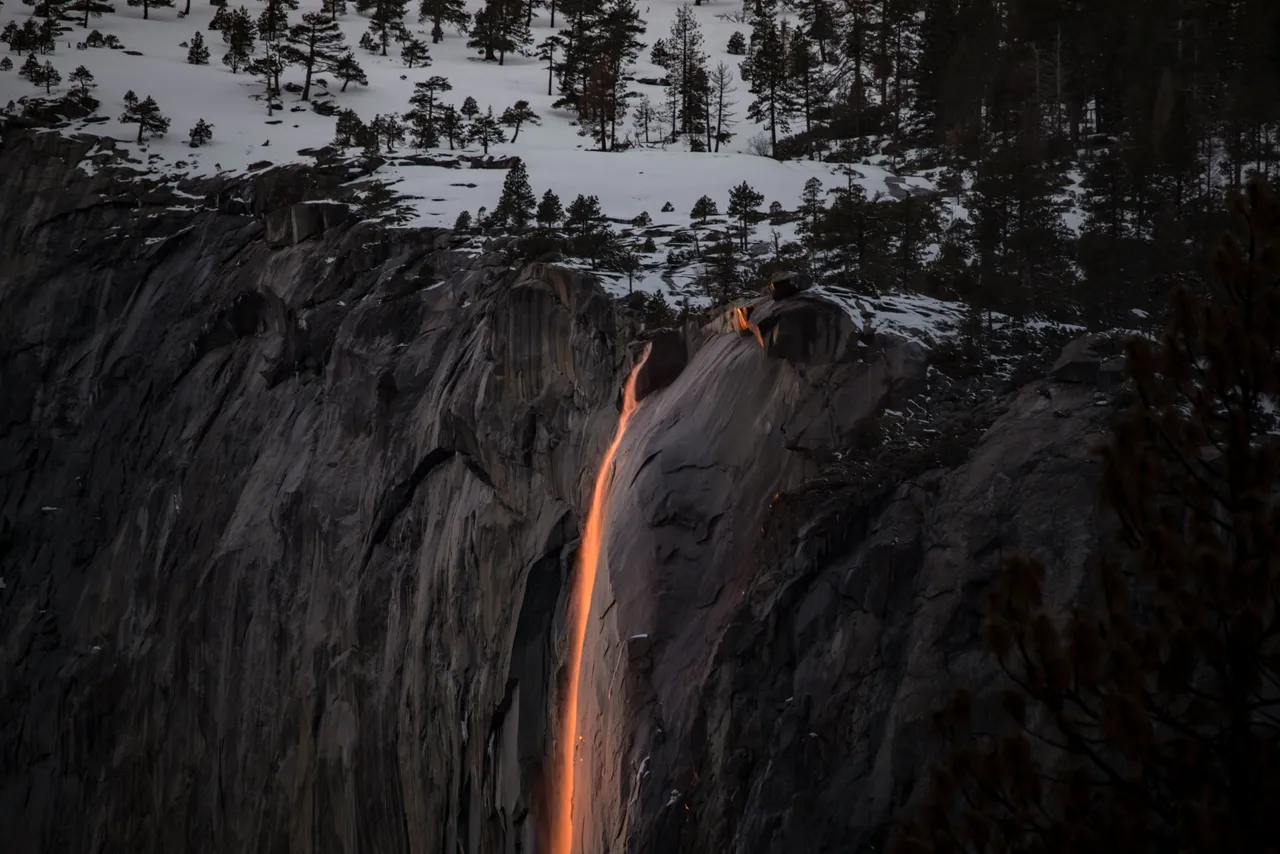
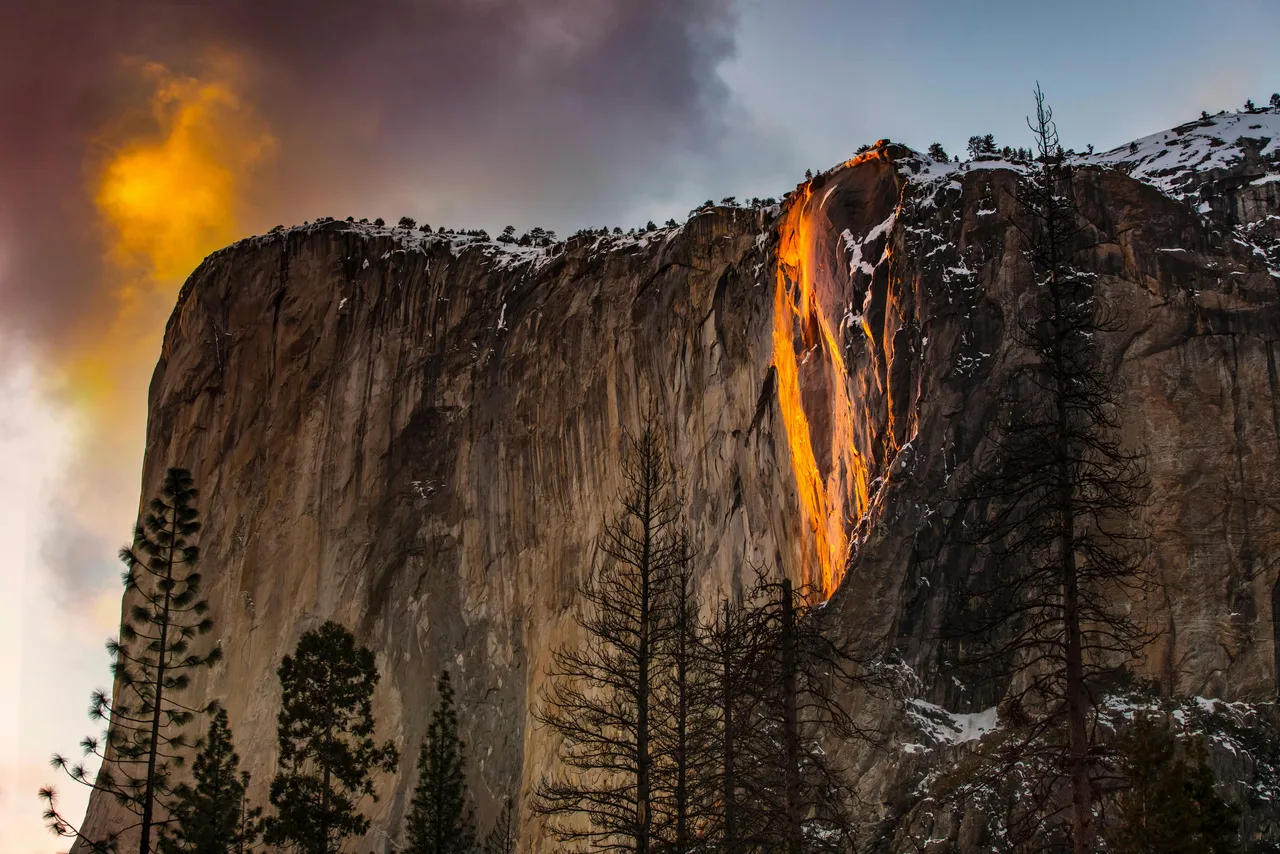
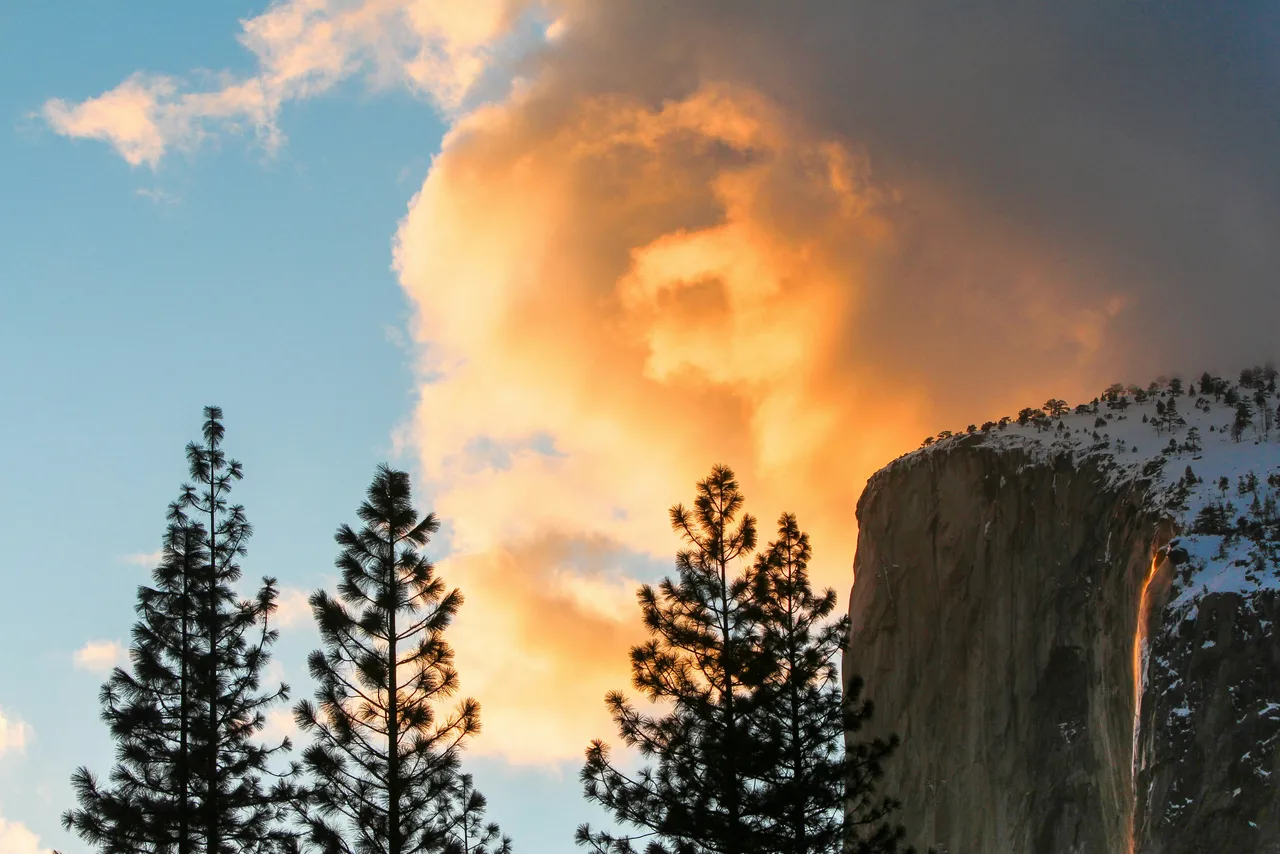
Every February, Yosemite National Park's Horsetail Fall transforms into a natural spectacle when the setting sun illuminates the waterfall, creating a cascade of fiery orange light. This rare phenomenon attracts thousands of visitors to El Capitan, making accommodation and parking challenging. Renting an RV gives you flexibility to experience this breathtaking event comfortably, with convenient access to prime viewing spots, a home base for exploration, and all the amenities you need during this busy season.

Breathtaking view of Yosemite Valley with a majestic waterfall cascading down the cliffs at sunset

Yosemite Firefall Overview

Why RV Travel Works for Yosemite Firefall

Experience one of nature's most remarkable phenomena with comfort and flexibility

Prime Viewing Access
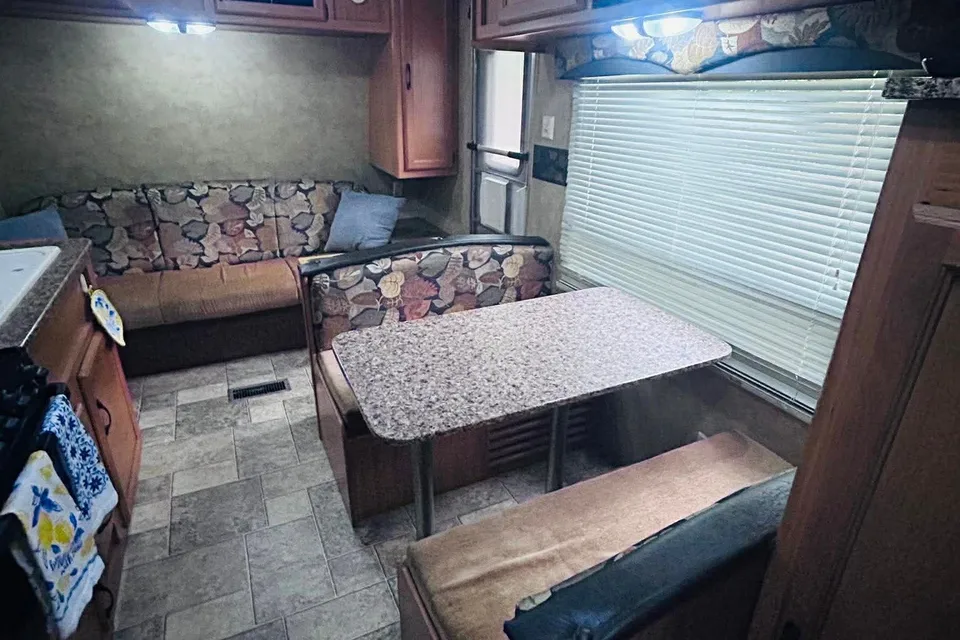
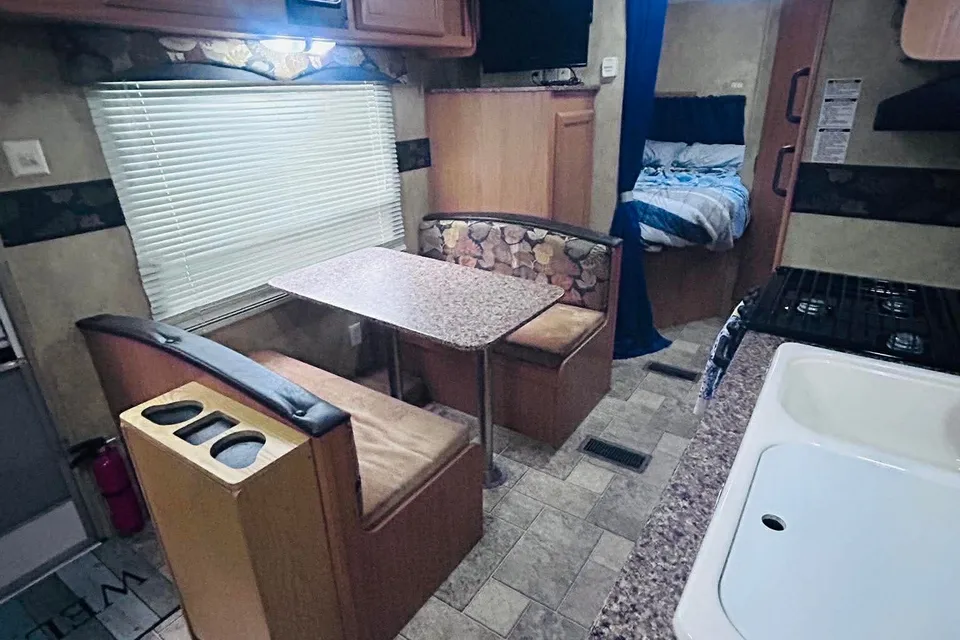
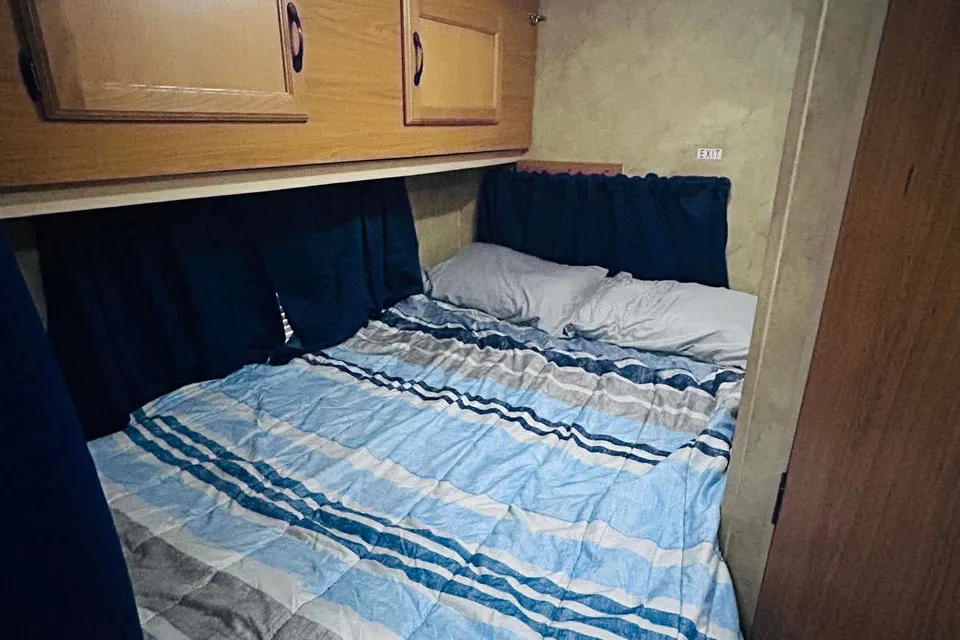
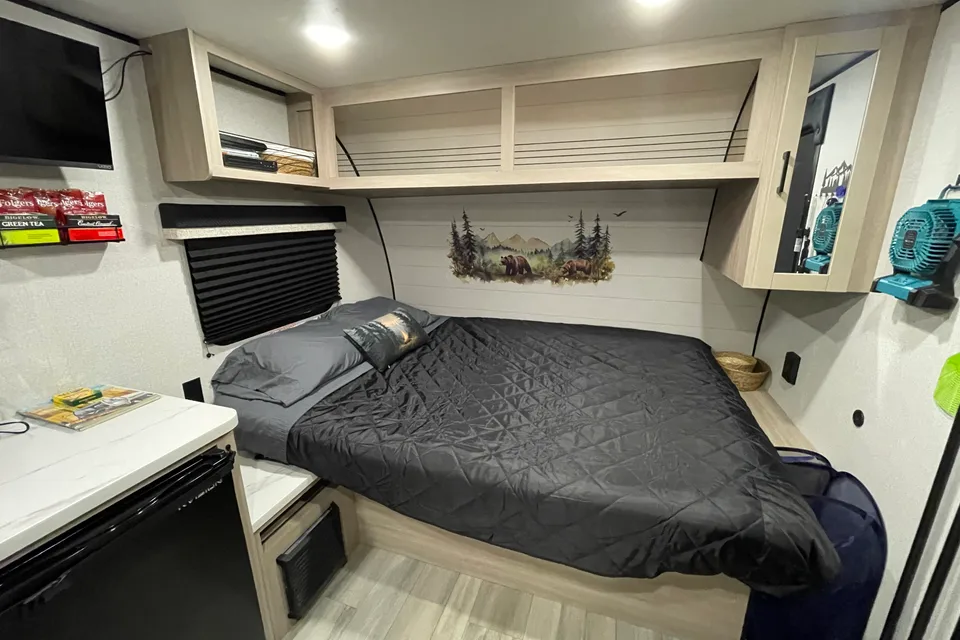
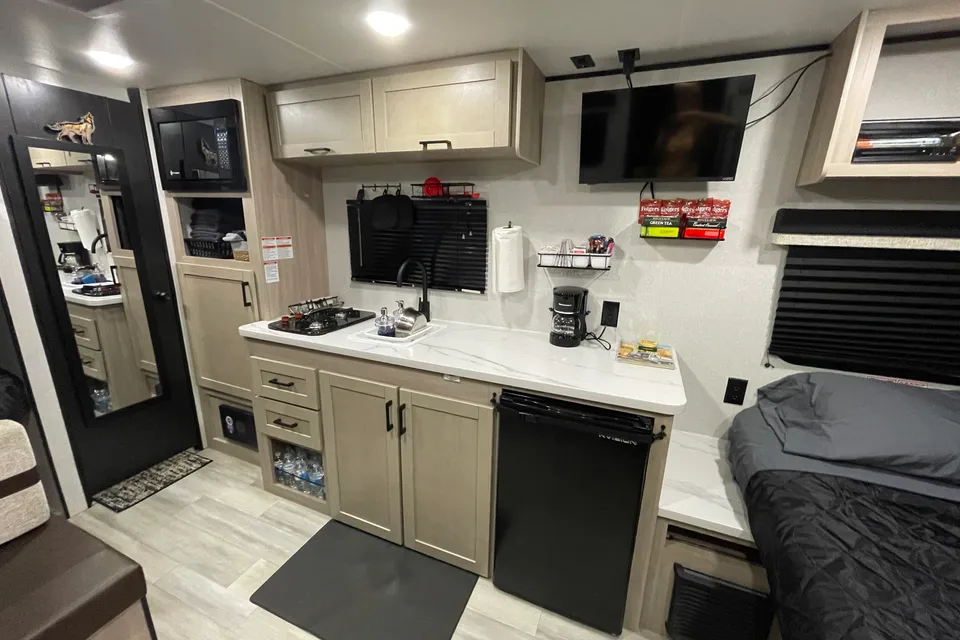
Comfortable Base Camp
Weather Flexibility
Budget-Friendly Accommodation
Flexible Exploration
Community Experience

Getting to Yosemite and the Firefall

Where People Stay for Yosemite Firefall

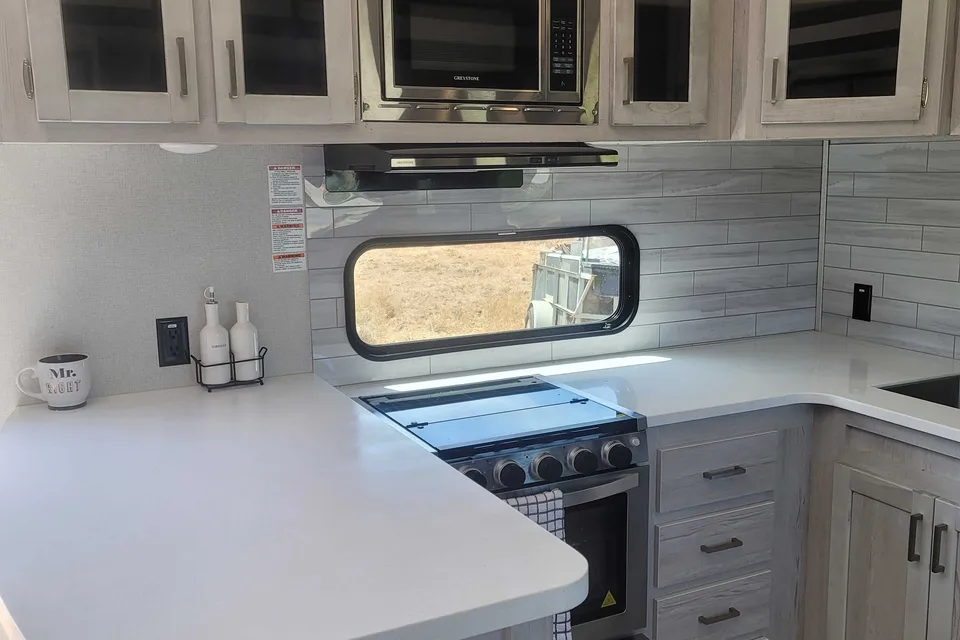
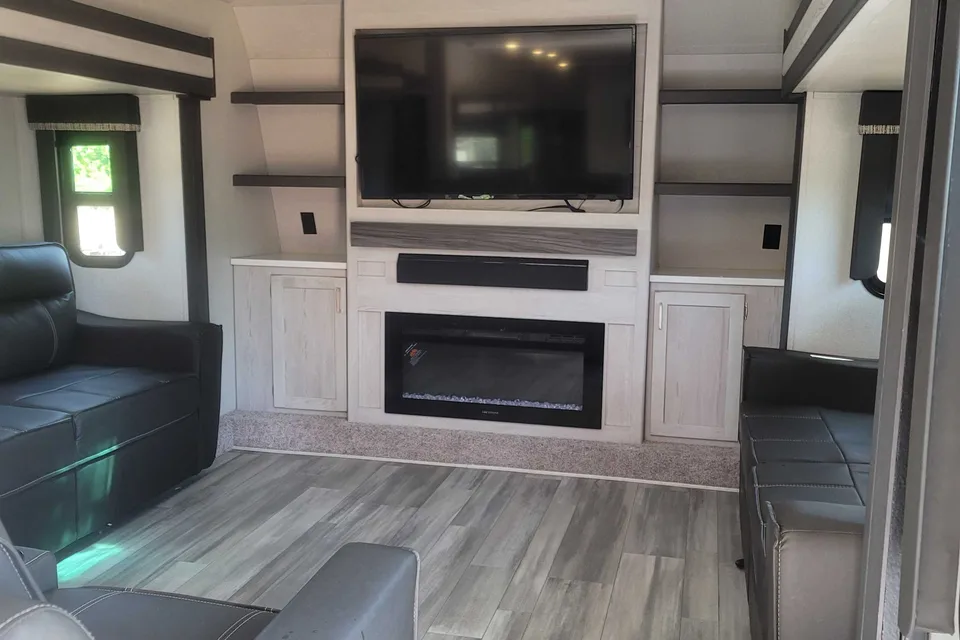
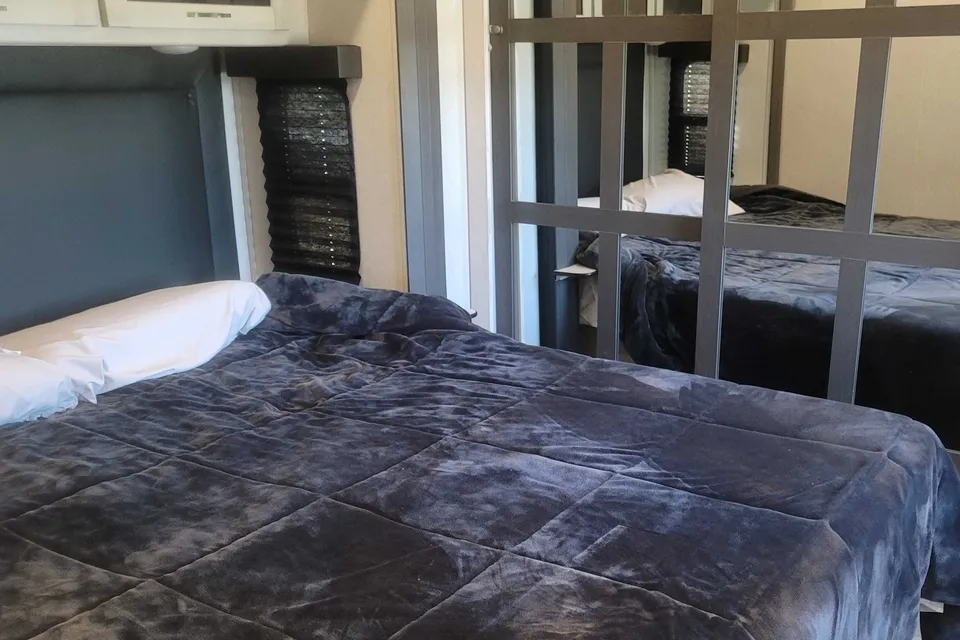
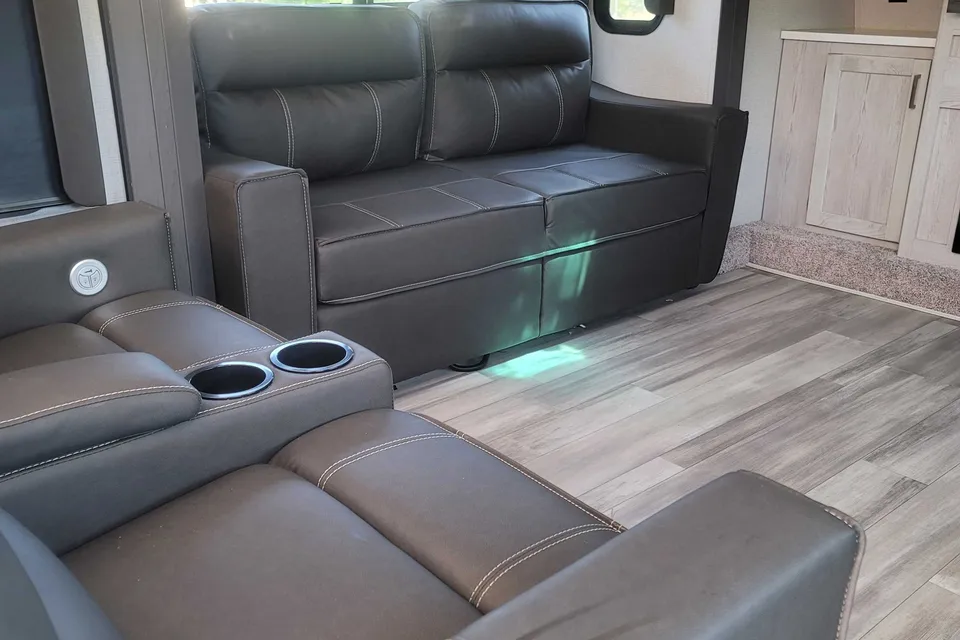
Which RV Type Works Best for Yosemite Firefall?

Different RV styles suit different travel preferences and group sizes

Motorhomes
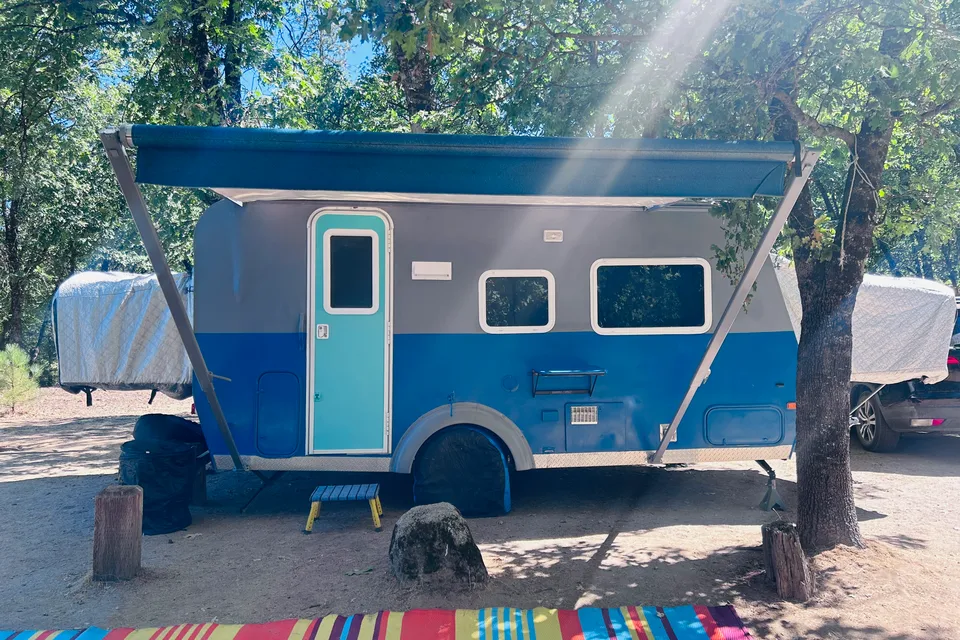
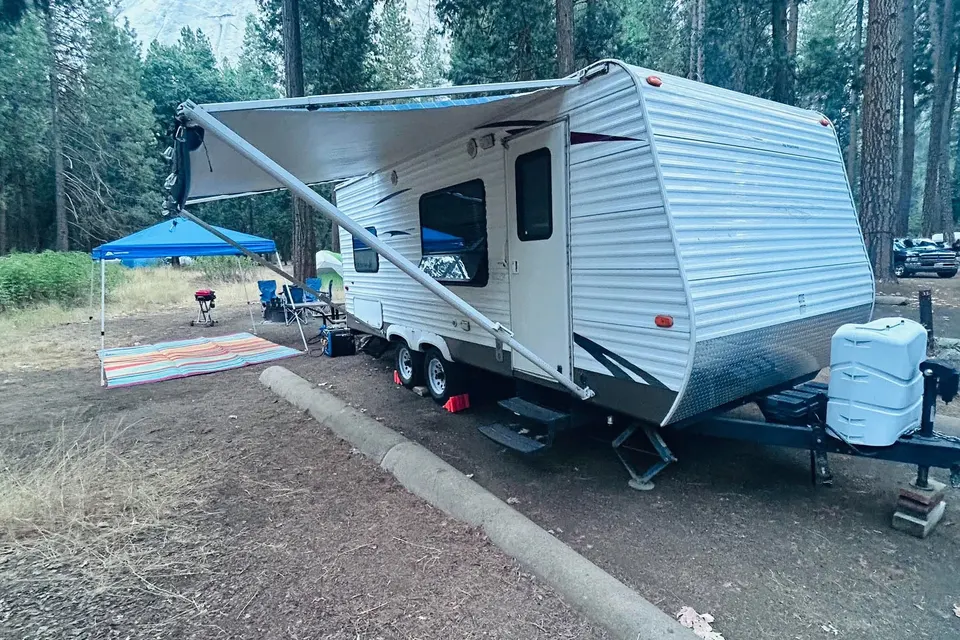
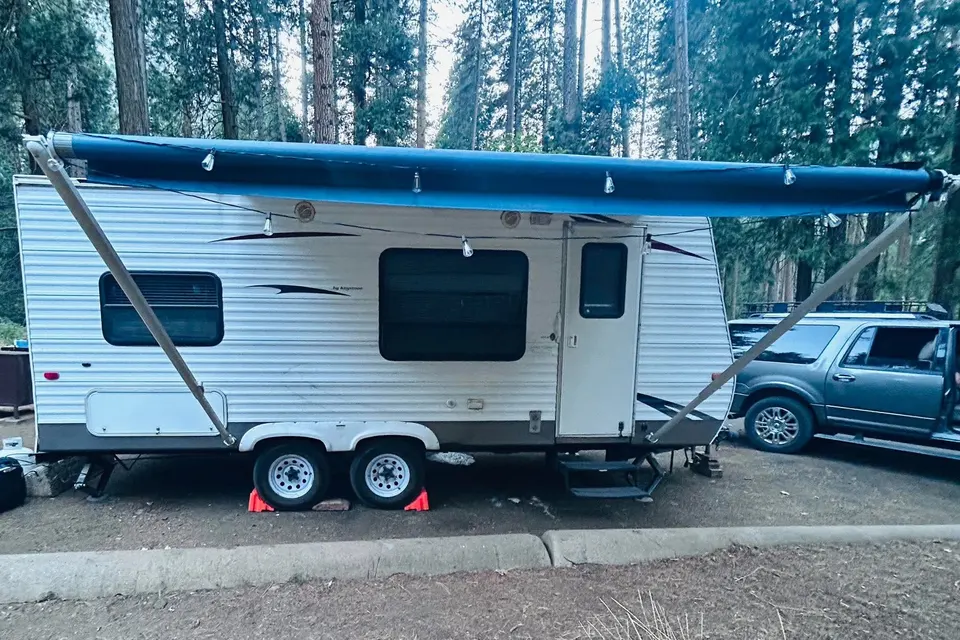
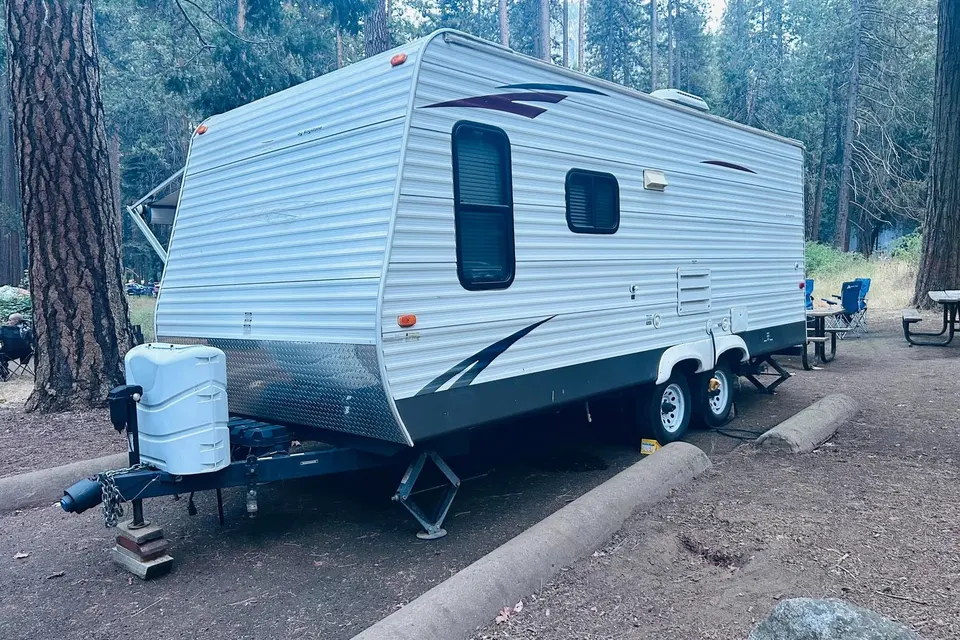
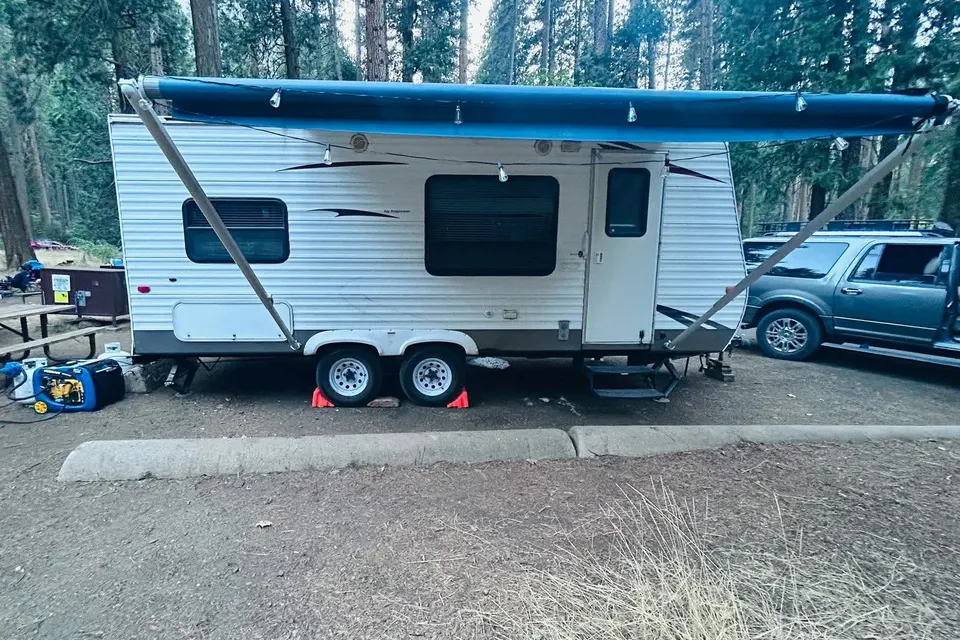
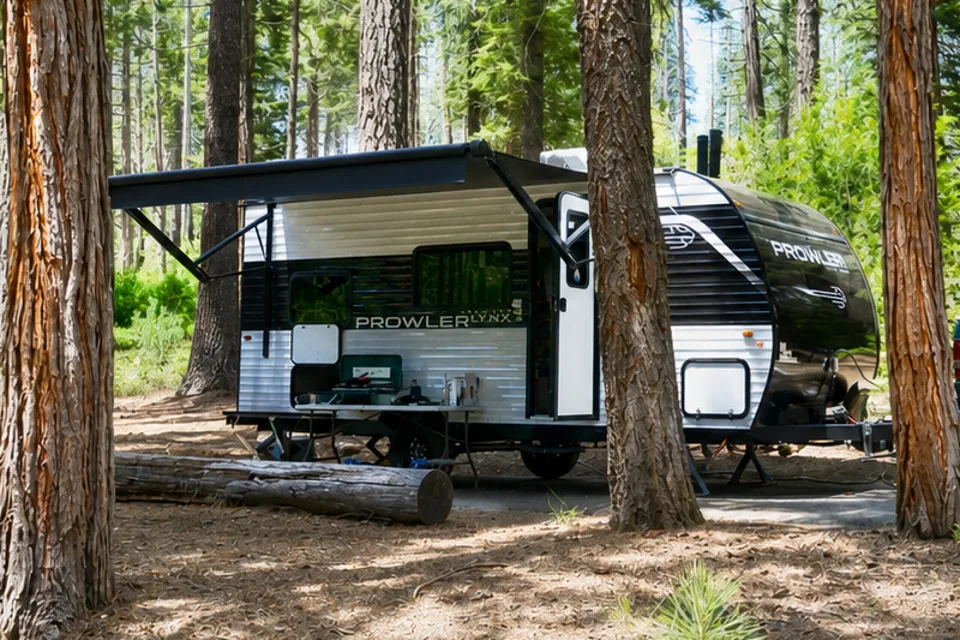
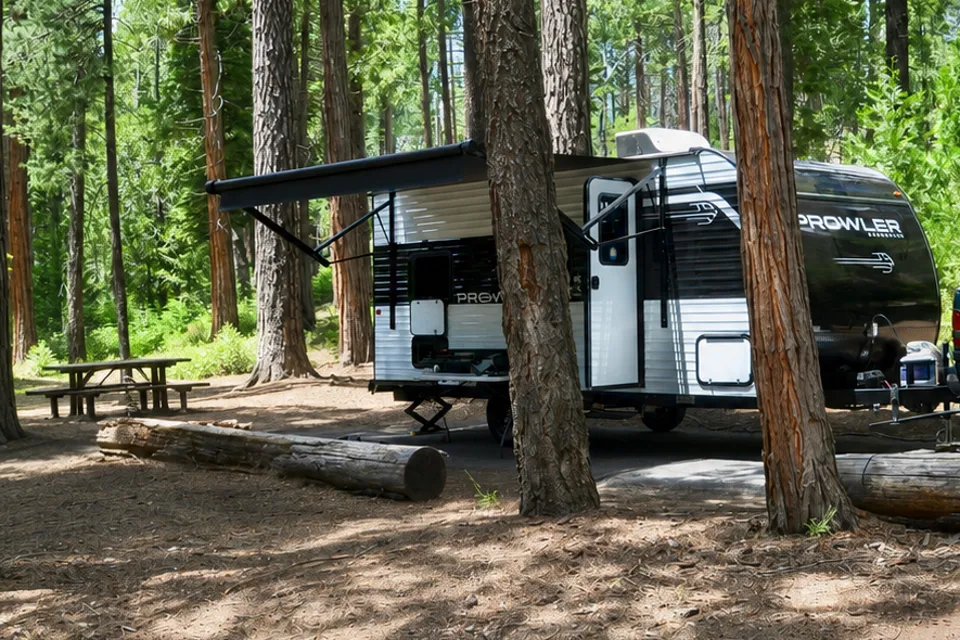
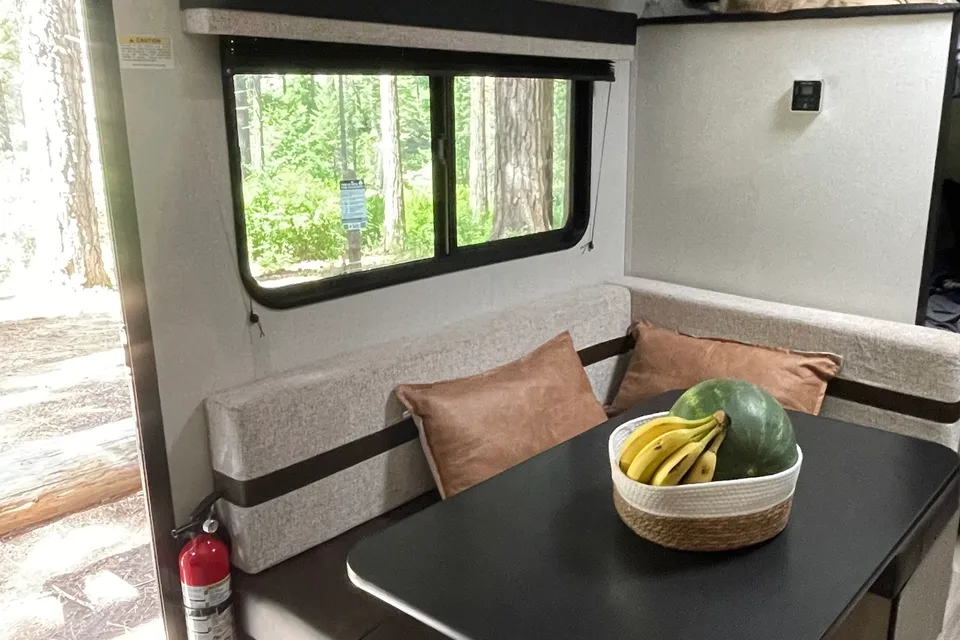
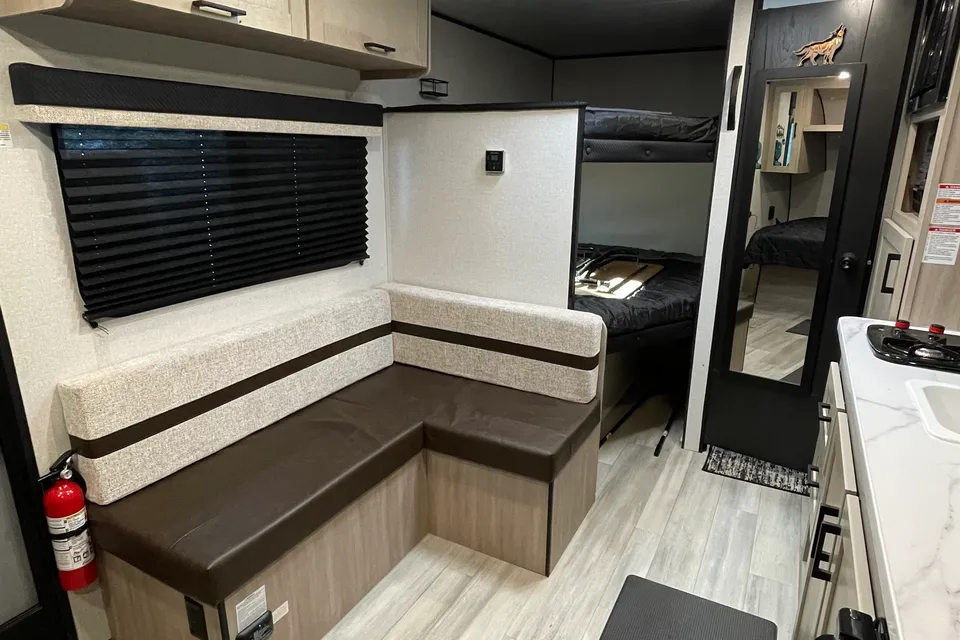
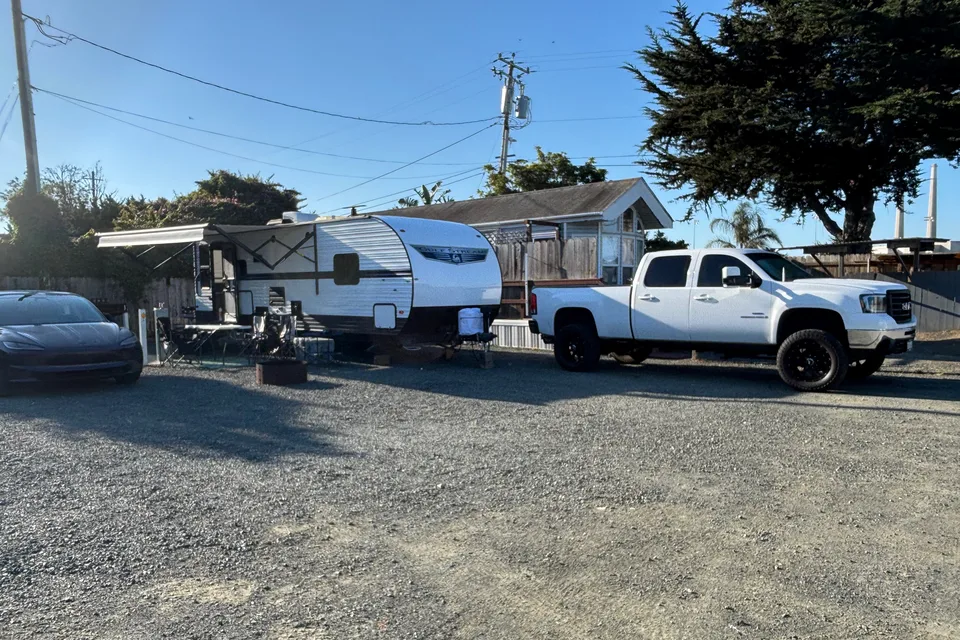
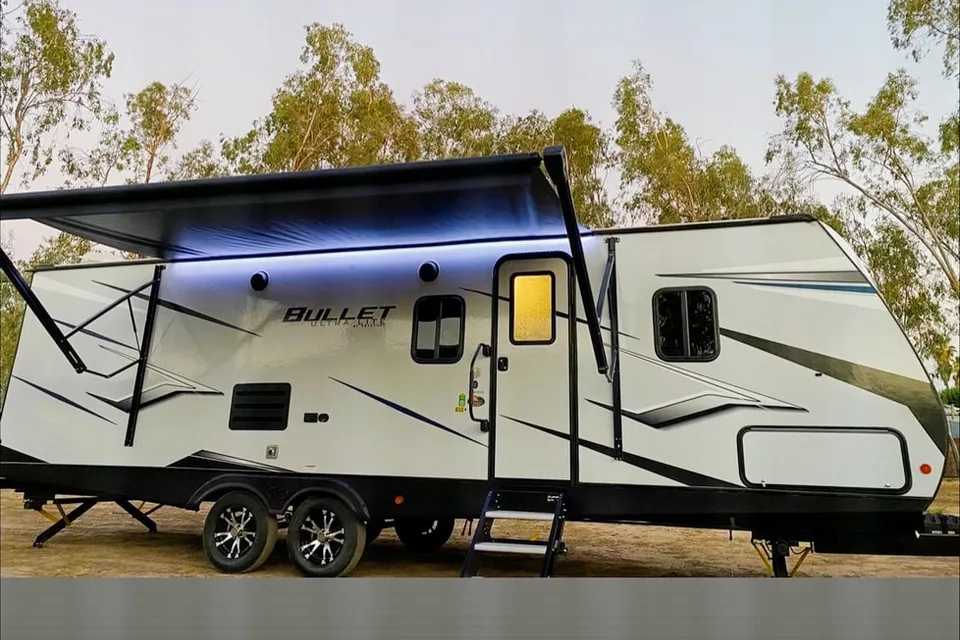
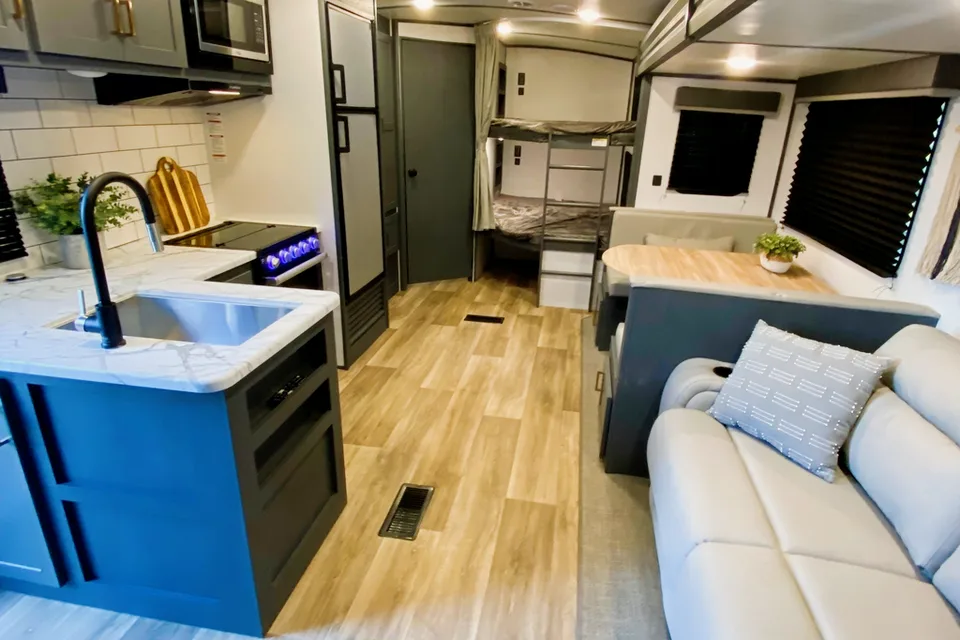
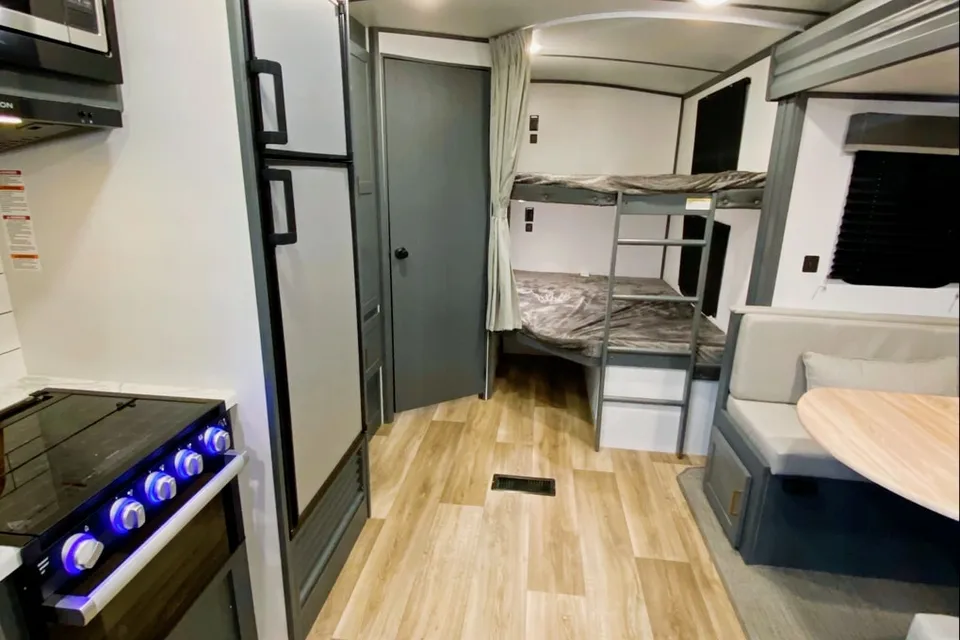
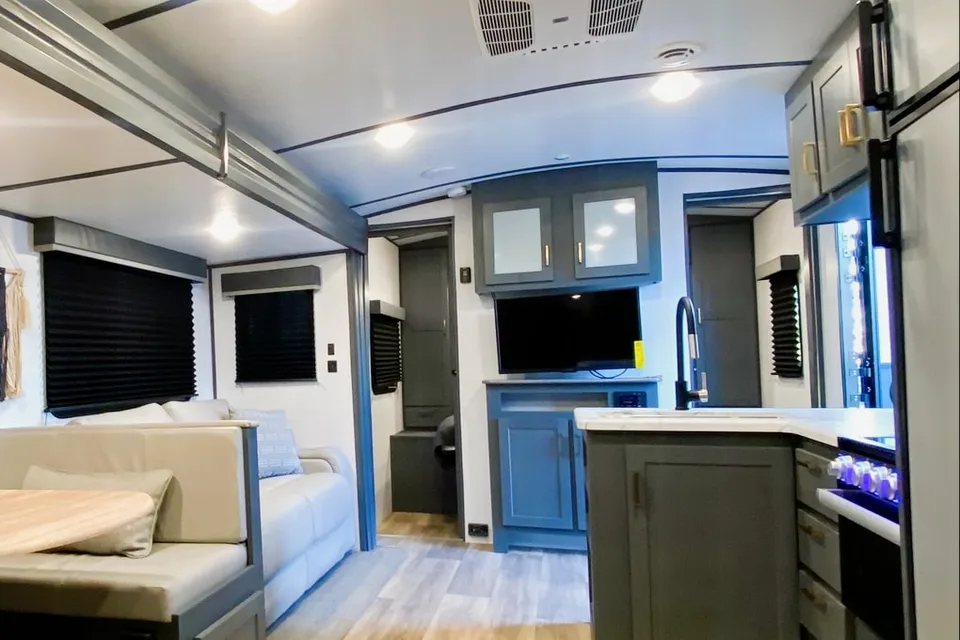
Travel Trailers
Campervans

Camping Options Near Yosemite Firefall

Best for Firefall viewing

Upper Pines Campground

The closest campground to El Capitan and Horsetail Fall, offering 238 sites with winter access. Reserve early through recreation.gov as this fills immediately during Firefall season.

30 minutes from El Capitan

Wawona Campground

Located south of the valley with 93 sites, featuring facilities and accessible parking. A quieter alternative to Upper Pines with easy access to valley attractions.

45 minutes from El Capitan

Hodgdon Meadow Campground

Situated west of the park with 105 sites, offering full hookups and nearby amenities. Good option when valley campgrounds are fully booked.

Valley access, smaller groups

Camp 4 Campground

A smaller, popular camping area accessible during winter with a unique valley vibe. Best suited for adventurers comfortable with closer quarters and authentic camping experience.

20-45 minutes from El Capitan

Private RV Parks

Several private RV parks operate year-round outside the park perimeter. Check Mariposa and El Portal areas for full hookup options when park campgrounds are full.

Yosemite Campground Comparison

CampgroundDistance from El CapitanSites AvailableBest ForReservation Method
Upper PinesValley floor238Prime Firefall viewingrecreation.gov
Wawona30 minutes93Valley explorationrecreation.gov
Hodgdon Meadow45 minutes105Full hookupsrecreation.gov
Camp 4Valley floor35Adventure seekersrecreation.gov
Private RV Parks20-45 minutesVariesMore space/comfortIndividual parks

How People Plan Yosemite Firefall with an RV

Arrive Early

  • Book your RV weeks or months in advance
  • Arrive 2-3 days before your target viewing date
  • Secure your campground spot and explore valley parking options
  • Scout viewing locations and optimal photography angles

Multi-Day Viewing

  • Plan to stay through multiple sunset attempts (weather-dependent)
  • Firefall requires clear skies and specific sun angles
  • Use extra days to explore Yosemite Valley, Mirror Lake, and El Capitan
  • Build in flexibility if weather clouds obscure the phenomenon

Base Camp Strategy

  • Use your RV as a comfortable home base between viewing sessions
  • Cook meals and rest at your own pace
  • Store photography equipment and daily supplies in your RV
  • Return to your RV for warmth and shelter after evening viewings

Post-Firefall Exploration

  • Stay in your RV to explore Yosemite's famous trails and waterfalls
  • Visit nearby Sierra Nevada towns for additional outdoor adventures
  • Photograph other valley features like Half Dome and Vernal Fall
  • Extend your trip to fully experience the park without rushing

Practical Tips for Yosemite Firefall with an RV

Firefall Viewing

  • Firefall typically occurs 5-15 minutes before sunset; arrive at viewing areas by 3:30 PM
  • Best viewing locations are along the valley floor near El Capitan's base
  • Bring warm clothing and blankets; February temperatures drop quickly after sunset
  • Come prepared for crowds; thousands gather during peak viewing times

Reservation Strategies

  • Book RV rentals immediately upon availability (typically released 12 months in advance)
  • Secure Yosemite Valley parking through the NPS reservation system for specific viewing dates
  • Reserve campgrounds at recreation.gov well in advance or visit park first to book
  • Consider weekday visits (Mon-Thu) for smaller crowds than weekends

Weather & Conditions

  • February brings cold temperatures (30-50°F); ensure your RV has adequate heating
  • Snow can occur; check road conditions and park access before visiting
  • Clear skies are essential for Firefall visibility; monitor weather forecasts closely
  • Yosemite Valley floor is often clear when higher elevations have snow

RV-Specific Logistics

  • Confirm your RV's size fits park road restrictions (some areas have 40-foot limits)
  • Fill fresh water and propane tanks before entering the park if possible
  • Check tire conditions and brakes for mountain driving in potential snow
  • Plan for limited cell service in parts of the valley and surrounding areas

Park Access

  • Park entrance fee is $35 per vehicle (7-day pass)
  • Parking in Yosemite Valley is extremely limited during Firefall season
  • Utilize the valley shuttle system if you prefer not to drive between viewing spots
  • Some valley roads may be closed due to snow; have alternative routes prepared

FAQ: Attending Yosemite Firefall with an RV

When exactly does the Yosemite Firefall happen?

The Firefall occurs in February each year when the sun angle aligns perfectly with Horsetail Fall. In 2025, prime viewing is expected February 16-23, with viewing windows open February 8-23. The phenomenon lasts only 5 to 15 minutes each evening, occurring just before sunset.

Success depends on clear weather and adequate snowmelt. If clouds block the sun or insufficient water flows down the fall, the Firefall may not be visible. This rarity makes the experience extra special for those fortunate enough to witness it.

Do I need a campground reservation inside Yosemite?

Yes, during Firefall season (February), campgrounds require advance reservations through recreation.gov. Upper Pines is the most coveted spot due to its El Capitan proximity. Reservations open up to 5 months in advance and fill within minutes.

If park campgrounds are fully booked, explore private RV parks in nearby Mariposa and El Portal. These often have availability and provide full hookup amenities, though they're 20-45 minutes from El Capitan.

What's the best time to arrive for viewing?

Arrive at least 2-3 days before your target viewing date to secure a campground spot, explore the valley, and identify optimal viewing locations. Firefall viewing occurs in the final minutes before sunset, so plan to be in position by mid-afternoon.

Check sunset times for your viewing date and arrive at least one hour early to secure a good vantage point. Peak Firefall occurs during mid to late February when sun angles are most favorable.

Can I see the Firefall if I stay in a town outside the park?

Yes, you can base yourself in towns like Mariposa, El Portal, or even further away and drive into the park daily for viewing. However, commuting adds time and hassle, especially during crowded Firefall season.

Staying at a campground in or very near the park, like Upper Pines, gives you the flexibility to explore the valley without time pressure and quick access to viewing spots as sunset approaches.

How much does an RV rental cost for Firefall season?

RV rental prices during Firefall season are premium due to high demand. Expect to pay $200-400+ per night depending on RV type and how far in advance you book. Class B campervans may be more affordable than large motorhomes.

Many renters find the cost worthwhile compared to sold-out hotels, which charge $400-800+ per night. Your RV also provides flexibility to extend your trip, explore the region, and self-cater meals, which offers additional savings.

What if the weather is cloudy and I can't see the Firefall?

The Firefall requires clear skies to be visible. If clouds obscure the sun during your visit, the phenomenon won't appear. This is why many travelers plan 2-3 days of viewing attempts to increase their chances.

Having an RV allows you to stay longer and try again without worrying about hotel rebooking or expensive changes. Use cloudy evenings to explore other Yosemite attractions like Mirror Lake, Yosemite Falls, or scenic valley drives.

Is February weather safe for RV travel to Yosemite?

February in Yosemite brings cold temperatures (30-50°F in the valley) and potential snow. Roads to the park are usually open, though chain controls may be required. Ensure your RV has good heating, working brakes, and appropriate tires for mountain roads.

The valley floor typically remains relatively clear for driving and parking, even when higher elevations receive snow. Check current road conditions with CalTrans before traveling and monitor weather forecasts. Your RV provides shelter and heat, making winter travel safer than tent camping.

What should I pack for a Firefall viewing trip?

Bring warm clothing (layered outfits, winter coat, hat, gloves), blankets or sleeping bags for evening viewing, and a camera or phone for photography. Pack snacks and hot beverages to stay comfortable during the 5-15 minute viewing window.

Include snow boots if snow is possible, sunscreen for daytime exposure, and binoculars for detailed viewing. Your RV should have propane for heating and supplies for cooking meals between exploration and viewing sessions.

  1. Events
  2. Season
  3. Yosemite Firefall