Where to Camp for the 2026 FIFA World Cup in North America RV Camping
The 2026 FIFA World Cup will bring millions of visitors to the United States and Canada. With matches spread across 13 host cities, lodging demand will surge, and hotels in major metro areas will reach historic highs. Many fans are choosing to stay at campgrounds or in rented RVs to avoid elevated hotel pricing and enjoy more flexibility, privacy and comfort.
Camping during the World Cup gives fans easy access to highways, the ability to travel between host cities, and a quiet place to rest after long match days. This guide explains how to choose a campground, how far to expect from stadiums, how RV delivery works, which RV type is best for your trip, and how to plan road trips between host regions.

Map of Campgrounds for the 2026 FIFA World Cup
Map of Campgrounds for the 2026 FIFA World Cup
Packing Essentials for the World Cup
Packing for a World Cup in North America is not one size fits all. Climates vary dramatically, and travel conditions will change from city to city. The key is to pack light but pack strategically.
Match day essentials
- Clear stadium approved bag.
- Refillable plastic bottle if permitted in that city.
- Sunscreen lotion and sun protective clothing.
- Portable charger and charging cable.
- Hat or visor for afternoon matches.
- Lightweight jacket or layer for coastal and northern cities.
Useful extras
- Electrolyte packets for hot or humid days.
- A small towel for comfort in warm conditions.
- Lip balm and hand sanitizer.
- Printed versions of your tickets for backup.
Packing for different match times
- Day matches: prioritize sun protection, hydration and breathable fabrics.
- Night matches: expect cooler temperatures in Vancouver, Seattle, Toronto, Boston and San Francisco.
- Fans attending multiple matches across different regions should organize clothing into separate cubes so they can easily adjust to changing weather and city environments.
Why Fans Choose Camping for the 2026 FIFA World Cup
Camping is one of the most practical lodging choices during the tournament for several reasons.
- Hotel prices will be extremely high
- World Cup events historically cause enormous price spikes. In cities like New York, Vancouver, Los Angeles, Toronto, Miami and Boston, average nightly hotel costs will climb significantly.
- Campgrounds offer stable pricing regardless of demand
- Campgrounds keep steady rates even when other lodging sells out, giving fans predictable costs despite global demand.
- RV camping provides privacy, space and comfort
- Your RV becomes your personal tournament home with a real bed, a private bathroom, a kitchen for pre match meals, air conditioning in warm regions and a quiet environment after leaving packed fan zones.
- North America has exceptional RV and campground infrastructure
- The U.S. and Canada offer full service RV resorts, state and provincial parks, and campgrounds near lakes, forests and mountains so you can combine nature and soccer travel.
- Ideal for multi city travel
- Many fans will travel through clusters such as Vancouver to Seattle to San Francisco, Los Angeles to Dallas to Atlanta, New York to Philadelphia to Boston, or Toronto to New York without switching hotels.
How Far Campgrounds Are From FIFA World Cup Stadiums
Stadium areas in North America are not surrounded by campgrounds. Most RV parks are located along major highways or in natural areas outside the city.
Typical distance: 25 to 60 minutes from the stadium. This is normal for NFL, MLS and NCAA venues as well.
Canada: Toronto and Vancouver often allow shorter drives due to nearby suburban campgrounds.
United States: Regions with more significant distance include New York, Boston, Los Angeles, Bay Area and Miami. Texas and Atlanta have easier highway based access but higher heat.
Fans should plan early arrival on match days due to heavy traffic.
Where to Stay Near Host Stadiums
- 25-60 minute drives
Plan for highway drives
Stadium areas rarely sit next to RV parks, so expect to travel from natural or suburban areas into the city before kick off.
- Closer suburban parks
Toronto and Vancouver offer shorter runs
Toronto and Vancouver often allow shorter drives due to nearby suburban campgrounds and commuter friendly parkways.
- Urban congestion
Dense metro commutes
Regions with more significant distance include New York, Boston, Los Angeles, Bay Area and Miami, so budget extra time for traffic.
- High heat planning
Texas and Atlanta highway access
Texas and Atlanta have easier highway based access but higher heat, making full hookups and early arrival essential.
How to Choose the Right Campground for the 2026 World Cup
Choosing the right campground is one of the most important parts of planning your trip.
- Highway access should be priority
- A campground 40 minutes away along a direct freeway can be faster than one 20 minutes away requiring city streets.
- Full hookups recommended
- This is especially important in warm regions such as Miami, Dallas, Houston, Atlanta and Los Angeles so air conditioning stays reliable.
- Shade and heat mitigation
- In high heat states, shaded campsites make a major difference in comfort.
- Campground event policies
- During the World Cup, some campgrounds offer extended hours, viewing areas, special event rules and support for RV delivery.
- RV size considerations
- Large Class A motorhomes or fifth wheels need ampler space and wider internal roads.
- Delivery friendly policies
- If renting, confirm whether the campground accepts RV delivery and setup from local owners.
RV Delivery for the 2026 FIFA World Cup
RV delivery allows visitors to enjoy RV camping without driving or towing. This is ideal for international fans, families and fans unfamiliar with RV operation.
What RV delivery includes: Owner drives or tows the RV to your campsite Full leveling and hookup Orientation on controls and appliances Pickup at the end of your stay
Why it is popular for the World Cup: Fans avoid navigating large RVs through unfamiliar cities No need for a tow vehicle Instant comfort upon arrival Great for campgrounds far from airports Perfect for fans staying in one city for multiple matches
Cities where RV delivery demand will be highest: New York New Jersey Boston Los Angeles San Francisco Bay Area Seattle Miami Toronto Vancouver Delivery inventory will be limited, so early booking is recommended.
Which RV Is Best for Your FIFA World Cup Trip
Your ideal RV depends on travel distance, group size and whether you plan to move between cities.
- Motorhomes
- Great for moving between several host cities with easy highway driving, full living space and climate control during travel that suits families and groups.
- Travel trailers
- Ideal for fans staying in one host city for several days because they are cost effective, can be delivered, stay comfortable long term and require no tow vehicle when delivered.
- Campervans
- Perfect for flexible travel and sightseeing thanks to easy maneuvering, the ability to park in more locations, fuel efficiency and suitability for solo travelers or couples.
- Fifth wheels
- Premium choice for long stays with the most spacious interior, separate bedrooms and excellent layouts for groups staying the full tournament.
Regional Camping and RV Travel Strategies for World Cup Fans
This is one of the most important sections, and it differentiates this page from generic travel content.
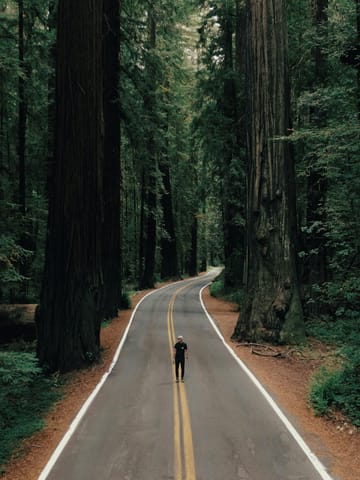
Pacific Coast Route
Vancouver, Seattle, San Francisco, Los Angeles
Highlights: Coastal drives, Redwood forests, mountain passes, national parks between cities, smooth transitions between host cities. Road trip potential: Fly into Vancouver, rent an RV, camp along the coast, attend matches in Seattle, then continue south to San Francisco and Los Angeles.
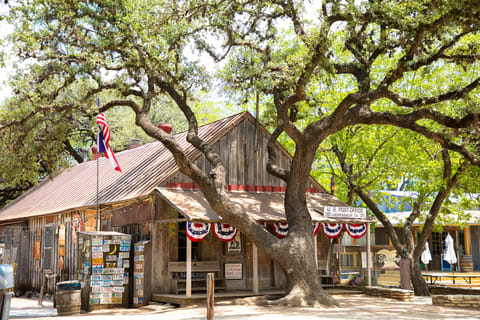
Southern and Central Route
Dallas, Houston, Kansas City, Atlanta
Highlights: Wide roads and abundant RV parks, barbecue, live music and cultural hotspots, easy highway access to stadiums, many full hookup campgrounds. Road trip potential: Dallas and Houston are four hours apart, with routes east to Atlanta or north to Kansas City.
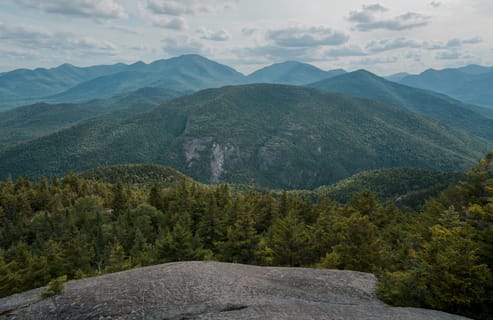
Northeast Corridor Route
New York New Jersey, Boston, Philadelphia
Highlights: Dense fan culture, historic cities, public transit networks, coastal campgrounds. Road trip potential: Base in New Jersey and attend matches in New York, Philadelphia and Boston via highways and rail connections.
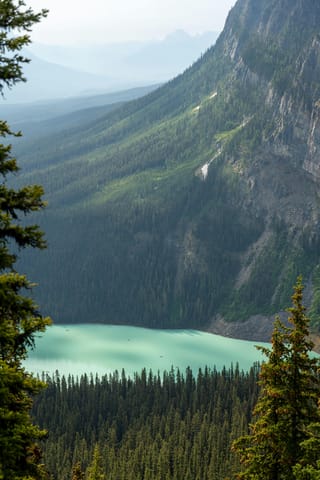
Canadian Route
Toronto and Vancouver
Highlights: Mild summer temperatures, scenic mountain and coastal landscapes, excellent RV rental availability, friendly campground infrastructure. Road trip potential: Toronto fans can pair matches with Niagara Falls or Ottawa, while Vancouver fans visit Whistler, the Sunshine Coast or Seattle.
Driving Distances and Road Trip Potential Between Host Cities
Adding depth to this section directly supports SEO and user planning.
| Route | Details |
|---|---|
| Vancouver to Seattle | 2.5 hours. Scenic border crossing and mountain views. |
| Seattle to San Francisco | 11 to 13 hours. Opportunity to stop at Oregon beaches or Redwood National Park. |
| San Francisco to Los Angeles | 6 hours. Pacific Coast Highway offers iconic coastal scenery. |
| Los Angeles to Dallas | 20 to 22 hours. Split the drive through Arizona, New Mexico and Texas hill country. |
| Dallas to Houston | 3.5 hours. Easy highway drive and ideal for attending multiple matches. |
| Houston to Atlanta | 11 hours. Visit Gulf Coast beaches, Louisiana cuisine and southern towns along the route. |
| Boston to New York | 4 hours. Coastal towns and historic sites fill the journey. |
| New York to Philadelphia | 1.5 hours. Perfect for day trips or back to back matches. |
| Philadelphia to Toronto | 8 to 10 hours. Scenic route through upstate New York and Niagara Falls. |
Weather and Climate for FIFA Camping
Canada and Northern States: Mild temperatures, cool evenings, potential rain.
California: Warm afternoons, cool evenings inland and coastal fog.
Texas: Very hot. Full electrical hookups and RV air conditioning are vital.
Southeast U.S.: High humidity, frequent thunderstorms and warm evenings.
Northeast: Warm and humid with occasional storms and ocean breezes.
Safety Tips for Camping During the World Cup
Avoid navigating RVs into dense downtown cores.
Stick to highways and bypass routes.
Keep valuables inside locked compartments.
Monitor weather forecasts daily.
Use campground staff for local safety guidance.
Maintain water supply in hot regions.
Plan match day travel hours in advance.
Things to Do Between Matches While Camping
Camping during the World Cup creates opportunities beyond stadium visits.
Examples: Hiking near Seattle, Vancouver and Northern California; beaches in Southern California, Miami, Boston and Toronto; historic towns in the Northeast corridor; breweries, food festivals and local sports culture events; state and provincial parks with lakes, fishing and trails.
Each host region provides unique experiences that enhance the tournament.
Find RV Rentals in Each Host City
Book an RV near any World Cup stadium to stay close to the action while enjoying campground amenities and private space.

Canada
989 RV Rentals
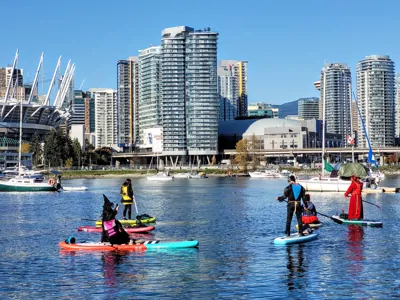
Canada
624 RV Rentals
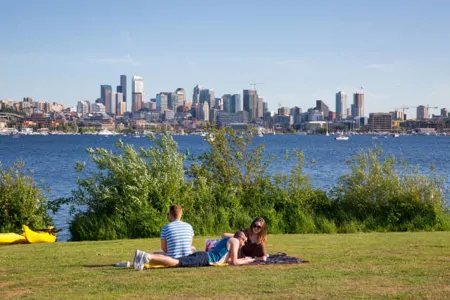
United States
86 RV Rentals
United States
314 RV Rentals
United States
661 RV Rentals
United States
191 RV Rentals
United States
140 RV Rentals
United States
162 RV Rentals
United States
142 RV Rentals
United States
106 RV Rentals

United States
214 RV Rentals
United States
193 RV Rentals
United States
28 RV Rentals
FAQ for Camping During the 2026 FIFA World Cup
- Why do fans choose camping during the 2026 FIFA World Cup?
Camping is one of the most practical lodging choices because hotels surge to historic highs, campgrounds keep stable rates, and RVs provide privacy, airflow and quiet between matches.
- How far are campgrounds from FIFA World Cup stadiums?
Most RV parks sit 25 to 60 minutes away along major highways, so budget extra time in dense metros and look for shorter suburban runs in Toronto and Vancouver.
- How should I choose a campground for the tournament?
Prioritize freeway access, full hookups, shade, event friendly policies, sites sized for your RV and confirmation that delivery is welcomed if you plan to have the RV set up for you.
- What should I know about RV delivery services?
Owners deliver, level and hook up the RV, provide an orientation, and pick it up after your stay so you can avoid towing through unfamiliar cities.
- Which RV type is best for my World Cup trip?
Motorhomes handle multi city travel, travel trailers and fifth wheels excel for long stays, and campervans work well for flexible sightseeing or smaller groups.
- Events
- World Cup 2026
- Campgrounds