Cape Scott Provincial Park - Canada
Discover the RVezy RV rental marketplace
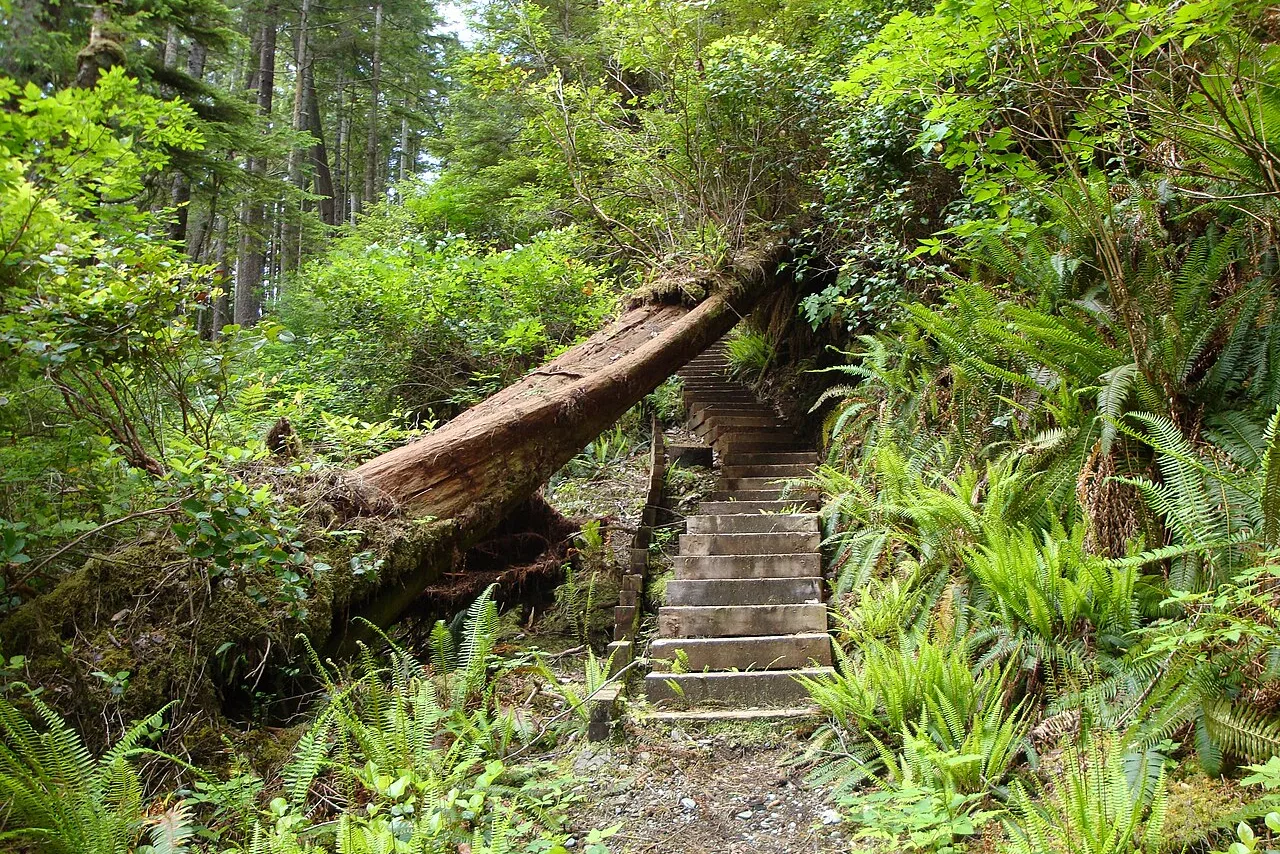
About Cape Scott Provincial Park
RV quick facts for Cape Scott Provincial Park
Featured RV rentals for Cape Scott Provincial Park



Best time to visit Cape Scott Provincial Park
Late June through early September offers the driest weather, longest daylight, and the most reliable road conditions for reaching the trailhead. July and August are peak months for San Josef Bay day hikes and beach visits. Spring and fall bring larger waves and are popular for surf kayaking at San Josef Bay. Shoulder-season RV travellers should be prepared for extremely cold and wet conditions, which can occur year-round on this exposed coast.
Very wet and windy; logging road may be icy or snow-covered
Cold, wet, stormy coast
Frequent rain, muddy trails
Shoulder season, expect rain and mud
Drier weather begins, good surf kayaking
Longer days, reliable trailhead access
Peak season; driest month
Peak season; popular beach camping at Nels Bight and San Josef Bay
Cooler, rain returns, larger surf
Wet season resumes, trails muddy
Very wet, storm season
Storms, wind, possible snow on logging road
Things to do at Cape Scott Provincial Park
- San Josef Bay Trail EasyRV parking available
San Josef Bay is a well-maintained gravel trail ending at a broad sandy Pacific beach in the southeastern corner of the park. The trail is 2.5 km from the trailhead and takes about 45 minutes one way, ending at the sandy shore of San Josef Bay where camping is allowed. The trail has been re-surfaced with crushed material and extended boardwalk, and is accessible for high-clearance strollers and assisted wheelchairs on a rough gravel backcountry surface. bcparks.ca/cape-scott-park/hiking/
- Eric Lake EasyRV parking available
Eric Lake is a forested lake campsite along the main Cape Scott trail. There are eight tent platforms, a food cache, and a pit toilet at Eric Lake at kilometre 3 from the Cape Scott trailhead, with lake access on the west side of the campground. It is a good introductory overnight for hikers basing their RV at the trailhead lot. bcparks.ca/cape-scott-park/hiking/
- Nels Bight Strenuous
Nels Bight is the park's signature beach campsite and one of the most popular destinations in Cape Scott. It stretches more than 2,400 metres long and 210 metres wide at low tide, making it one of the park's most popular camping destinations. The site is 13.1 km from the trailhead with an average one-way hiking time of 4.5 hours. bcparks.ca/cape-scott-park/hiking/
- Mount St. Patrick and Sea Otter Cove Strenuous
Mount St. Patrick is the highest viewpoint reachable from the San Josef side of the park. The route is accessed via San Josef Bay's second western beach, then gains elevation quickly to the summit of Mt. St. Patrick, which offers a panoramic view of the park, before descending to Sea Otter Cove. Sea Otter Cove is only passable at mid to low tide, and only experienced hikers familiar with map and compass should go beyond Mt. St. Patrick. bcparks.ca/cape-scott-park/hiking/
- Cape Scott Lighthouse Route Strenuous
The full hike to the Cape leads to historic settler sites and views of the working lighthouse. Cape Scott is 23.6 km from the trailhead with an average one-way hiking time of 8.5 hours, and the public may visit the lighthouse, which is outside the provincial park and federally operated. bcparks.ca/explore/parkpgs/cape_scott/hiking.html
- San Josef Bay PaddlingRV parking available
San Josef Bay is the park's most accessible paddling destination. Canoeing and kayaking are increasingly popular here where BC Parks operates a boat launch, more experienced kayakers can paddle from Port Hardy around the Cape to Winter Harbour or Coal Harbour, and the bay is a popular spot for surf kayaking in spring and fall when waves are larger. The boat launch is accessed via San Josef Heritage Park but is a BC Parks facility. bcparks.ca/cape-scott-park/
- North Coast Trail Strenuous
The North Coast Trail is the park's premier multi-day backpacking route. It is a 43.1 km extension to the original Cape Scott trail, the total hiking distance is approximately 59.5 km, and the minimum recommended one-way hiking time is 5 days, more commonly completed in 6 to 8 days. Access to the Shushartie Bay trailhead is by boat or floatplane only with no docking facilities, and one water taxi service runs from Port Hardy during the summer season. bcparks.ca/explore/parkpgs/cape_scott/hiking.html
- Wildlife ViewingRV parking available
Cape Scott offers rich coastal wildlife viewing from beaches and forest trails. The park is home to bald eagles, black bears, cougars, wolves, river and sea otters, mink, and an array of marine mammals, and sightings and encounters are common, so visitors should use precaution. Lucky visitors may sometimes spot sea otters, an endangered species, in Guise Bay. bcparks.ca/explore/parkpgs/cape_scott/hiking.html

RV delivery to 6 campgrounds
Skip the pickup. Skip the towing. Get an RV delivered and set up at your campsite so you can arrive, unpack, and start your trip stress-free.
Choose your perfect RV
Browse RVs that offer delivery to your site and book the one that fits your budget and adventure style.
Lock in your campsite
Reserve your campsite with the hookups and amenities you need. We’ll help you find RVs that meet site requirements.
Arrive and relax
Your host delivers and sets up the RV before you get there. Just show up and start enjoying your trip.
Find the perfect RV for these nearby campgrounds
RV Rentals Cape Scott Provincial Park
Cape Scott Provincial Park, BC, Canada
How to get to Cape Scott Provincial Park
The park sits at the northwestern tip of Vancouver Island, 563 kilometres from Victoria. From Port Hardy, the nearest service town, it is roughly 65 kilometres of paved and active logging road through Holberg to the San Josef Bay trailhead, typically 1.5 to 2 hours of careful driving. RVers should expect narrow gravel sections, logging truck traffic, no shoulders, and no services past Holberg, so large motorhomes and long trailers are not recommended beyond Port Hardy or Holberg. Port Hardy Airport is the closest airport for fly-and-rent trips.
RVezy vs. Traditional RV rental
RVezy rentals
- Book directly from local RV owners
- Choose the exact RV you want
- Delivery to your campsite, home, or destination
- More variety: trailers, motorhomes, and campers
Traditional RV rental
- Limited fleet from a rental company
- Exact RV not guaranteed
- Pickup only at retail locations
- Fewer RV types and less availability