Kobuk Valley National Park - United States
Discover the RVezy RV rental marketplace
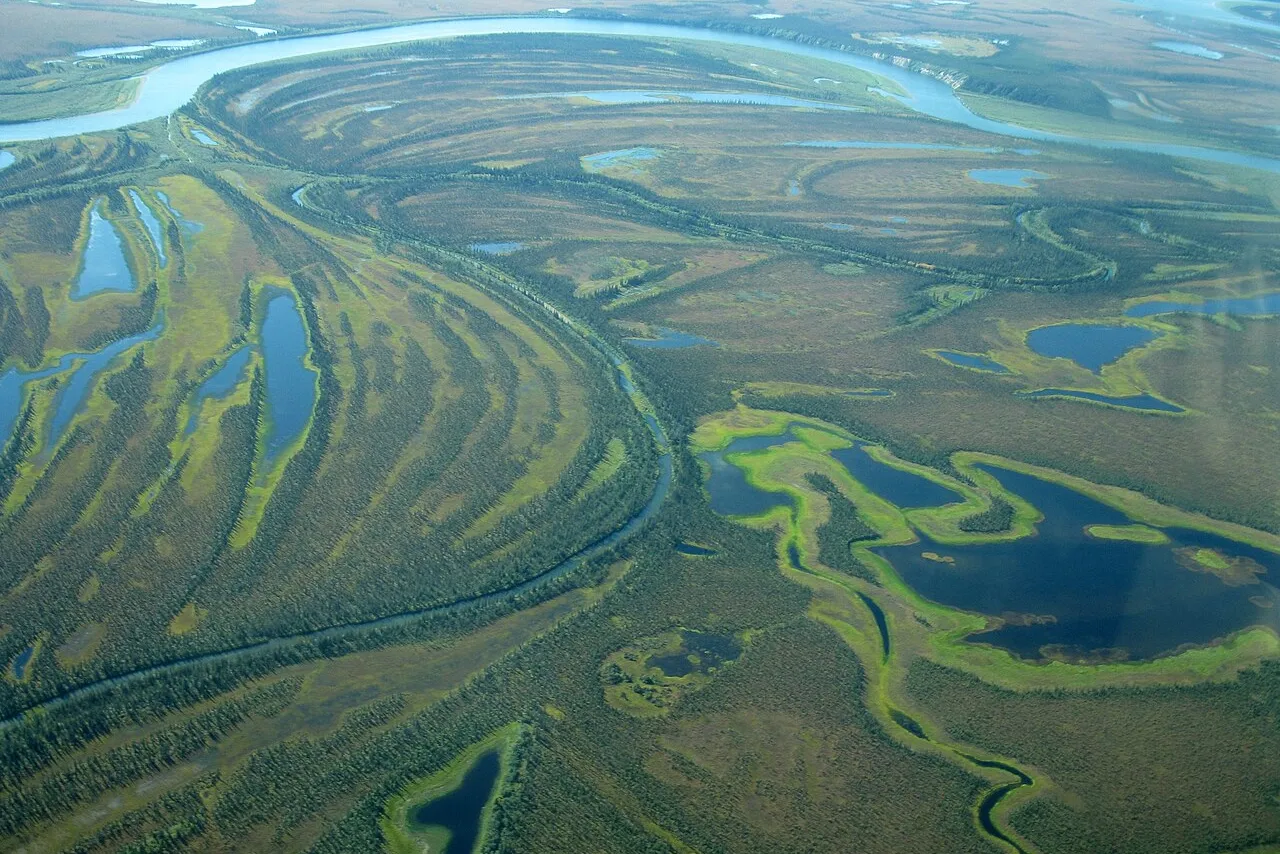
About Kobuk Valley National Park
RV quick facts for Kobuk Valley National Park
Best time to visit Kobuk Valley National Park
Late June through early September is the core visitor window, when rivers are ice-free, tundra is accessible on foot, and bush pilots operate their busiest schedules. July typically offers the warmest temperatures and long daylight hours, while late August and early September bring the fall caribou migration across the Great Kobuk Sand Dunes. Shoulder seasons are short and unpredictable, with lingering ice, swollen rivers, and frequent flight delays. Winter visitation is extremely limited due to deep cold, snow, and darkness.
Park open but effectively inaccessible; deep cold and limited daylight
Extreme cold; no visitor services in the park
Snowpack remains; rivers frozen
Breakup season; travel conditions unstable
River ice breakup; bush flights resume as weather allows
Long daylight; mosquitoes emerge
Peak visitor season; warmest temperatures
Wettest summer month; fall caribou migration begins late month
Fall caribou migration at Onion Portage; first snow possible
Freeze-up begins; bush flight access limited
Rivers freezing; practical access ends for most visitors
Park open but effectively closed to general visitors due to cold and darkness
Things to do at Kobuk Valley National Park
- Great Kobuk Sand Dunes Moderate
The Great Kobuk Sand Dunes are the park's iconic feature and the largest active dune field in arctic North America, with crescent-shaped barchan dunes standing over 100 feet high. Most visitors arrive by small wheeled aircraft that can land directly on the sand, then hike and camp across the open dune field. Summer temperatures on the exposed sand can climb well above average for the Arctic. nps.gov/places/great-kobuk-sand-dunes.htm
- Kobuk River Float Trip Moderate
The Kobuk River is the park's defining waterway and a popular multi-day float for packrafters and canoeists. Paddlers put in upstream at Walker Lake or Ambler and travel through the park past sand dunes, boreal forest, and traditional caribou crossings. Float trips require full backcountry self-sufficiency and bear-safe food storage. home.nps.gov/articles/getaway-kova.htm
- Onion Portage Moderate
Onion Portage is a National Historic Landmark on the Kobuk River where caribou have crossed during migration for roughly 9,000 years. Visitors who time a fall trip well can witness the Western Arctic Caribou Herd swimming the river, a tradition still central to local subsistence harvest. Access is by boat or bush plane. home.nps.gov/articles/getaway-kova.htm
- Backcountry Camping and Backpacking Strenuous
Kobuk Valley has no designated campgrounds or trails, so all overnight stays are dispersed wilderness camping. Tents can be pitched on any level surface, and day hiking is feasible in any direction from a landing zone. Visitors must be fully self-reliant, carry bear-resistant food containers, and plan for weather-related flight delays. nps.gov/places/great-kobuk-sand-dunes.htm
- Flightseeing from Kotzebue Easy
Flightseeing is the most accessible way to experience Kobuk Valley in a single day. Air taxis depart from Kotzebue and circle over the Great Kobuk Sand Dunes, the Kobuk River, and seasonal caribou migrations without requiring a landing. This is the practical option for travelers with limited time or backcountry experience. home.nps.gov/articles/getaway-kova.htm
- Northwest Arctic Heritage Center Easy
The Northwest Arctic Heritage Center in Kotzebue is the park's visitor center and the starting point for most trips. Exhibits cover Iñupiaq culture, caribou migration, and the ecology of the Kobuk River valley, and rangers can advise on current conditions and licensed air taxi operators. It is the only developed park facility. nps.gov/kova/planyourvisit/northwest-arctic-heritage-center.htm
- Wildlife and Caribou Viewing Moderate
Kobuk Valley supports caribou, moose, wolves, grizzly and black bears, and a wide range of migratory birds. The Western Arctic Caribou Herd, historically numbering in the hundreds of thousands, crosses the park twice a year, leaving tracks across the sand dunes in spring and fall. Viewing opportunities are best when paired with a guided air taxi or river trip. home.nps.gov/articles/getaway-kova.htm

RV delivery to a campground
Skip the pickup. Skip the towing. Get an RV delivered and set up at your campsite so you can arrive, unpack, and start your trip stress-free.
Choose your perfect RV
Browse RVs that offer delivery to your site and book the one that fits your budget and adventure style.
Lock in your campsite
Reserve your campsite with the hookups and amenities you need. We’ll help you find RVs that meet site requirements.
Arrive and relax
Your host delivers and sets up the RV before you get there. Just show up and start enjoying your trip.
RV Rentals Kobuk Valley National Park
Kobuk Valley National Park, AK, United States
How to get to Kobuk Valley National Park
There is no road into Kobuk Valley National Park, so RV travelers typically base their rig in a gateway city and fly in by bush plane. The nearest regional hub is Kotzebue, reached by commercial flight from Anchorage, roughly a 1.5 hour flight, with onward charter flights or boats into the park. Drivers heading toward the Arctic in an RV usually stop at road-accessible towns such as Fairbanks, about 600 miles from the region by road and air combined, since no highway reaches Kotzebue. RV renters should plan for a fly-and-rent trip: rent an RV in Anchorage or Fairbanks for surrounding Alaska travel, then fly separately to Kotzebue for the park visit.
RVezy vs. Traditional RV rental
RVezy rentals
- Book directly from local RV owners
- Choose the exact RV you want
- Delivery to your campsite, home, or destination
- More variety: trailers, motorhomes, and campers
Traditional RV rental
- Limited fleet from a rental company
- Exact RV not guaranteed
- Pickup only at retail locations
- Fewer RV types and less availability