Qausuittuq National Park - Canada
Discover the RVezy RV rental marketplace
About Qausuittuq National Park
RV quick facts for Qausuittuq National Park
Best time to visit Qausuittuq National Park
The short visitor season runs from roughly late June through August, when 24-hour daylight, thawed tundra, and relatively mild temperatures allow hiking, wildlife viewing, and charter access. July is typically the warmest month with average highs just above freezing. Shoulder periods in early June and September bring lingering snow, sea ice, and rapidly shortening days, and by October the park returns to full polar night and deep cold. RV travellers should note that the park itself cannot be reached by road at any time of year.
Full polar night; park inaccessible to visitors
Extreme cold; park inaccessible
Sun returns but travel limited to specialized expeditions
Sea ice season; access only by snowmobile with Inuit guides
Late spring; still cold, sea ice intact
Thaw begins; early-season charter access possible
Peak visitor season; 24-hour daylight
Primary hiking window; weather changes rapidly
Short shoulder season; snow returns
Winter returns; park effectively closed to general visitors
Polar night begins; park inaccessible
Full polar night; park inaccessible
Things to do at Qausuittuq National Park
- Peary caribou and muskox viewing Moderate
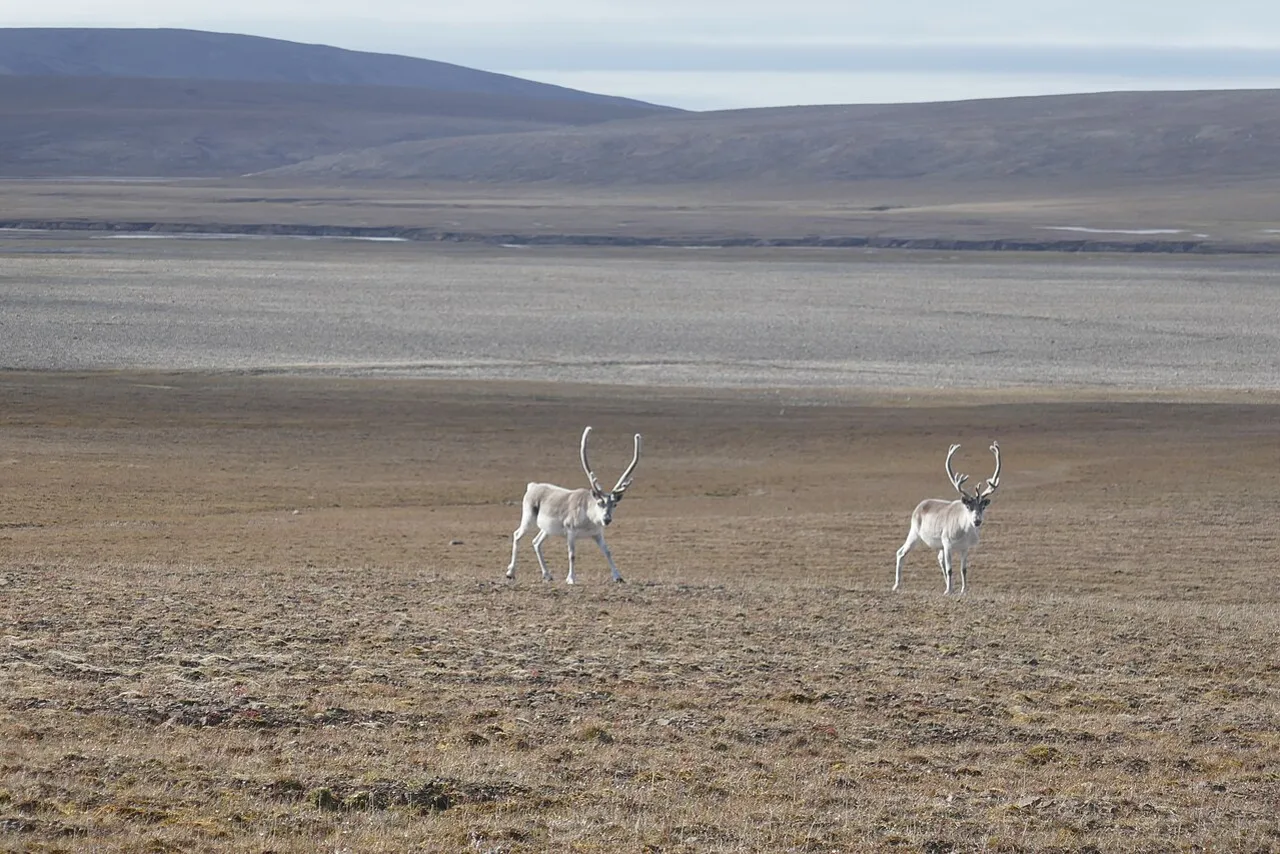
Wildlife watching for endangered Peary caribou and muskoxen is a central reason visitors travel to the park. The park was established to protect habitat for the endangered Peary caribou on Bathurst Island in Nunavut's High Arctic. Viewing is done on foot from base camps with experienced guides.
- Guided backcountry hiking Strenuous
Backcountry hiking across rolling polar desert and tundra is the main on-the-ground activity in Qausuittuq. Routes are unmarked and require navigation by GPS and map, along with river crossings and careful bear safety practices. Trips are typically arranged as multi-day expeditions from fly-in landing sites.
- Birdwatching on coastal wetlands Easy
The park's coastal lowlands host migratory shorebirds, geese, jaegers, and seabirds during the brief summer. Wetland areas near river mouths are the most productive for sightings. A spotting scope and patience help make the long daylight hours productive.
- Cultural learning in Resolute Bay Easy
Resolute Bay (Qausuittuq) is the gateway community and a key part of any trip. Visitors can learn about Inuit history, the relocations of the 1950s, and contemporary life in one of Canada's northernmost communities. Local outfitters and community members lead cultural programs and tours.
- Photography of High Arctic landscapes Moderate
Photographers visit for polar desert scenery, sea ice, wildlife, and 24-hour summer light. Subjects include glacial erratics, frost-patterned ground, and coastal cliffs along Bathurst Island. Conditions change quickly, so weatherproof gear is essential.
- Sea-ice excursions with Inuit guides Strenuous
In late spring, licensed Inuit guides run snowmobile and qamutiq (sled) trips across the sea ice toward Bathurst Island. These excursions offer access to seal breathing holes, floe-edge wildlife, and traditional travel routes. All trips require advance booking through Resolute Bay outfitters.

RV delivery to campgrounds
Skip the pickup. Skip the towing. Get an RV delivered and set up at your campsite so you can arrive, unpack, and start your trip stress-free.
Choose your perfect RV
Browse RVs that offer delivery to your site and book the one that fits your budget and adventure style.
Lock in your campsite
Reserve your campsite with the hookups and amenities you need. We’ll help you find RVs that meet site requirements.
Arrive and relax
Your host delivers and sets up the RV before you get there. Just show up and start enjoying your trip.
RV Rentals Qausuittuq National Park
Qausuittuq National Park, NU, Canada
How to get to Qausuittuq National Park
Qausuittuq has no road access. Travellers first fly to Resolute Bay (airport code YRB) on Cornwallis Island, typically connecting through Iqaluit, Yellowknife, or Ottawa, and then charter a fixed-wing aircraft, helicopter, or, in season, snowmobile or boat to reach Bathurst Island. Accommodation options include backcountry camping and lodging in Resolute Bay and Grise Fiord, and visitors can travel with a guided group or book a local tour in Resolute Bay and Grise Fiord. For RV renters, the practical approach is a fly-and-rent trip in southern Canada paired with a separate flight itinerary north, since no RV route, ferry, or highway connects the mainland to the High Arctic islands.
RVezy vs. Traditional RV rental
RVezy rentals
- Book directly from local RV owners
- Choose the exact RV you want
- Delivery to your campsite, home, or destination
- More variety: trailers, motorhomes, and campers
Traditional RV rental
- Limited fleet from a rental company
- Exact RV not guaranteed
- Pickup only at retail locations
- Fewer RV types and less availability