Desolation Sound Marine Provincial Park - Canada
Discover the RVezy RV rental marketplace
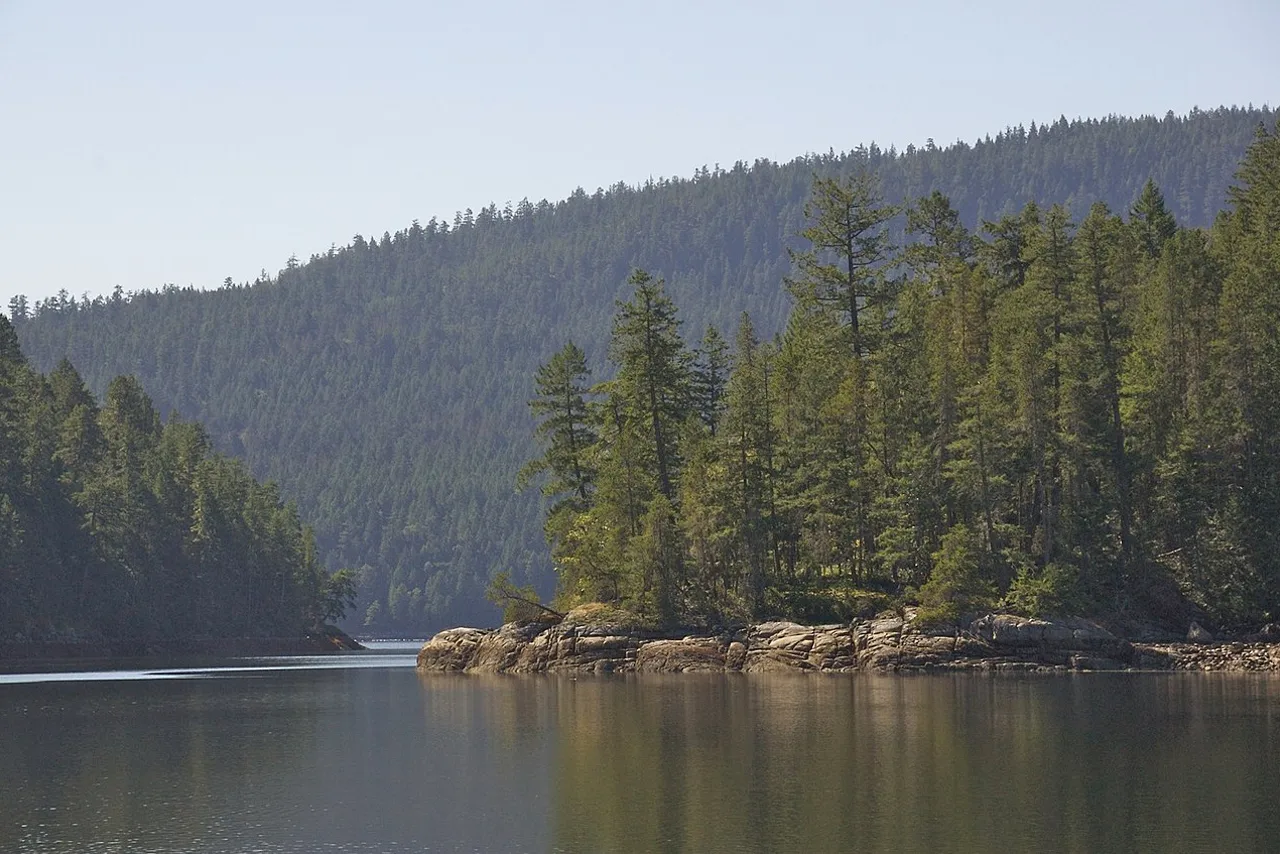
About Desolation Sound Marine Provincial Park
RV quick facts for Desolation Sound Marine Provincial Park
Featured RV rentals for Desolation Sound Marine Provincial Park
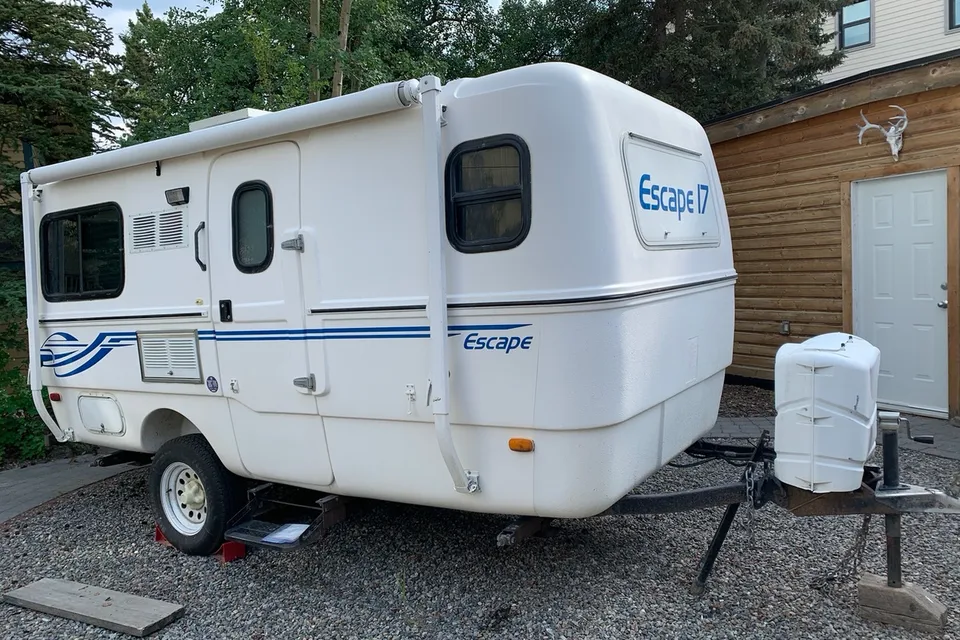
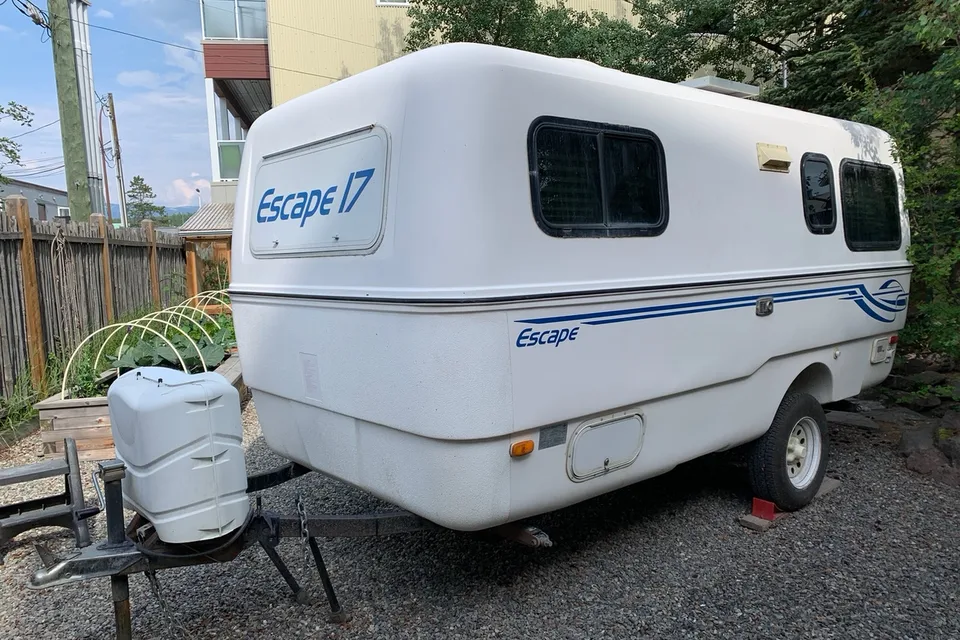
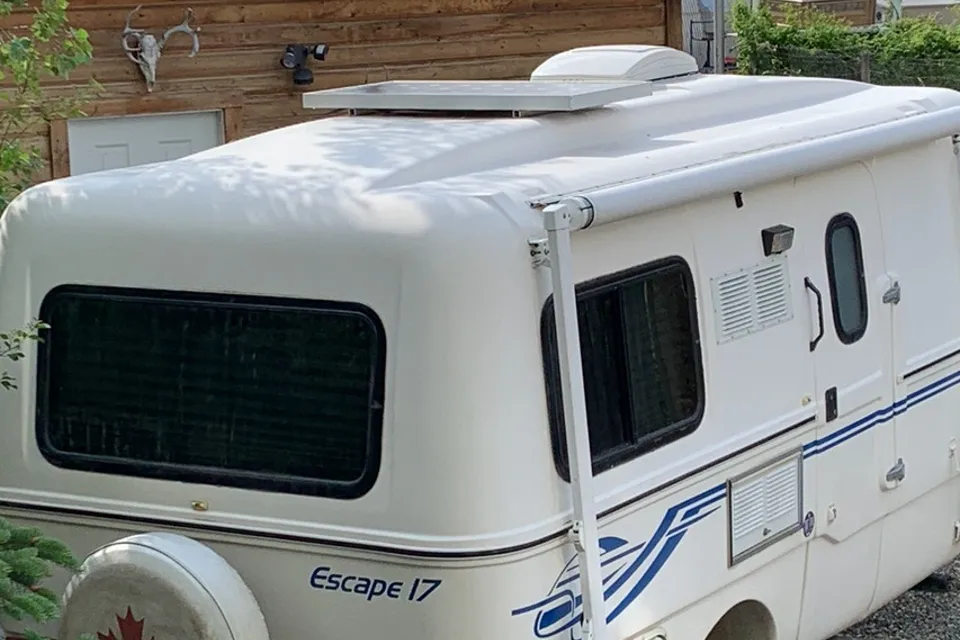
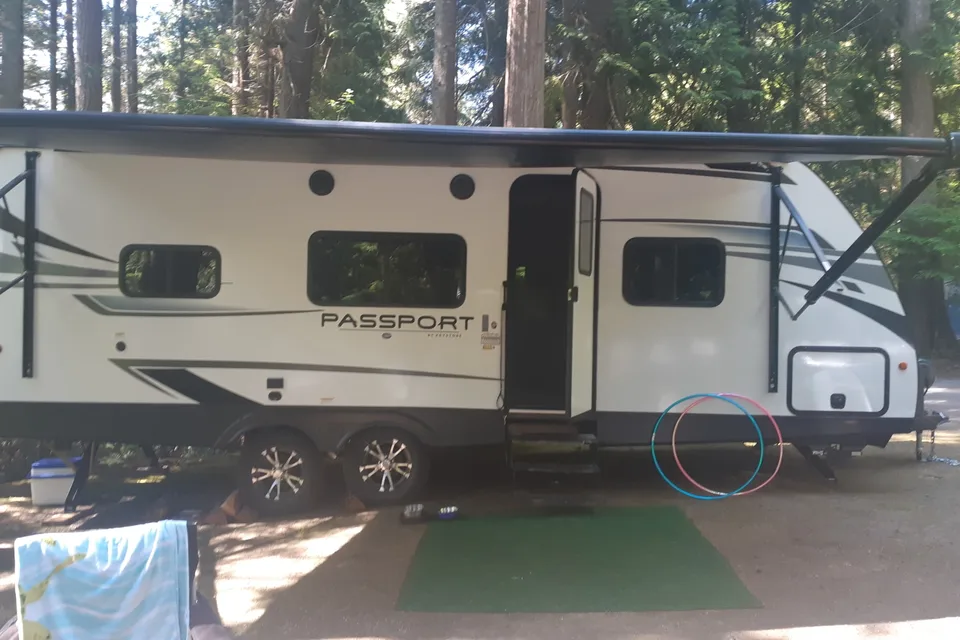
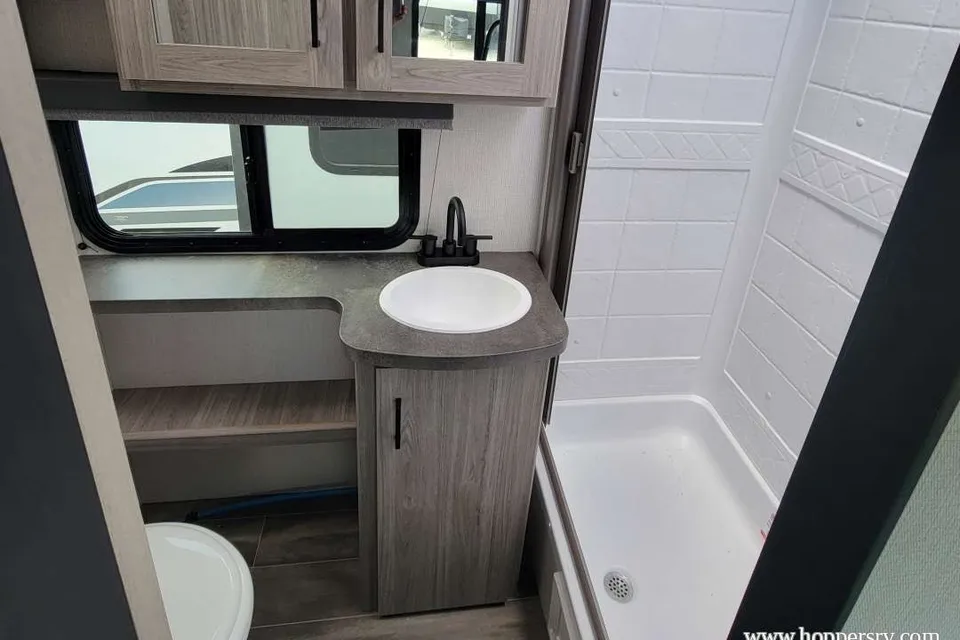
 Delivery only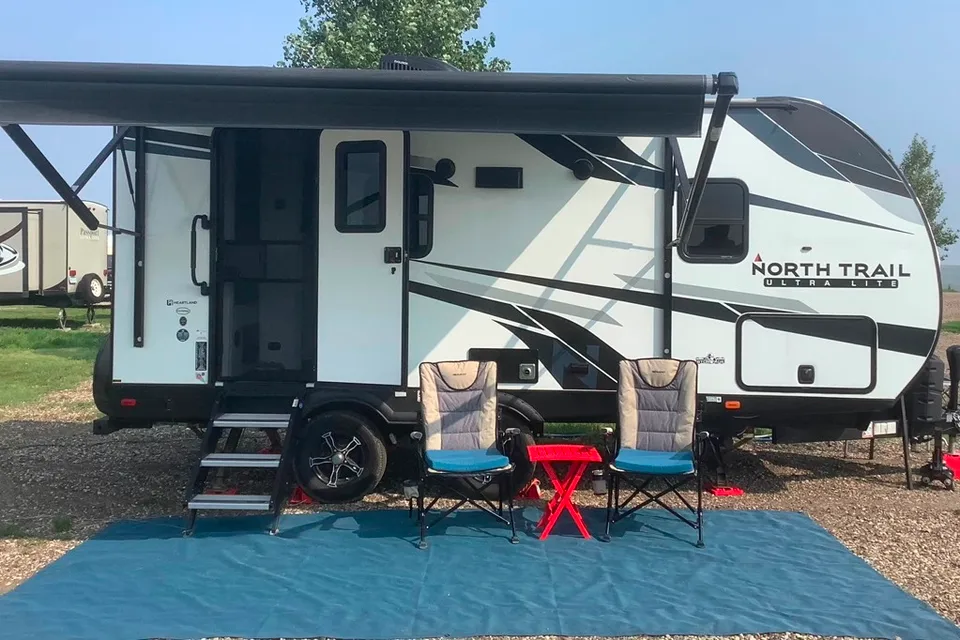
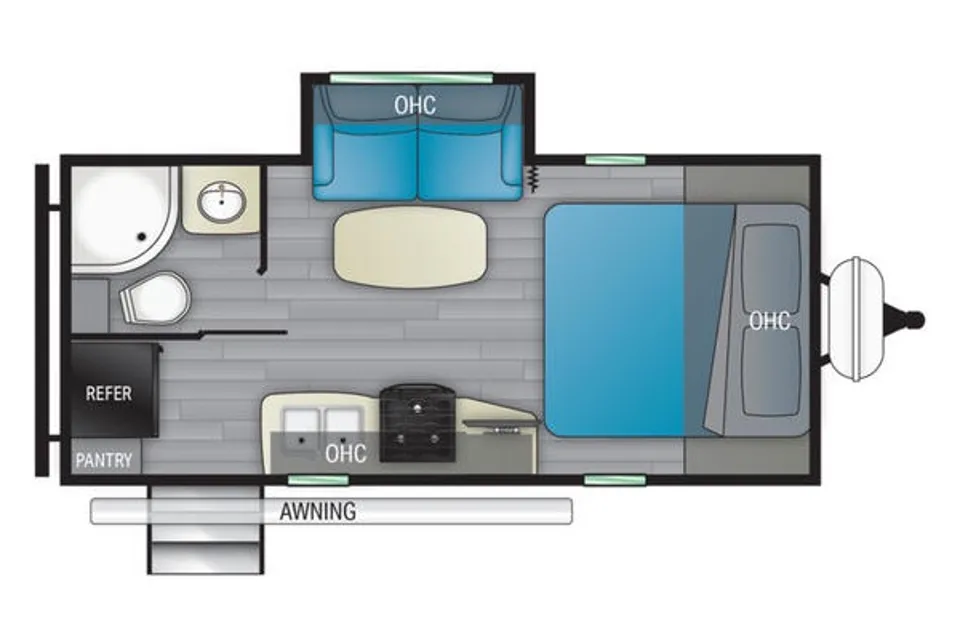
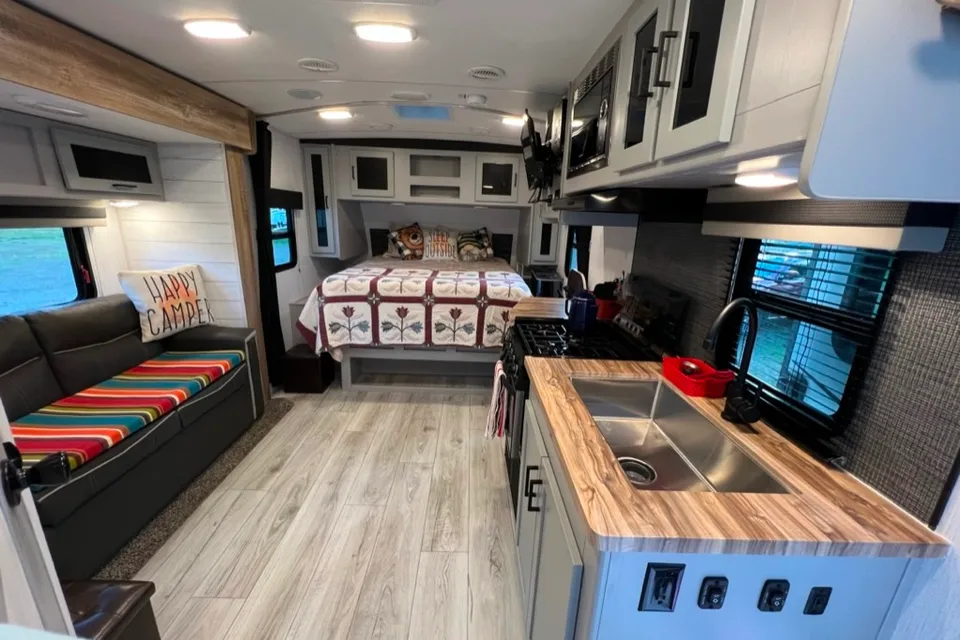
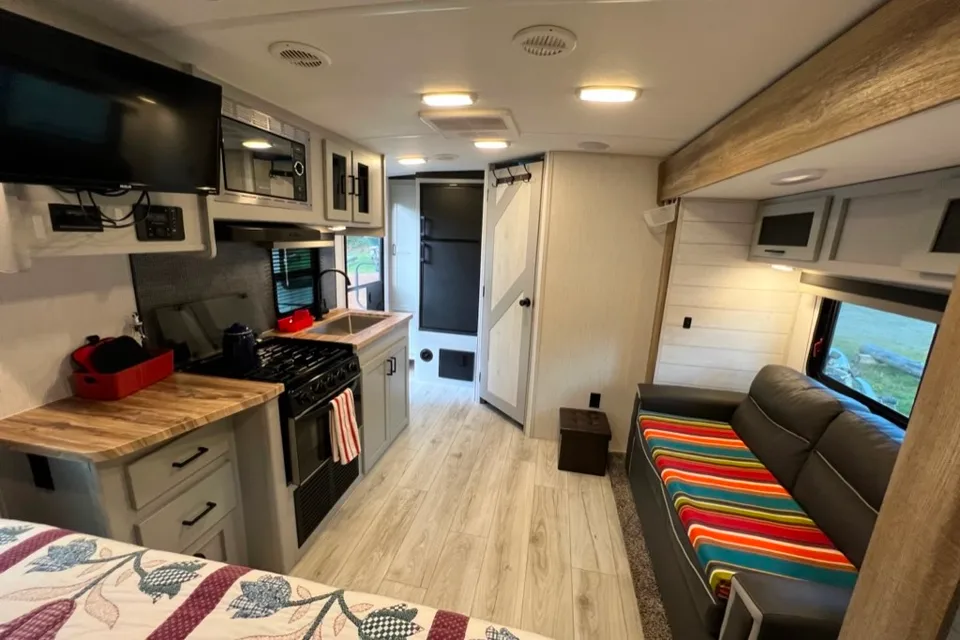
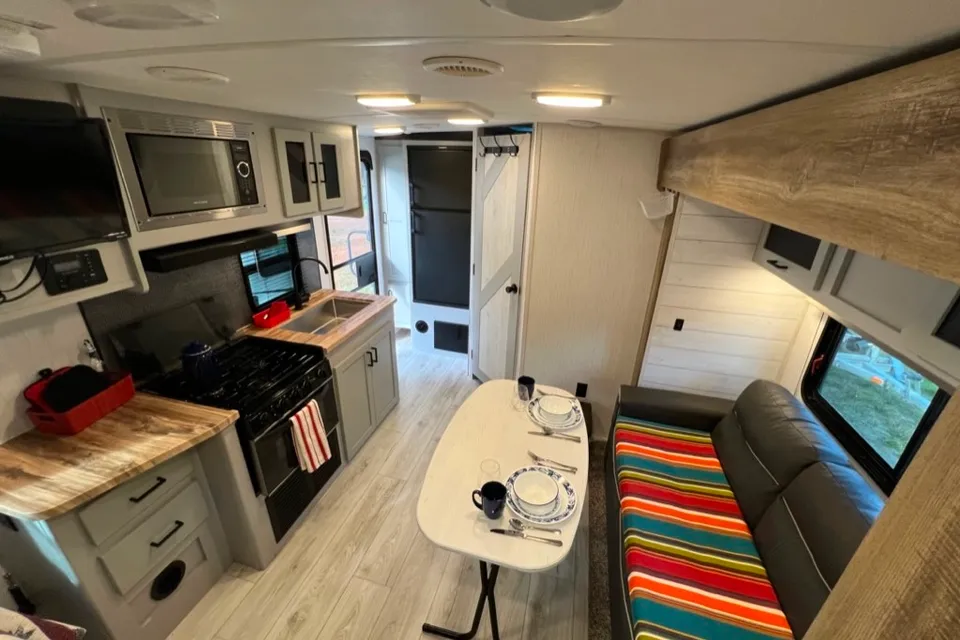
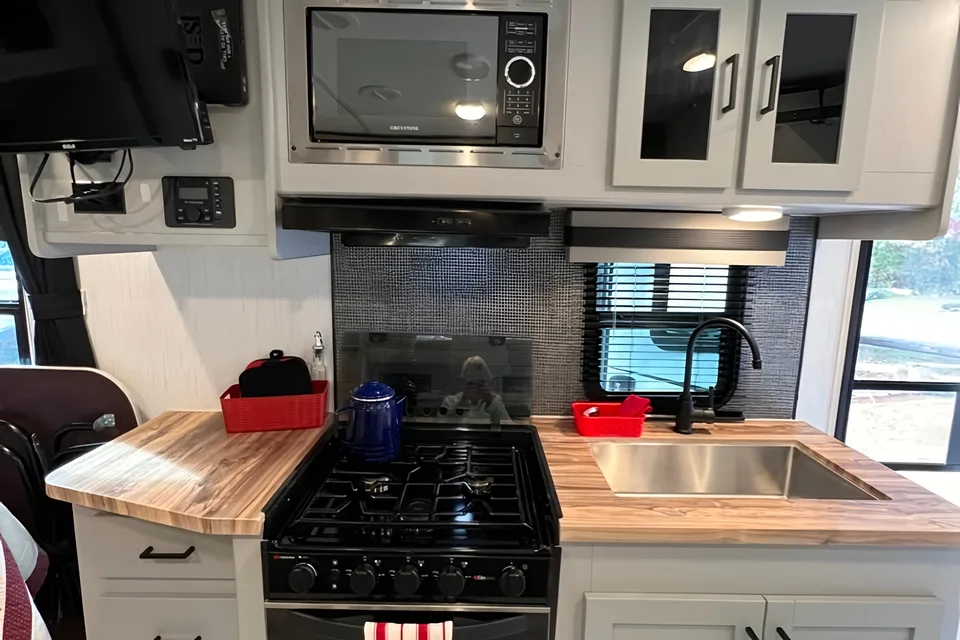
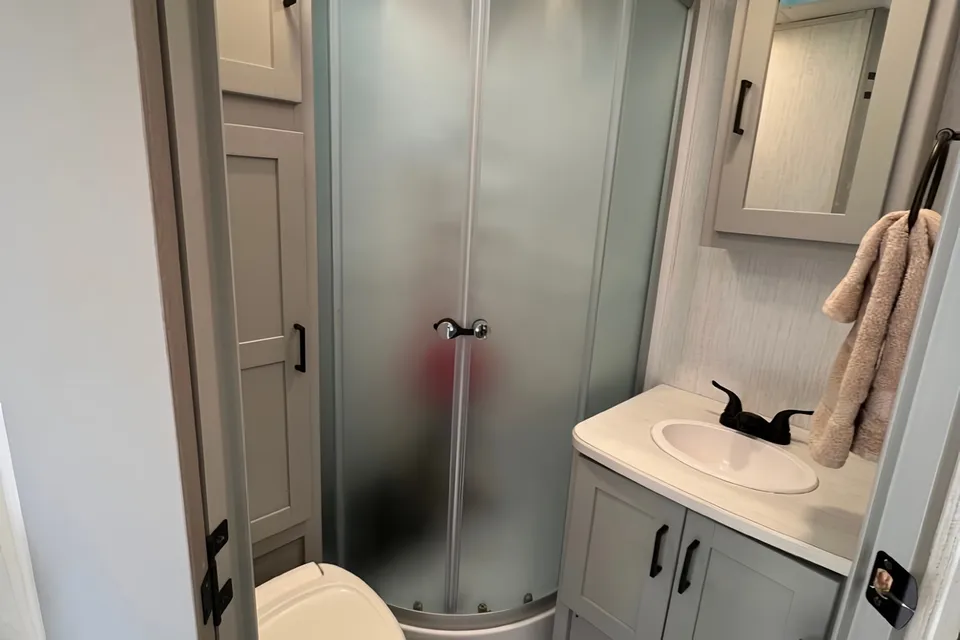
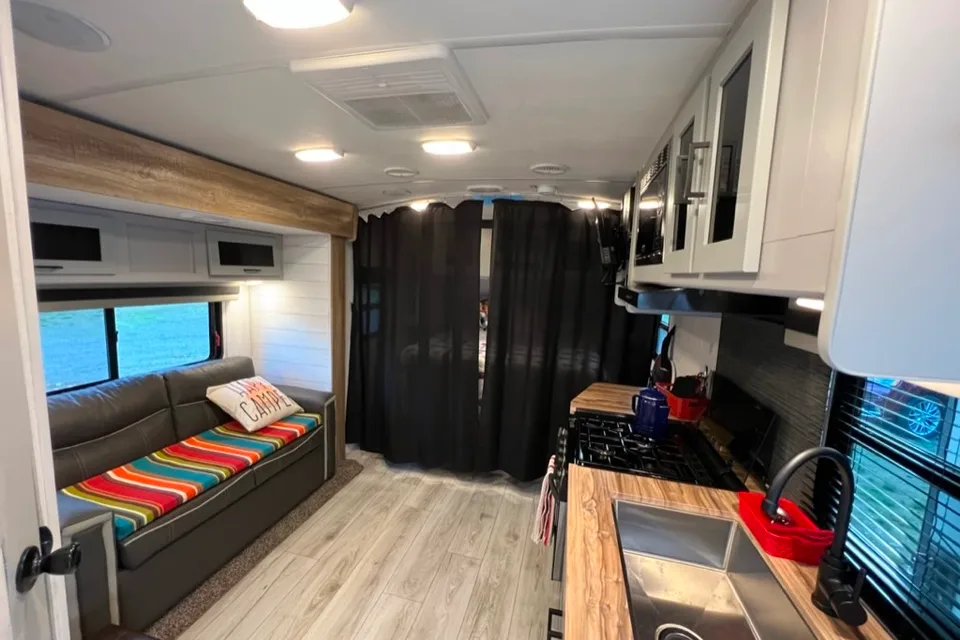
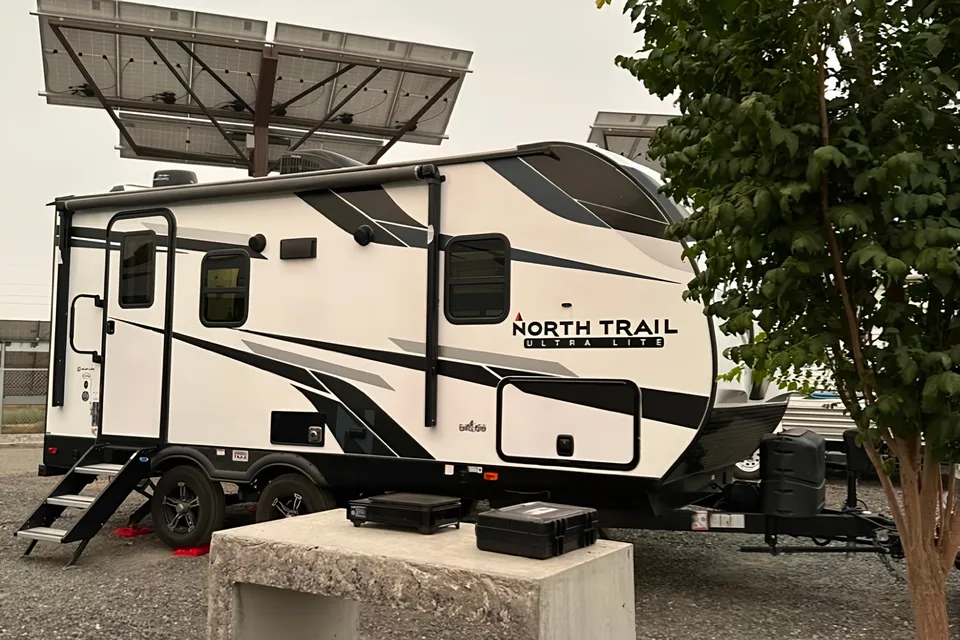 Delivery only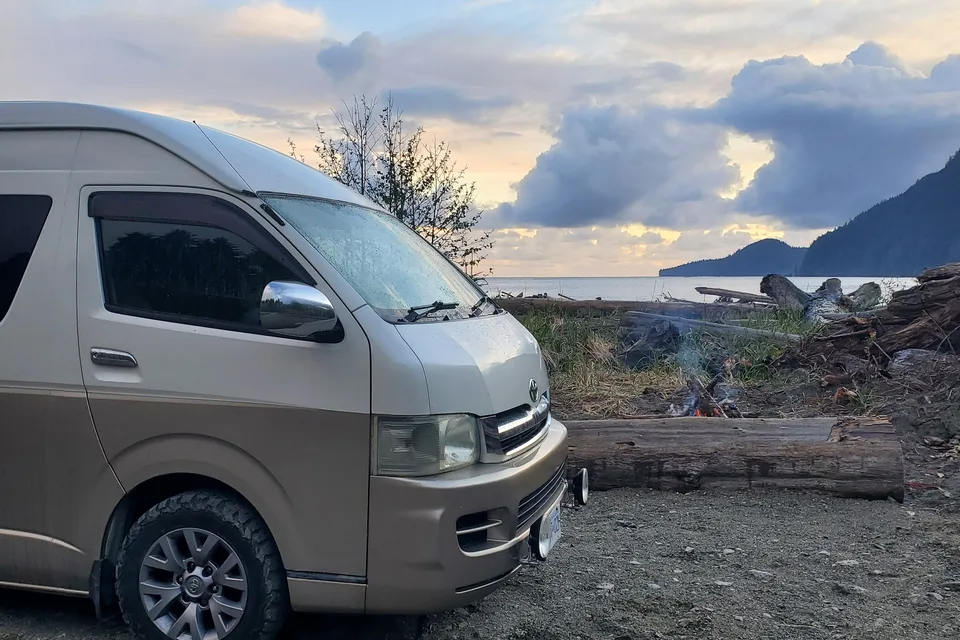
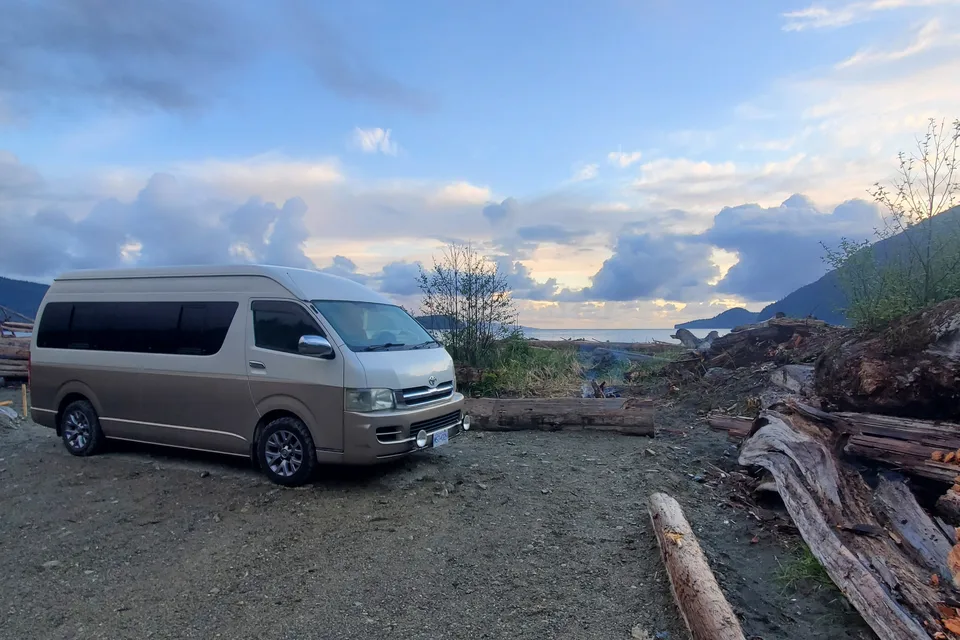
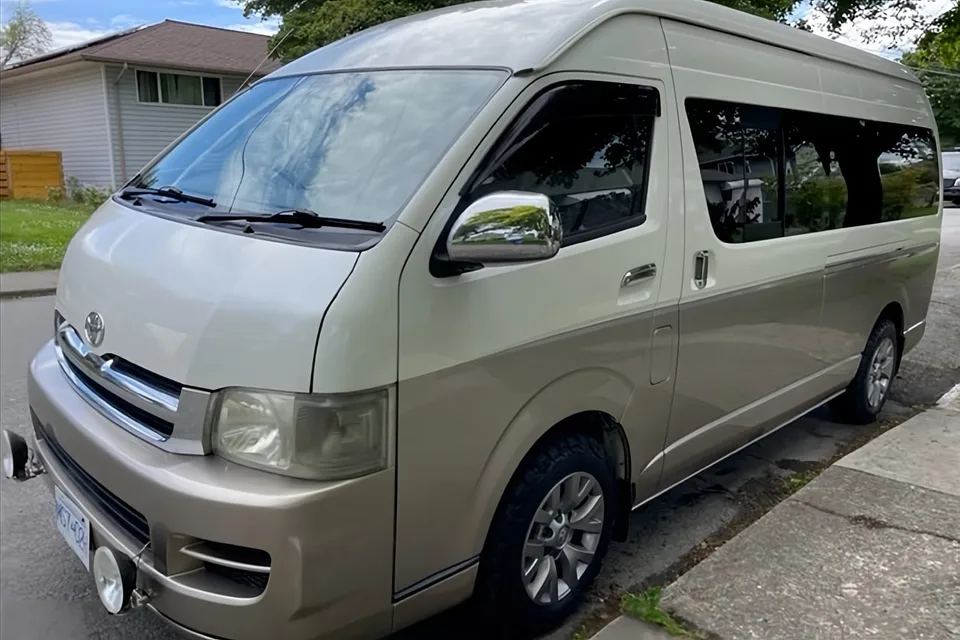
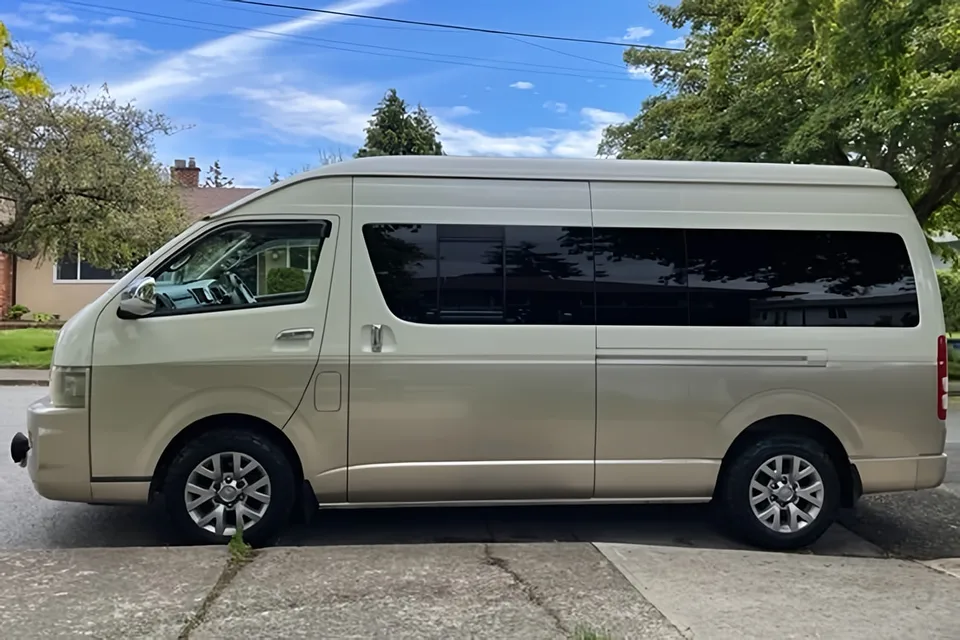
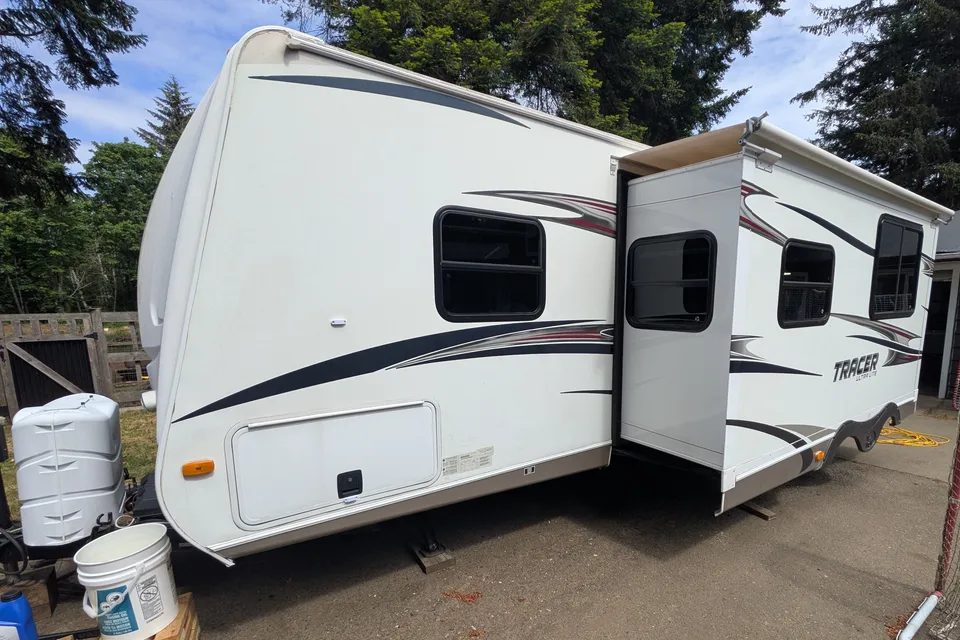
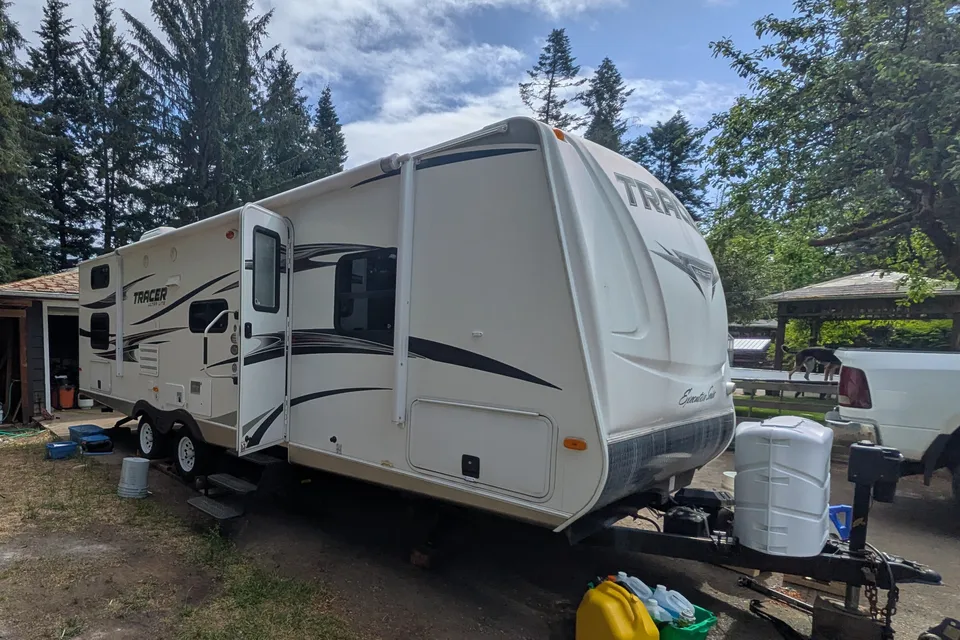
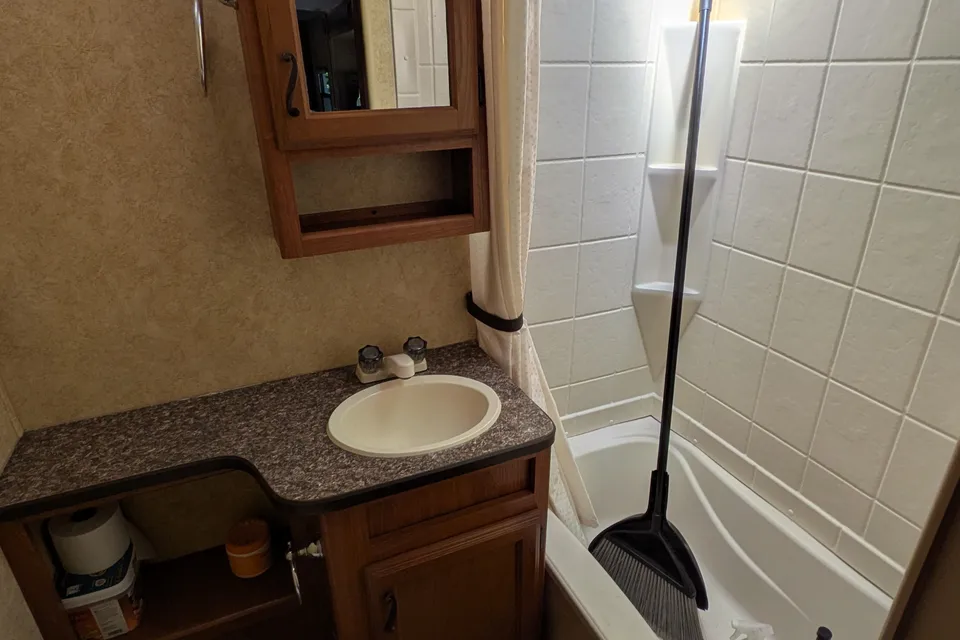
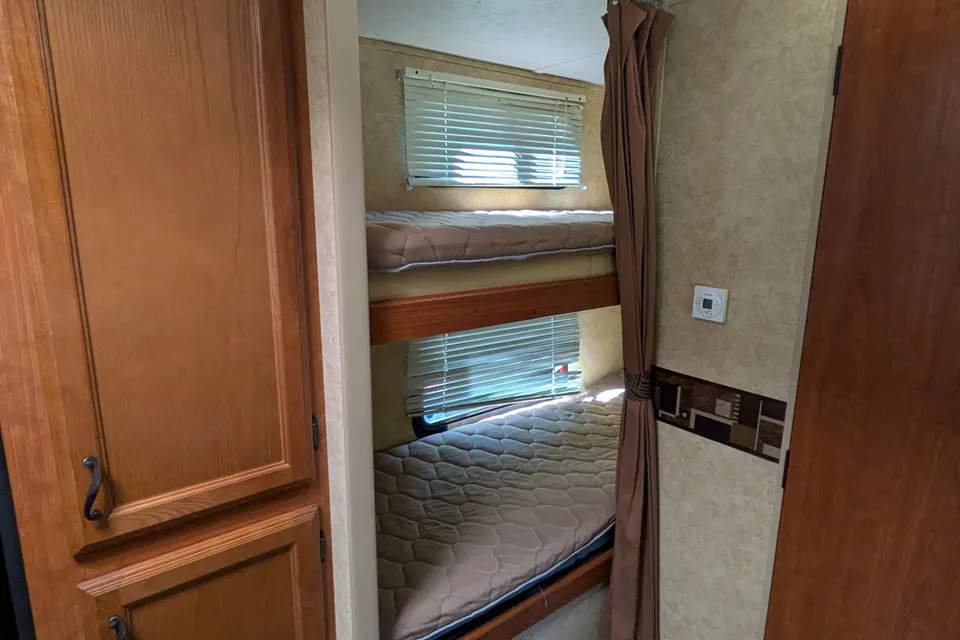
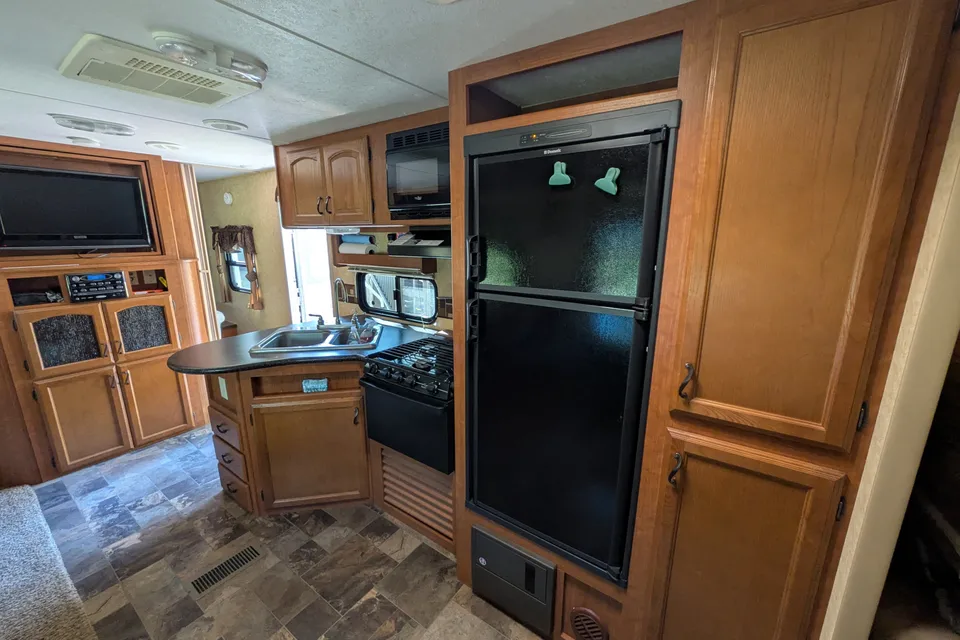
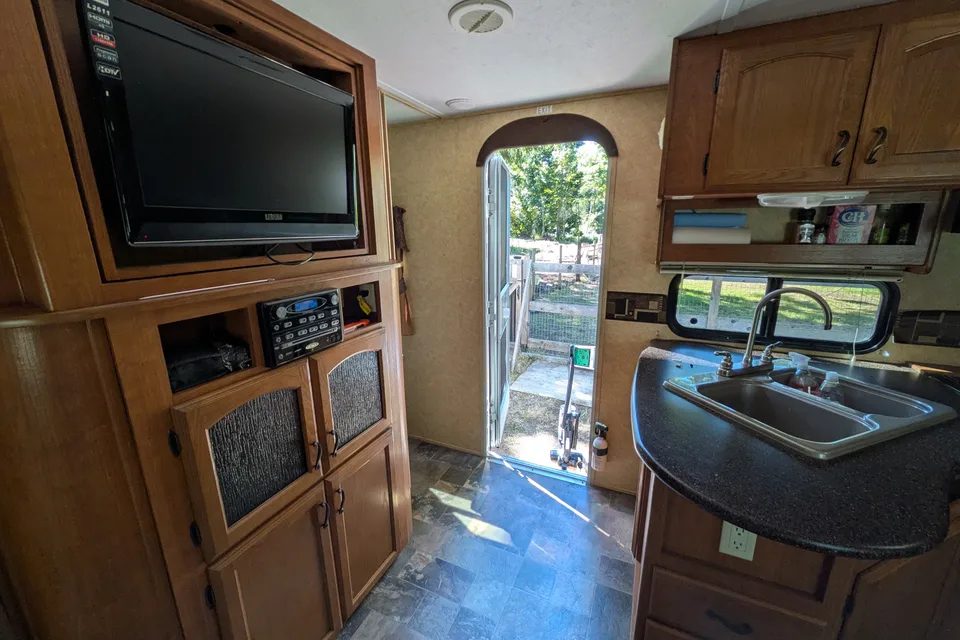
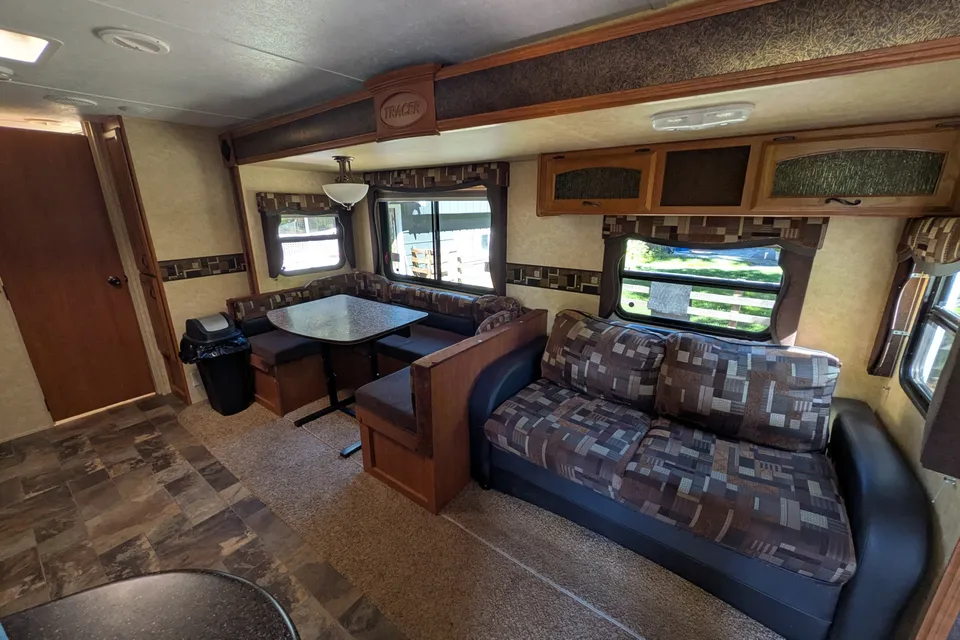
 Superhost


Best time to visit Desolation Sound Marine Provincial Park
Late June through early September offers the warmest weather, calmest seas, and the best conditions for paddling and boating into the sound. July and August are the peak months, when anchorages and designated campsites fill quickly, so shoulder weeks in June and September bring fewer crowds and easier access to tent pads. Fees are collected from June 1 to September 15, which roughly aligns with the prime RV-and-paddle season. Spring and fall can be cool and wet, with rougher water that is not recommended for less experienced kayakers.
Cool and wet; marine park campsite fees not collected, but boating conditions are often rough.
Winter weather continues; limited services in Lund.
Early shoulder season; water remains cold.
Longer days; paddling possible for experienced kayakers.
Shoulder season; weather improving.
Backcountry camping fees begin June 1; season ramps up.
Peak season; designated campsites and anchorages fill quickly.
Warmest water temperatures of the year; busiest month.
Fees collected until September 15; quieter after Labour Day.
Rainy season begins; fewer visitors.
Wet and windy; marine travel not recommended for most kayakers.
Off-season; rough seas and short daylight limit park use.
Things to do at Desolation Sound Marine Provincial Park
- Sea Kayaking in Desolation Sound ModerateRV parking available
Sea kayaking is the signature way to experience Desolation Sound, with sheltered waters, forested shorelines, and warm summer seas. This is a very popular kayak destination, with several kayak rentals available in the Powell River and Lund area and numerous guided kayak tours available. bcparks.ca/explore/parkpgs/desolation/
- Backcountry Camping at Designated Sites
Overnight visitors camp at designated backcountry sites scattered across the marine park. There are 11 designated campgrounds throughout Desolation Sound, the Copeland Islands, and Malaspina Provincial Marine Parks, with an average of 9 tent pads at each campground. bcparks.ca/explore/parkpgs/desolation/
- Unwin Lake Hike from Tenedos Bay Easy
A short hike from a popular anchorage leads to a freshwater swimming lake. There is a short hiking trail to Unwin Lake from Tenedos Bay. It is a favorite post-paddle stop in warm weather. bcparks.ca/desolation-sound-marine-park/
- Saltwater and Freshwater FishingRV parking available
Anglers can target a variety of species in and around the park. There are several fishing opportunities in this park, including both saltwater and freshwater fishing, with salmon, rockfish, oysters, prawns, cod, and snapper in the area. Desolation Sound and Copeland Islands Marine Parks are within federal Rockfish Conservation Areas, where hook-and-line fishing is not allowed and fishing activities are limited. bcparks.ca/desolation-sound-marine-park/
- Wildlife Viewing EasyRV parking available
The waters around Desolation Sound and the adjacent Copeland Islands are a wildlife-watching highlight. Sea lions, deer, porpoises, killer whales, and bald eagles can all be viewed from this park. bcparks.ca/copeland-islands-marine-park/
- Boating and Anchoring at Prideaux Haven
Prideaux Haven is one of the most famous anchorages on the BC coast, tucked inside Desolation Sound's warm, sheltered waters. Boaters must follow marine park rules, including federal sewage discharge regulations. Both Roscoe Bay and Prideaux Haven are closed to sewage discharge under federal regulation. bcparks.ca/explore/parkpgs/desolation/
- Stage at Okeover Arm Provincial Park EasyRV parking available
Okeover Arm is the drive-in staging point for trips into Desolation Sound. Okeover Arm Park is on the east side of the Malaspina Peninsula, where visitors can enjoy canoeing and kayaking, searching out the varied marine life and walking through the lightly forested upland; this small campground is on the doorstep of Desolation Sound Marine Park, with 14 vehicle-accessible tent sites open seasonally and four small sites open all year. bcparks.ca/okeover-arm-park/
- Shellfish HarvestingRV parking available
Desolation Sound's inlets are known for oysters, clams, and prawns, but harvesters must check current closures. Fisheries and Oceans Canada routinely monitors marine biotoxins, bacteria, and other harmful contaminants and will close bivalve shellfish areas when levels exceed safe limits; when an area is officially closed it is illegal and unsafe to harvest, closed areas are posted with signs, and harvesters should check the BC Centre for Disease Control fishing and shellfish harvesting page before harvesting. bcparks.ca/desolation-sound-marine-park/
Top Hosts near BC, Canada

Mark was wonderful. It was my first time renting an RV and he made the process absolutely painless. The RV was perfect for our needs and included anything you might need. It was the perfect solution for a summer getaway. Thanks again Mark!!
Dominique G. - Aug 2026
We found Mark to be an excellent host! He was quick to respond with any questions we had. It was very well stocked with everything you could possibly need or want for your stay. The bed was so comfortable and everything was very clean. We had a lovely cozy stay for a week. Mark has a great knowledge of the Comox Valley, beaches, trails things to do and where many great campsites are. We will definitely rent from him again. Highly recommend.
Emma and Peter H. - Jul 2026
Everything was incredibly smooth and as described. Will be offering repeat business when we come back.
Jaspreet K. - Aug 2026
Our family of 3 and dog had such a great time camping on the island in the trailer. Marcina and Bill were very accommodating and helpful. Trailer was well equipped. The battery and fresh water tank lasted us for 8 nights with light use.
Jessalyn W. - Aug 2026

RV delivery to 20 campgrounds
Skip the pickup. Skip the towing. Get an RV delivered and set up at your campsite so you can arrive, unpack, and start your trip stress-free.
Choose your perfect RV
Browse RVs that offer delivery to your site and book the one that fits your budget and adventure style.
Lock in your campsite
Reserve your campsite with the hookups and amenities you need. We’ll help you find RVs that meet site requirements.
Arrive and relax
Your host delivers and sets up the RV before you get there. Just show up and start enjoying your trip.
Find the perfect RV for these nearby campgrounds
RV Rentals Desolation Sound Marine Provincial Park
Desolation Sound Marine Provincial Park, BC, Canada
How to get to Desolation Sound Marine Provincial Park
The park is on the Sunshine Coast, 145 km north of Vancouver, with Lund as the closest community north of Powell River. From Vancouver, RVers take Highway 1 and Highway 101, which requires two BC Ferries crossings (Horseshoe Bay to Langdale, then Earls Cove to Saltery Bay) before continuing north through Powell River to Lund, a trip that typically takes a full day with ferry waits. RVers should confirm ferry height and length limits, watch for narrow shoulders and steep pitches on Highway 101, and note that the park itself has no road access: vehicles stop at Lund or the Okeover boat launch. The nearest major airport for fly-and-rent travelers is Vancouver International Airport (YVR).
RVezy vs. Traditional RV rental
RVezy rentals
- Book directly from local RV owners
- Choose the exact RV you want
- Delivery to your campsite, home, or destination
- More variety: trailers, motorhomes, and campers
Traditional RV rental
- Limited fleet from a rental company
- Exact RV not guaranteed
- Pickup only at retail locations
- Fewer RV types and less availability