Dry Tortugas National Park - United States
Discover the RVezy RV rental marketplace
About Dry Tortugas National Park
RV quick facts for Dry Tortugas National Park
Featured RV rentals for Dry Tortugas National Park
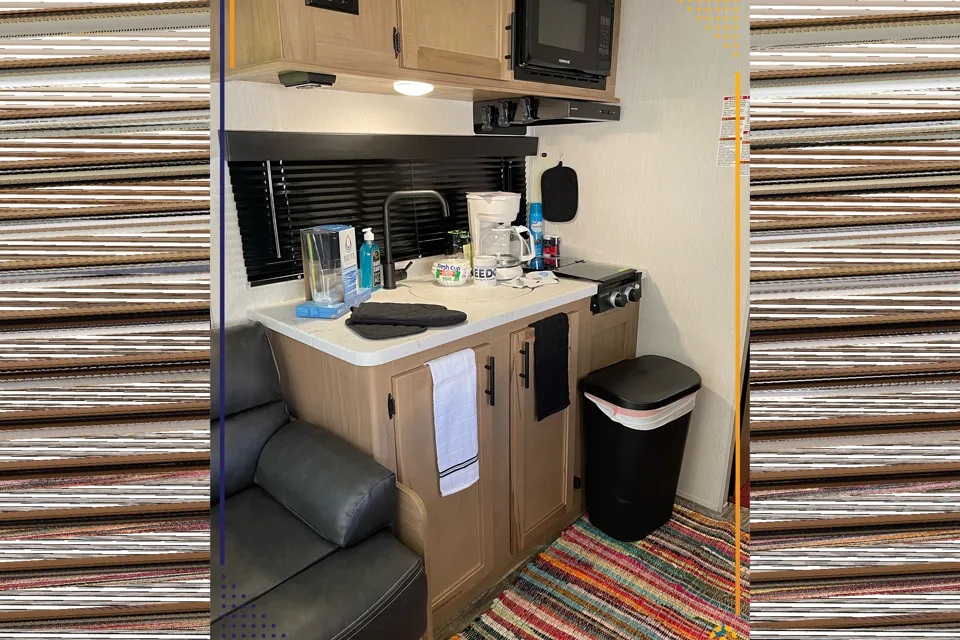
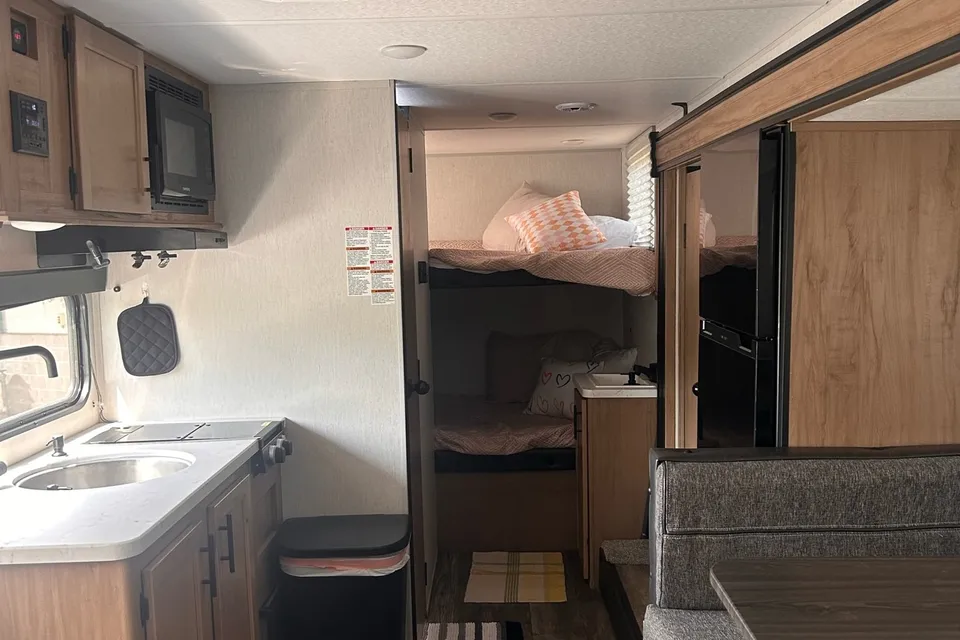
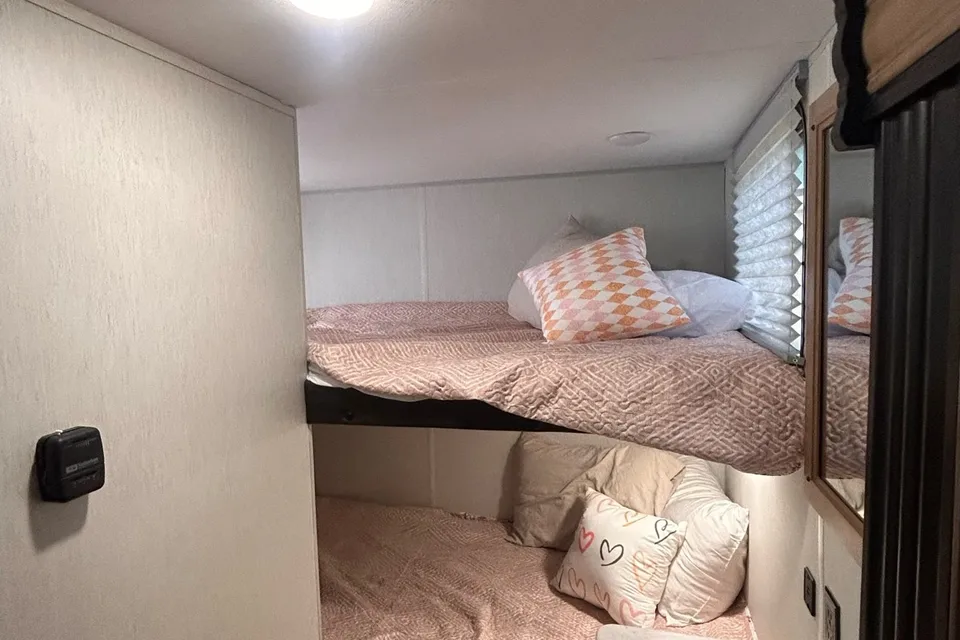
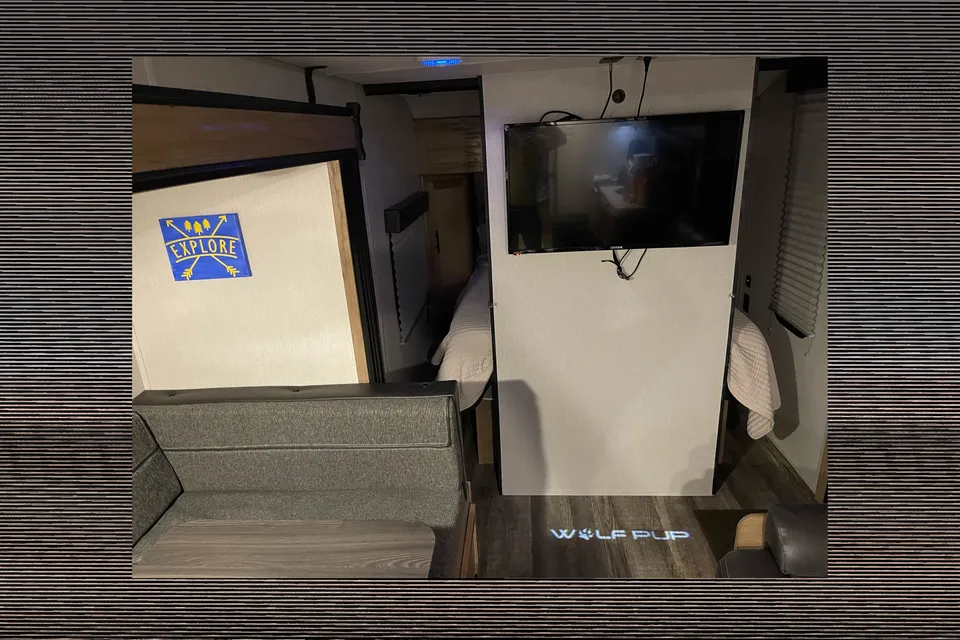
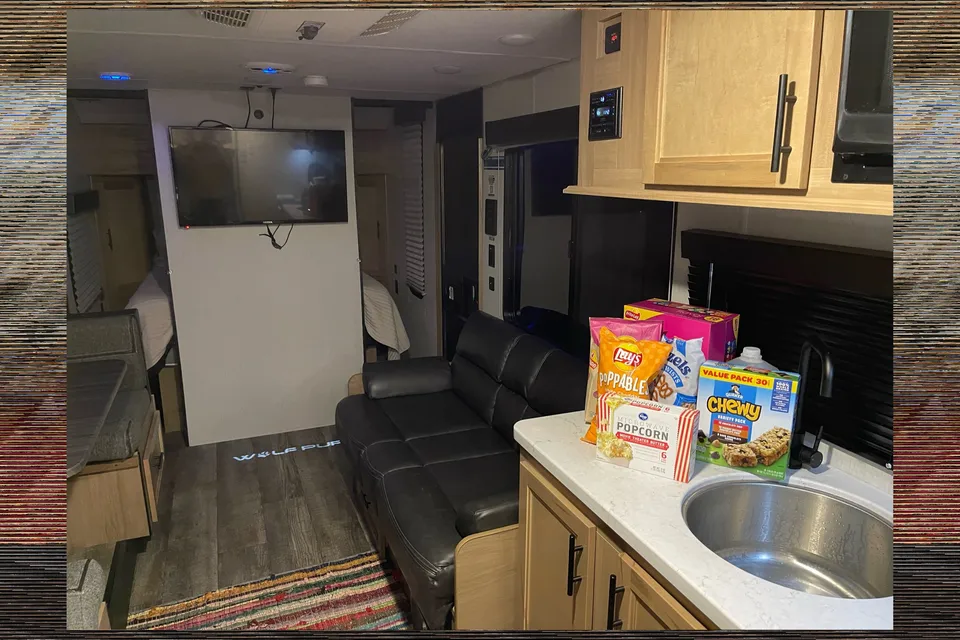
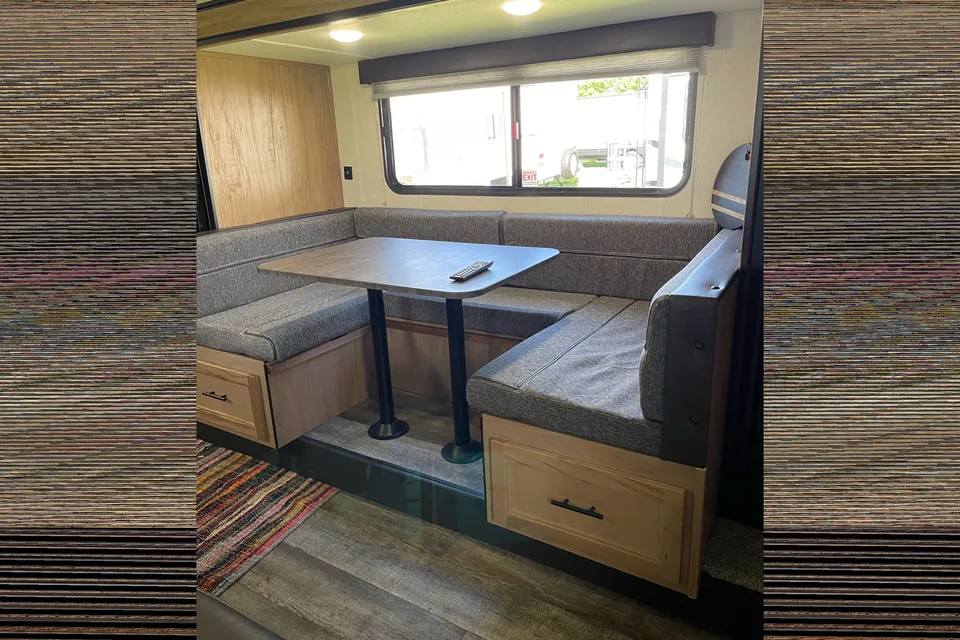
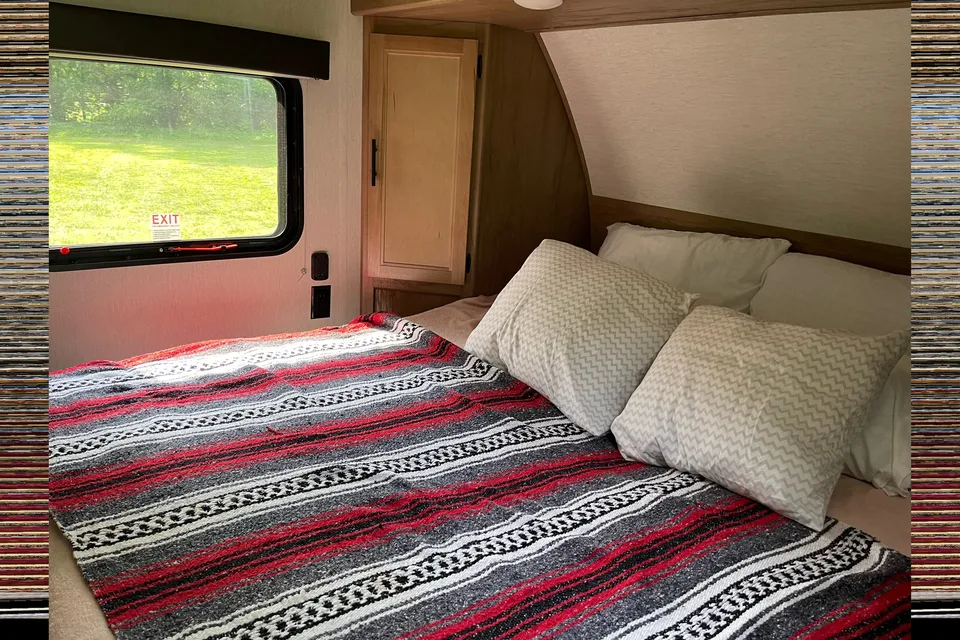
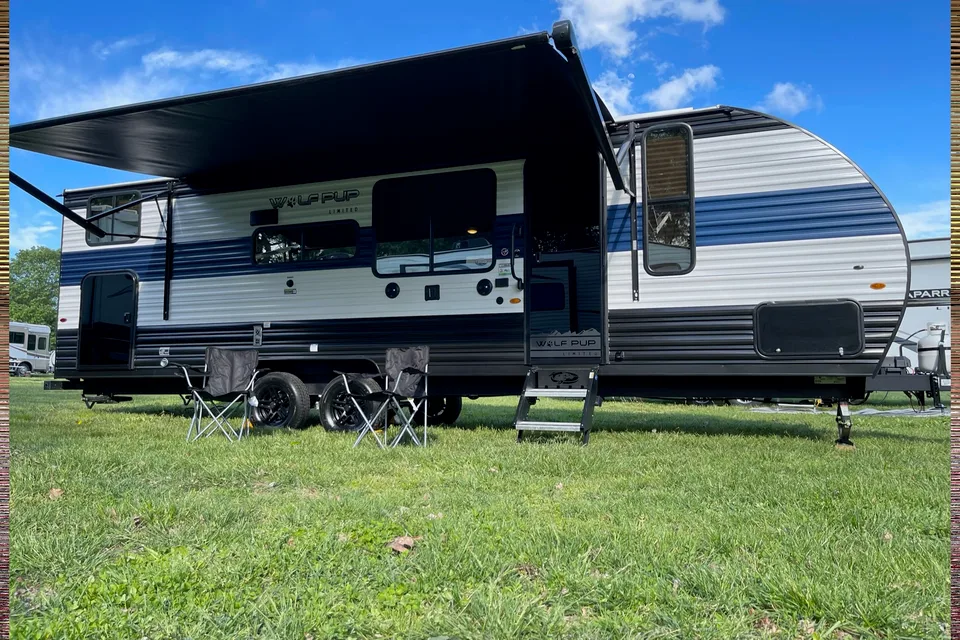
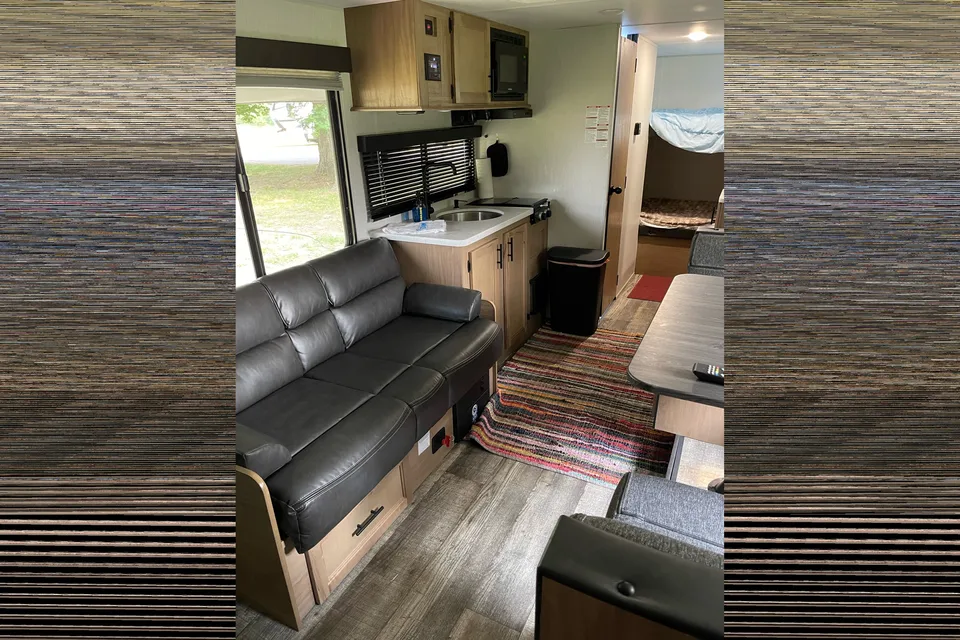
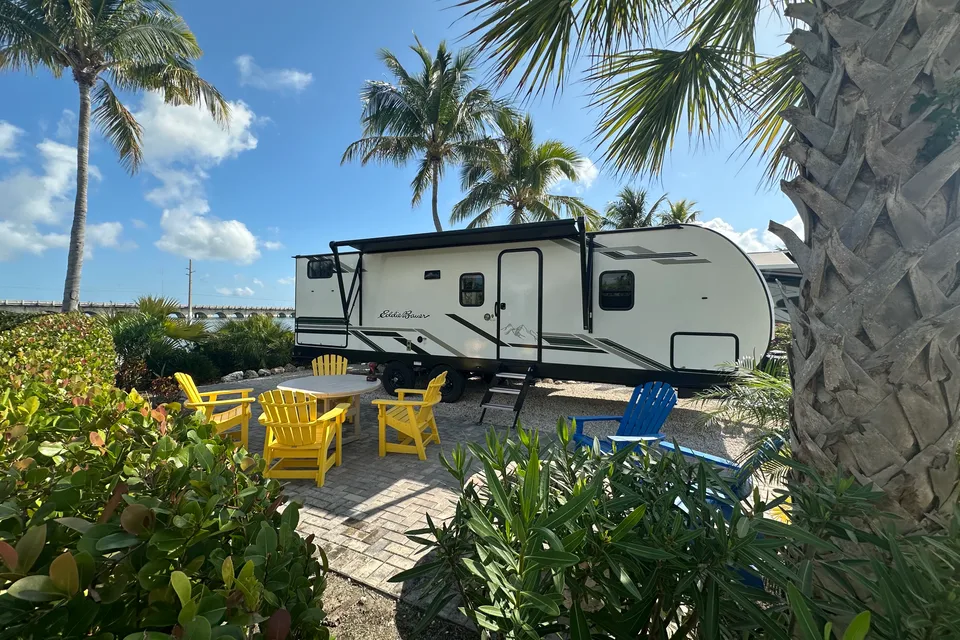
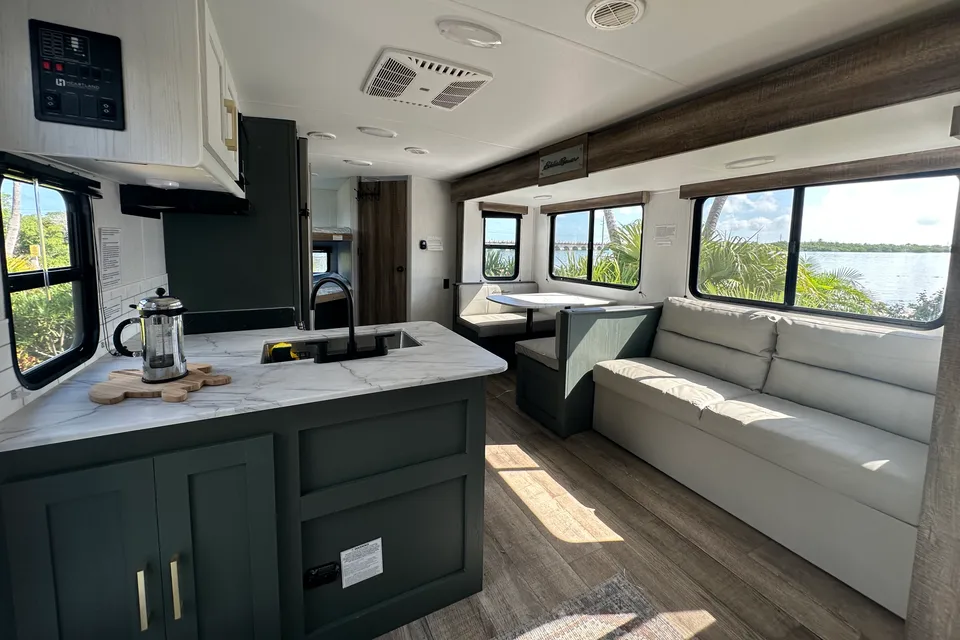
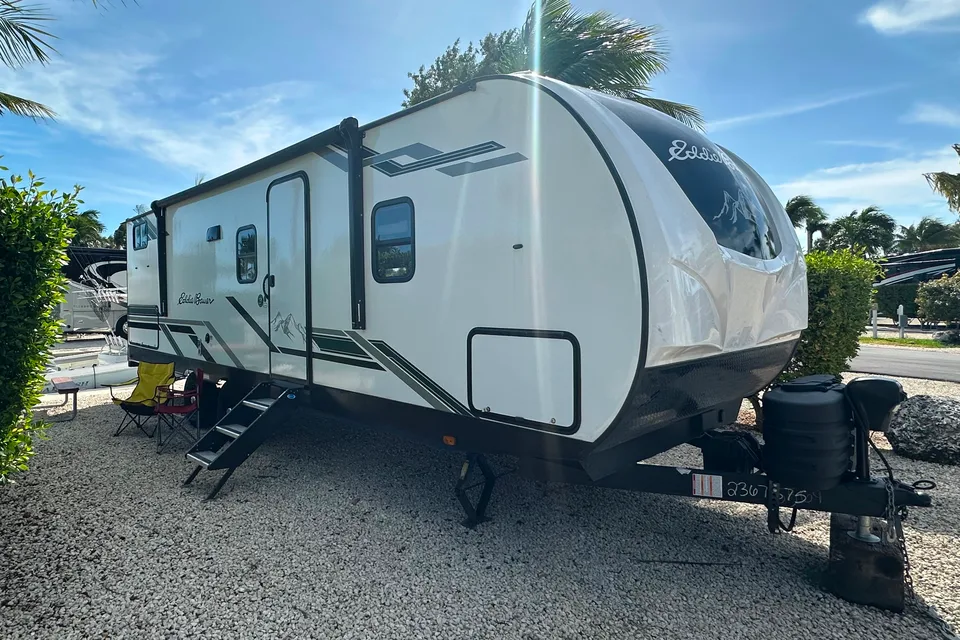
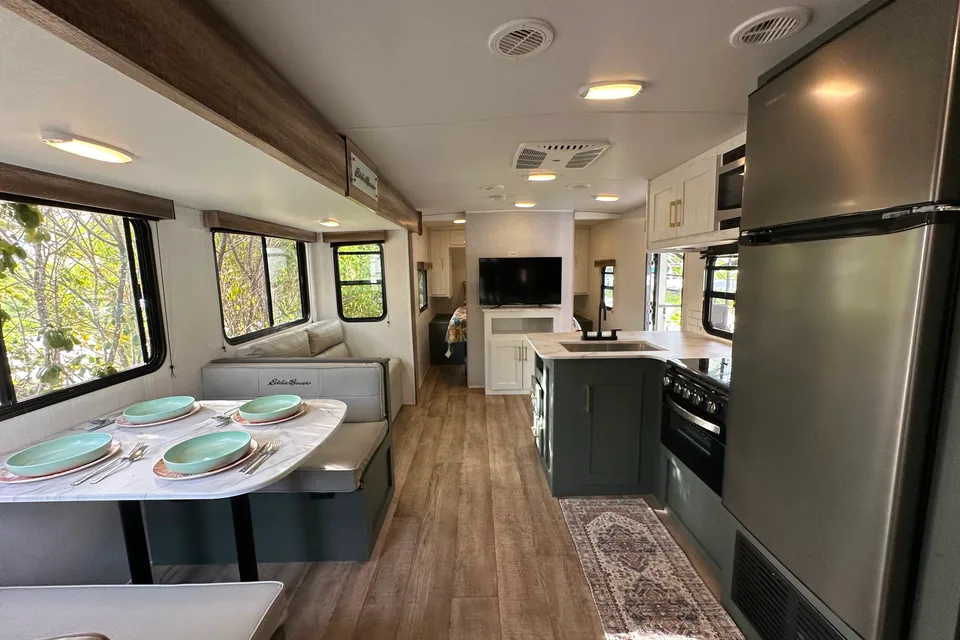
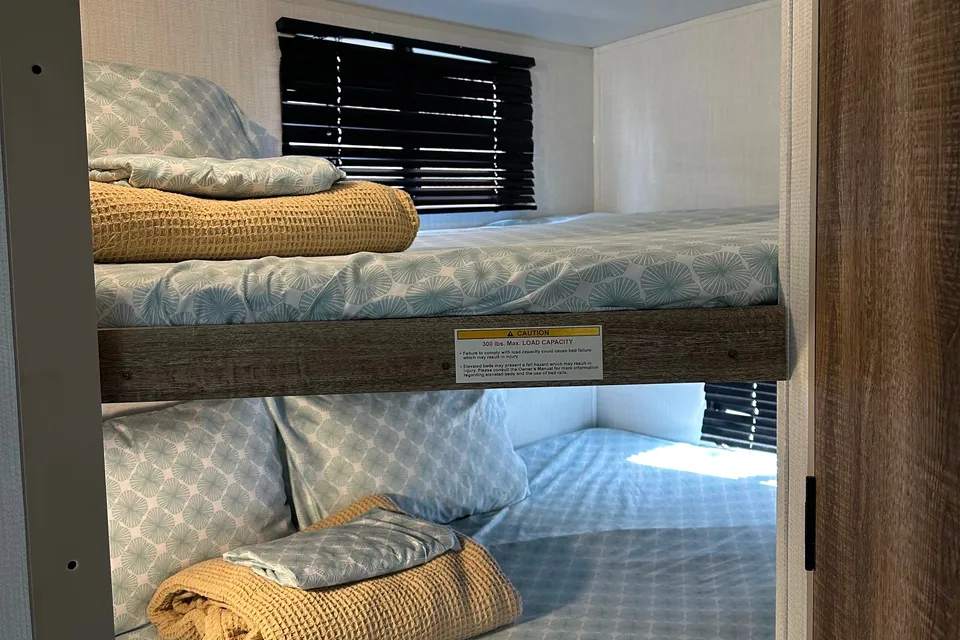
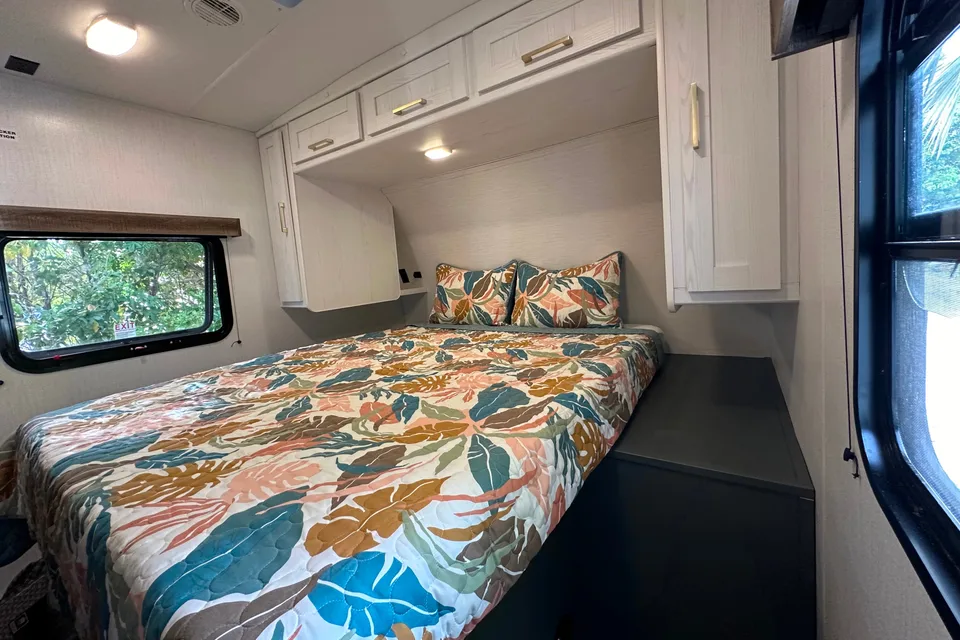
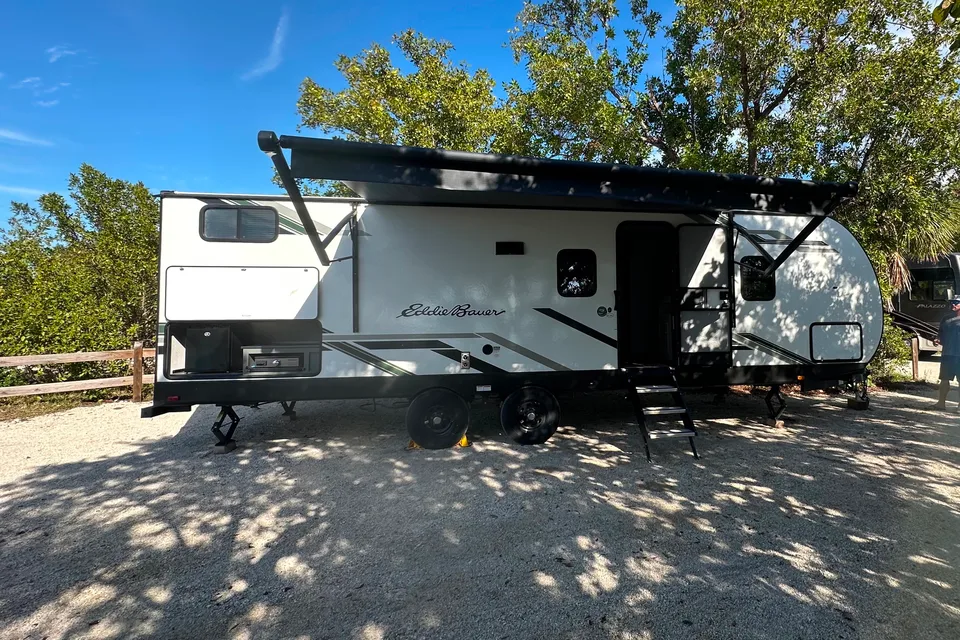
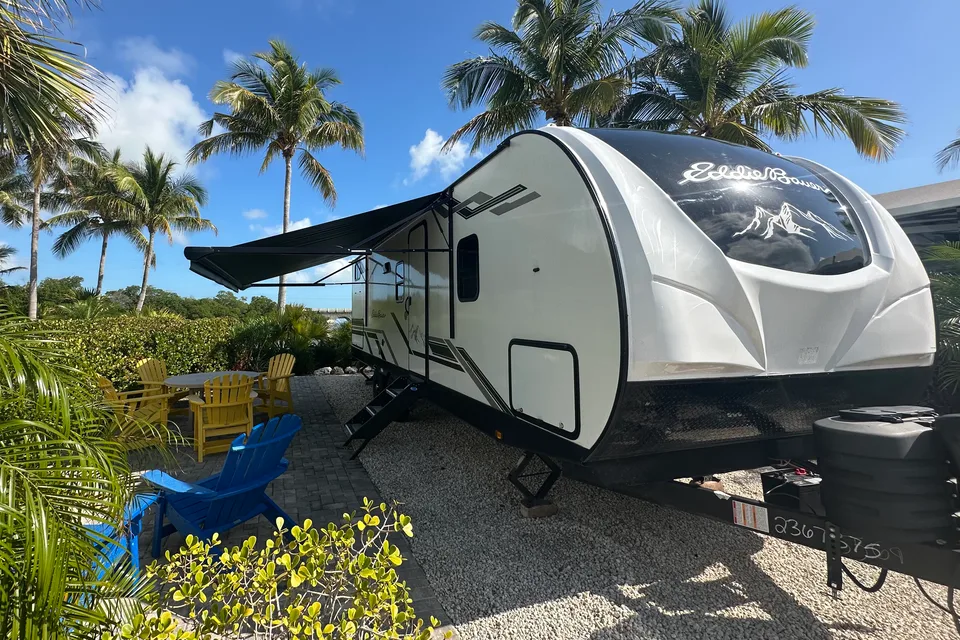
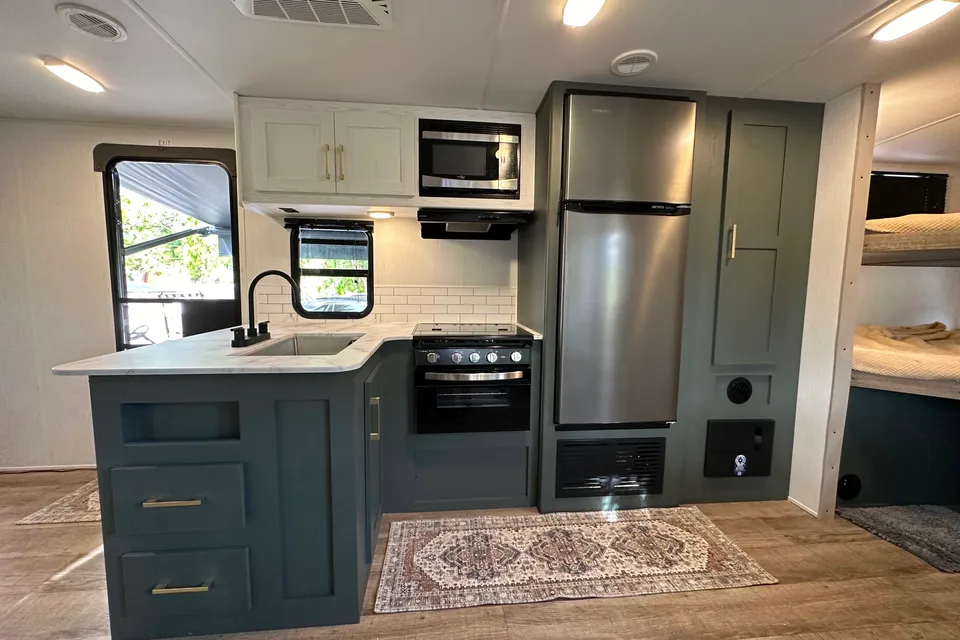
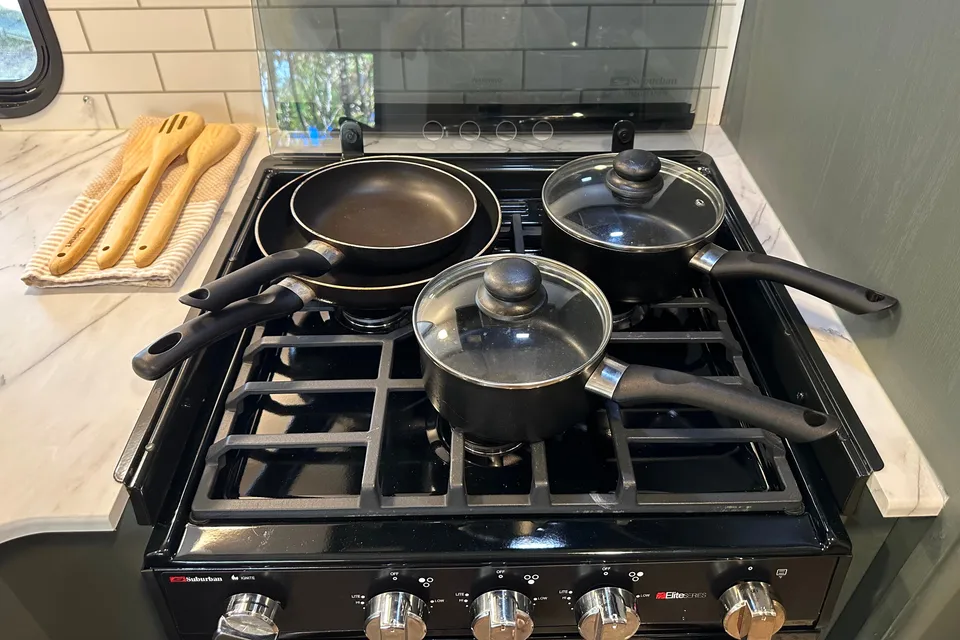
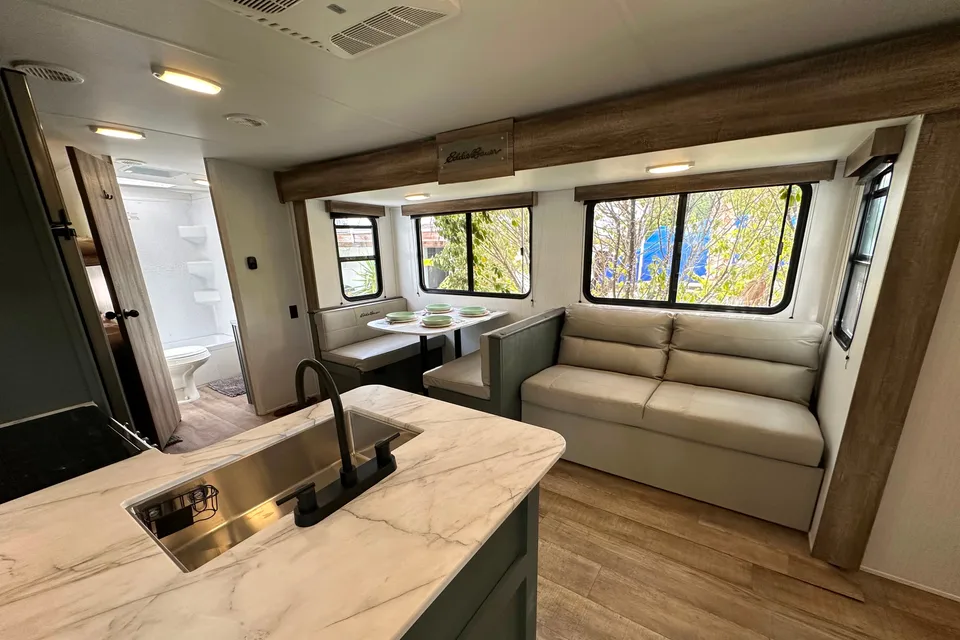
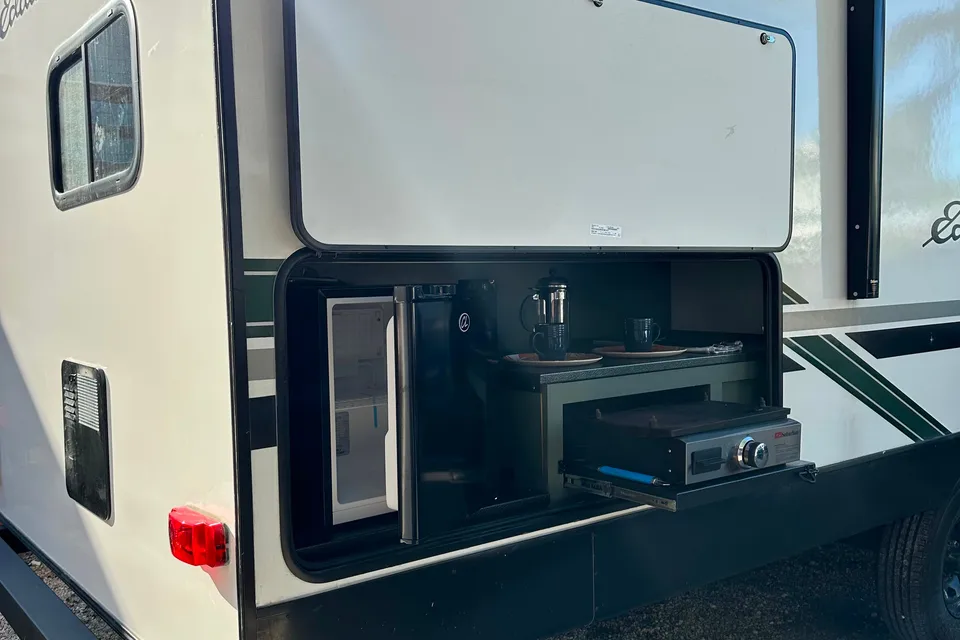
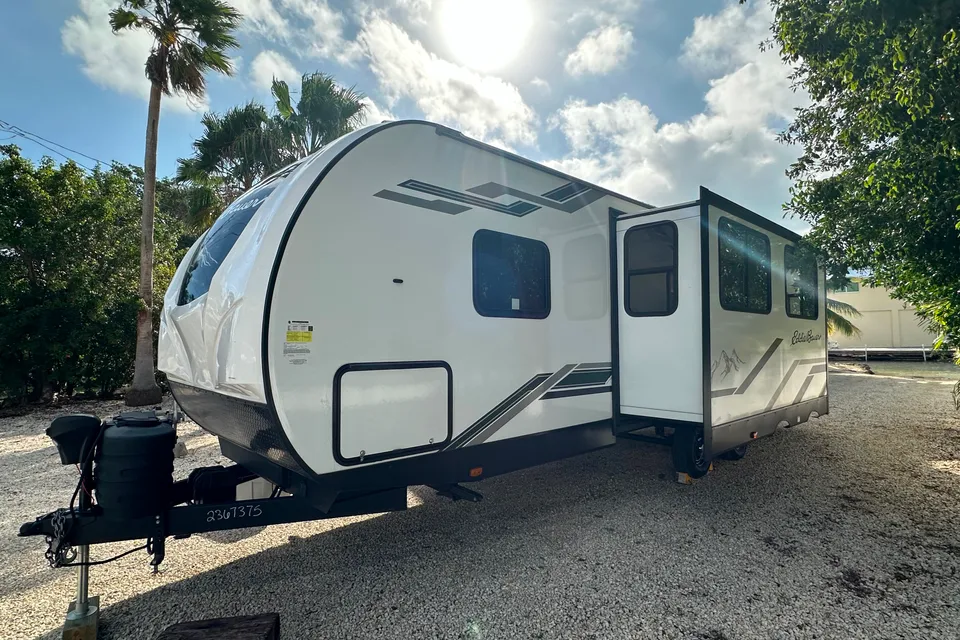

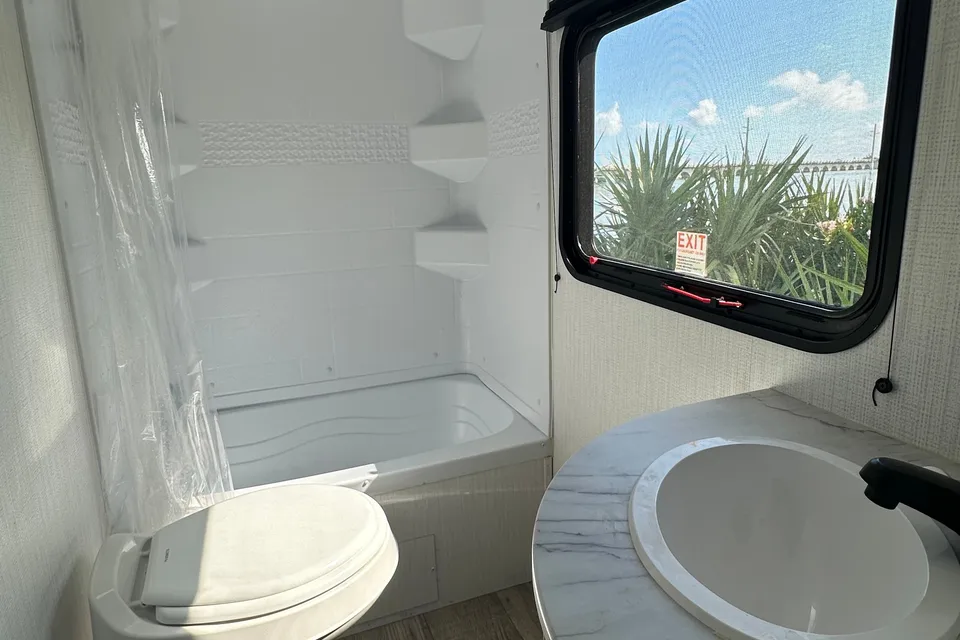
 Delivery only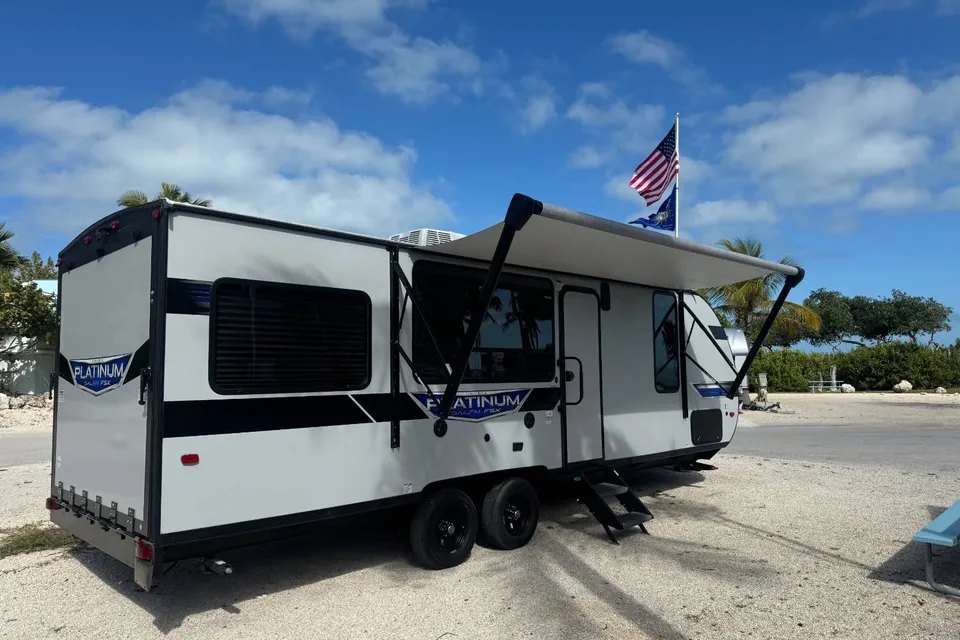
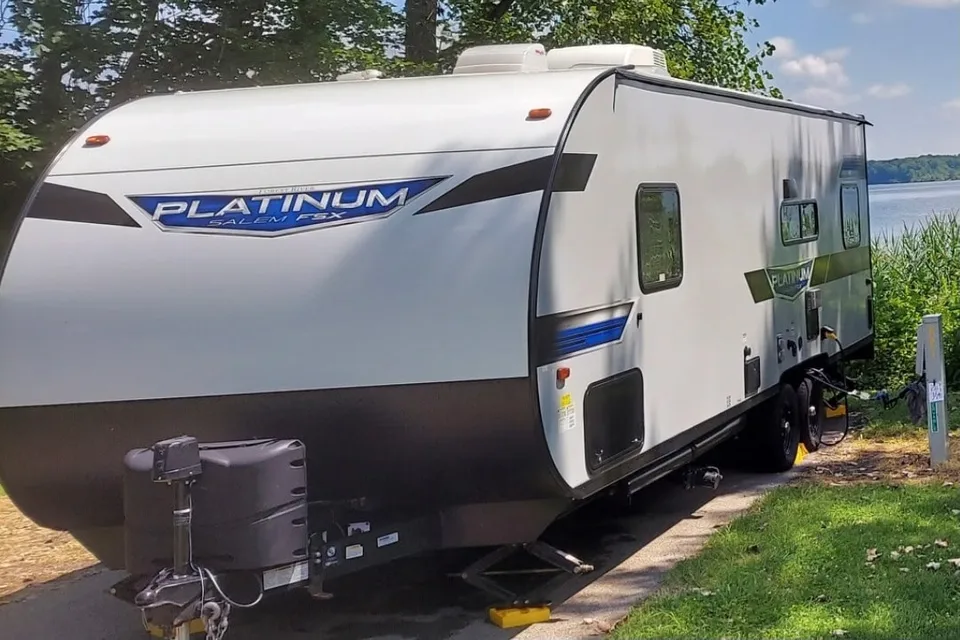
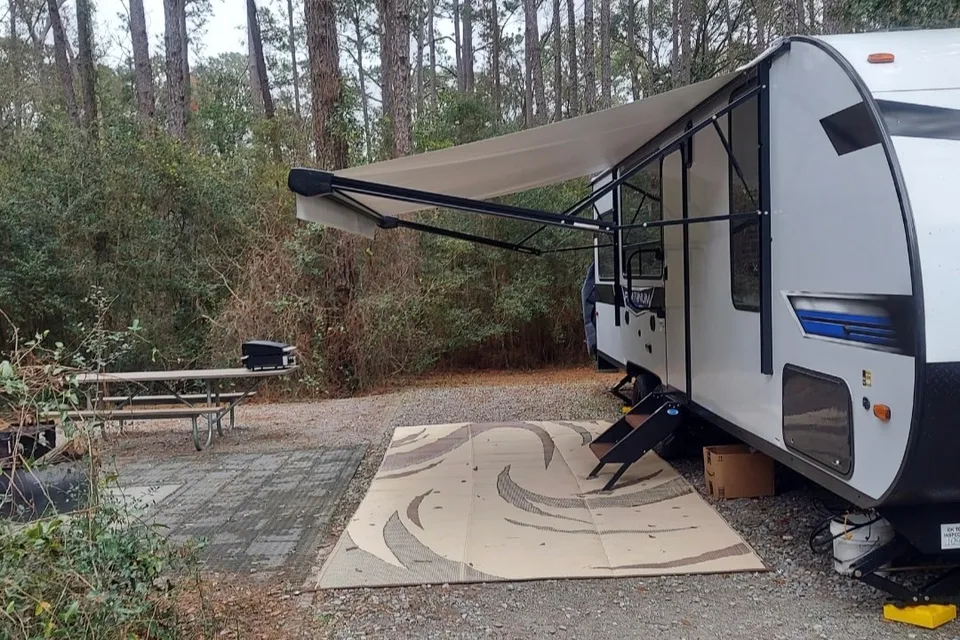
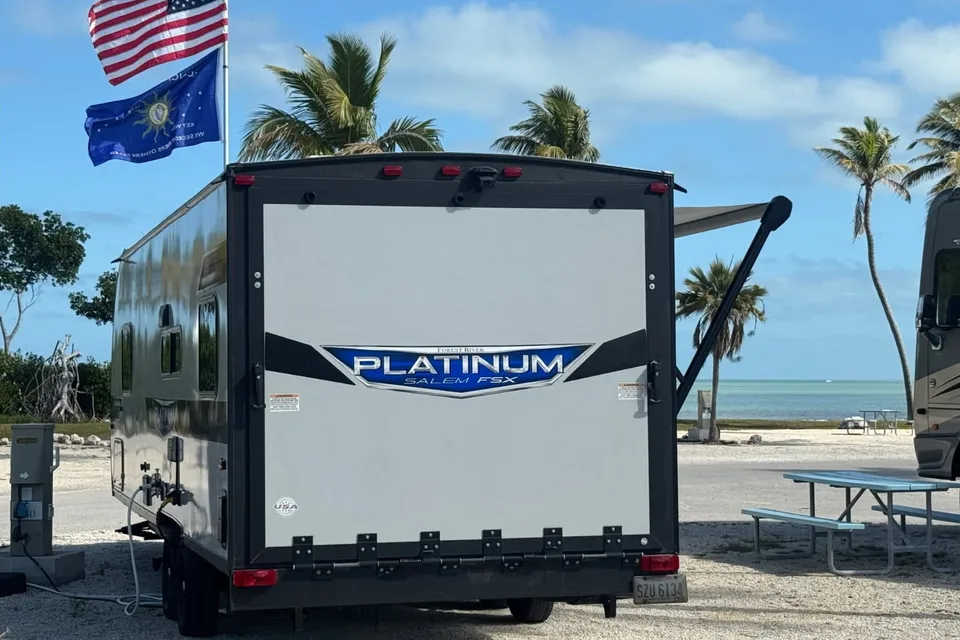
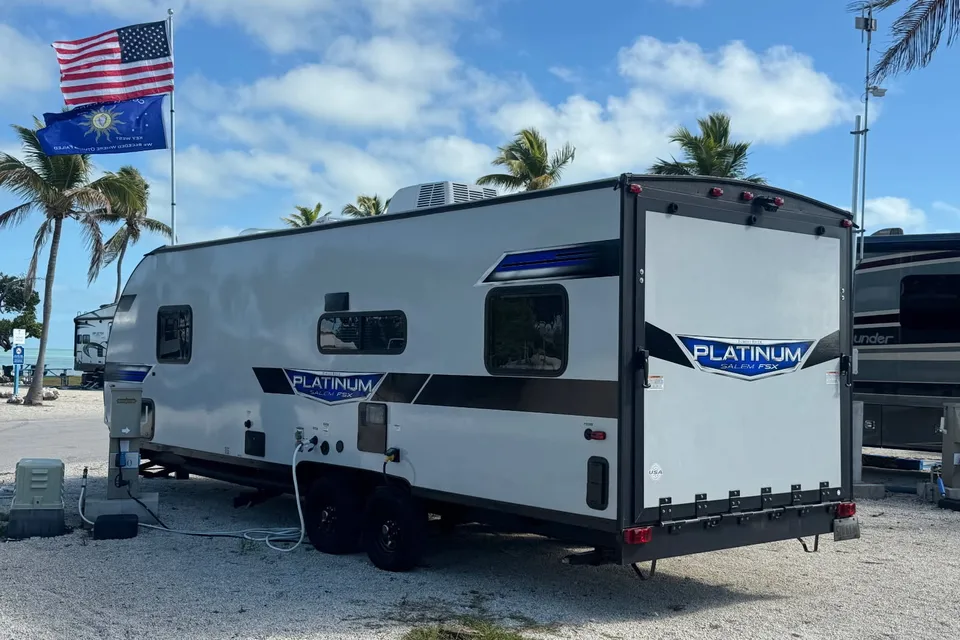
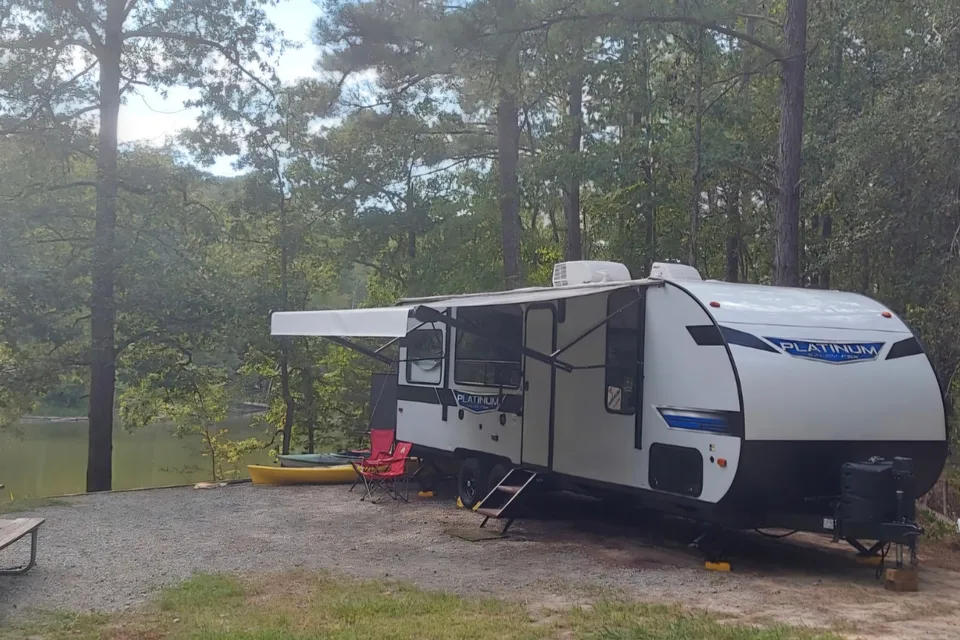
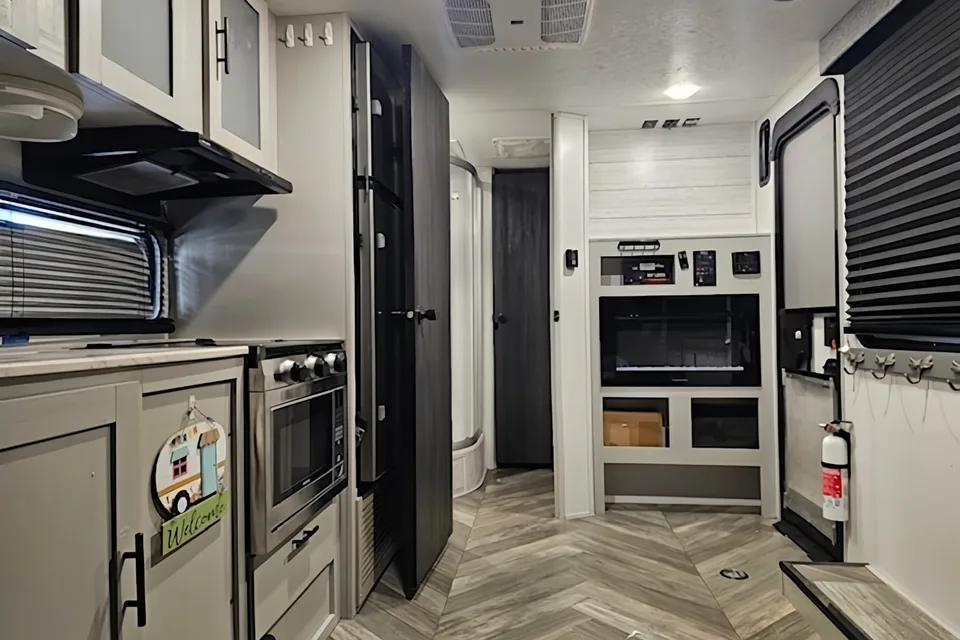
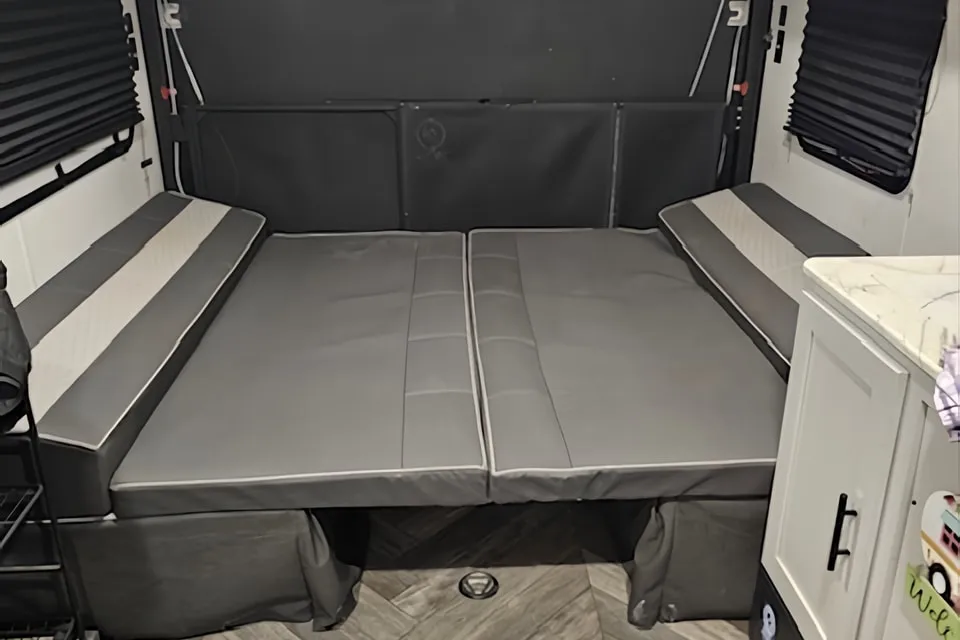
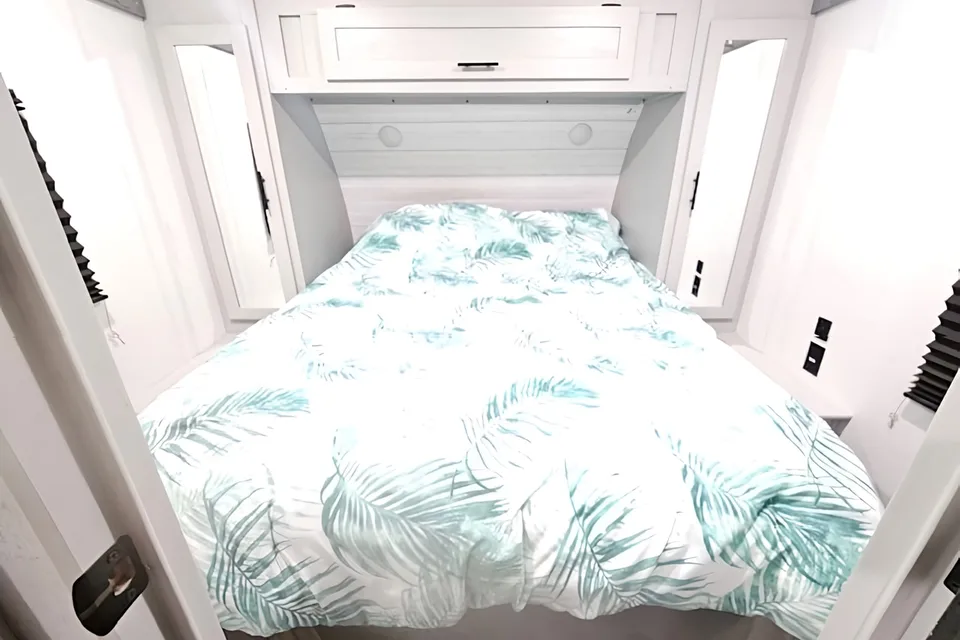
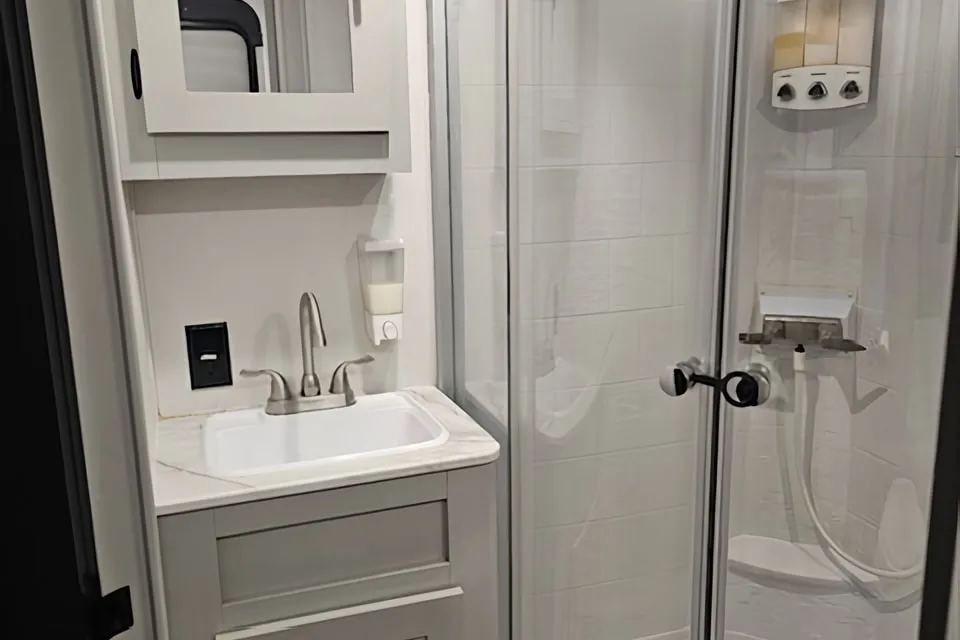
 Superhost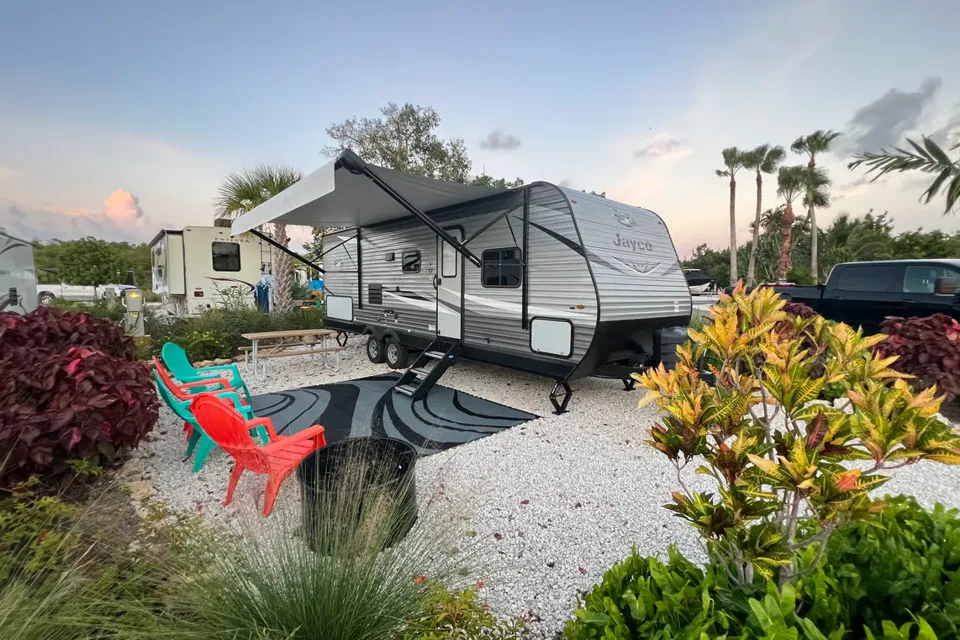
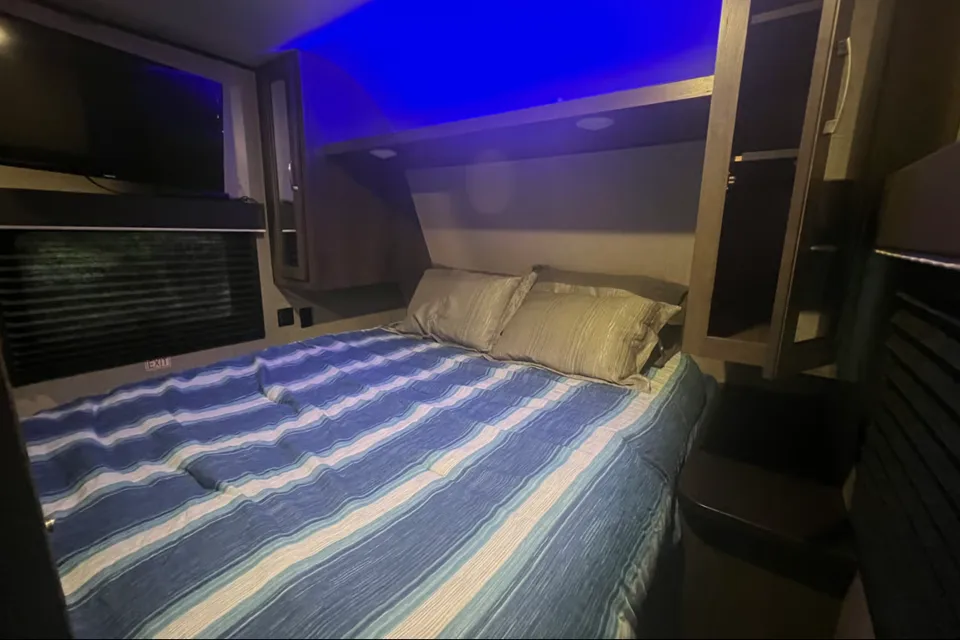
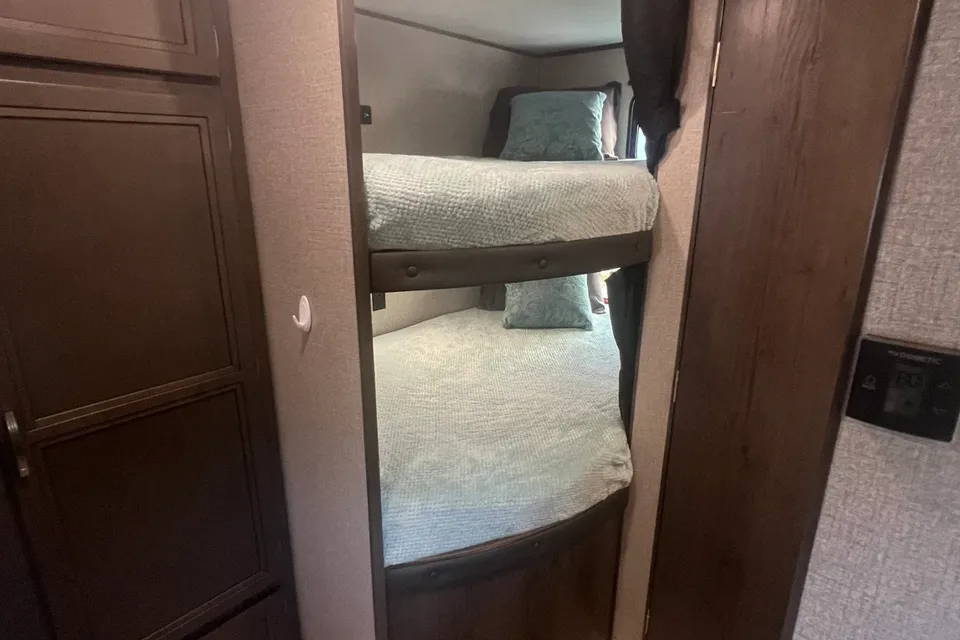
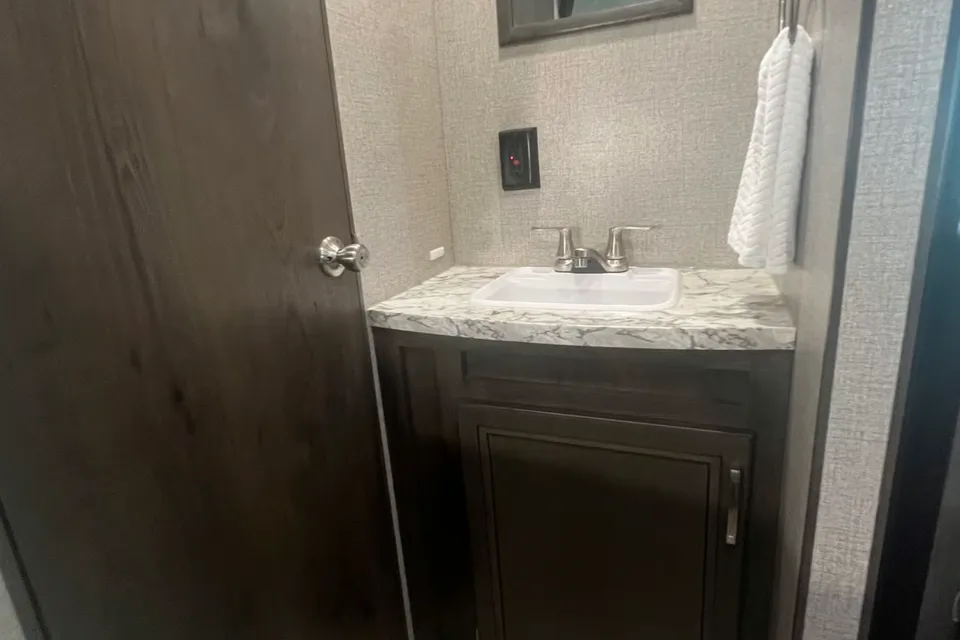
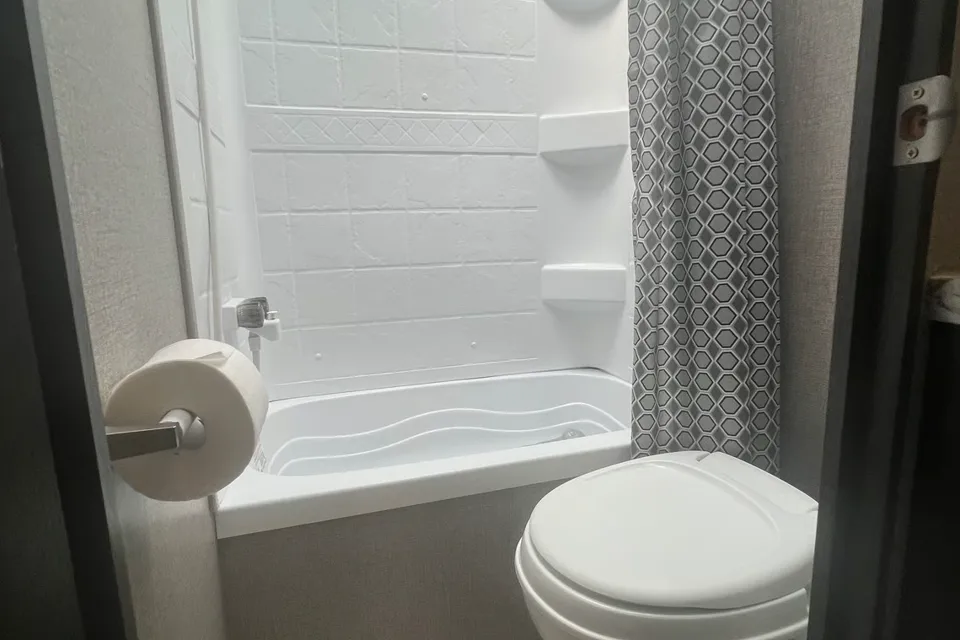
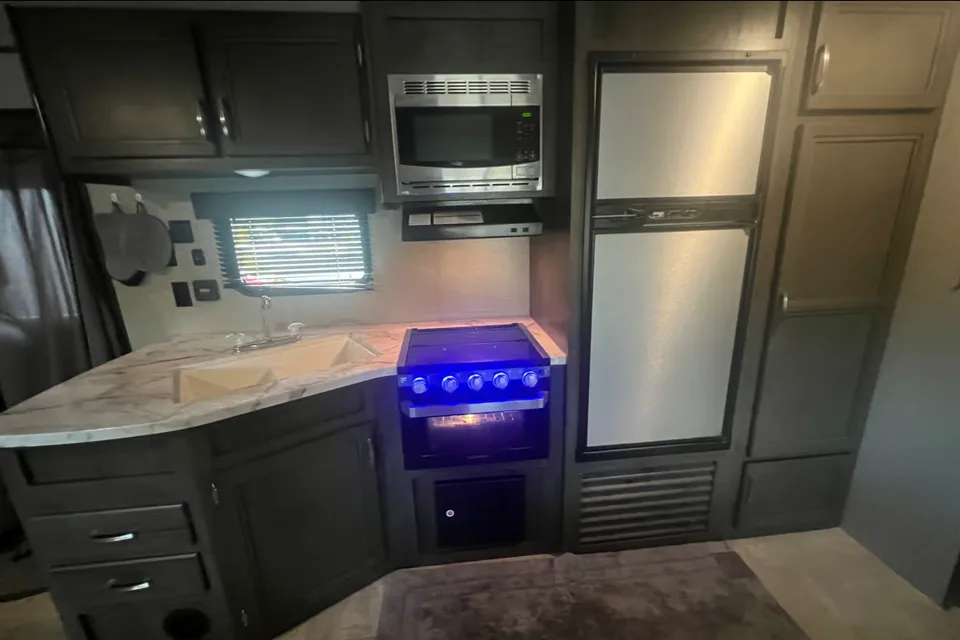
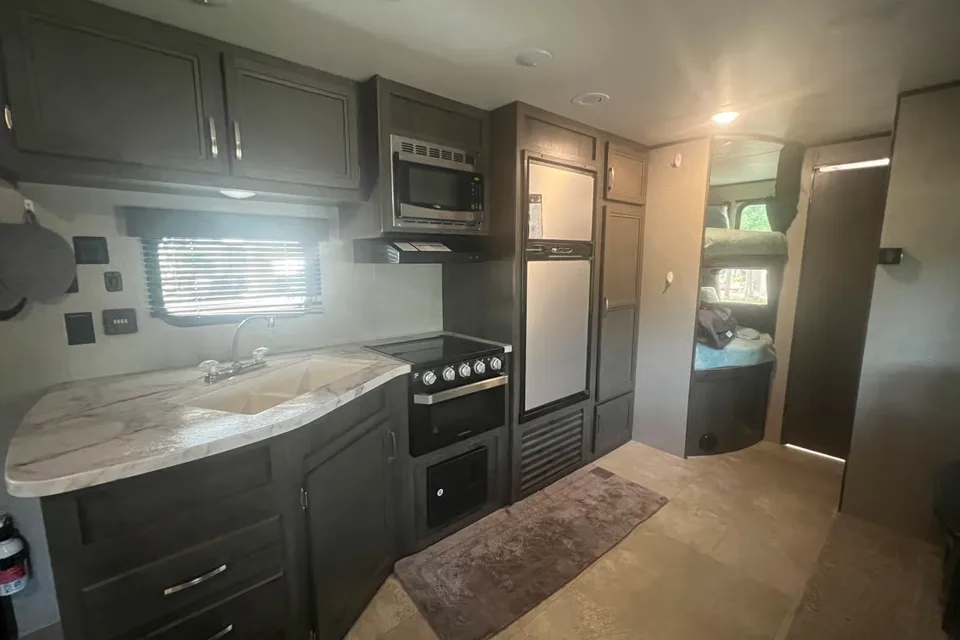
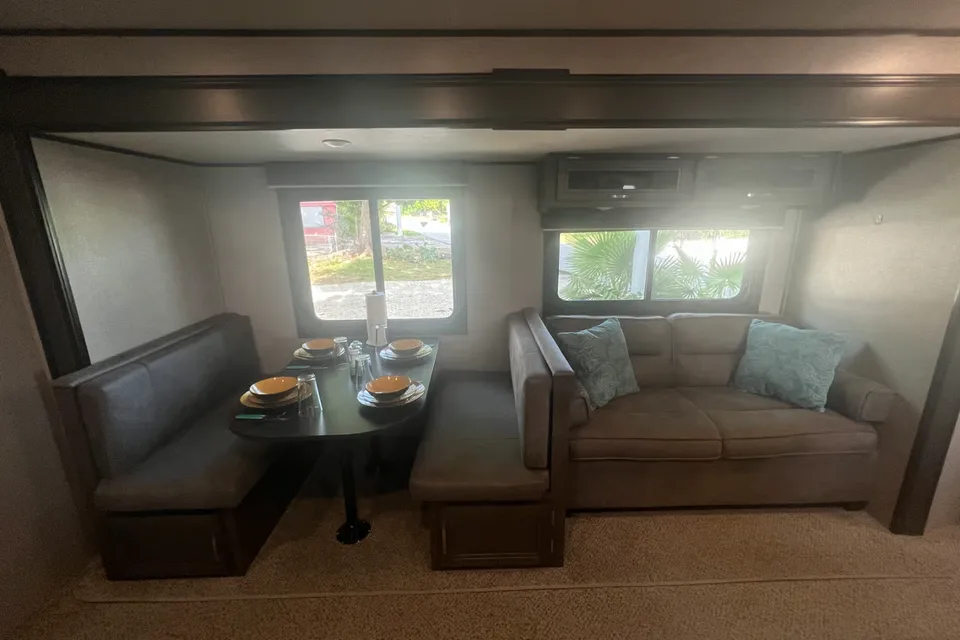
 Superhost
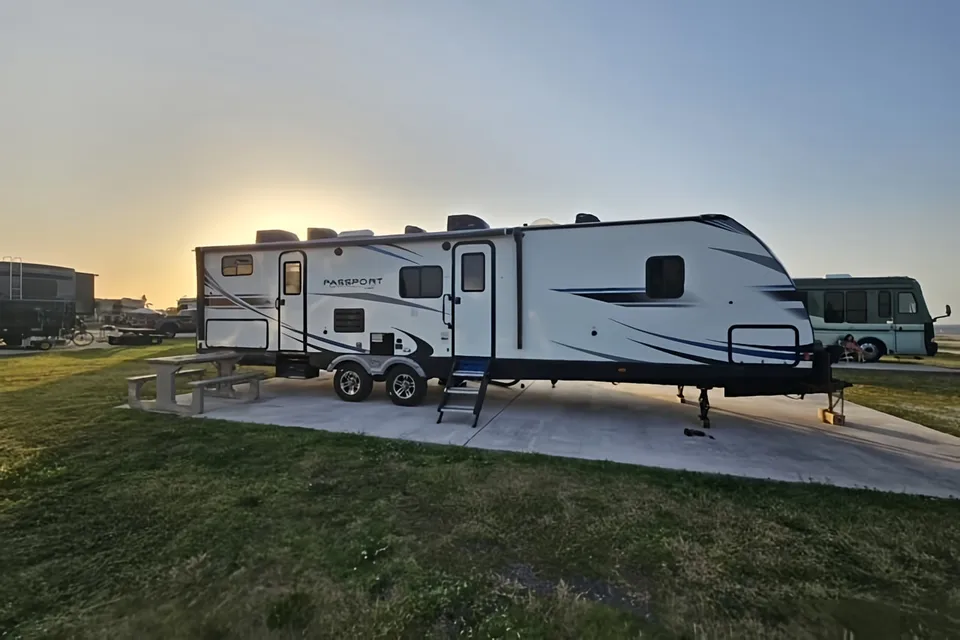
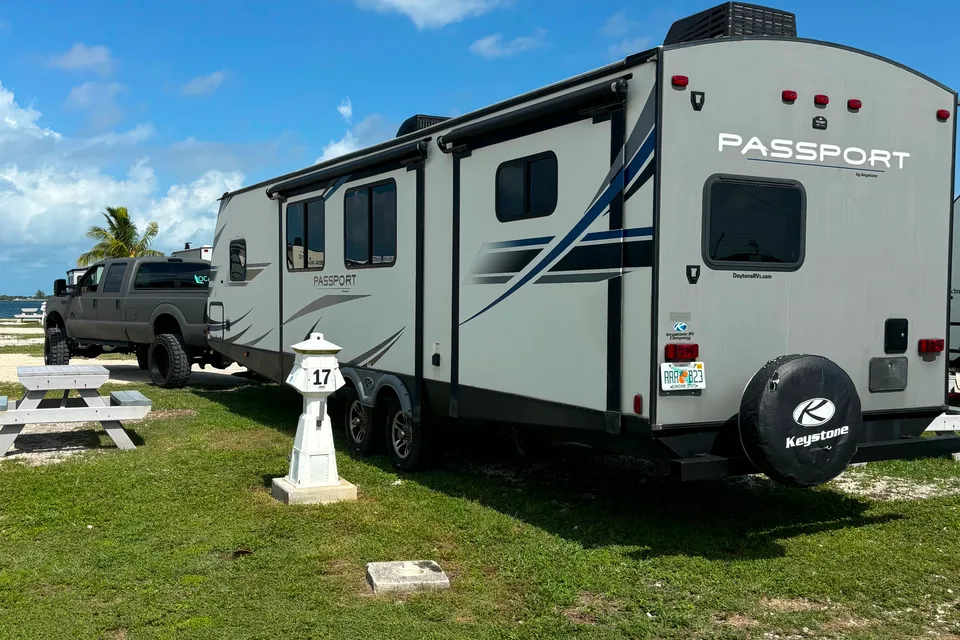
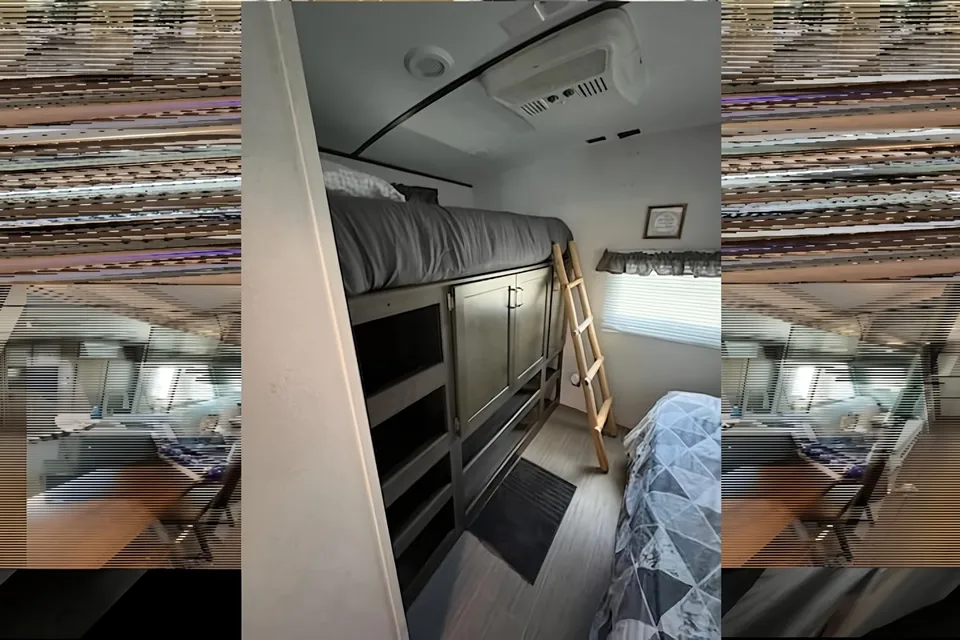
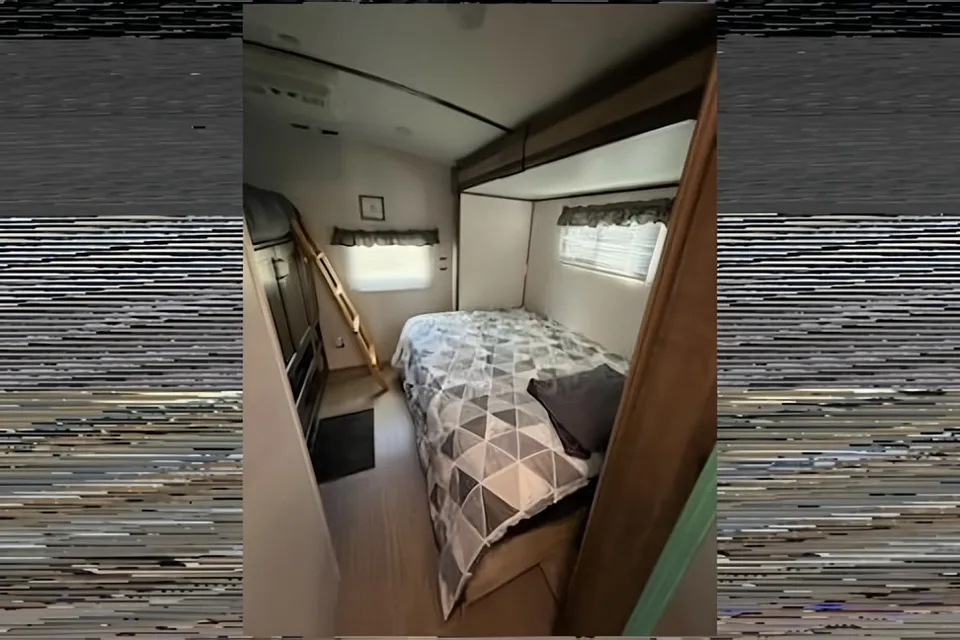
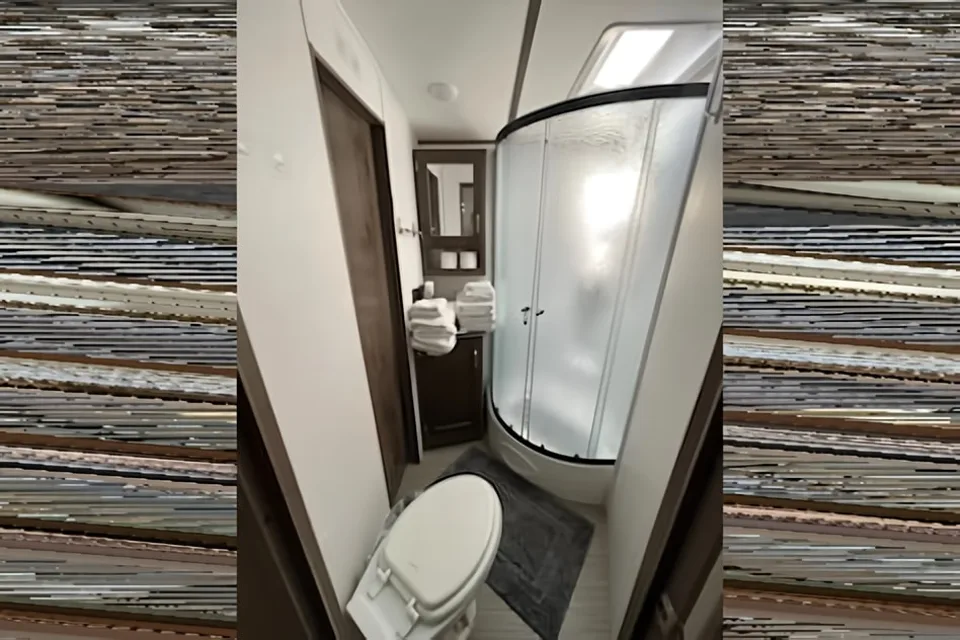
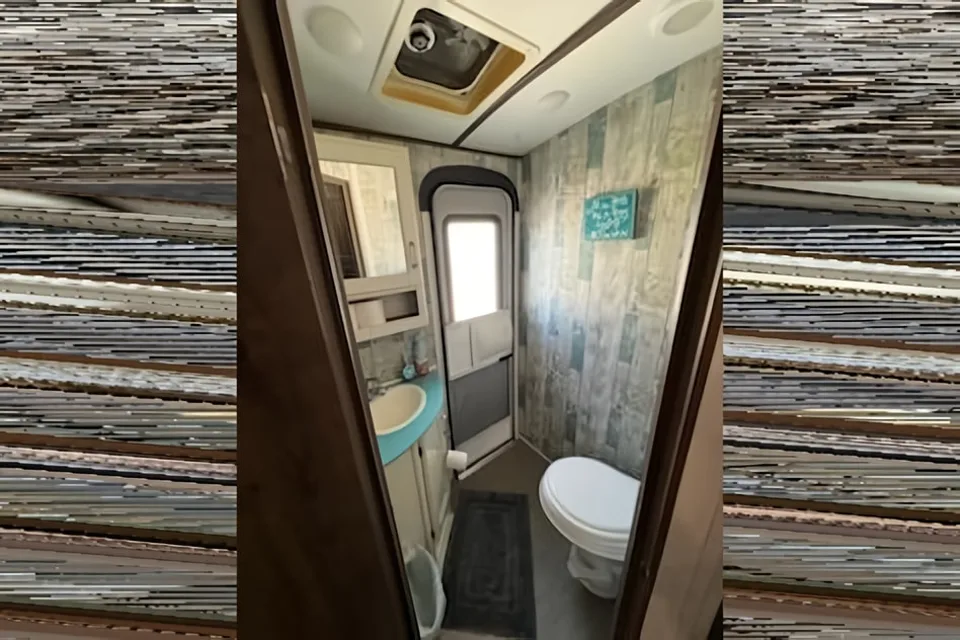
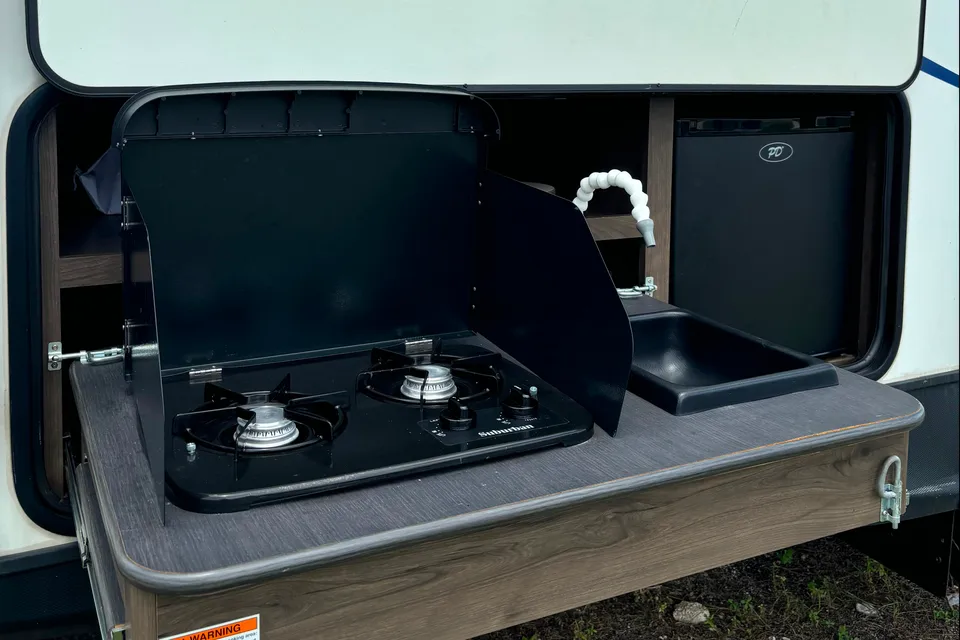
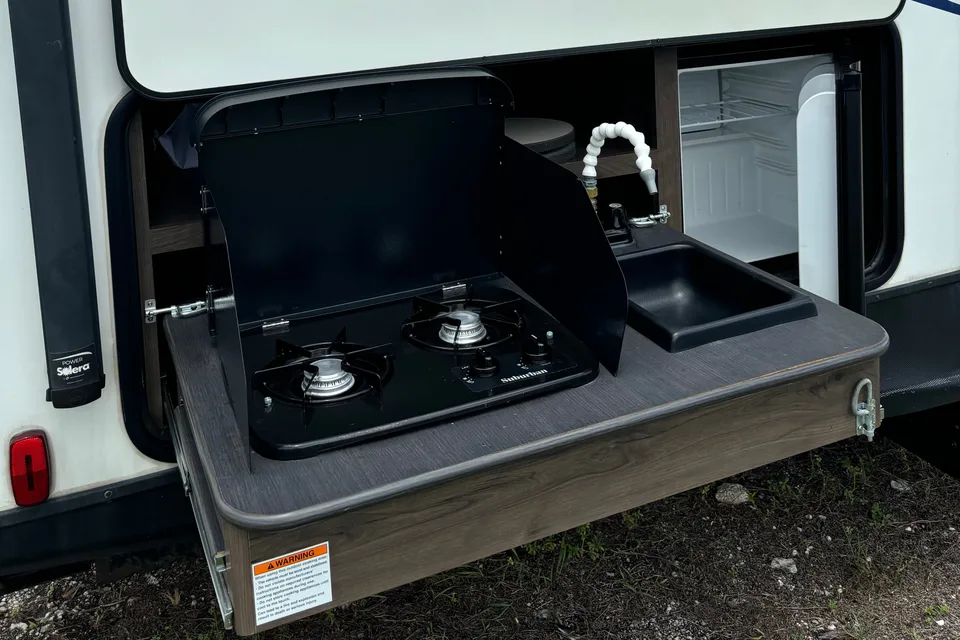
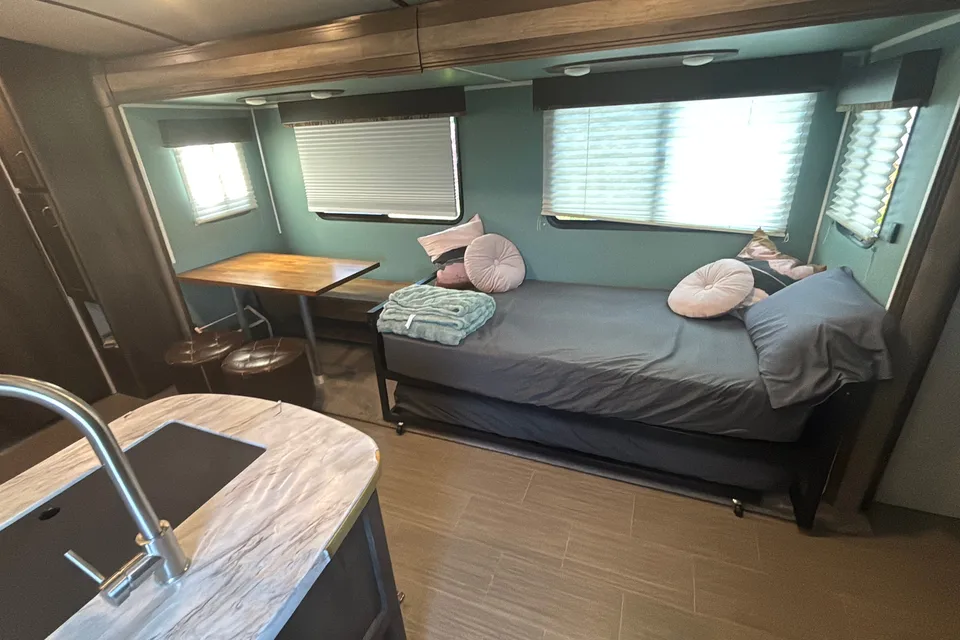
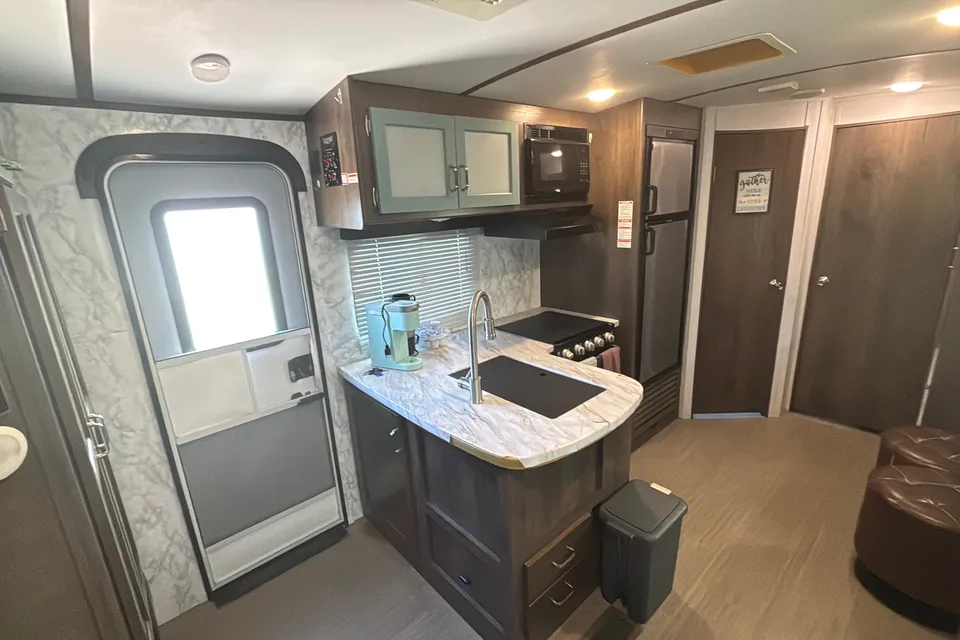 Superhost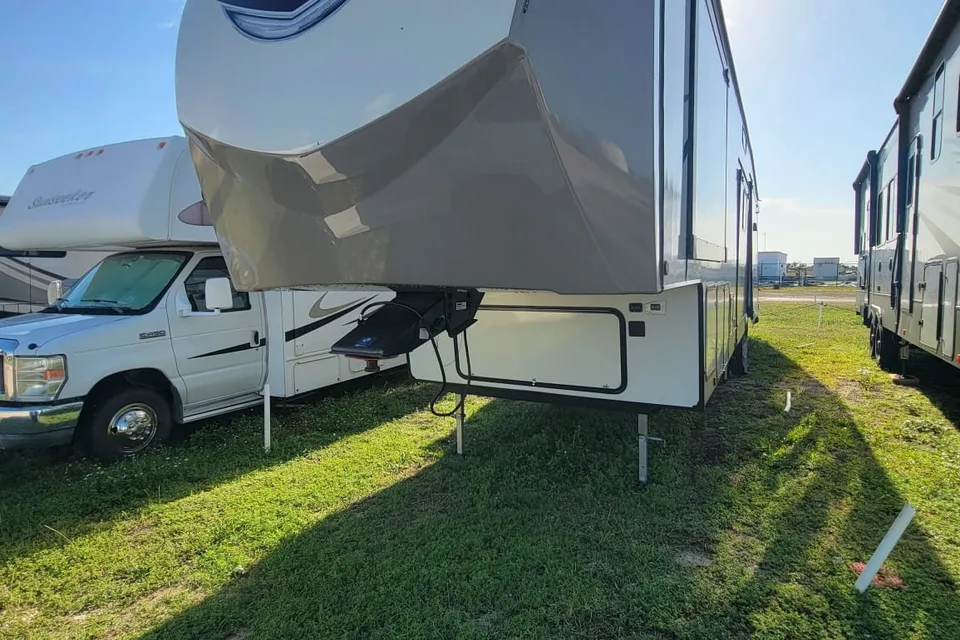
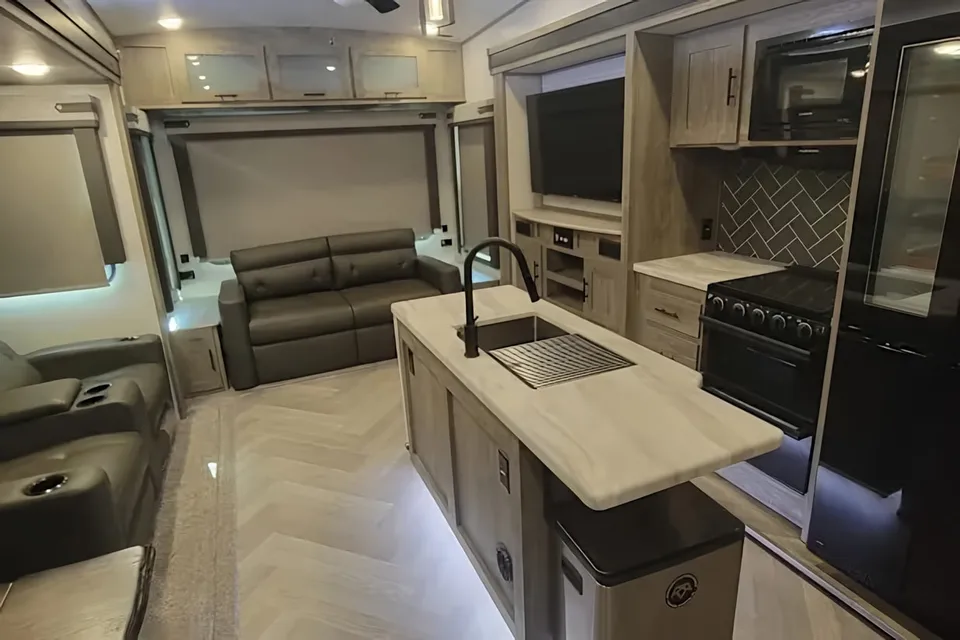
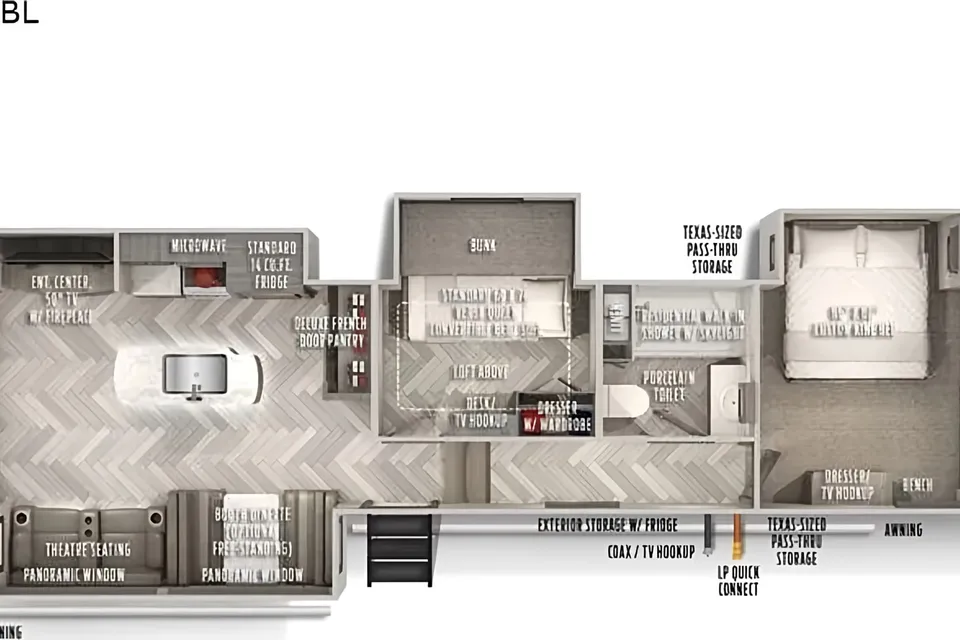
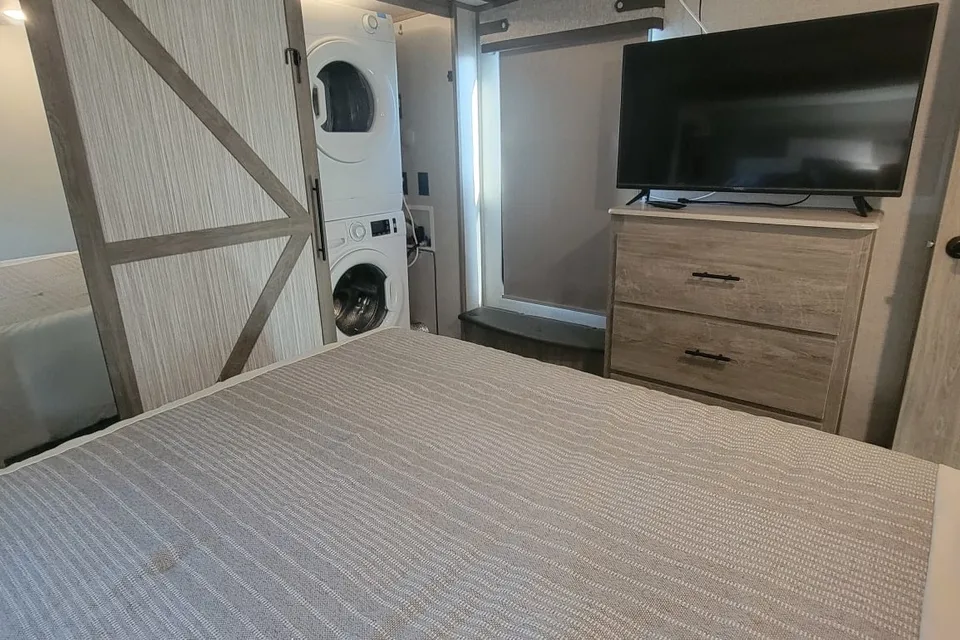
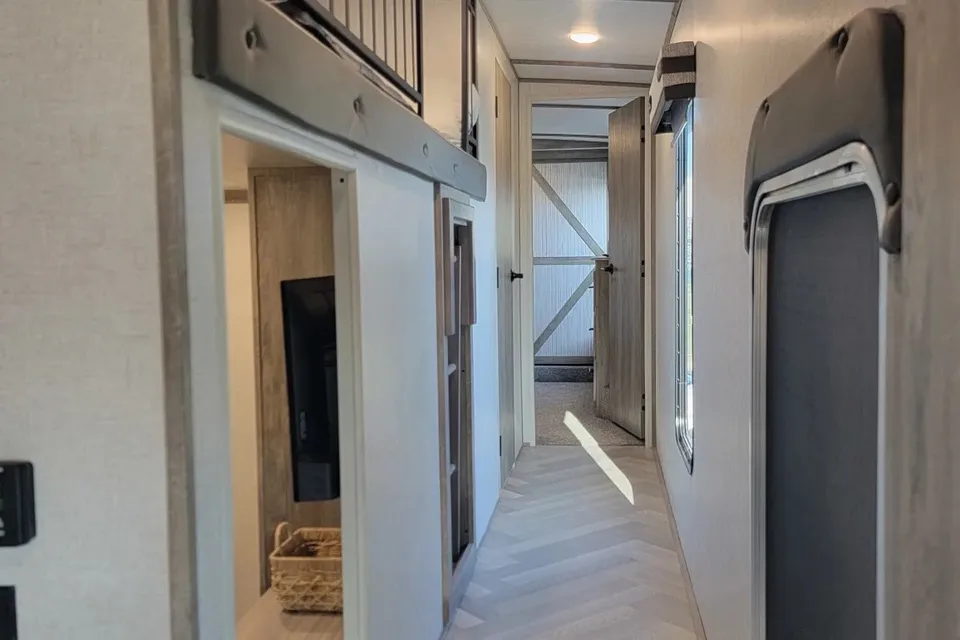
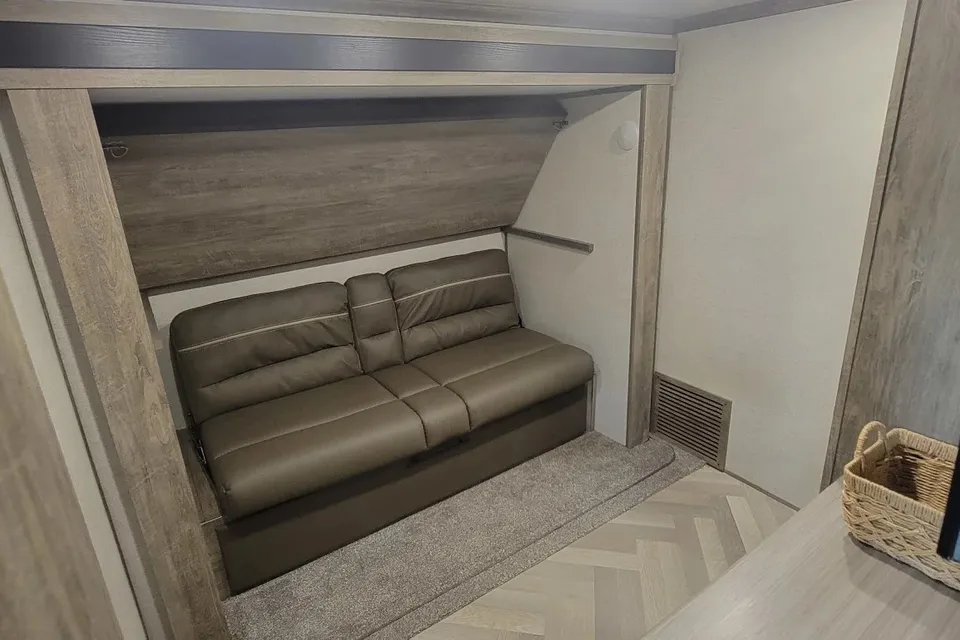

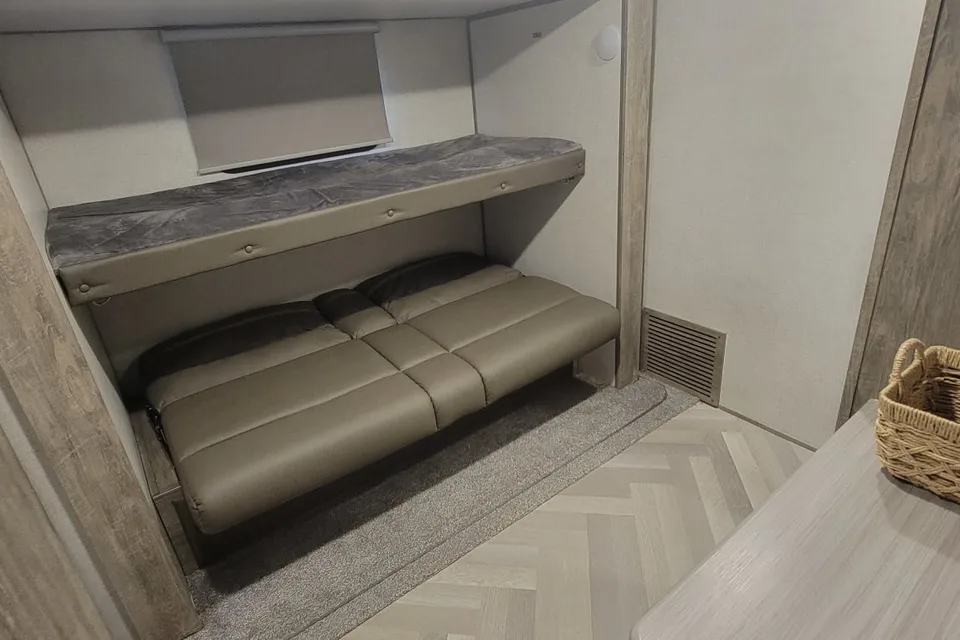
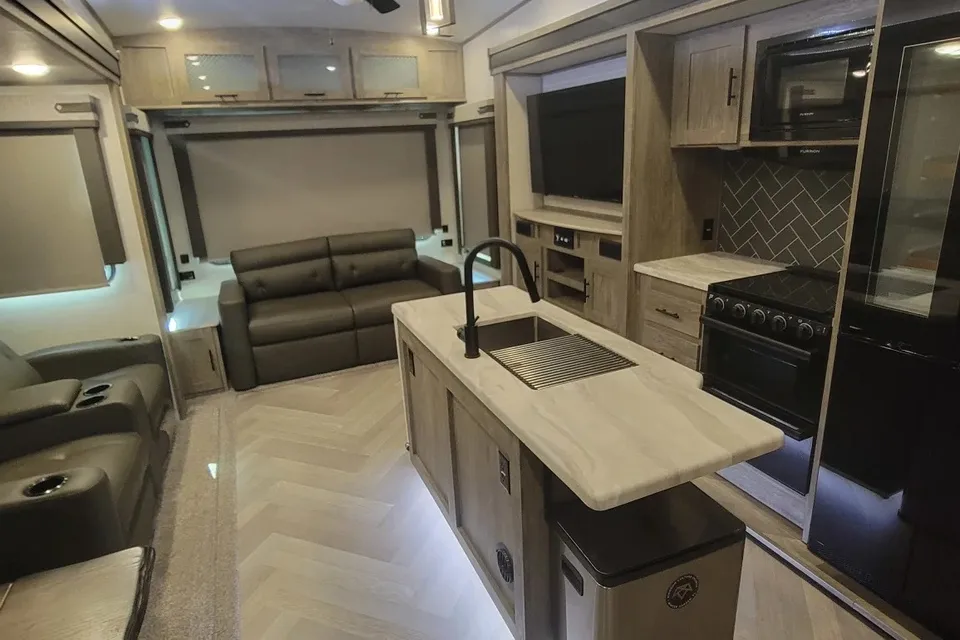
 Superhost
Best time to visit Dry Tortugas National Park
The drier, cooler months from late November through April offer the most comfortable conditions for visiting the park and the calmest typical seas for the ferry crossing. Summer brings hot, humid weather with average temperatures in the low to mid 90s and little breeze, while late October and November can bring cold fronts that stir up the ocean. Hurricane season runs June through November and can disrupt ferry and seaplane service. Shoulder seasons in spring and fall often balance warm water for snorkeling with fewer crowds in nearby Keys campgrounds.
Cool, dry season; generally good conditions for the crossing.
Bush Key closed to visitors for bird nesting from February through September.
Popular spring visiting window; book ferry early. Bush Key closed for bird nesting.
Warm, dry, and typically calm seas. Bush Key closed for bird nesting.
Warming quickly; afternoon showers begin. Bush Key closed for bird nesting.
Start of Atlantic hurricane season; monitor forecasts. Bush Key closed for bird nesting.
Hot and humid with little breeze; hurricane season active. Bush Key closed for bird nesting.
Peak heat and storm risk. Bush Key closed for bird nesting.
Highest hurricane risk; ferry and seaplane service may be disrupted. Bush Key closed for bird nesting.
Cold fronts can start stirring up seas late in the month.
Cooler and drier; seas can still be choppy behind fronts.
Start of peak visiting season; reservations fill quickly.
Things to do at Dry Tortugas National Park
- Tour Fort Jefferson Easy
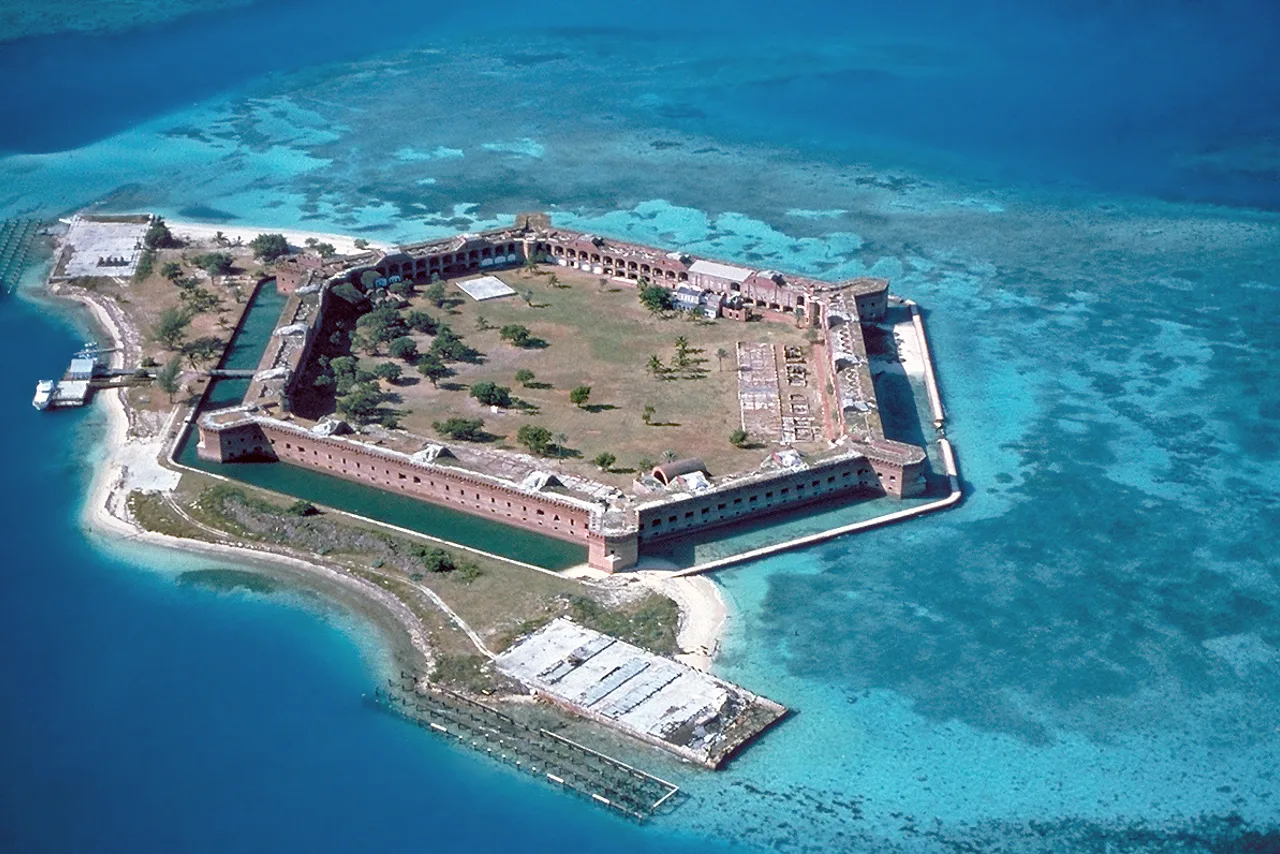
Fort Jefferson on Garden Key is the largest masonry fort in the western hemisphere and the centerpiece of any visit. Self-guided and ranger-led tours explore the 19th-century fortification, which encompasses roughly 10 acres. nps.gov/drto/index.htm
- Snorkel the Garden Key Reefs Easy
Snorkeling directly off the beach at Garden Key offers access to coral heads, seagrass beds, and abundant marine life in shallow, clear water. It is one of the most popular activities for day visitors arriving by ferry or seaplane. nps.gov/drto/index.htm
- Explore the Windjammer Wreck Moderate
The Windjammer Site off Loggerhead Key is the submerged remains of the Norwegian iron ship Avanti, which sank in 1907 and was rediscovered in 1971. The wreck lies in about 18 to 21 feet of water and is popular with snorkelers and divers exploring by private boat. nps.gov/articles/drytortugas.htm
- Primitive Camping on Garden Key Moderate
Garden Key offers primitive tent-only campsites a short walk from the Fort Jefferson dock, reached via the Yankee Freedom ferry or private boat. Campers must pack in all water, food, and supplies and pack out all trash. nps.gov/drto/planyourvisit/camping.htm
- Bird Watching Easy
The Dry Tortugas are globally recognized for the variety of seabirds that frequent the islands, including sooty terns and magnificent frigatebirds. Bush Key hosts large nesting colonies and is closed to visitors from February through September to protect the birds. nps.gov/articles/drytortugas.htm
- Kayaking Around Garden Key Moderate
Paddlers can explore the moat wall, nearby shallows, and designated areas around Garden Key by kayak. Visitors bringing kayaks into the park should review park permits and regulations before launching. nps.gov/articles/drytortugas.htm
- Saltwater Fishing Moderate
Recreational saltwater fishing is allowed in designated park waters under Florida state regulations, with several Special Protection Zones closed to fishing. Anglers typically access the grounds by private boat from Key West. nps.gov/drto/planyourvisit/dry-tortugas-marine-visitor-use-map.htm
- Seaplane Flightseeing from Key West Easy
Daily seaplane service from Key West International Airport provides aerial views of the Keys, shipwrecks, and Fort Jefferson before landing at Garden Key. It is the fastest way to reach the park and a scenic alternative to the ferry. nps.gov/drto/planyourvisit/directions.htm

RV delivery to campgrounds
Skip the pickup. Skip the towing. Get an RV delivered and set up at your campsite so you can arrive, unpack, and start your trip stress-free.
Choose your perfect RV
Browse RVs that offer delivery to your site and book the one that fits your budget and adventure style.
Lock in your campsite
Reserve your campsite with the hookups and amenities you need. We’ll help you find RVs that meet site requirements.
Arrive and relax
Your host delivers and sets up the RV before you get there. Just show up and start enjoying your trip.
RV Rentals Dry Tortugas National Park
Dry Tortugas National Park, FL, United States
How to get to Dry Tortugas National Park
The park is reached only by ferry or seaplane from Key West, Florida, or by private boat. RV travelers generally drive US-1 through the Florida Keys from Miami, about 165 miles and 3.5 to 4.5 hours to Key West, then leave the RV at a Keys campground or approved parking area before boarding the Yankee Freedom ferry at the Historic Bight or the seaplane from Key West International Airport. RV drivers should note the narrow two-lane stretches of the Overseas Highway, low-clearance areas, and the Seven Mile Bridge with exposed crosswinds. The nearest major airport for fly-and-rent trips is Miami International, with Key West International as a smaller regional option.
RVezy vs. Traditional RV rental
RVezy rentals
- Book directly from local RV owners
- Choose the exact RV you want
- Delivery to your campsite, home, or destination
- More variety: trailers, motorhomes, and campers
Traditional RV rental
- Limited fleet from a rental company
- Exact RV not guaranteed
- Pickup only at retail locations
- Fewer RV types and less availability