Goosenecks State Park - United States
Discover the RVezy RV rental marketplace
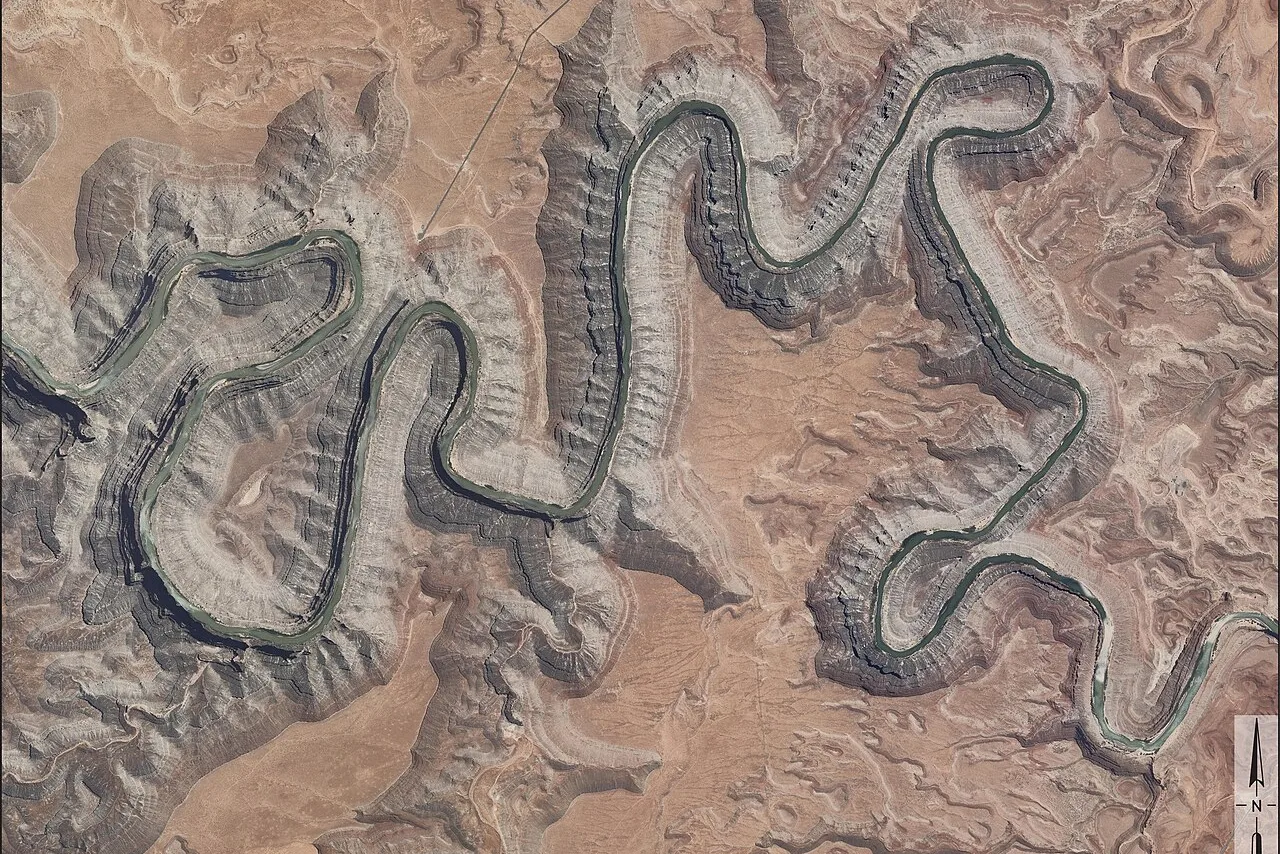
About Goosenecks State Park
RV quick facts for Goosenecks State Park
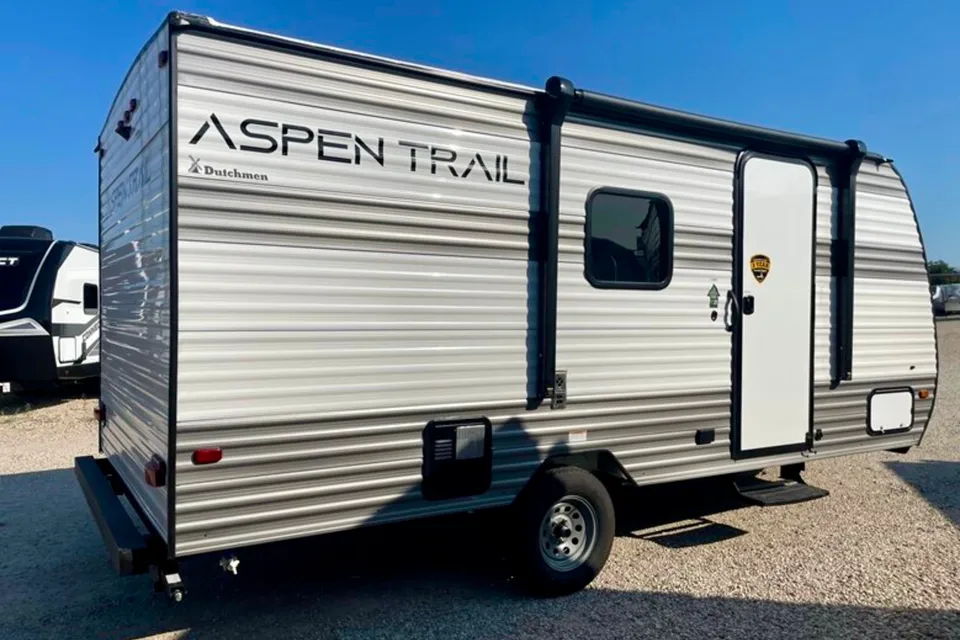
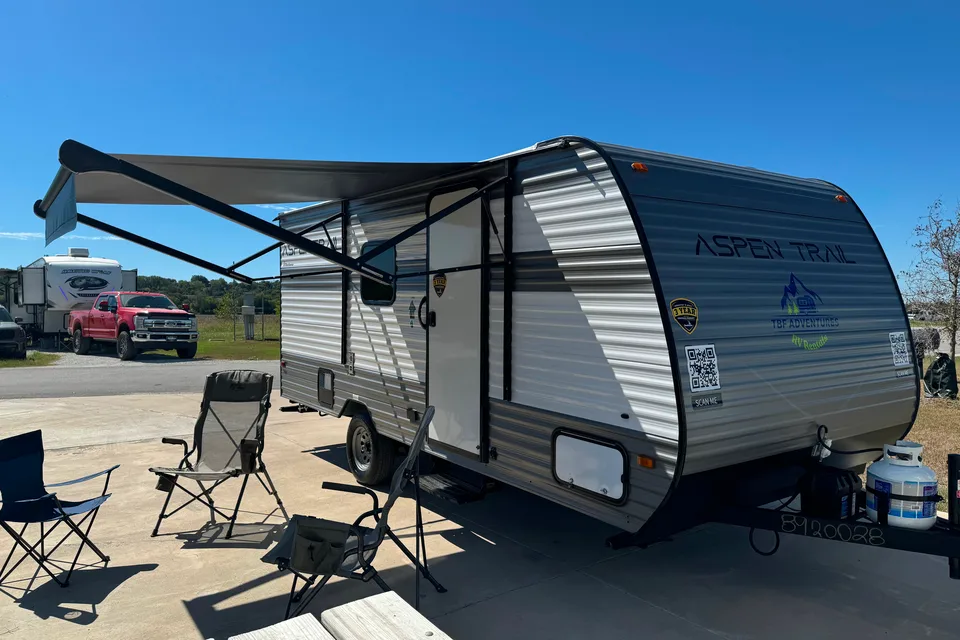
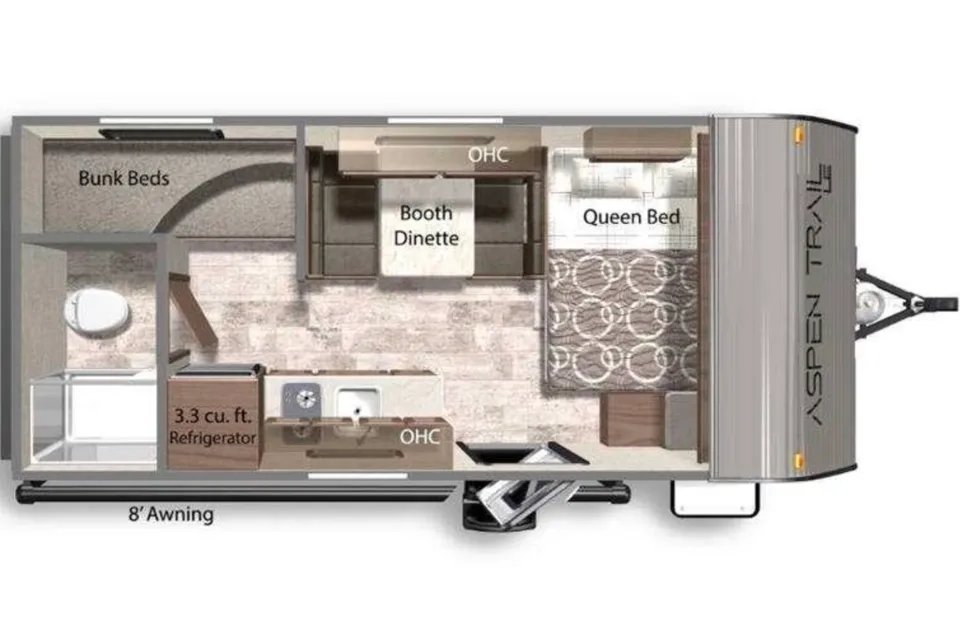
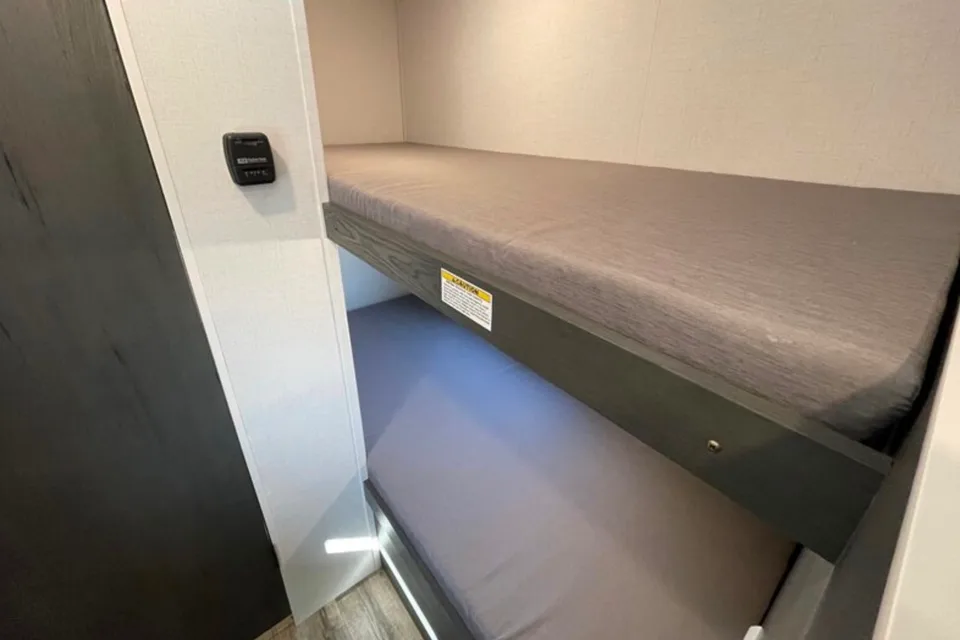
Featured RV rentals for Goosenecks State Park
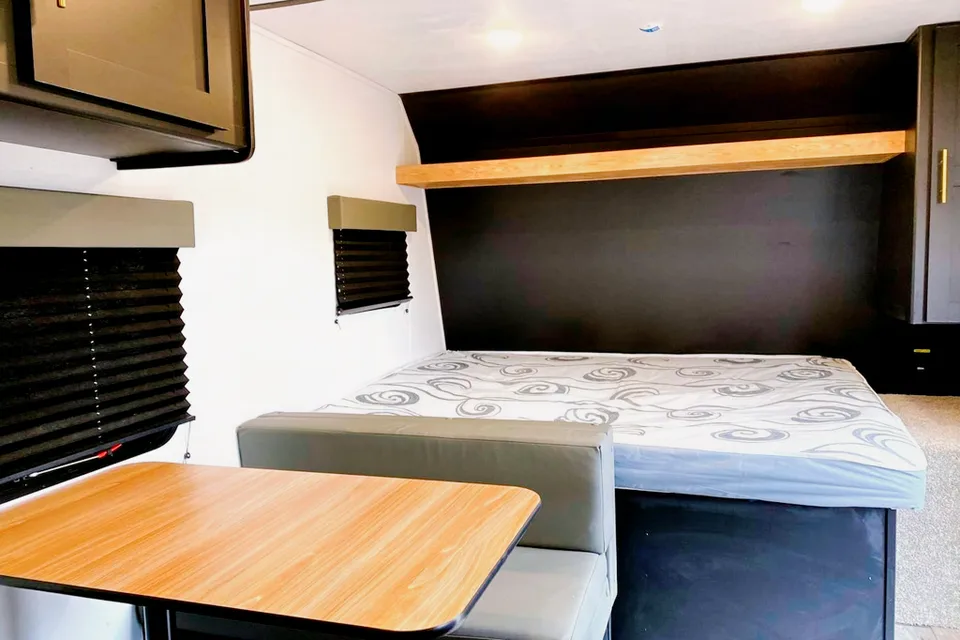
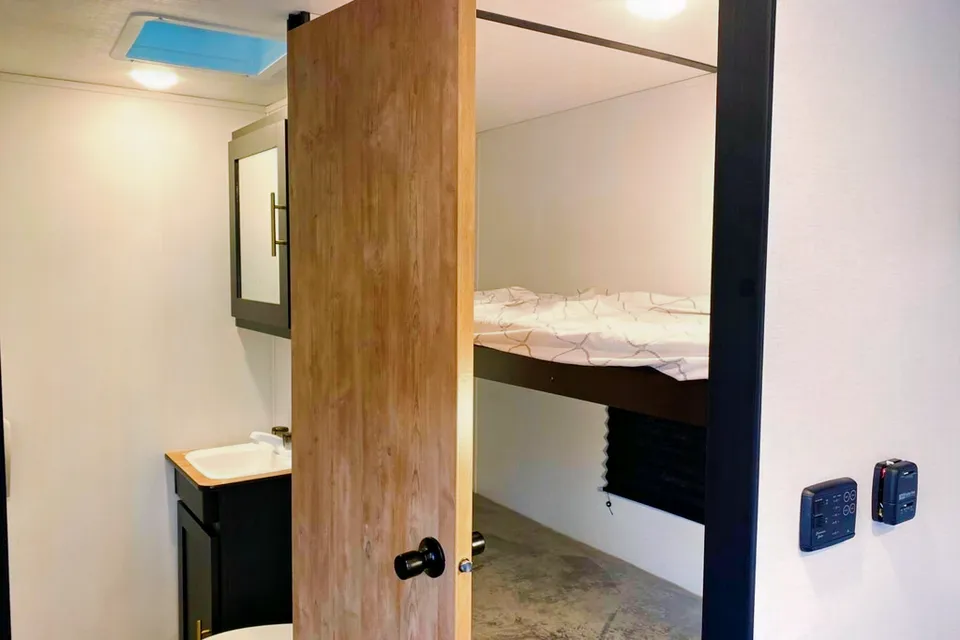
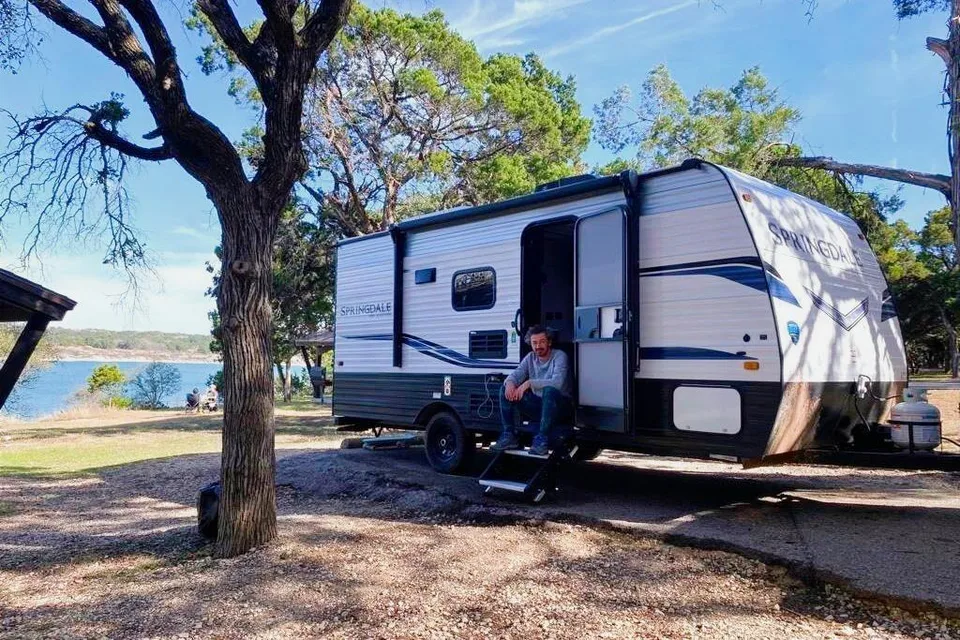
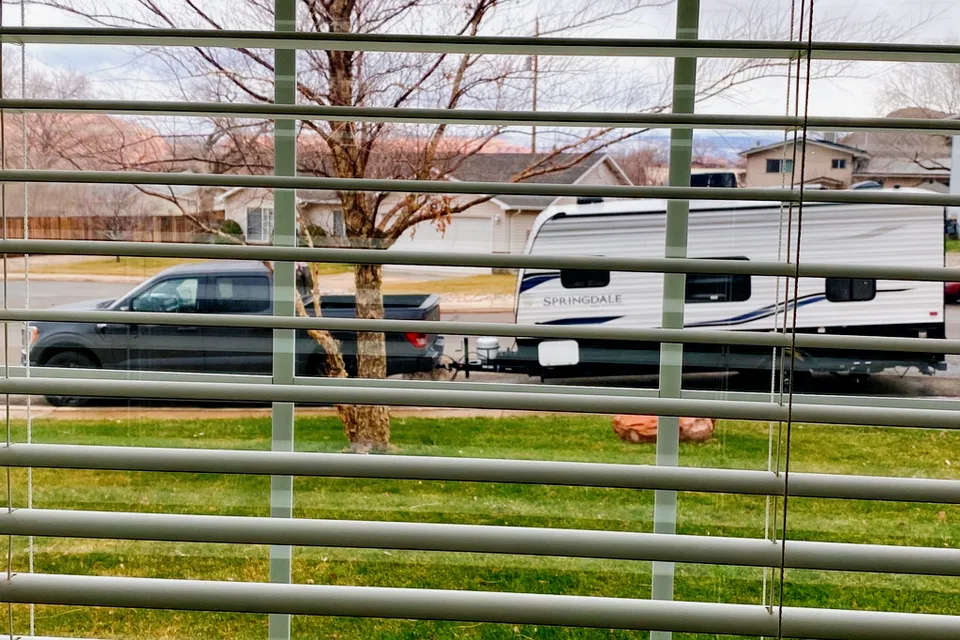
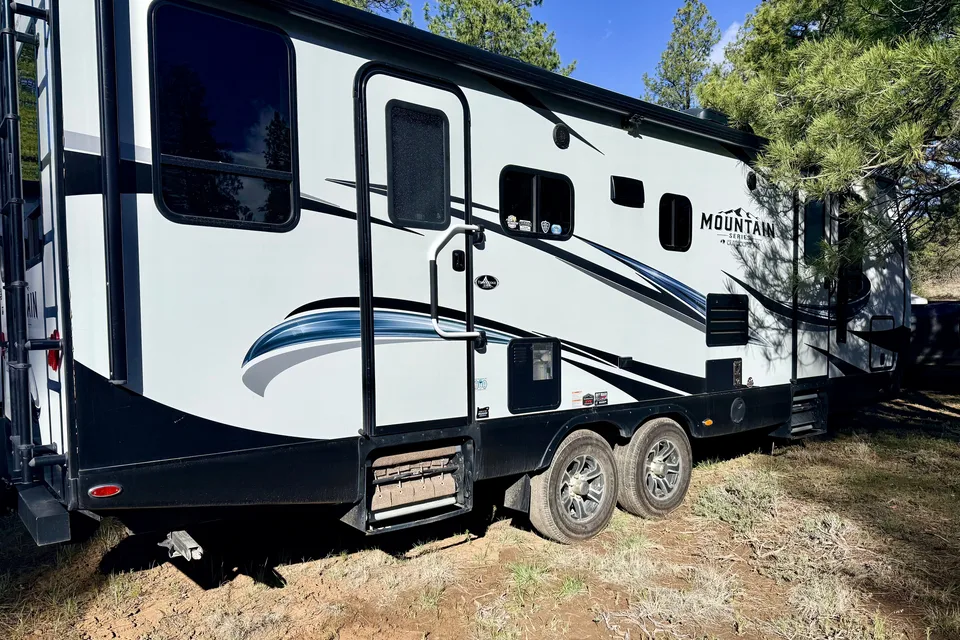
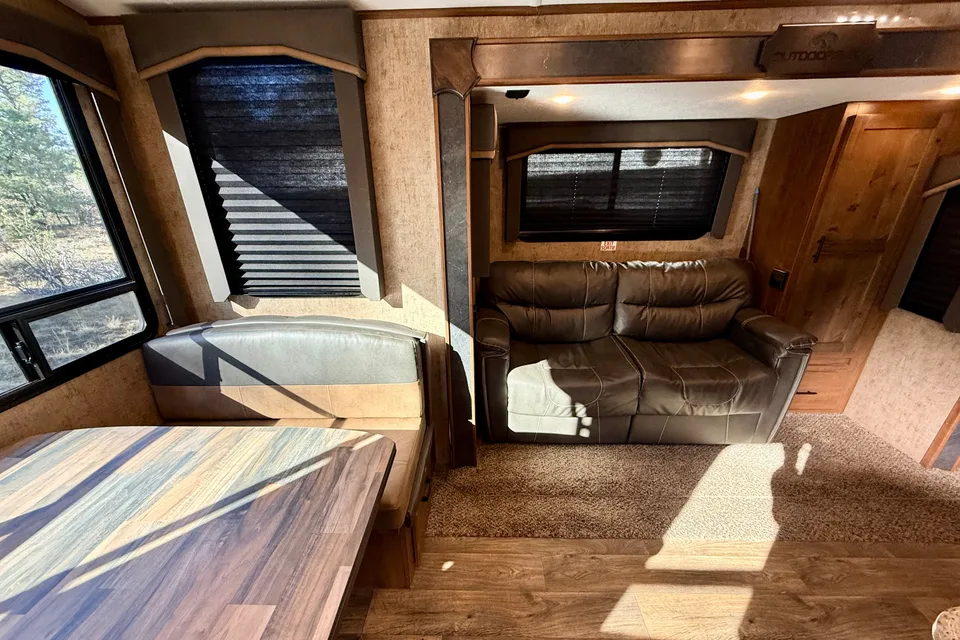
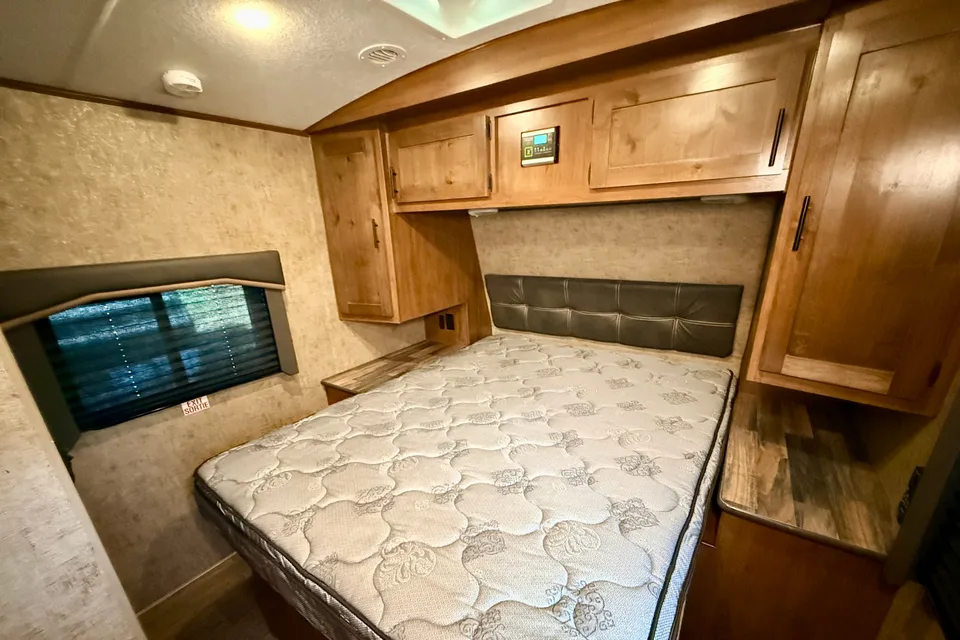
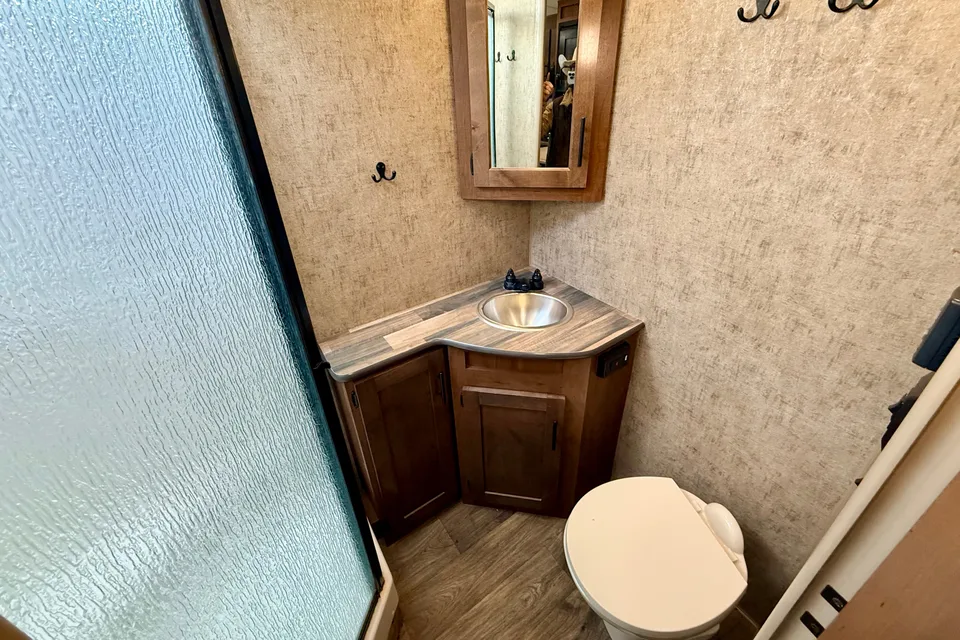
Best time to visit Goosenecks State Park
Spring (April to May) and fall (September to October) offer the most comfortable RV travel weather, with mild days, cool nights, and clear skies ideal for stargazing over the canyon. Summer brings intense desert heat that can exceed 100°F and the risk of monsoon thunderstorms in July and August, so shade and water planning are essential. Winter visits are possible since the park stays open year round, but overnight lows often drop below freezing and roads can be icy after storms. Weekends in peak shoulder seasons fill the small primitive campground quickly, so midweek arrivals are recommended.
Cold nights and possible snow; campground open but exposed.
Cool, dry, low visitation.
Windy spring conditions begin.
Excellent RV weather, shoulder season.
Warm and dry, ideal for camping.
Hot and dry; carry extra water.
Monsoon thunderstorms; flash flood risk in side canyons.
Continued monsoon; afternoon storms common.
Peak shoulder season, mild and clear.
Excellent fall RV weather.
Cool days, freezing nights.
Cold and quiet; winterize tanks.
Things to do at Goosenecks State Park
- San Juan River Goosenecks Overlook EasyRV parking available
The main overlook is a paved viewpoint where visitors can see the entrenched meanders of the San Juan River carving through 300 million years of stone. RVs park directly at the rim, making it accessible without any hiking.
- Stargazing and Night Photography EasyRV parking available
Goosenecks sits within one of the darkest skies in the contiguous United States, far from city light pollution. The open mesa offers unobstructed 360-degree views of the Milky Way on clear nights.
- Trail of the Ancients Scenic Byway Drive EasyRV parking available
Goosenecks is a signed stop on the Trail of the Ancients, which connects archaeological and geological highlights across southeast Utah. The route links the park with Natural Bridges National Monument and Bears Ears.
- Day Trip to Valley of the Gods Moderate
A 17-mile dirt loop road through sandstone monoliths begins a few miles north of the park. Smaller RVs and tow vehicles can usually navigate it in dry conditions, but large motorhomes should park and explore by tow car.
- Monument Valley Navajo Tribal Park Excursion EasyRV parking available
Monument Valley is roughly a 30-minute drive south on US-163 and offers iconic red-rock buttes managed by the Navajo Nation. Day-trippers can stay at Goosenecks and drive in via the visitor center.
- Natural Bridges National Monument EasyRV parking available
About an hour northwest, Natural Bridges showcases three massive sandstone bridges along a paved 9-mile loop drive. Larger RVs should note vehicle length advisories on the loop road and at trailheads. nps.gov/nabr
- Geology Interpretation at the Overlook EasyRV parking available
Interpretive panels at the main viewpoint explain the Pennsylvanian-age limestone, sandstone, and shale layers exposed in the canyon walls. The site is a textbook example of an entrenched river meander used in geology curricula.

RV delivery to 20 campgrounds
Skip the pickup. Skip the towing. Get an RV delivered and set up at your campsite so you can arrive, unpack, and start your trip stress-free.
Choose your perfect RV
Browse RVs that offer delivery to your site and book the one that fits your budget and adventure style.
Lock in your campsite
Reserve your campsite with the hookups and amenities you need. We’ll help you find RVs that meet site requirements.
Arrive and relax
Your host delivers and sets up the RV before you get there. Just show up and start enjoying your trip.
Find the perfect RV for these nearby campgrounds
RV Rentals Goosenecks State Park
Goosenecks State Park, UT, United States
How to get to Goosenecks State Park
The park is located off Utah State Route 316, about 9 miles northwest of Mexican Hat and roughly 25 miles south of Bluff via US-191 and UT-261. Moab is approximately 2.5 hours north (about 150 miles), and Cortez, Colorado, is about 1.75 hours east. RV drivers headed south from Natural Bridges should avoid the Moki Dugway switchbacks on UT-261 (a steep, unpaved 10 percent grade with tight turns and length restrictions) and instead approach via US-163 and UT-261 from the south. The nearest commercial airports for fly-and-rent travelers are Cortez Regional (CEZ) and Farmington, New Mexico (FMN), with larger options at Durango (DRO) and Albuquerque (ABQ).
RVezy vs. Traditional RV rental
RVezy rentals
- Book directly from local RV owners
- Choose the exact RV you want
- Delivery to your campsite, home, or destination
- More variety: trailers, motorhomes, and campers
Traditional RV rental
- Limited fleet from a rental company
- Exact RV not guaranteed
- Pickup only at retail locations
- Fewer RV types and less availability