Kuururjuaq National Park - Canada
Discover the RVezy RV rental marketplace
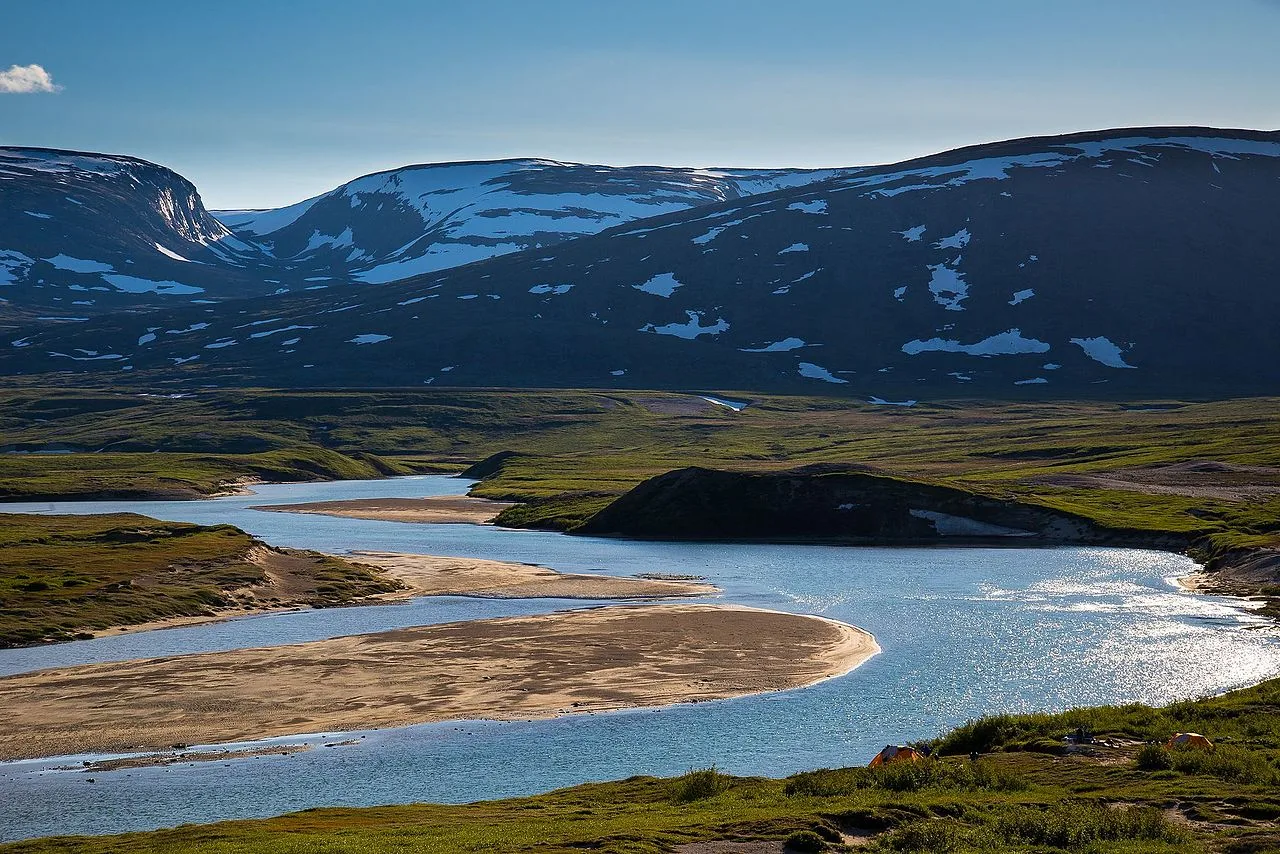
About Kuururjuaq National Park
RV quick facts for Kuururjuaq National Park
Best time to visit Kuururjuaq National Park
The best time to visit is June through September, when temperatures are mild (averaging 10 to 17 degrees Celsius) and the tundra blooms with wildflowers and wildlife activity peaks. July and August offer the warmest conditions and longest daylight hours for hiking and river expeditions. Late August into September brings cooler temperatures and stunning autumn colors, though weather becomes increasingly unpredictable. Winter visitors prepared for extreme cold and limited daylight can experience snowshoeing and backcountry skiing from February through March.
Park open for winter expeditions; extreme cold and limited daylight.
Coldest month; backcountry skiing and snowshoeing opportunities.
Winter season; daylight increasing; snow still deep.
Shoulder season; ice breakup begins; trails may be muddy.
Spring transition; tundra begins to thaw; occasional snow showers.
Summer begins; nearly continuous daylight; tundra blooms.
Peak season; warmest month; maximum daylight; heavy mosquito activity.
Continued peak season; highest rainfall; wildlife active.
Late summer to autumn transition; tundra turns gold and red; early snow possible.
Fall season; rapidly decreasing daylight; snow begins to fall.
Early winter; heavy snowfall month; continuous darkness approaching.
Deep winter; polar night conditions; extreme cold and low visibility.
Things to do at Kuururjuaq National Park
- Mount D'Iberville Trek Strenuous
Ascend eastern Canada's highest peak at 1,646 meters for panoramic views of the Torngat Mountains and tundra landscape. This challenging multi-day trek combines alpine ridge hiking with technical scrambling, suited for experienced mountaineers. Guided expeditions typically run 7 to 9 days from June through September. nunavikparks.ca/en/parks/kuururjuaq
- Koroc River Expedition Moderate
Paddle or raft the 166-kilometer Koroc River from its headwaters in the Torngat Mountains to Ungava Bay, witnessing Korluktok Falls and pristine Arctic ecosystems. This is one of the park's signature experiences, combining river travel with trekking and wildlife viewing. Expeditions span 7 to 9 days during the summer season. nunavikparks.ca/en/parks/kuururjuaq
- Torngat Mountain Trekking Moderate
Explore the Torngat Mountain Foothills through designated hiking trails along alpine ridges and through valleys. Hikers can spot caribou herds, Arctic char streams, and diverse tundra vegetation. Trails range from moderate day hikes to multi-day backcountry routes requiring off-trail navigation skills. nunavikparks.ca/en/parks/kuururjuaq
- Ungava Bay Coastal Exploration Moderate
Access the Arctic coastal zone where tundra meets ocean, offering opportunities to observe marine mammals such as belugas and seals, as well as seabirds. Kayaking and coastal hiking expeditions provide immersion in the park's marine ecosystems. Best visited during July and August. nunavikparks.ca/en/parks/kuururjuaq
- Backcountry Fishing Moderate
Fish for Arctic char and brook trout in pristine rivers and lakes throughout the park. Traditional Inuit fishing routes follow the George River and tributary systems. Multi-day fishing expeditions combine trekking with wilderness angling in remote locations. nunavikparks.ca/en/parks/kuururjuaq
- Winter Backcountry Skiing and Snowshoeing Strenuous
Experience the Arctic winter on skis or snowshoes along traditional Inuit travel routes. Guided expeditions traverse the frozen tundra with views of snow-covered peaks. Winter travel requires specialized skills and equipment, recommended for February through March. nunavikparks.ca/en/parks/kuururjuaq
- Archaeological Site Tours Easy
Visit approximately 30 documented archaeological sites dating back 1,000 years, reflecting Inuit occupation and traditional resource use. Guided cultural tours provide context on ancient hunting practices, settlement patterns, and contemporary Inuit heritage in the Nunavik region. nunavikparks.ca/en/parks/kuururjuaq
- Wildlife Viewing and Photography Easy
Observe caribou herds, polar bears, musk oxen, and numerous bird species in their natural Arctic habitat. The George River caribou herd, one of North America's largest tundra herds, migrates through the park seasonally. June through August offer peak wildlife viewing opportunities with extended daylight for photography. nunavikparks.ca/en/parks/kuururjuaq
RV delivery to campgrounds
Skip the pickup. Skip the towing. Get an RV delivered and set up at your campsite so you can arrive, unpack, and start your trip stress-free.
Choose your perfect RV
Browse RVs that offer delivery to your site and book the one that fits your budget and adventure style.
Lock in your campsite
Reserve your campsite with the hookups and amenities you need. We’ll help you find RVs that meet site requirements.
Arrive and relax
Your host delivers and sets up the RV before you get there. Just show up and start enjoying your trip.
RV Rentals Kuururjuaq National Park
Kuururjuaq National Park, QC, Canada
How to get to Kuururjuaq National Park
Fly to Kuujjuaq Airport (YVP), approximately 1,450 kilometers northeast of Montreal with a flight time of 2.5 hours. From Kuujjuaq, arrange a regional flight or charter to Kangiqsualujjuaq Airport (XGR), the park's primary access point located 157 kilometers away. The park is not accessible by road or traditional RV travel. From Kangiqsualujjuaq village, contact local outfitters or the park directly at 819-337-5454 to arrange guides and transportation into the park. Traditional RVs cannot access this park; visitors typically fly in with guides for multi-day backcountry expeditions.
RVezy vs. Traditional RV rental
RVezy rentals
- Book directly from local RV owners
- Choose the exact RV you want
- Delivery to your campsite, home, or destination
- More variety: trailers, motorhomes, and campers
Traditional RV rental
- Limited fleet from a rental company
- Exact RV not guaranteed
- Pickup only at retail locations
- Fewer RV types and less availability