Porcupine Hills Provincial Park - Canada
Discover the RVezy RV rental marketplace
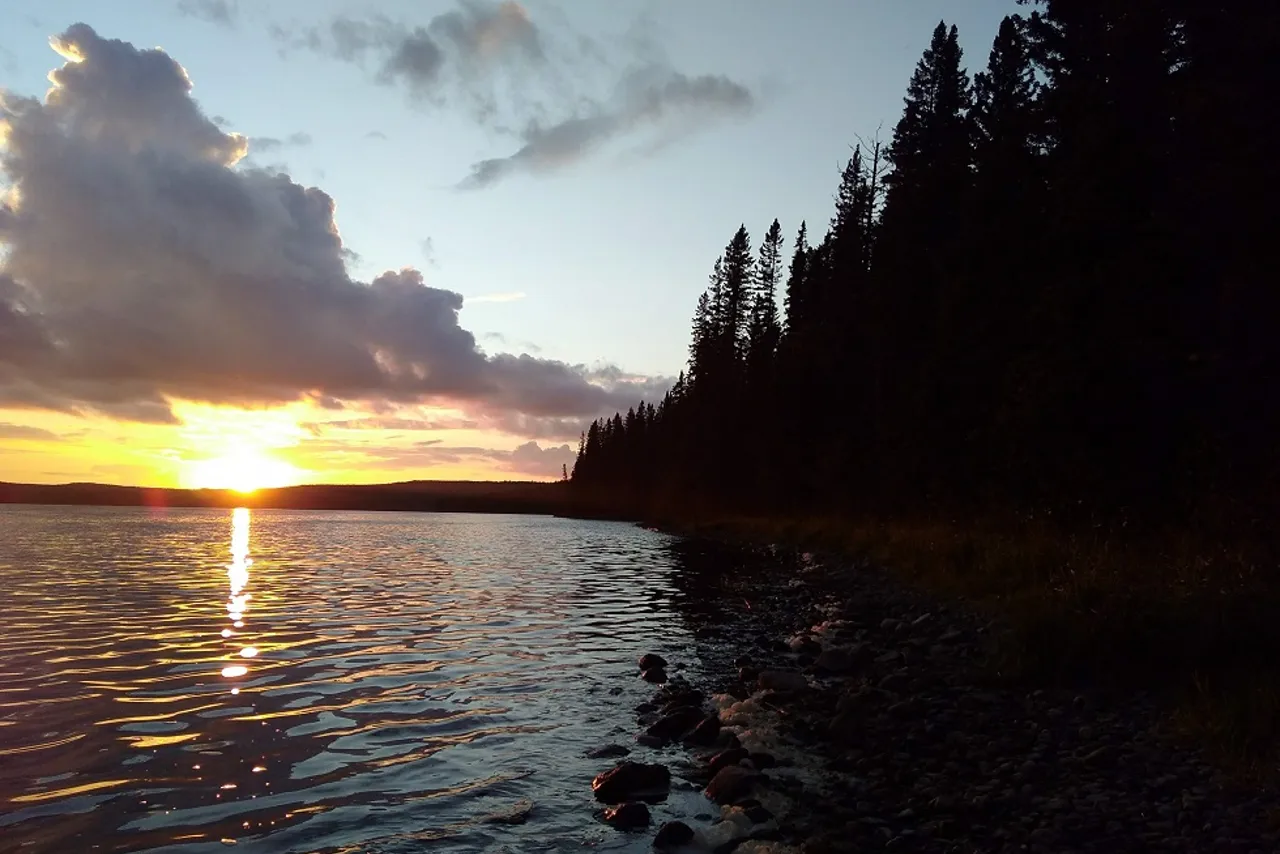
About Porcupine Hills Provincial Park
RV quick facts for Porcupine Hills Provincial Park
| Detail | Information |
|---|---|
| Max RV length | Best suited to small and mid-size RVs; gravel access roads limit large rigs |
| Full hookups | No serviced hookup sites within the park; use nearby regional parks for power and water |
| Dump station | No dump station on site; nearest stations are in surrounding communities such as Hudson Bay |
| Cell service | Spotty to none in the park interior; coverage improves near highways and towns |
| Road restrictions | Gravel and grid roads, seasonal soft spots after rain, limited turnaround space |
| Generator hours | No posted quiet hours in undeveloped areas; follow general provincial park courtesy guidelines |
| Reservation window | No reservable campground within the park; plan stays at nearby serviced campgrounds |
Featured RV rentals for Porcupine Hills Provincial Park
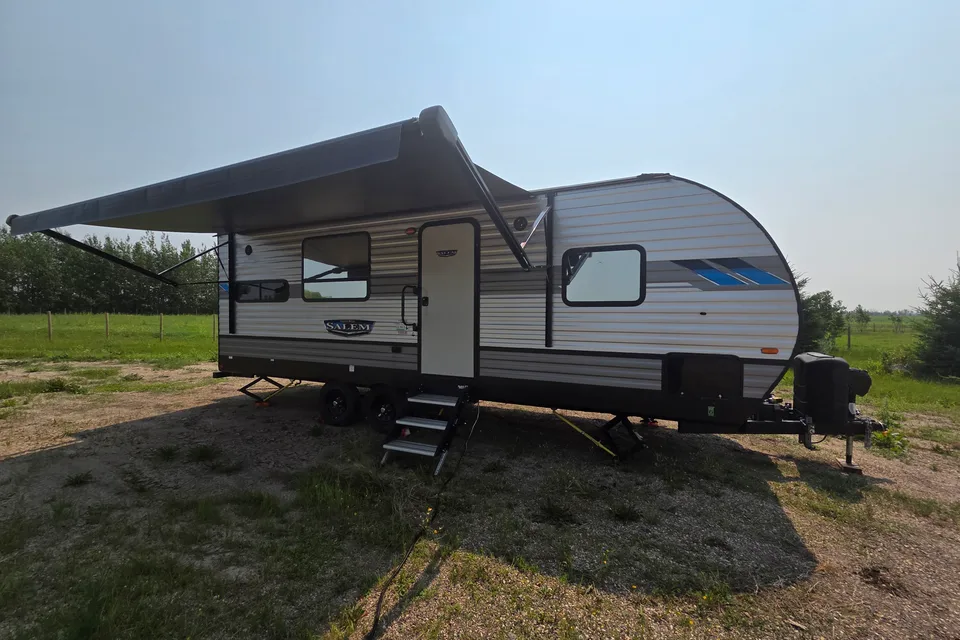
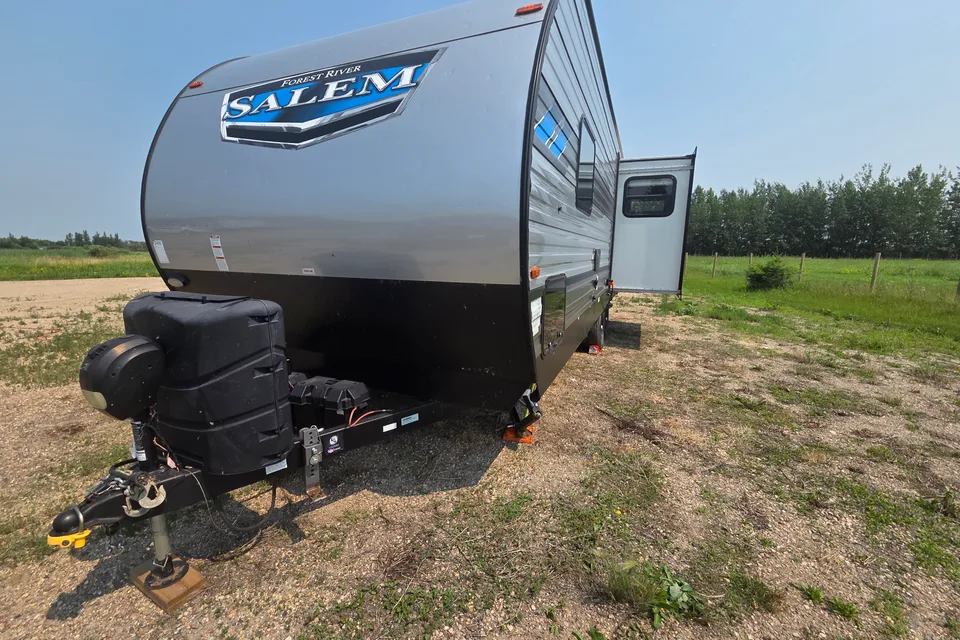
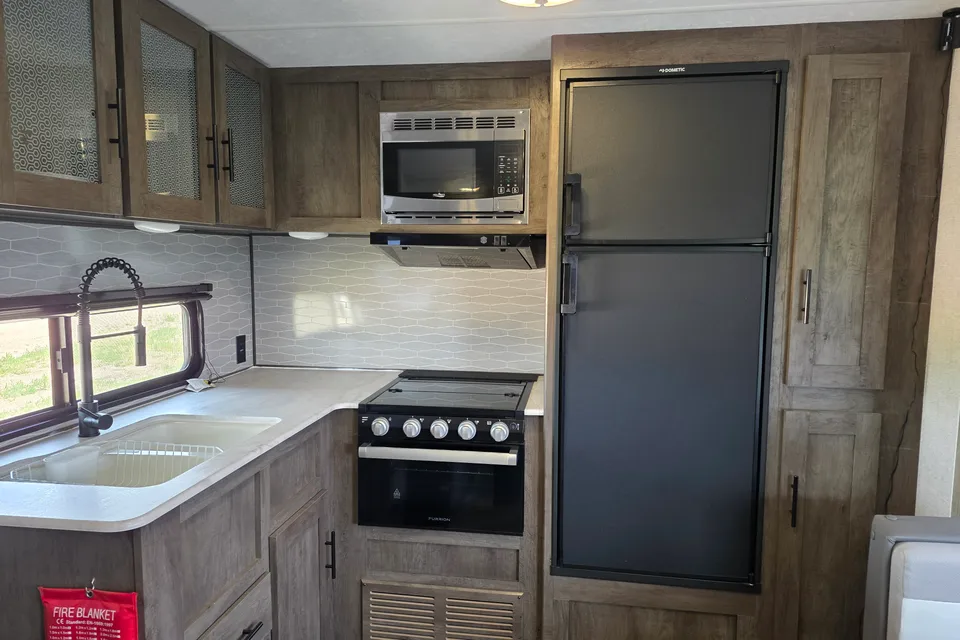
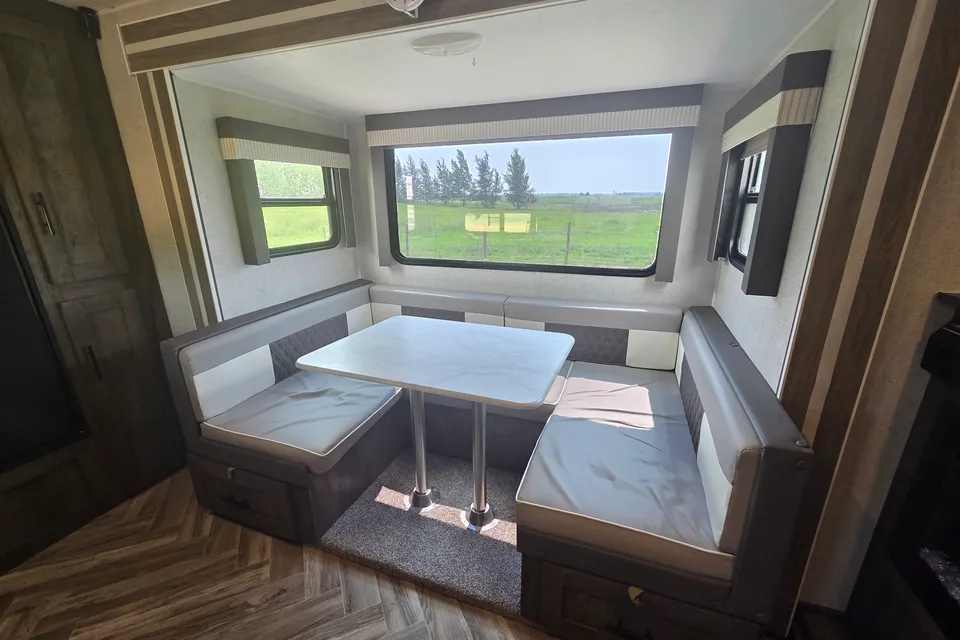
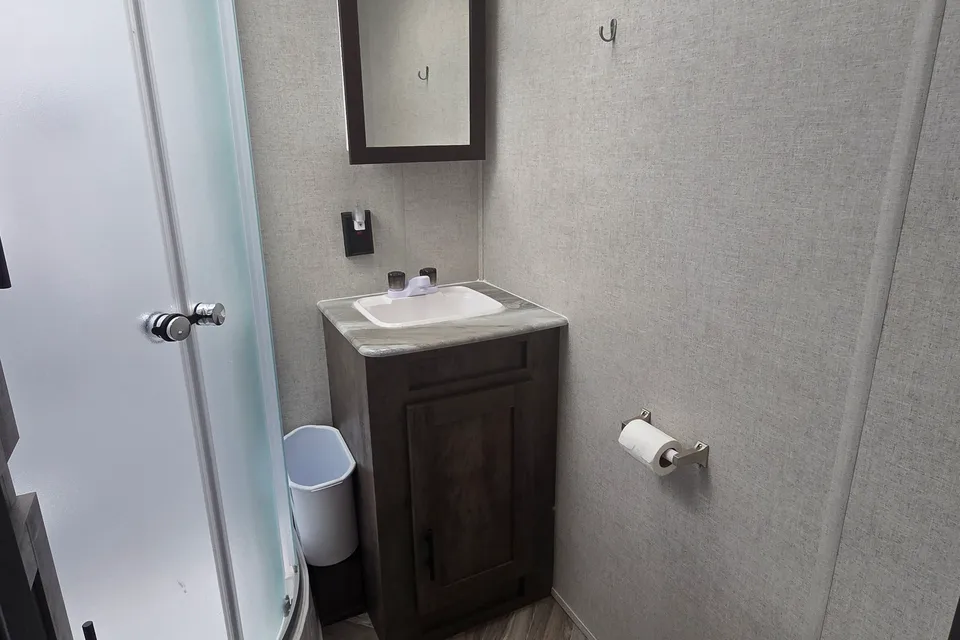
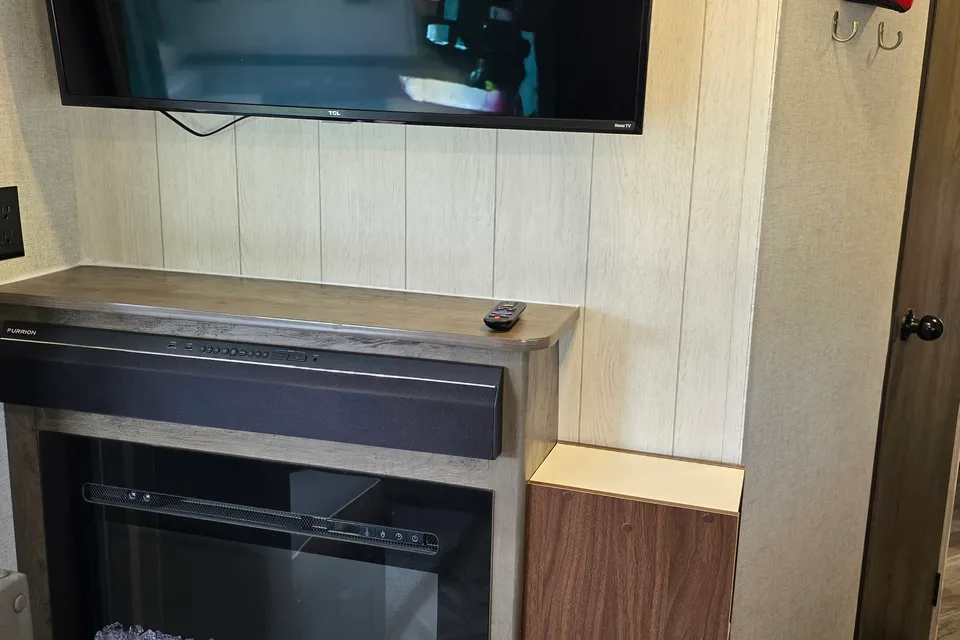
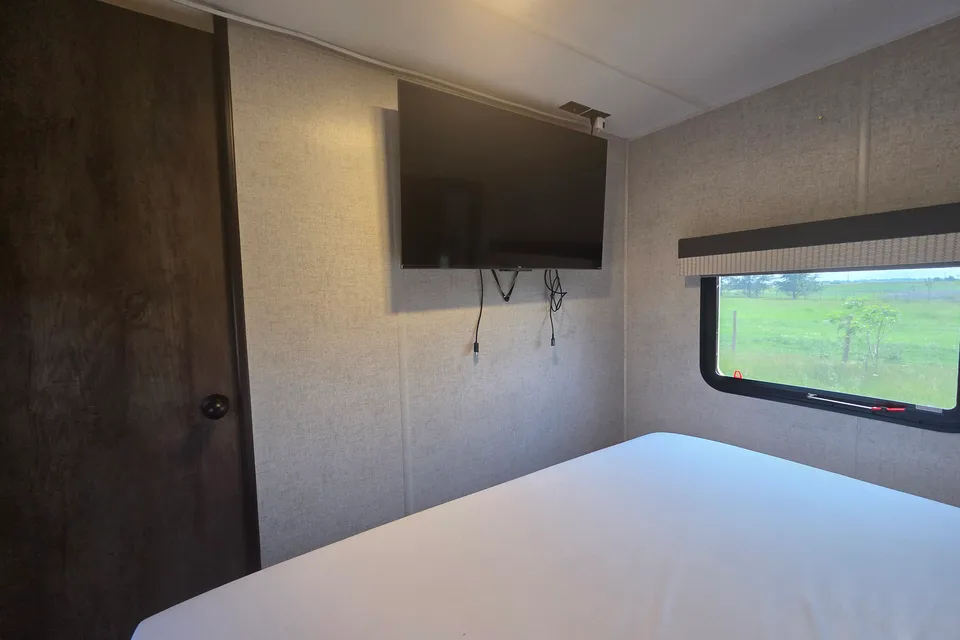
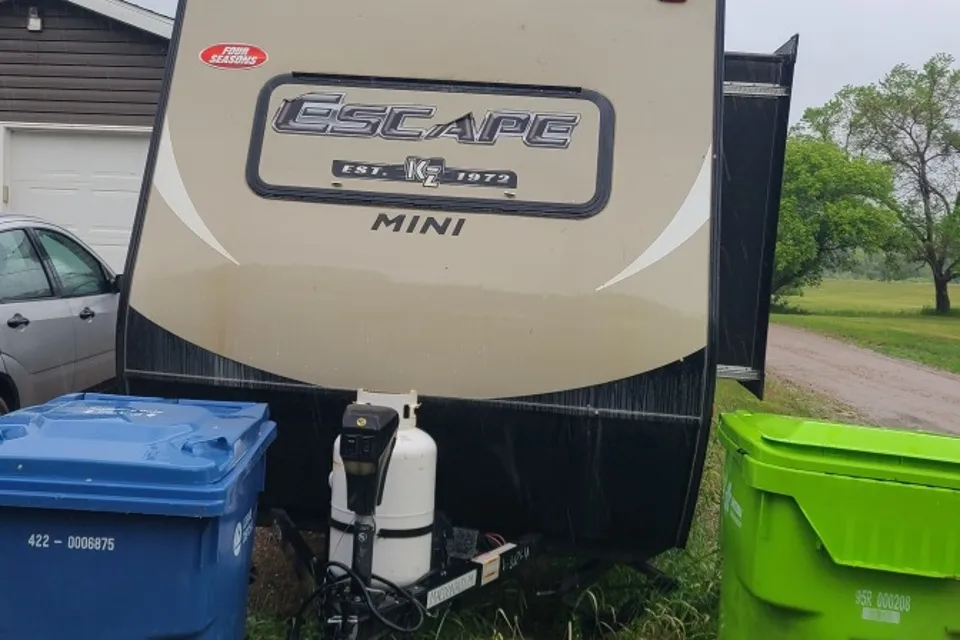
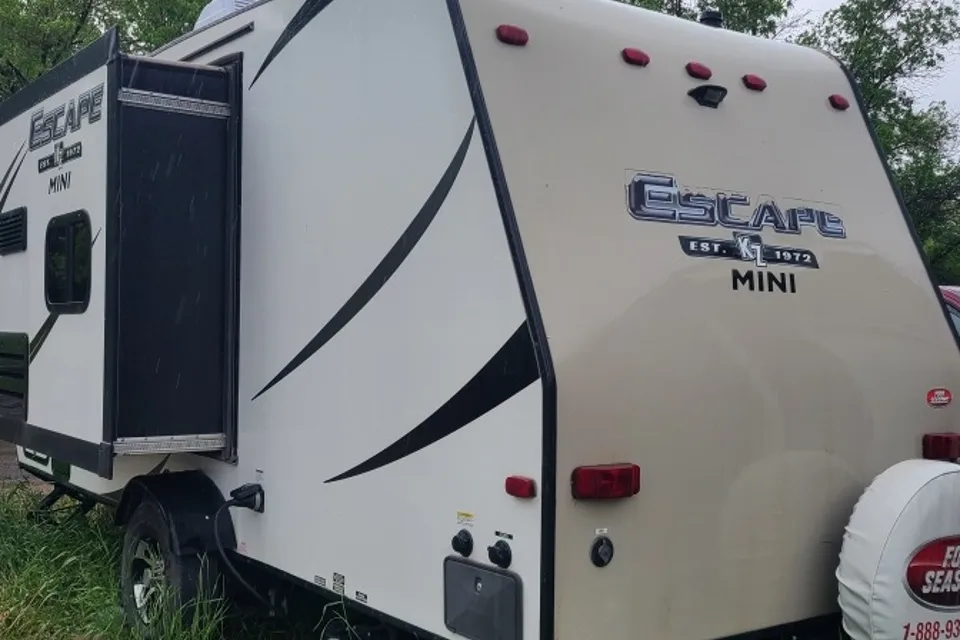
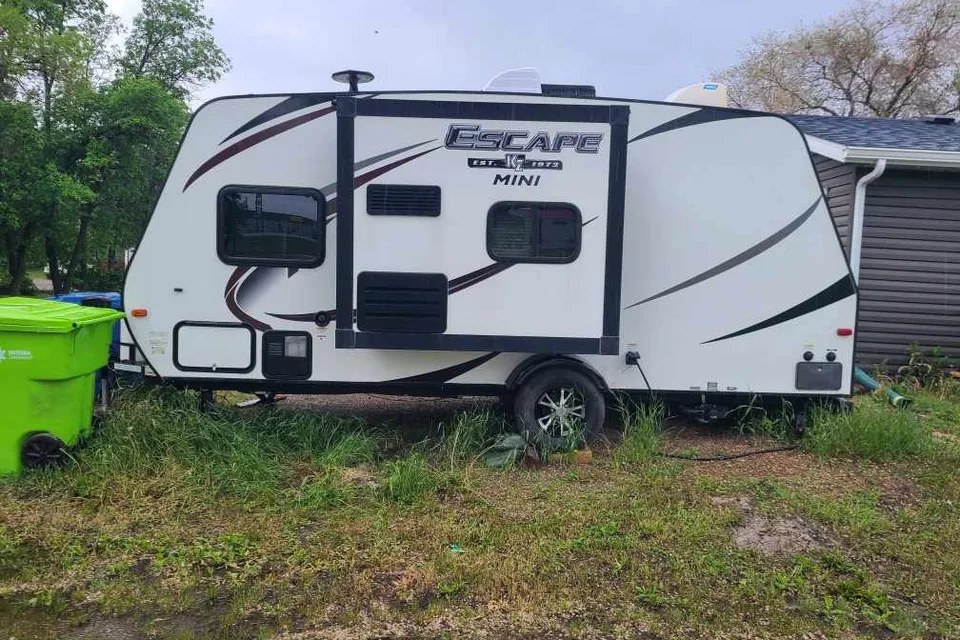
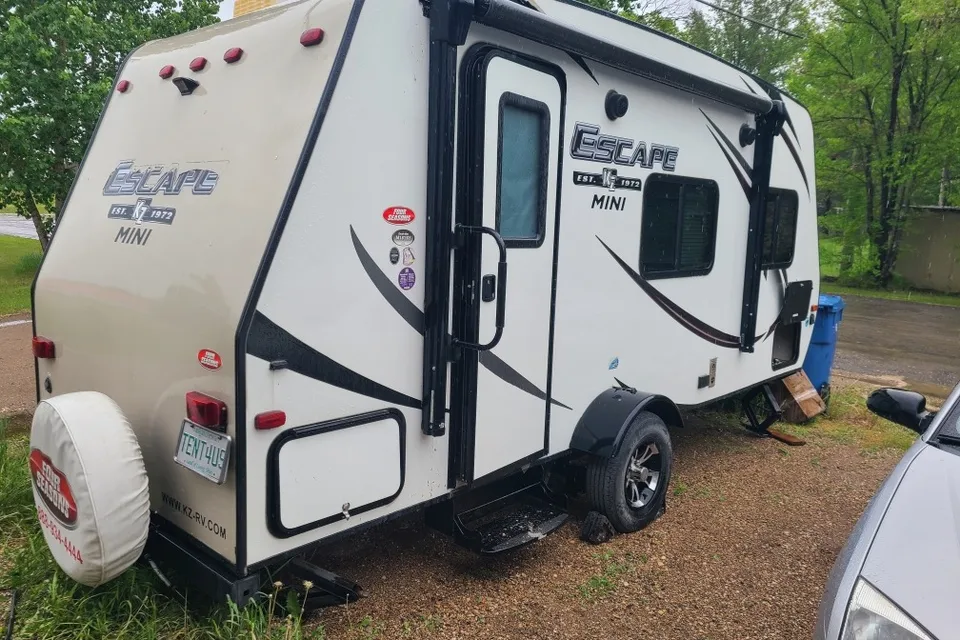
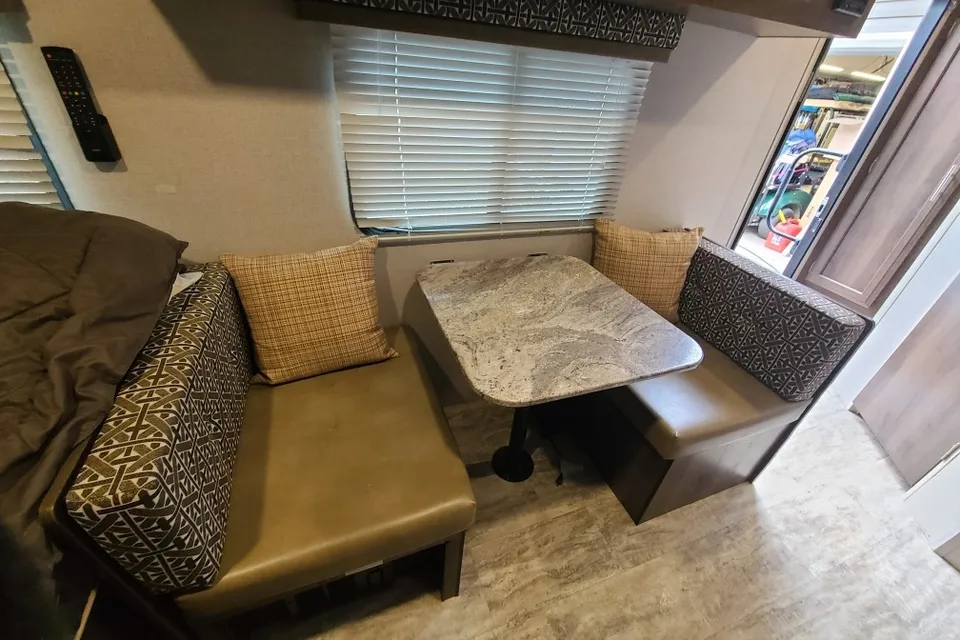
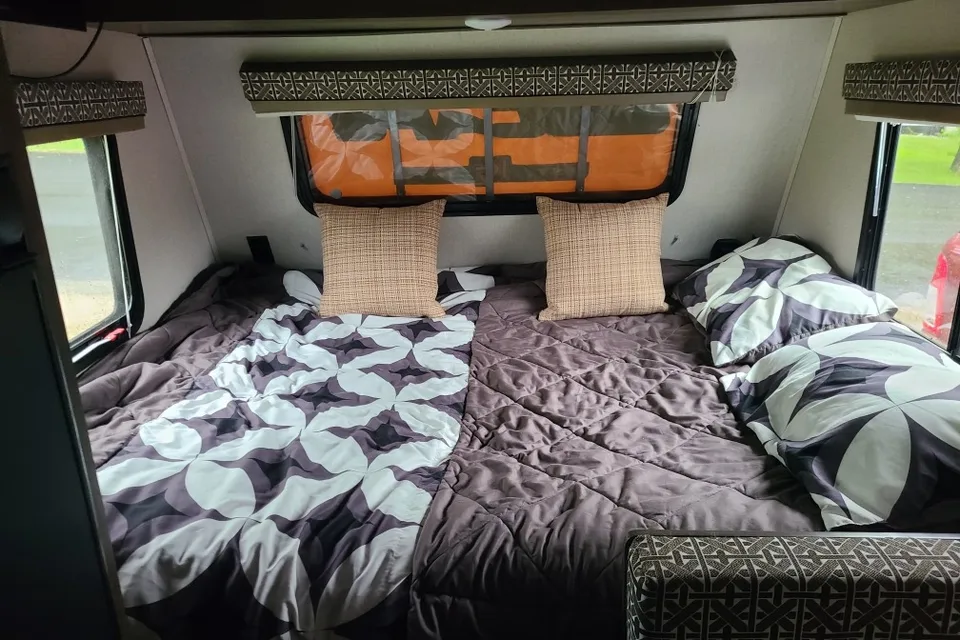
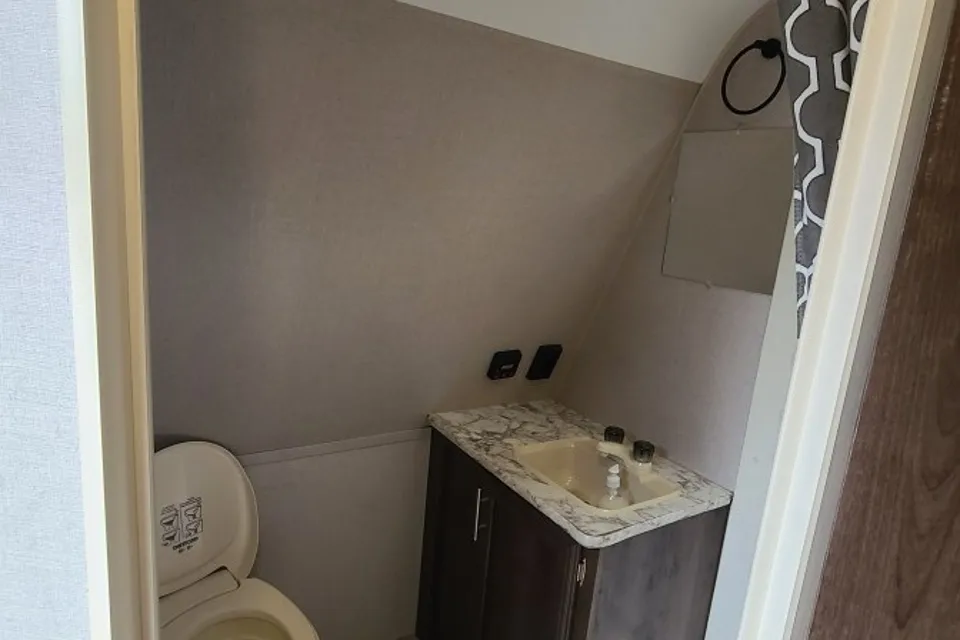
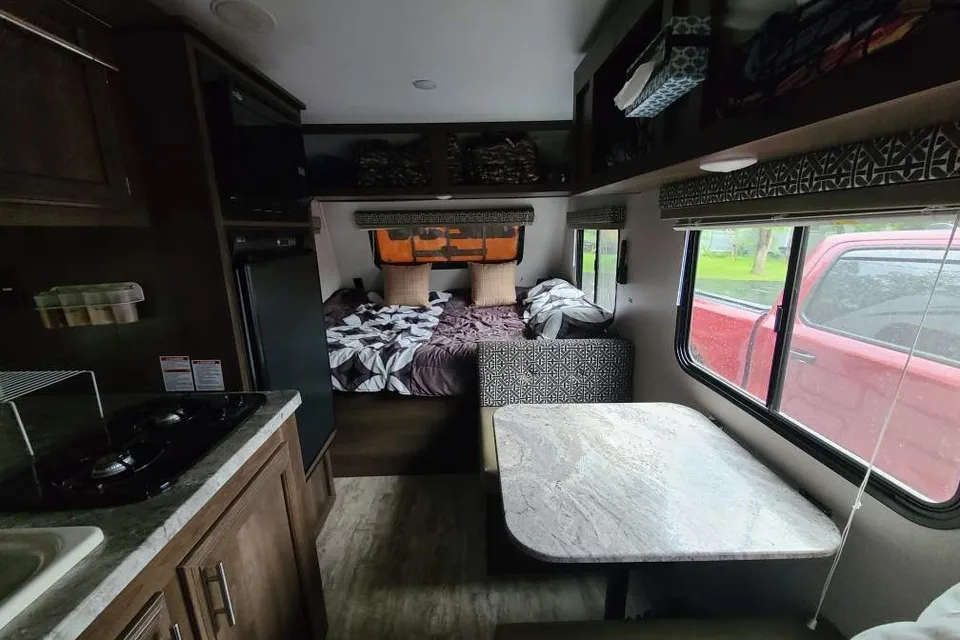
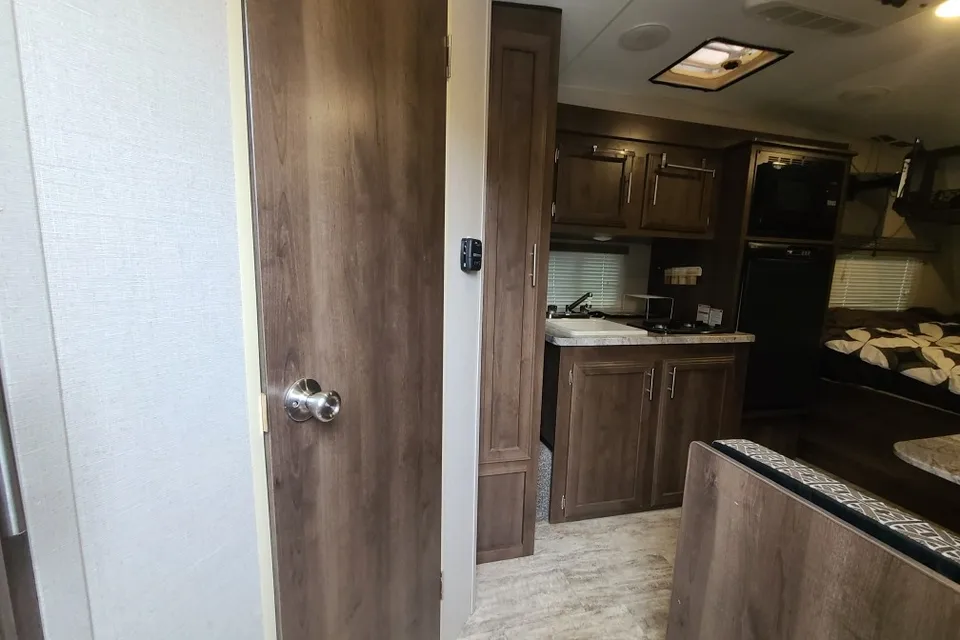
 Superhost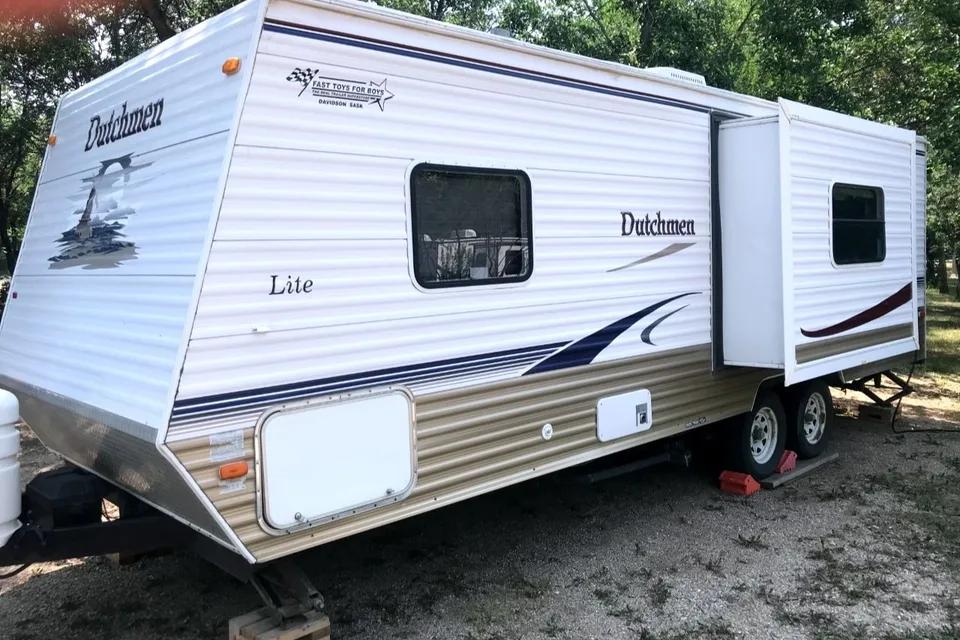
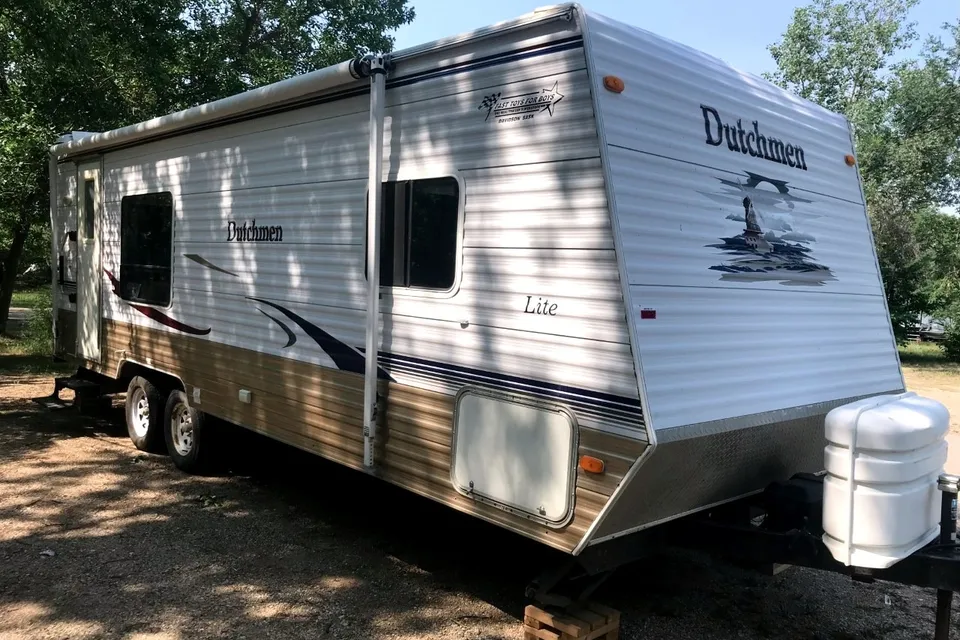
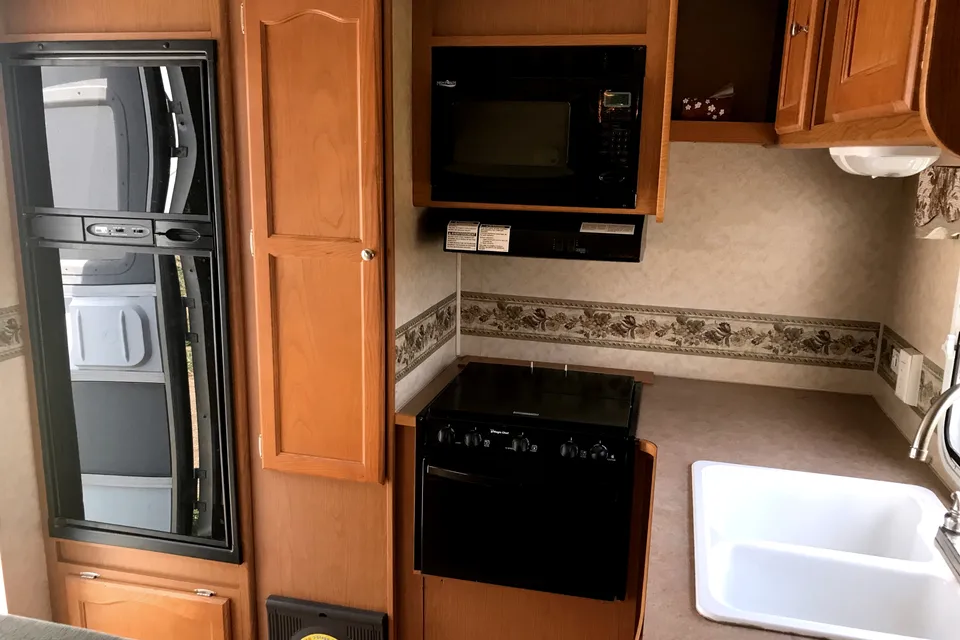
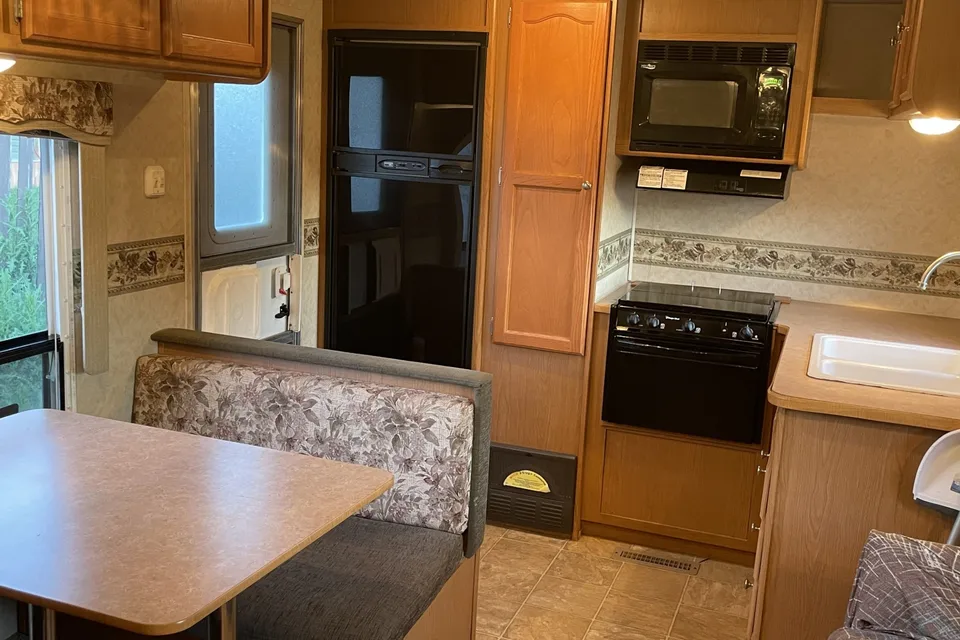
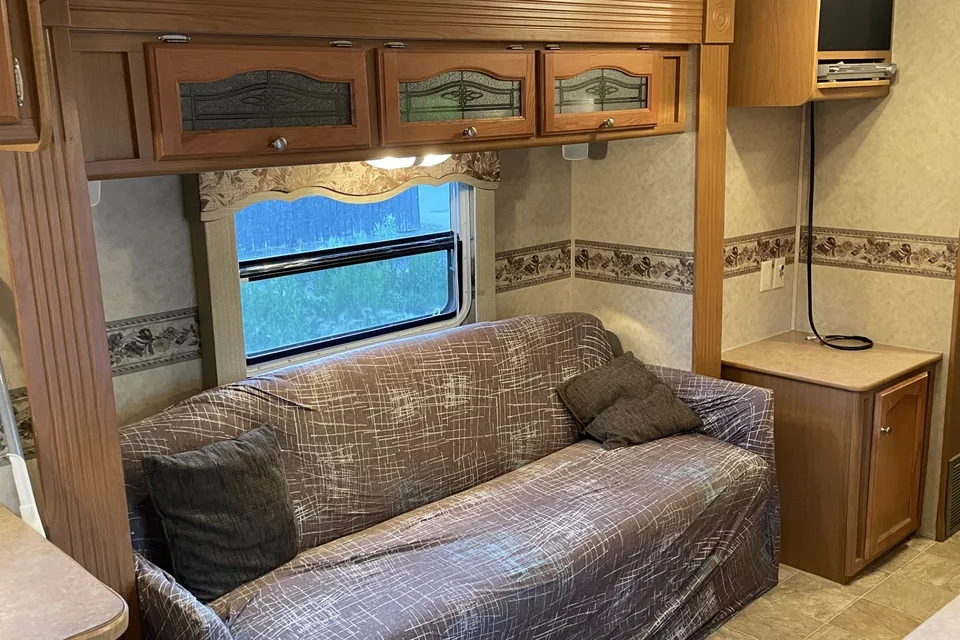
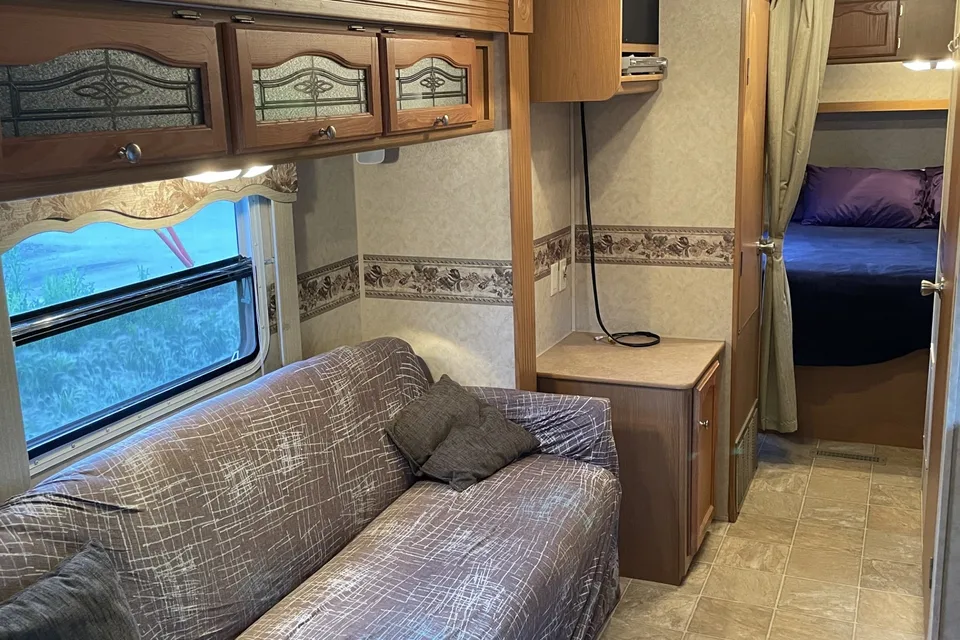
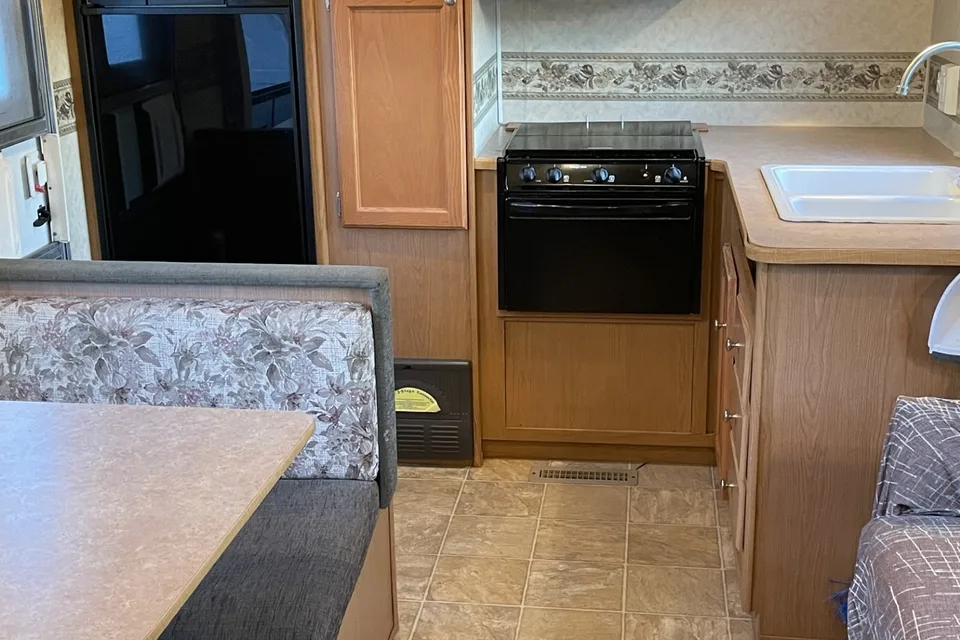
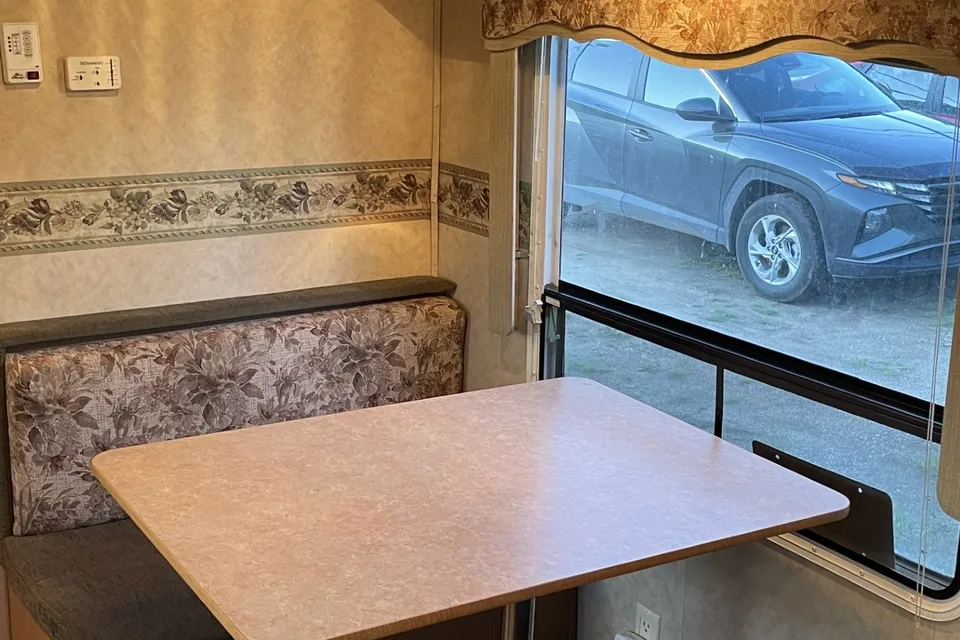
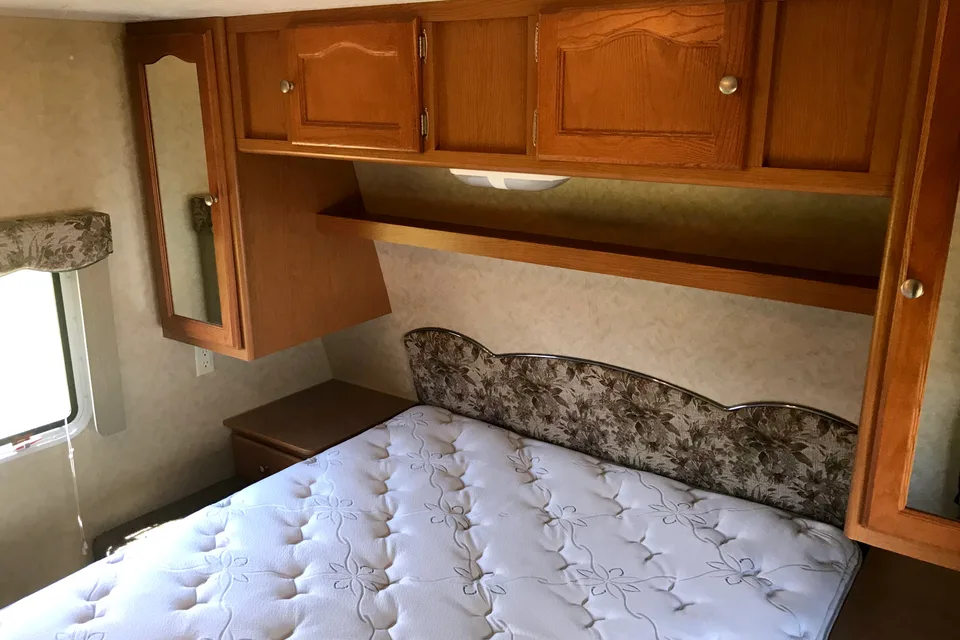
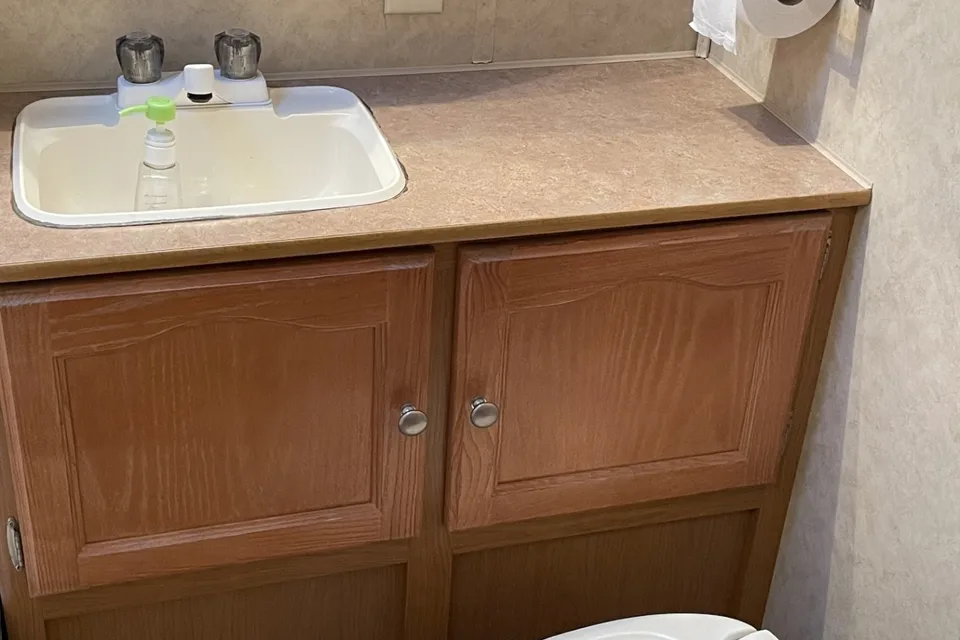
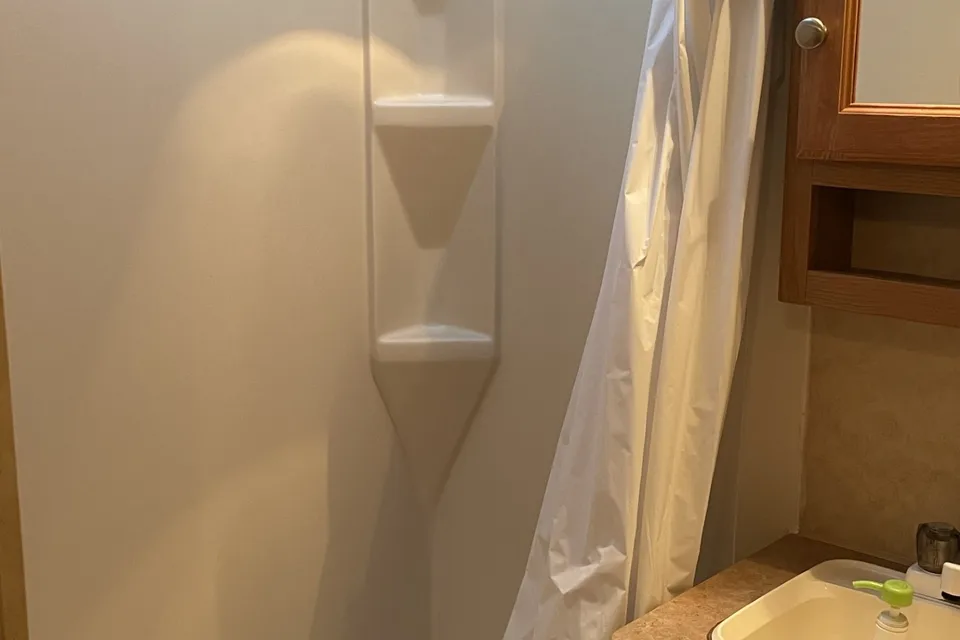
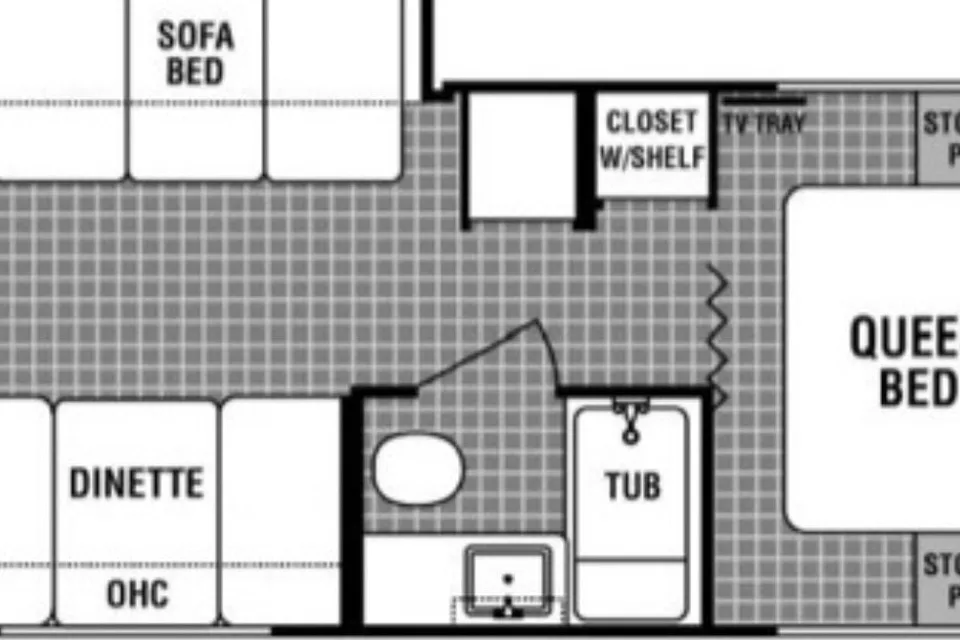 Superhost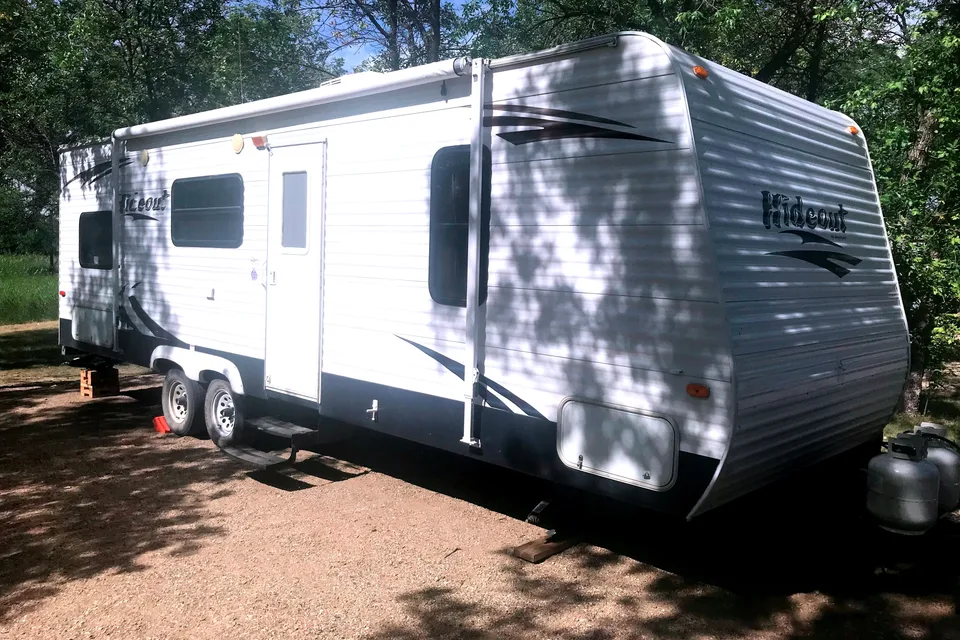
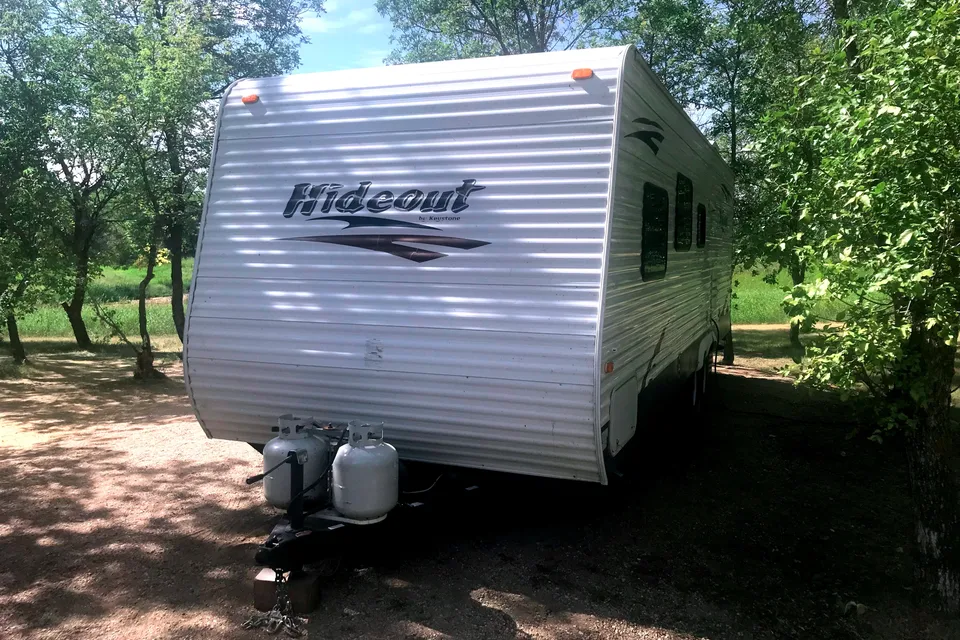
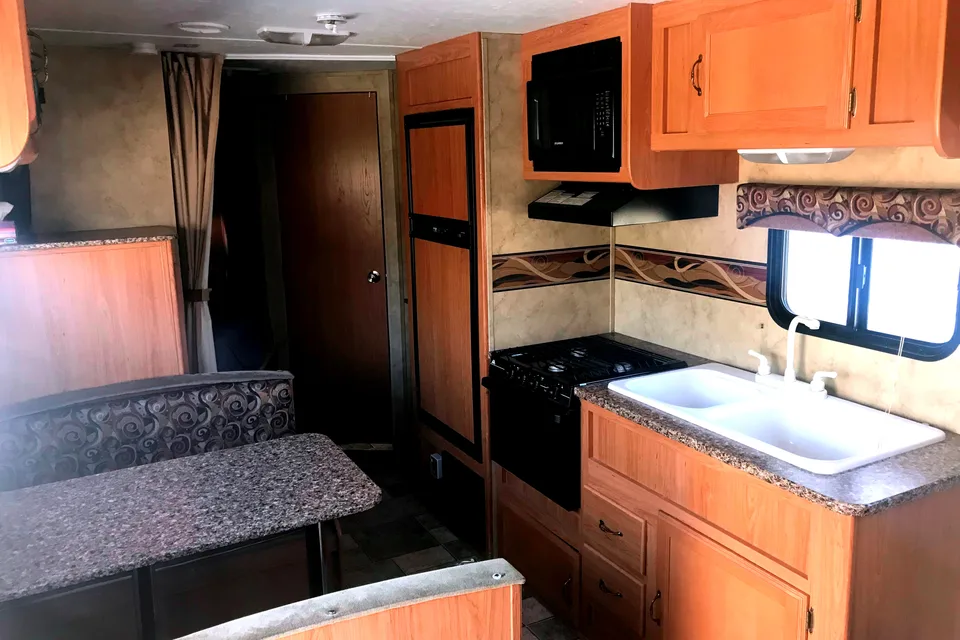
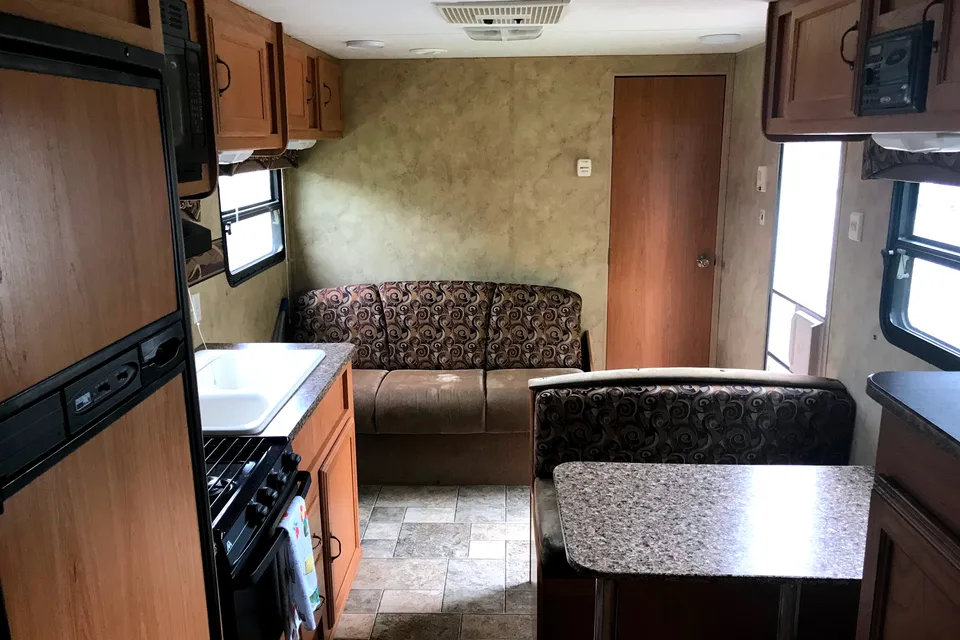
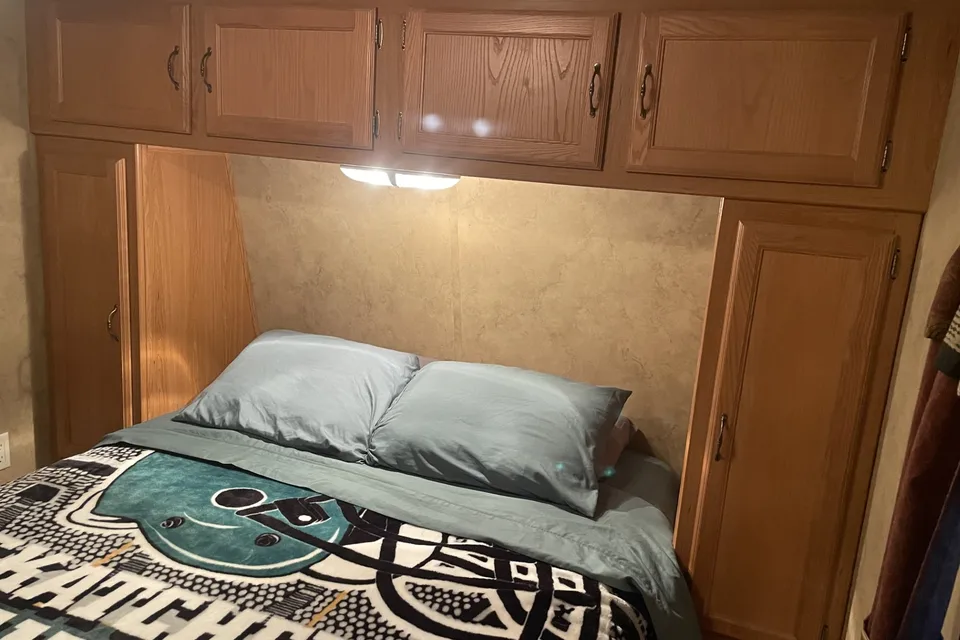
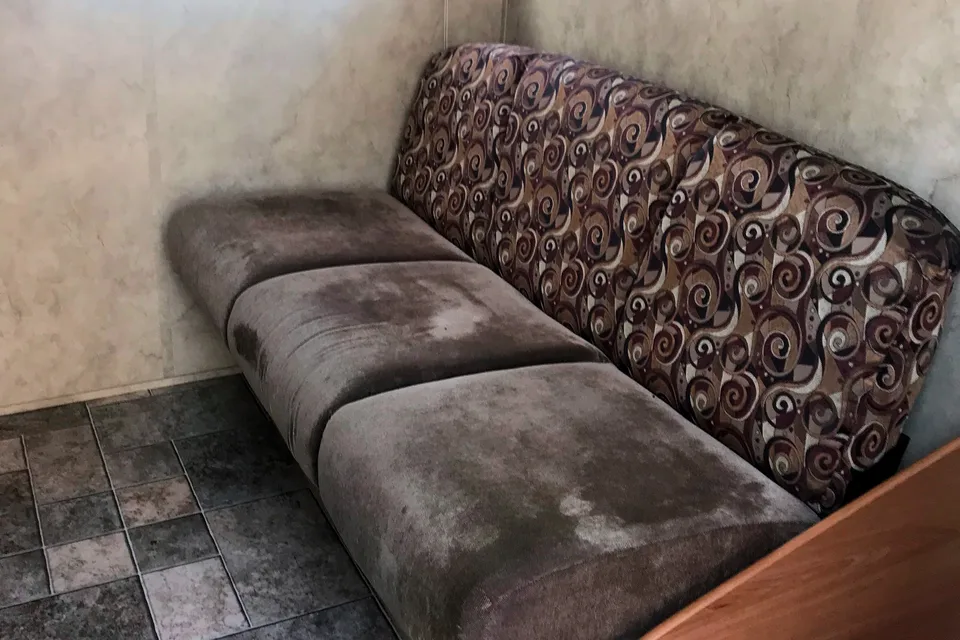
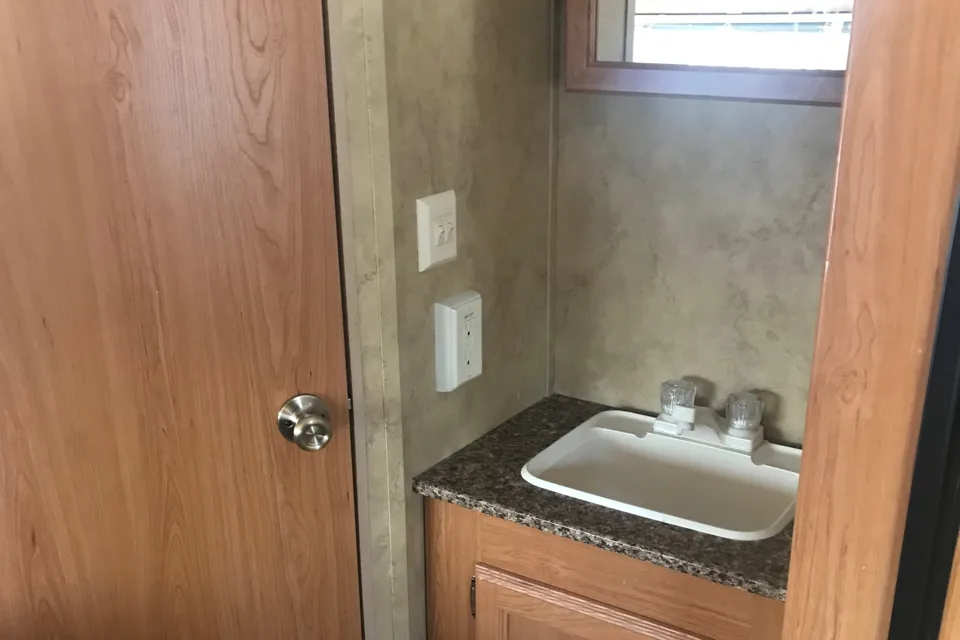
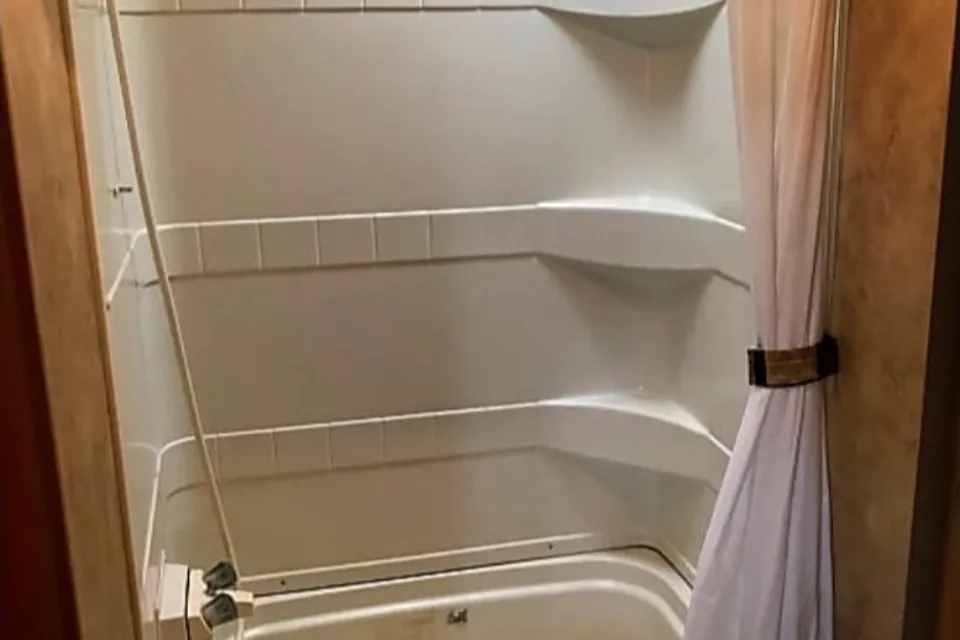
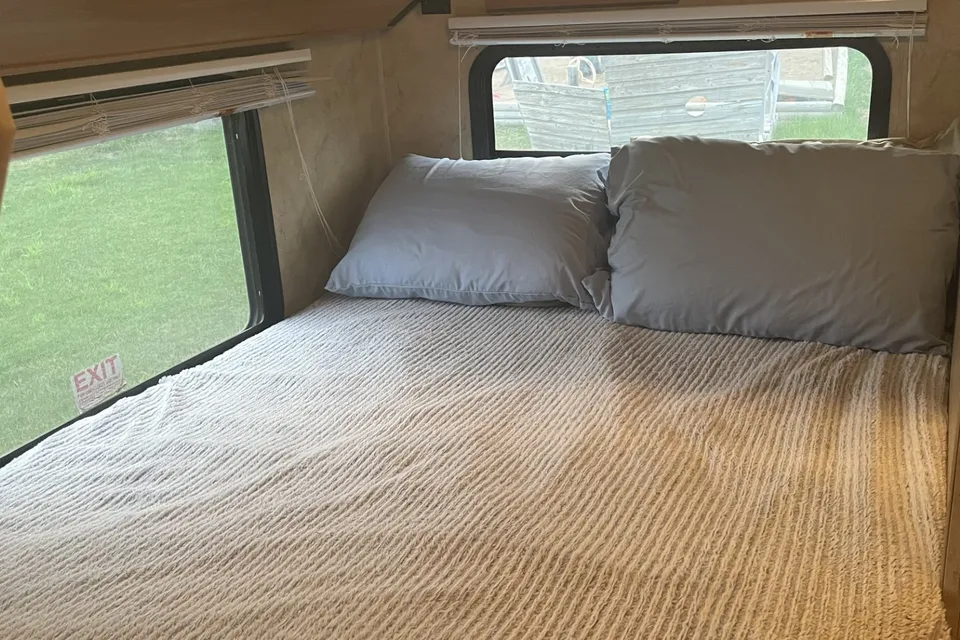
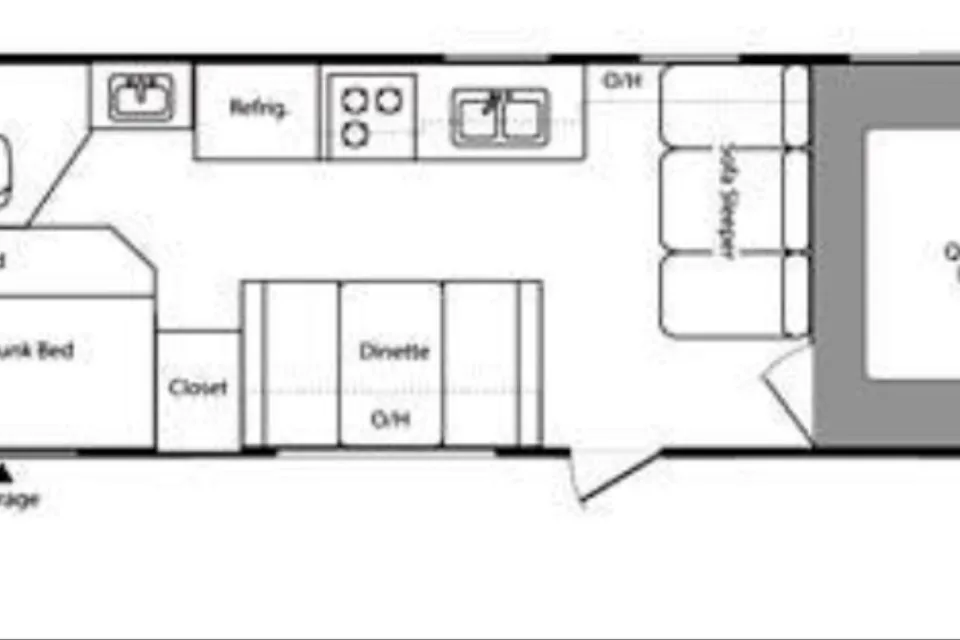 Superhost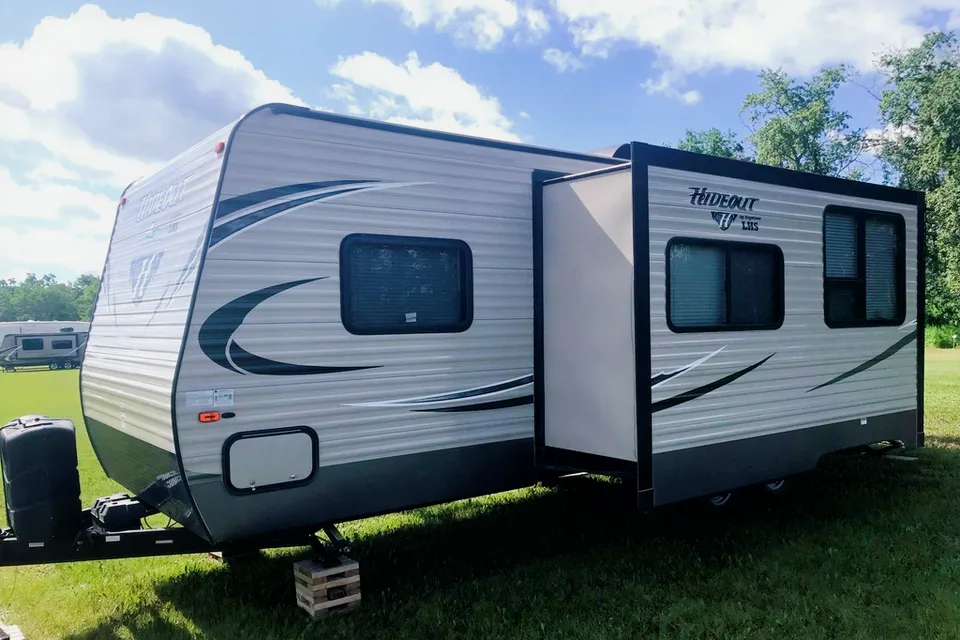
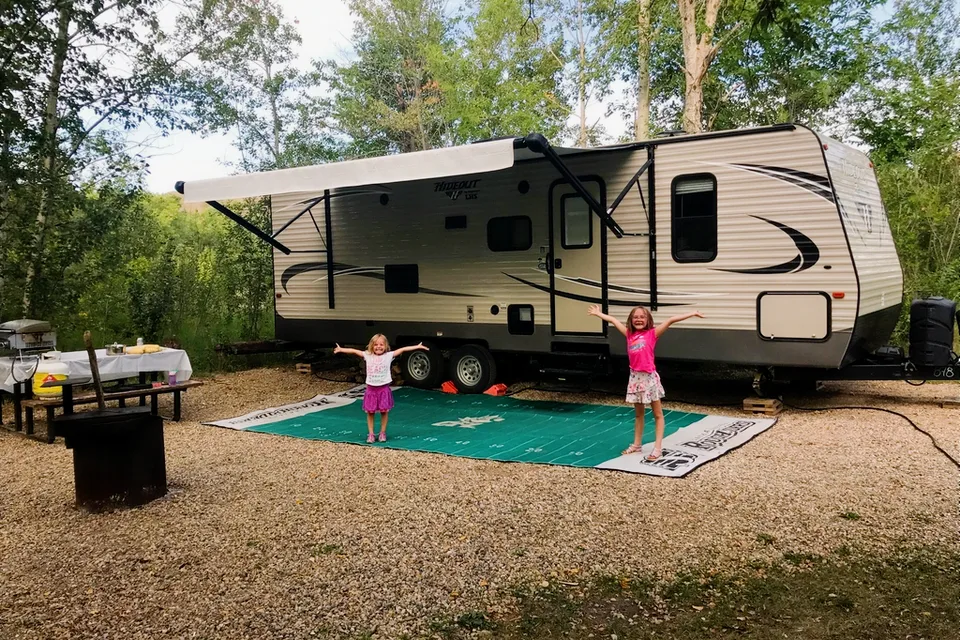
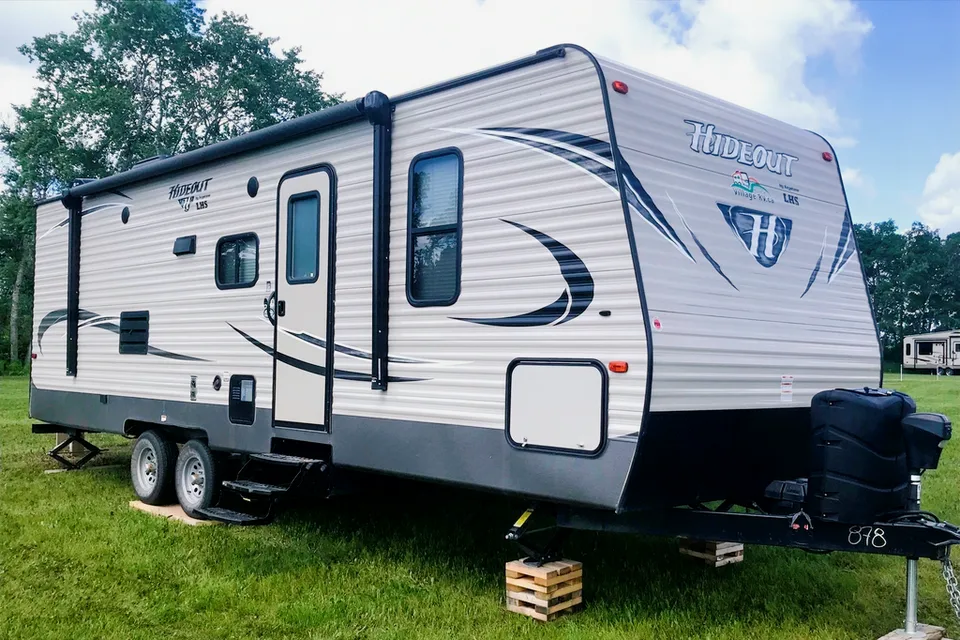
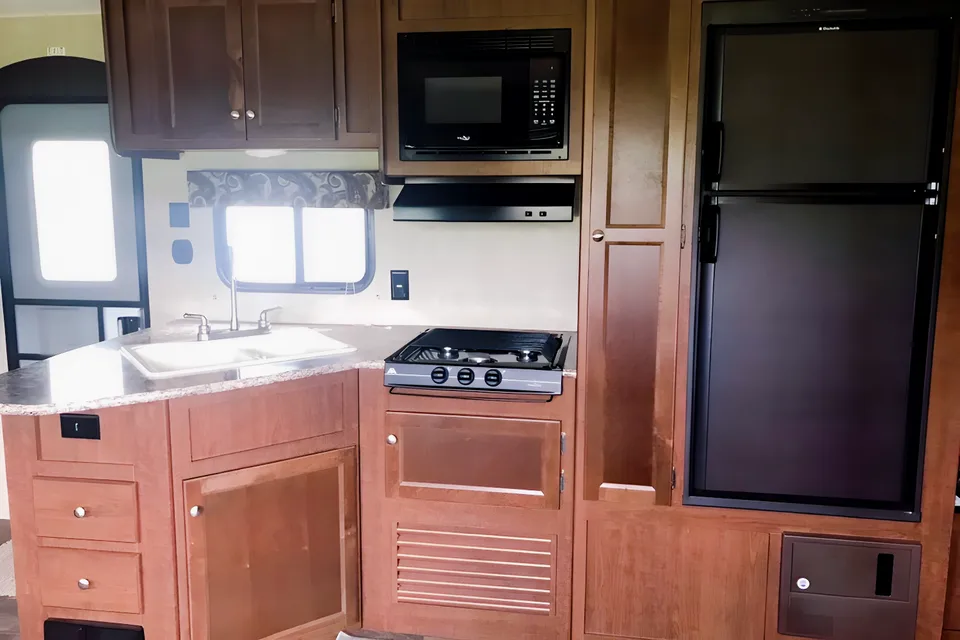
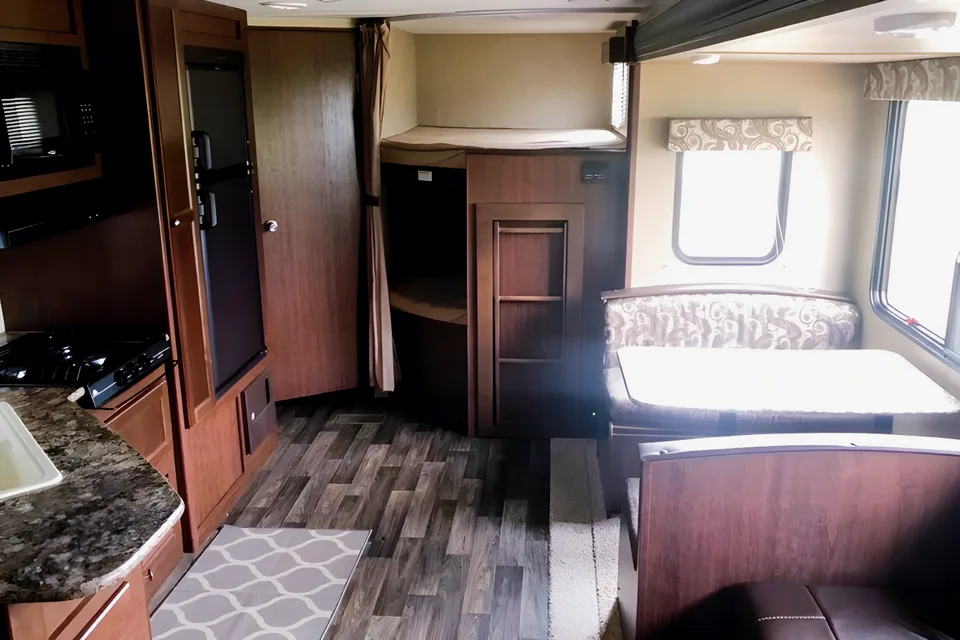
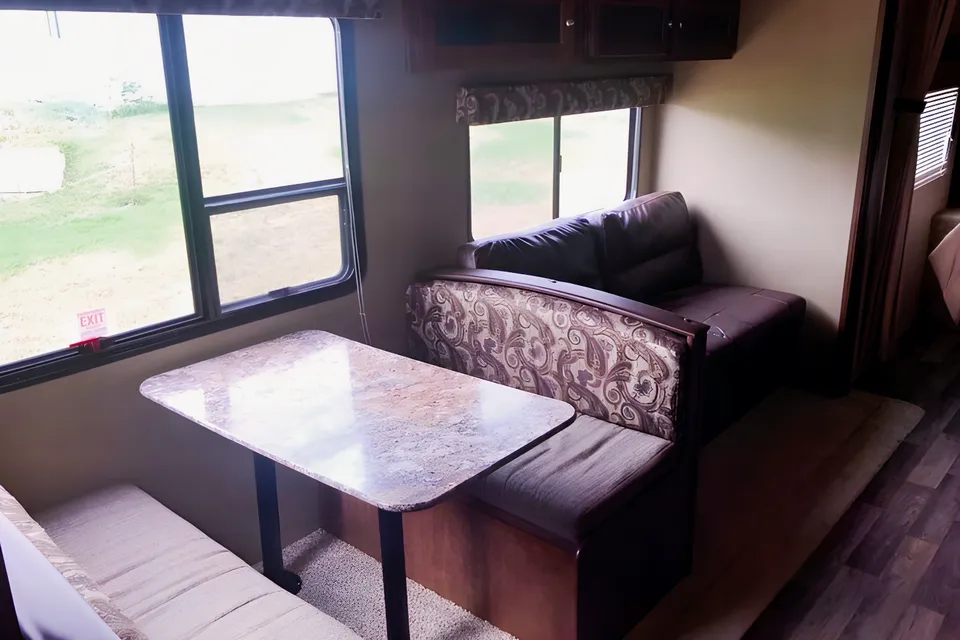
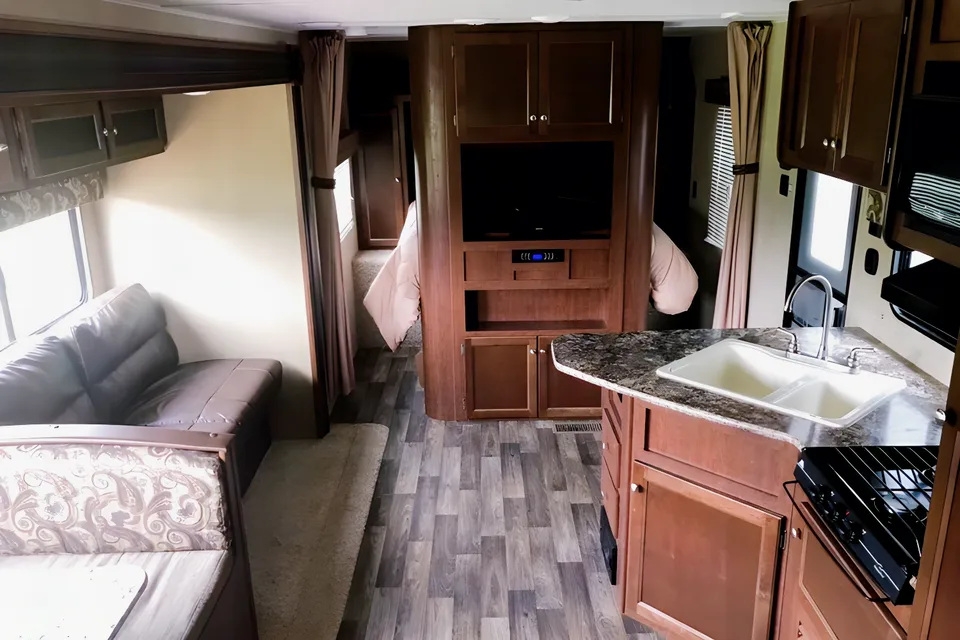
 Superhost
Best time to visit Porcupine Hills Provincial Park
Late June through early September offers the most reliable RV travel weather, with long daylight hours, warm days, and generally dry gravel access roads. July and August are peak for wildlife viewing and berry picking but also peak bug season, so screened shelters and repellent are essential. Early September brings cooler nights, fewer insects, and fall colour in the aspen and birch. Shoulder-season travel in May and October is possible but road conditions can deteriorate quickly after rain or early snow.
Deep winter, park roads not maintained for RVs
Access roads unplowed, RV travel not feasible
Snowpack still present, gravel roads closed to RVs
Spring thaw, roads often soft and impassable for RVs
Early season access; check road conditions after rain
Long days, peak bug season begins
Warmest month, thunderstorms possible
Prime RV travel window
Fall colour, cooler nights, fewer bugs
Hunting season activity, early snow possible
Winter returns, RV access ends
Roads snow-covered, RV travel not feasible
Things to do at Porcupine Hills Provincial Park
- Wildlife viewing EasyRV parking available
The park is a strong spot for observing boreal wildlife including moose, white-tailed deer, black bear, and a wide range of songbirds and raptors. Quiet back roads at dawn and dusk offer the best sightings. Bring binoculars and keep a safe distance from large mammals.
- Backcountry hiking and exploring Moderate
Informal trails and old resource roads let visitors explore the rolling forested terrain of the Porcupine Hills on foot. Routes are generally unmarked, so carry a map, GPS, and bear spray. Expect mixed aspen, birch, and spruce forest with wetland crossings.
- Berry picking Easy
Late summer brings wild blueberries, raspberries, and saskatoons along forest edges and clearings. Pickers should be bear-aware and make noise while working through dense patches. Check current regulations before harvesting in protected areas.
- Bird watching EasyRV parking available
The mix of boreal forest, wetlands, and aspen parkland supports warblers, woodpeckers, owls, and waterfowl. Spring and early summer are the most productive times for birders. Early mornings yield the highest activity.
- Photography and scenic driving EasyRV parking available
Gravel routes through the Porcupine Hills offer long sightlines across forested ridges, beaver ponds, and hay meadows in surrounding areas. Autumn colour in September is particularly striking. Drive cautiously on loose surfaces and watch for wildlife on roadways.
- Hunting in season ModerateRV parking available
The Porcupine Hills area is a traditional hunting region for moose, elk, deer, and upland birds under Saskatchewan provincial regulations. Non-resident hunters require appropriate licenses and, in many cases, an outfitter. Confirm zone boundaries and season dates with the provincial hunting and trapping guide before travel.

RV delivery to a campground, made simple
Skip the pickup. Skip the towing. Get an RV delivered and set up at your campsite so you can arrive, unpack, and start your trip stress-free.
Choose your perfect RV
Browse RVs that offer delivery to your site and book the one that fits your budget and adventure style.
Lock in your campsite
Reserve your campsite with the hookups and amenities you need. We’ll help you find RVs that meet site requirements.
Arrive and relax
Your host delivers and sets up the RV before you get there. Just show up and start enjoying your trip.
Find the perfect RV for these nearby campgrounds
RV Rentals Porcupine Hills Provincial Park
Porcupine Hills Provincial Park, SK, Canada
How to get to Porcupine Hills Provincial Park
The park lies in east-central Saskatchewan near the Manitoba border, with the town of Hudson Bay, SK serving as the main gateway community roughly 30 to 60 minutes from the park edge via Highway 9 and connecting grid roads. From Saskatoon, expect about 4.5 to 5 hours northeast via Highways 16 and 3. From Winnipeg, expect a drive of roughly 5 to 6 hours west on the Trans-Canada and north through Manitoba via Highway 10. Access to the park interior is primarily via gravel forestry and grid roads that can be narrow, soft after rain, and unsuitable for long Class A motorhomes or large fifth wheels, so smaller rigs and truck campers are better suited. The nearest regional airports for fly-and-rent trips are Saskatoon (YXE) and Winnipeg (YWG).
RVezy vs. Traditional RV rental
RVezy rentals
- Book directly from local RV owners
- Choose the exact RV you want
- Delivery to your campsite, home, or destination
- More variety: trailers, motorhomes, and campers
Traditional RV rental
- Limited fleet from a rental company
- Exact RV not guaranteed
- Pickup only at retail locations
- Fewer RV types and less availability