Potholes State Park - United States
Discover the RVezy RV rental marketplace
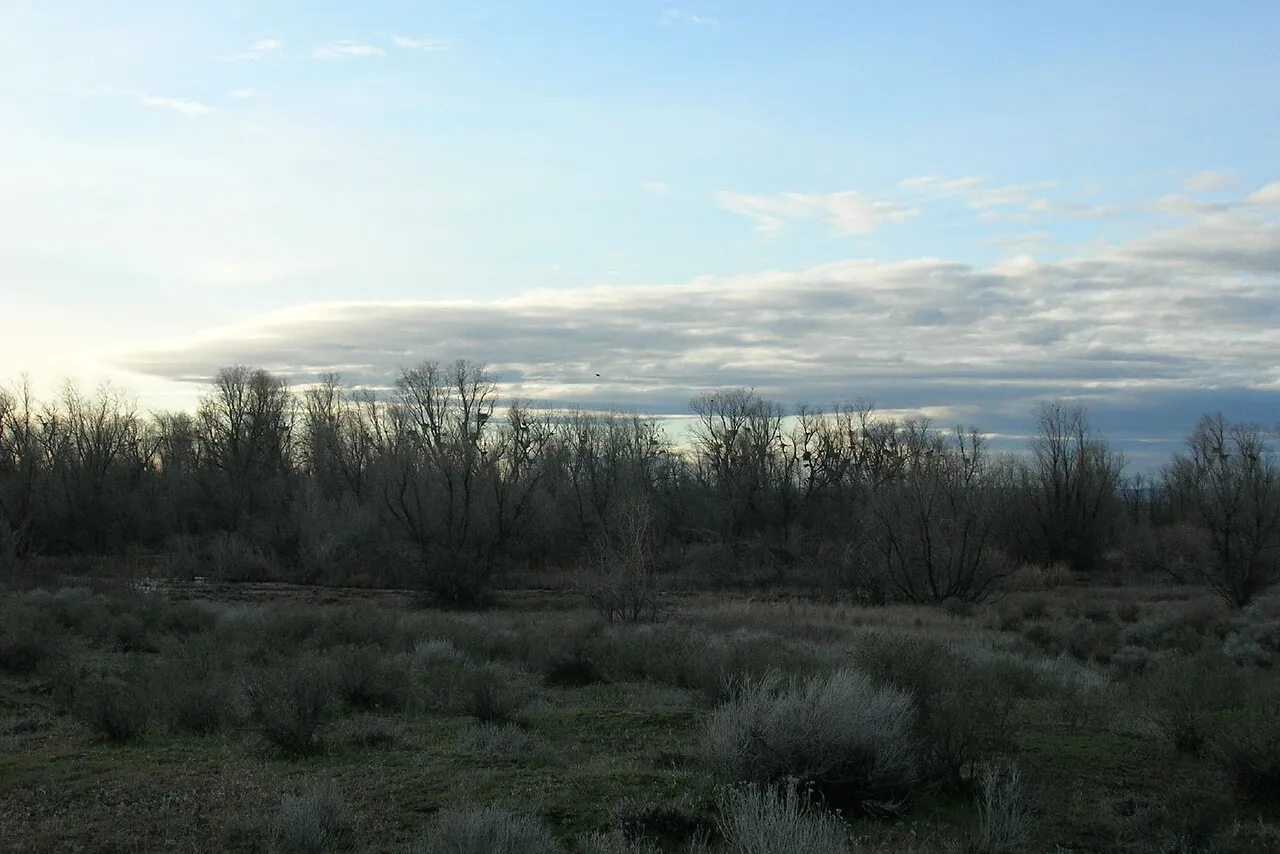
About Potholes State Park
RV quick facts for Potholes State Park
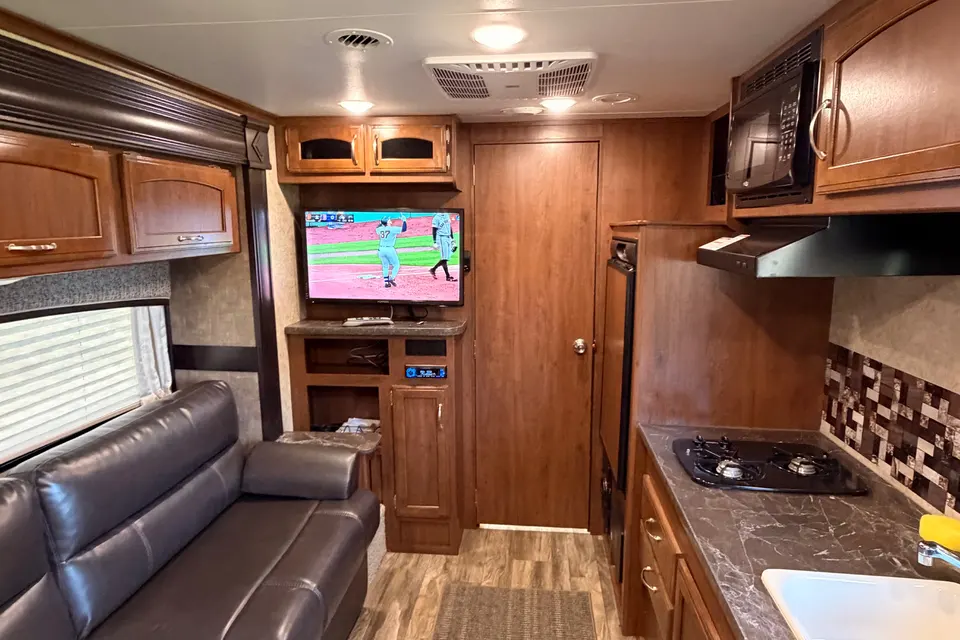
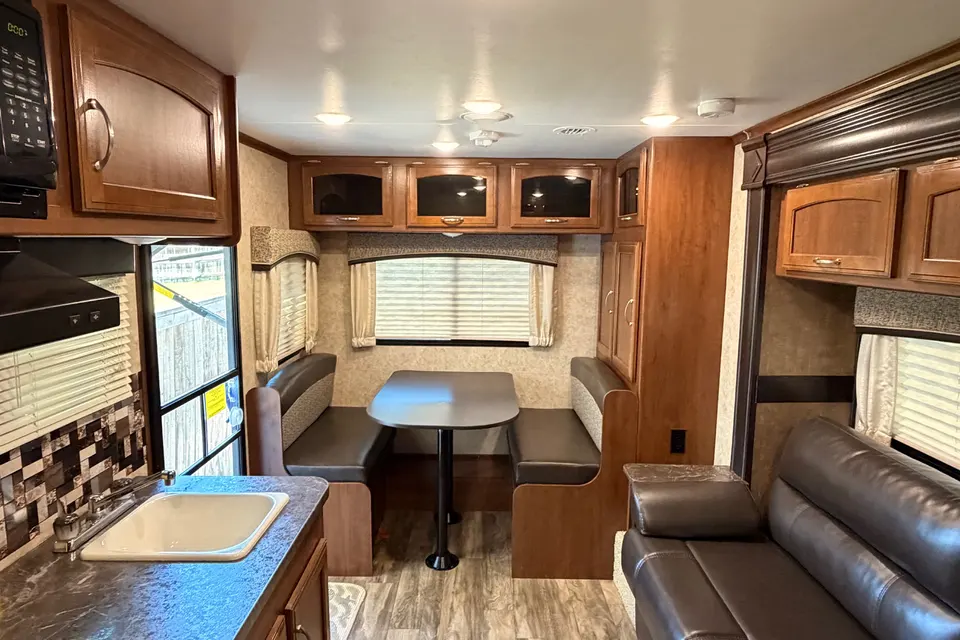
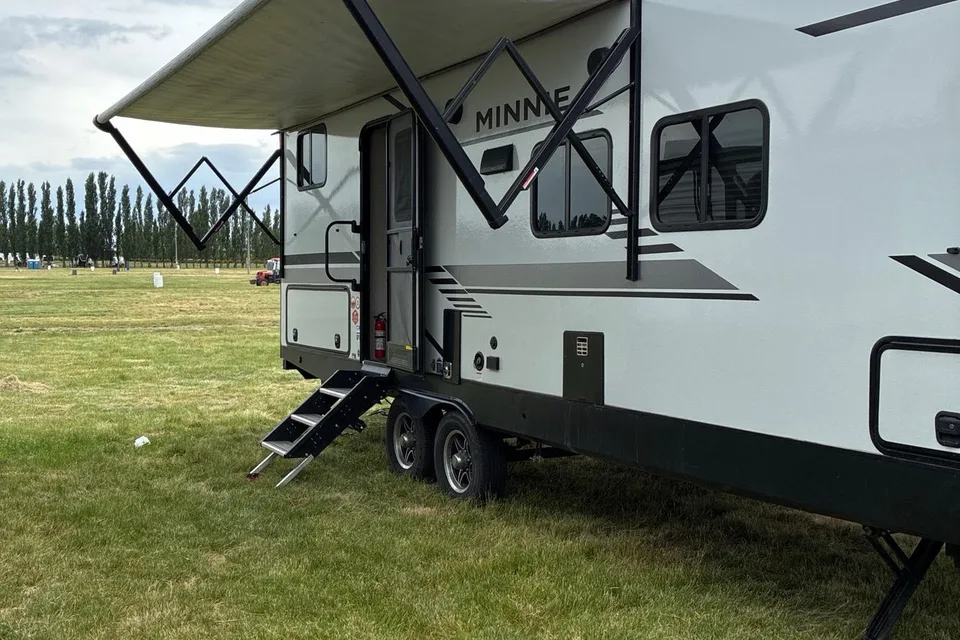
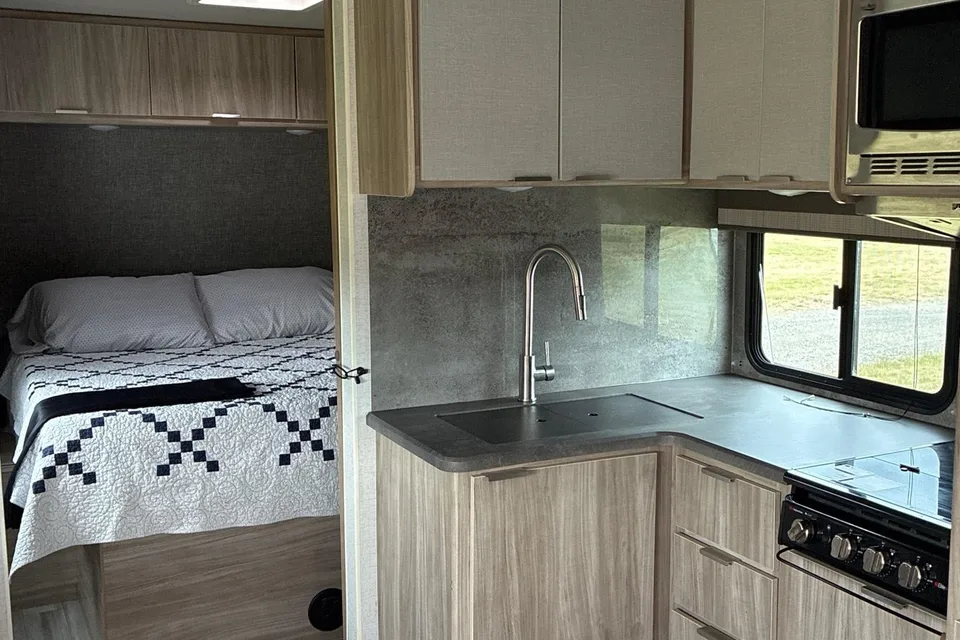
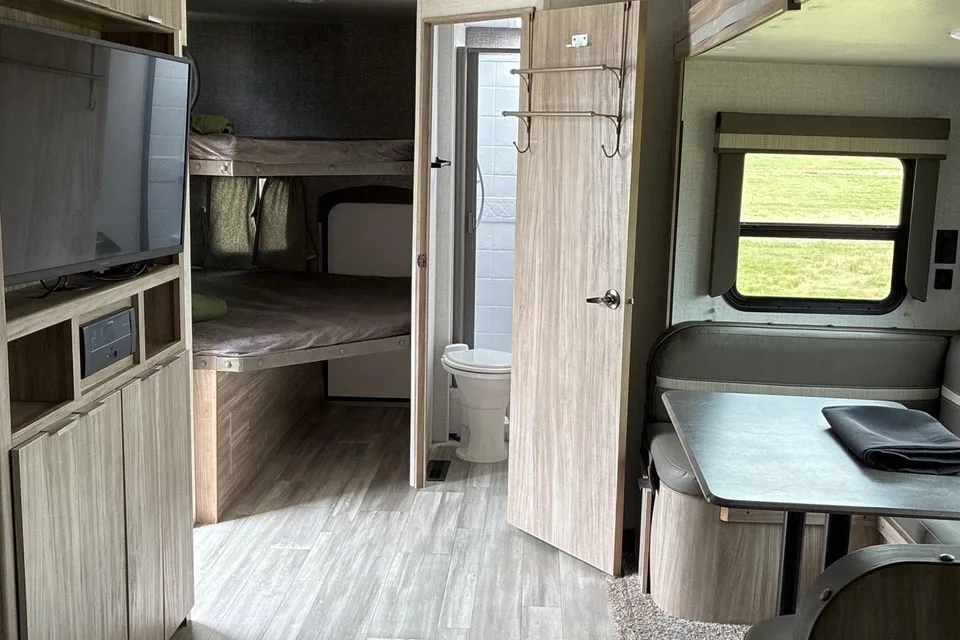
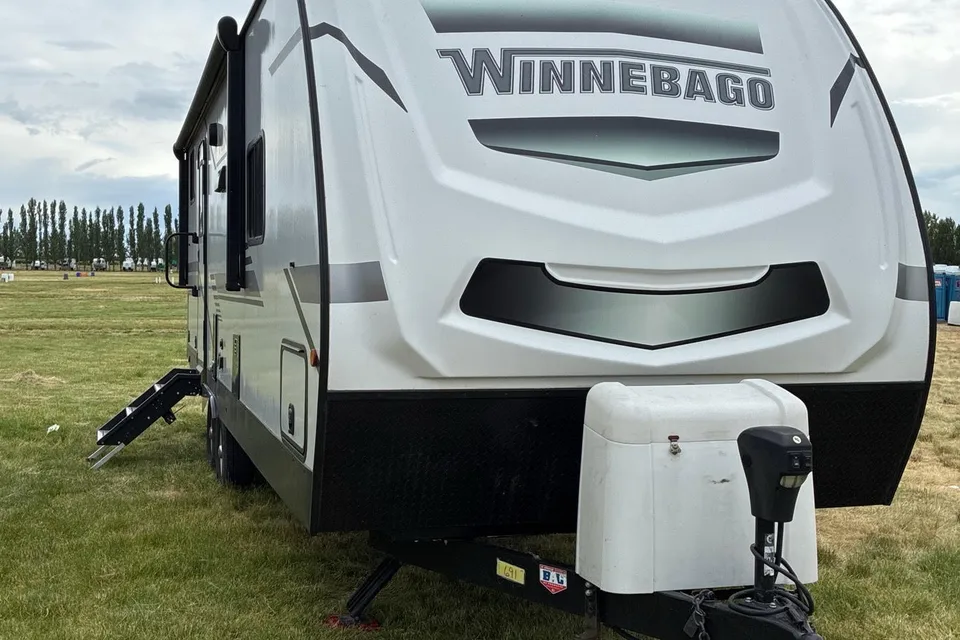
Featured RV rentals for Potholes State Park
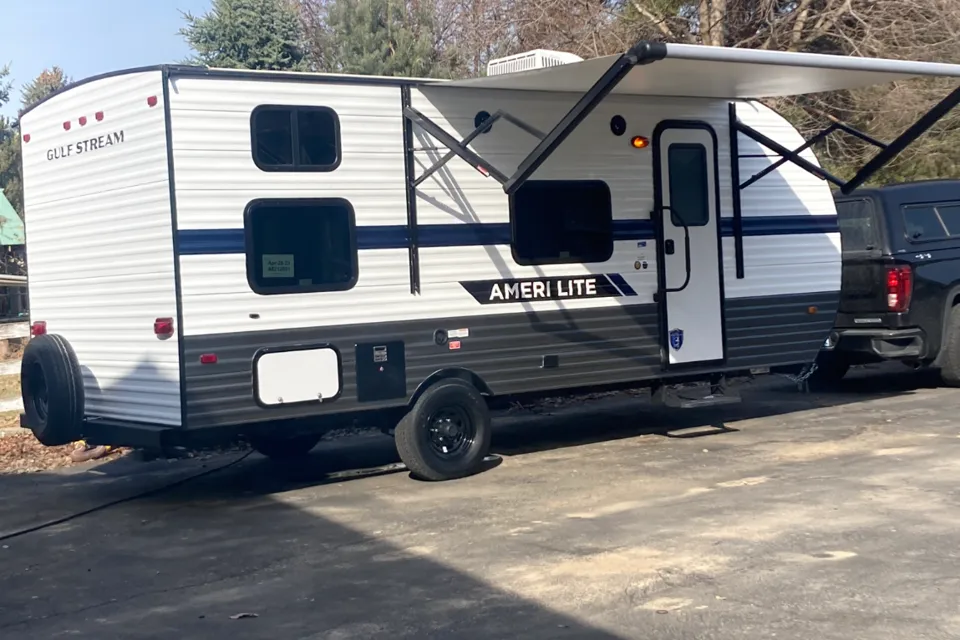
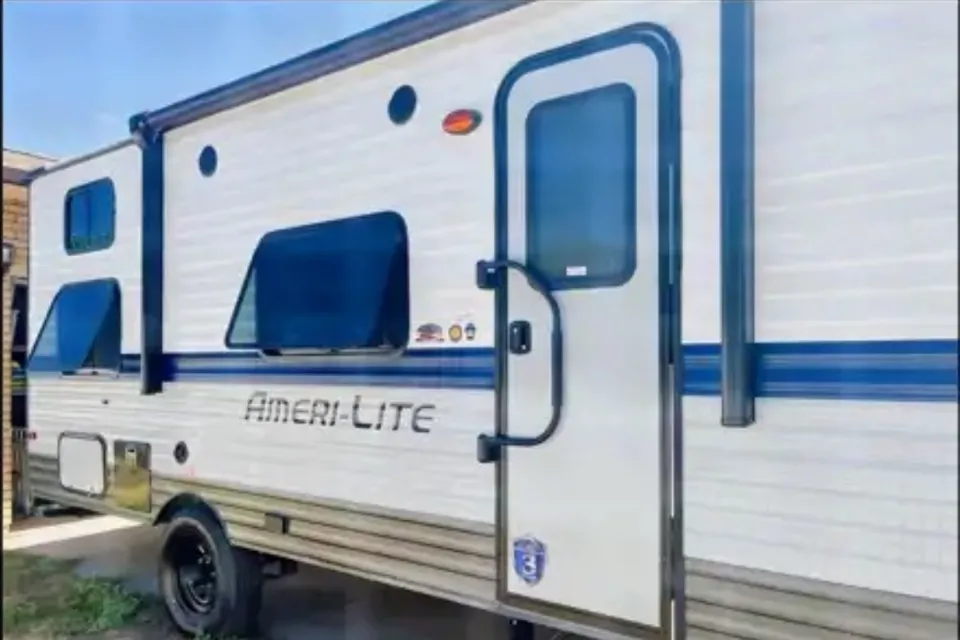
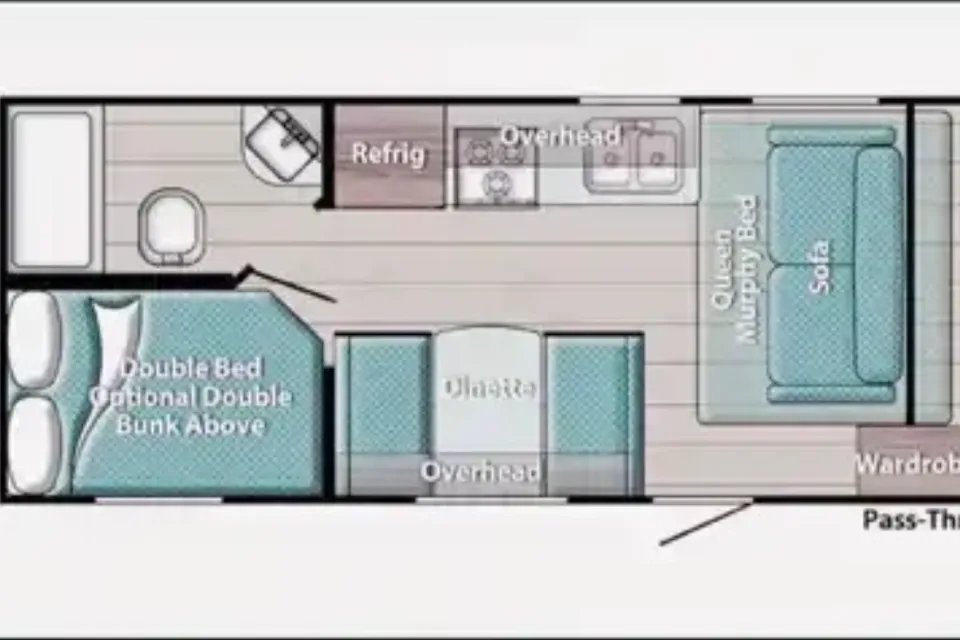
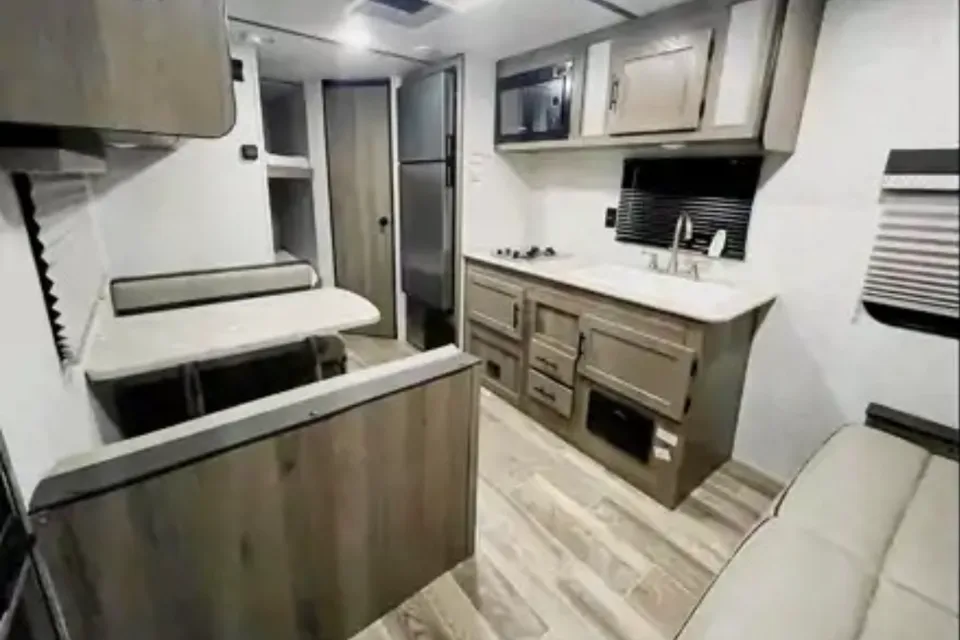
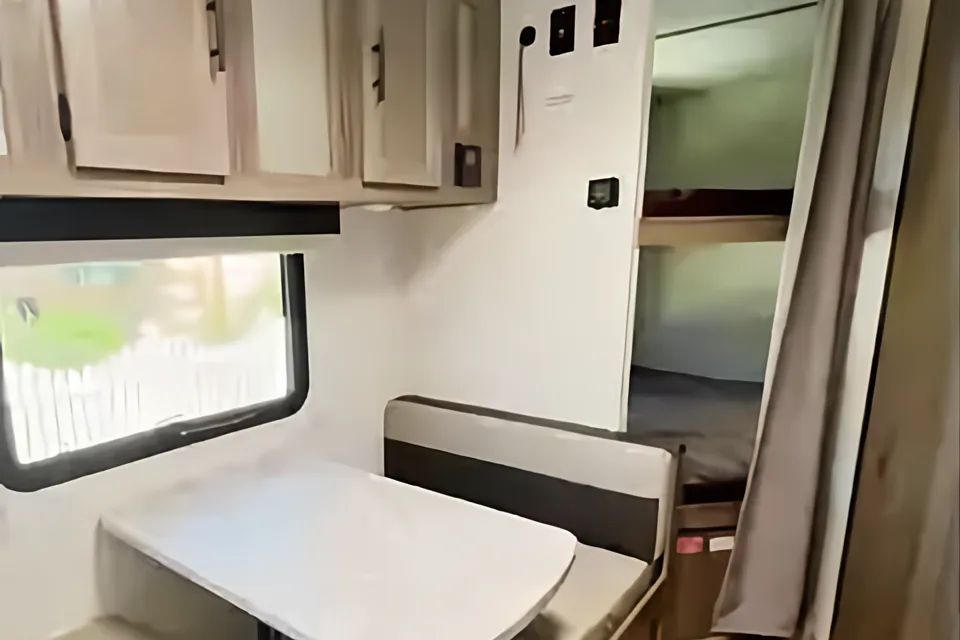
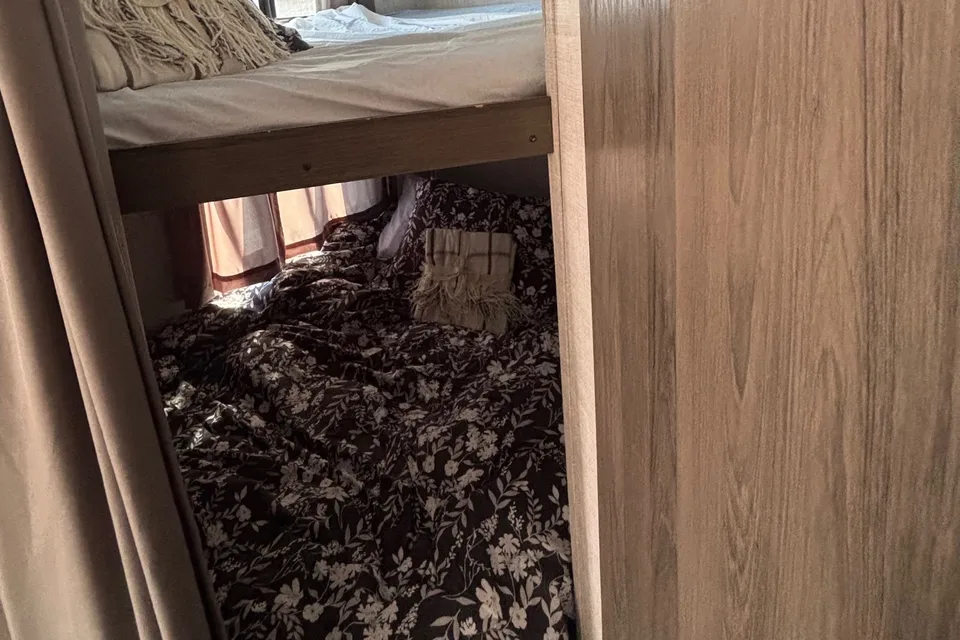
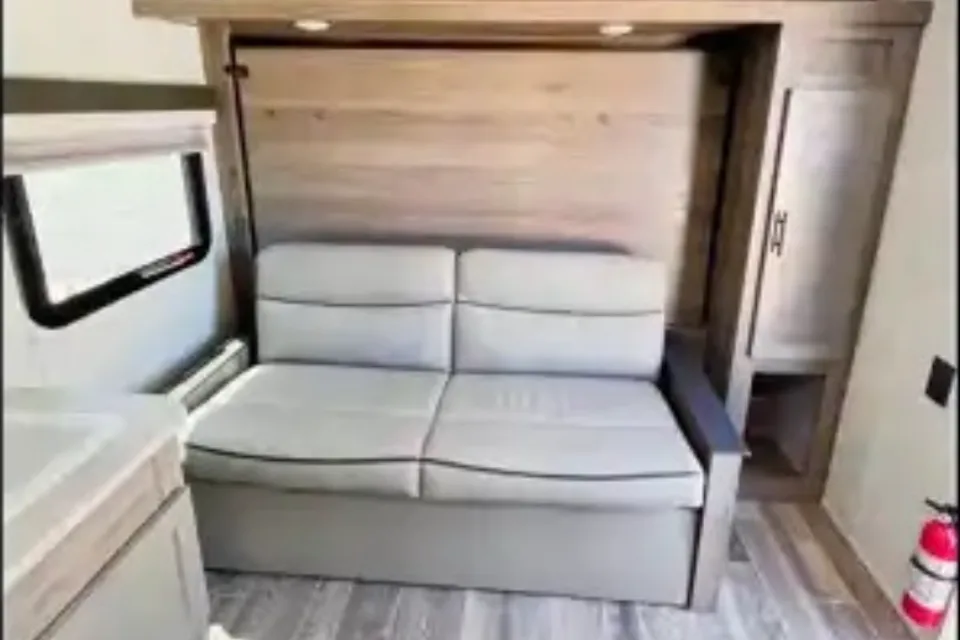

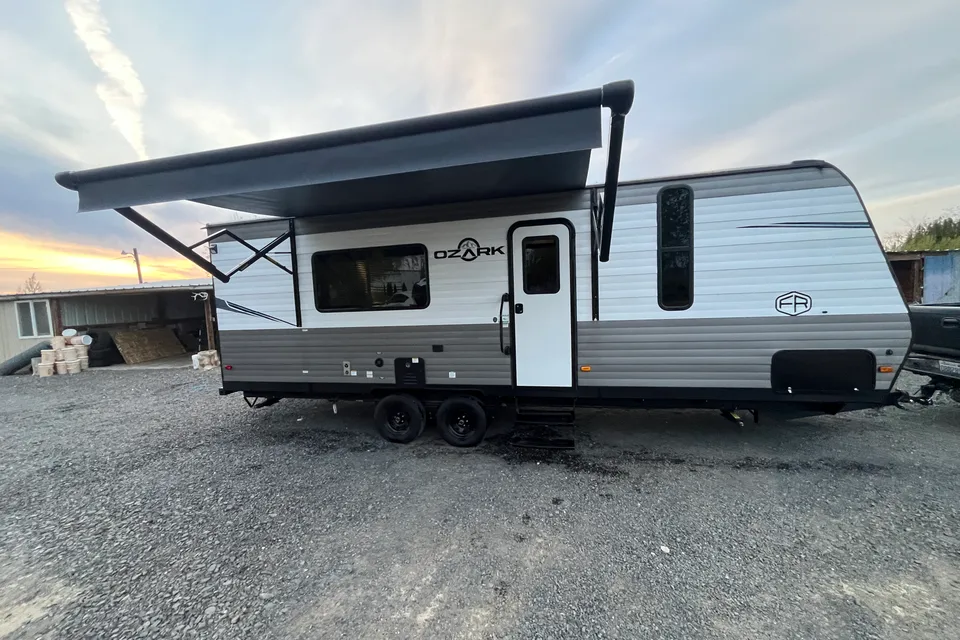
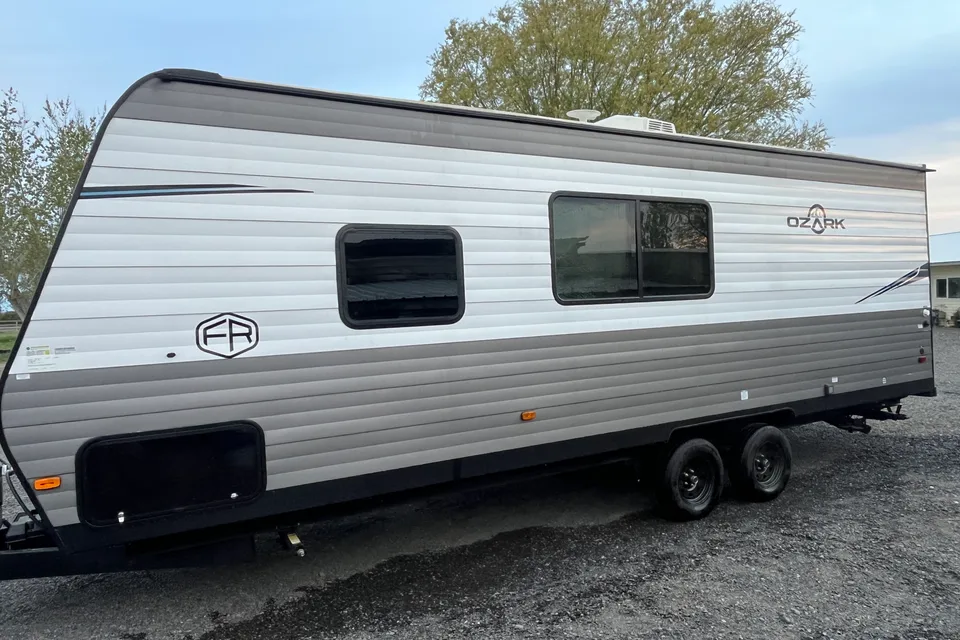
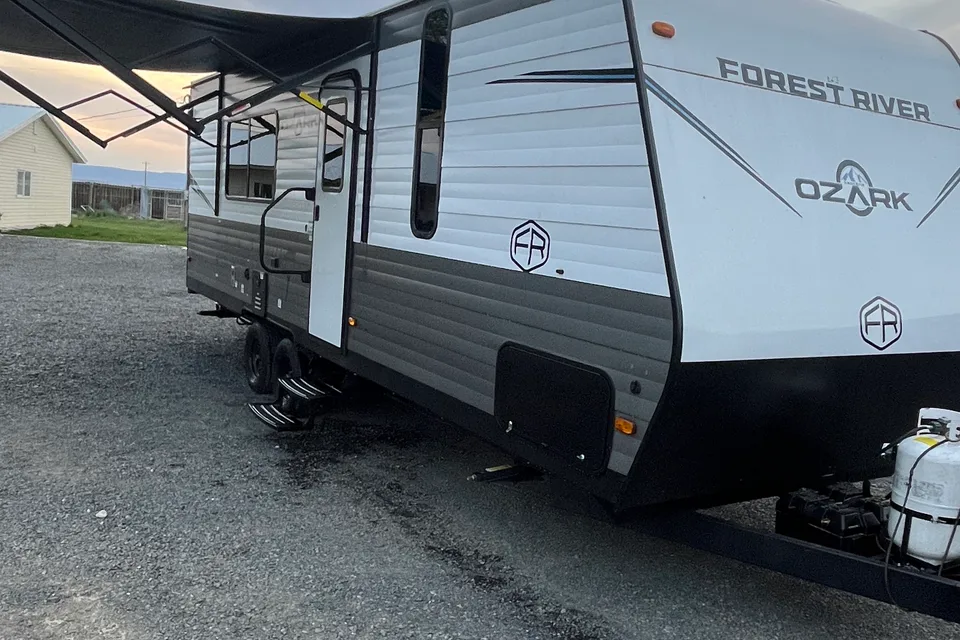
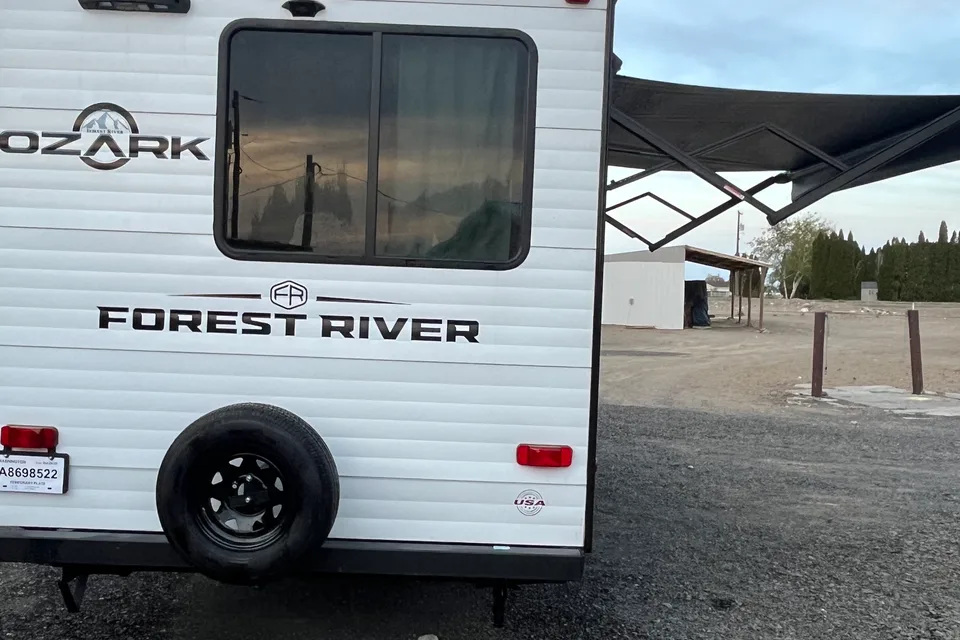
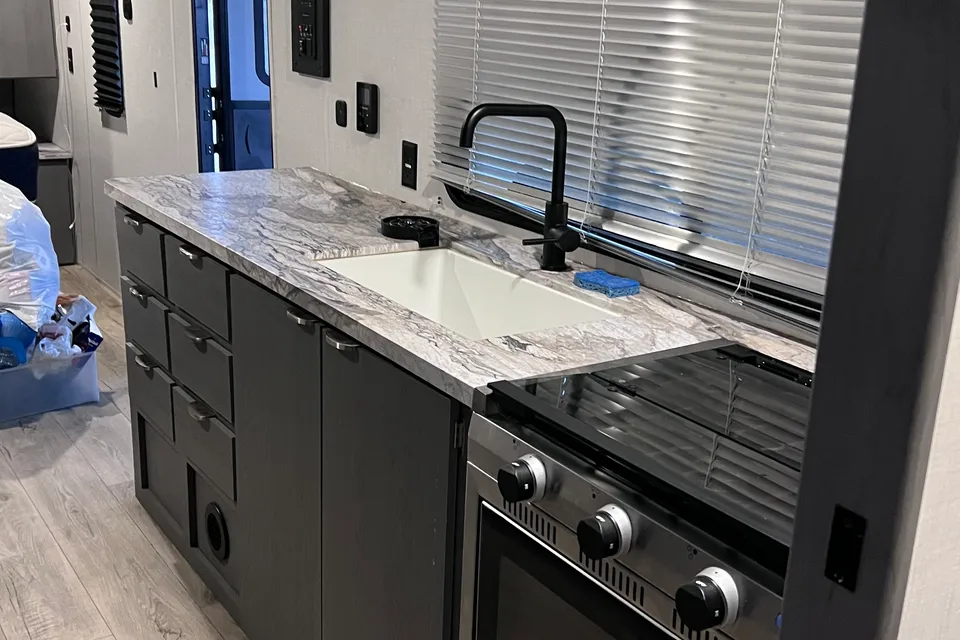
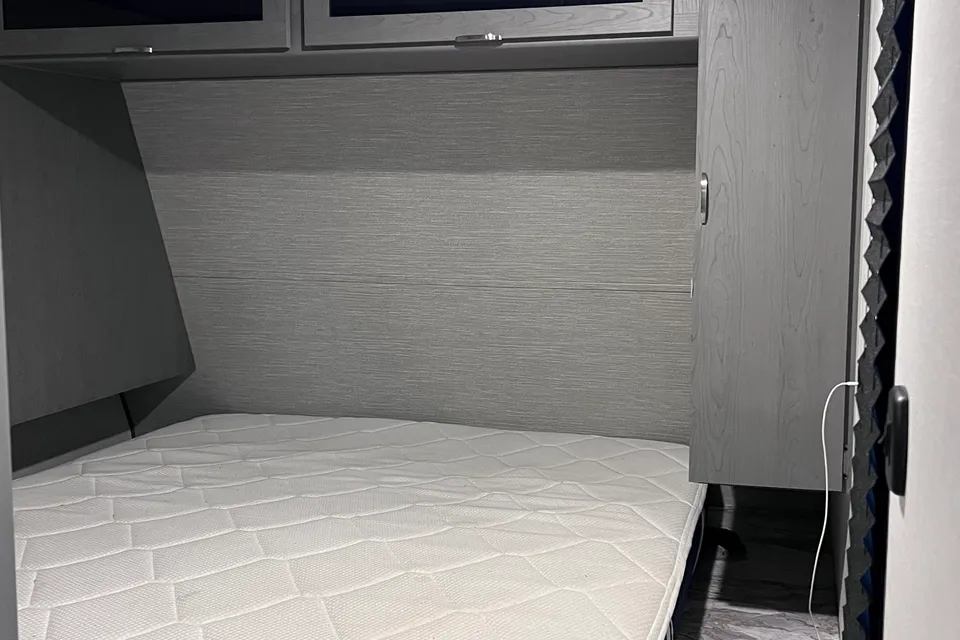
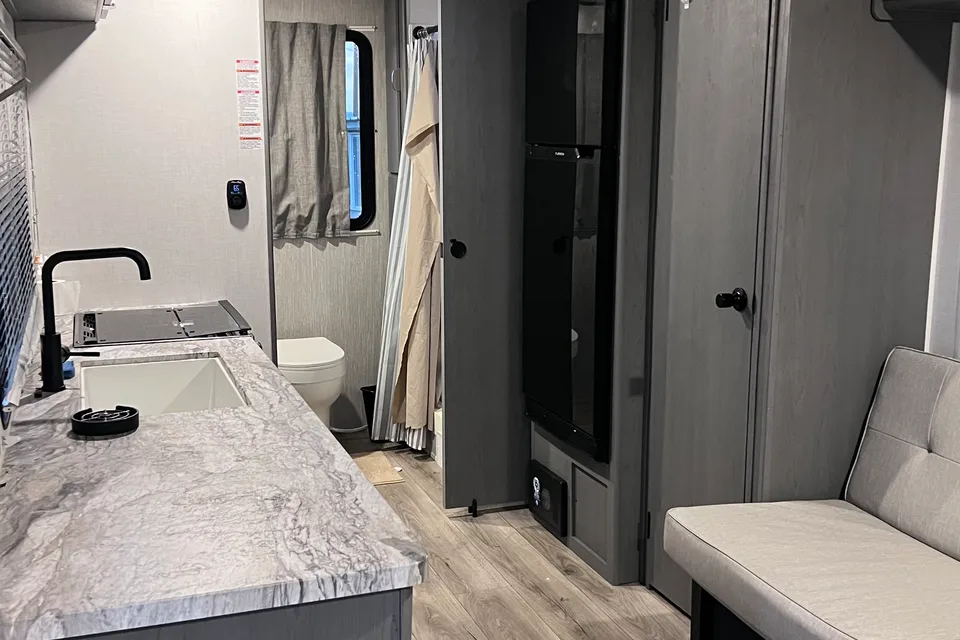
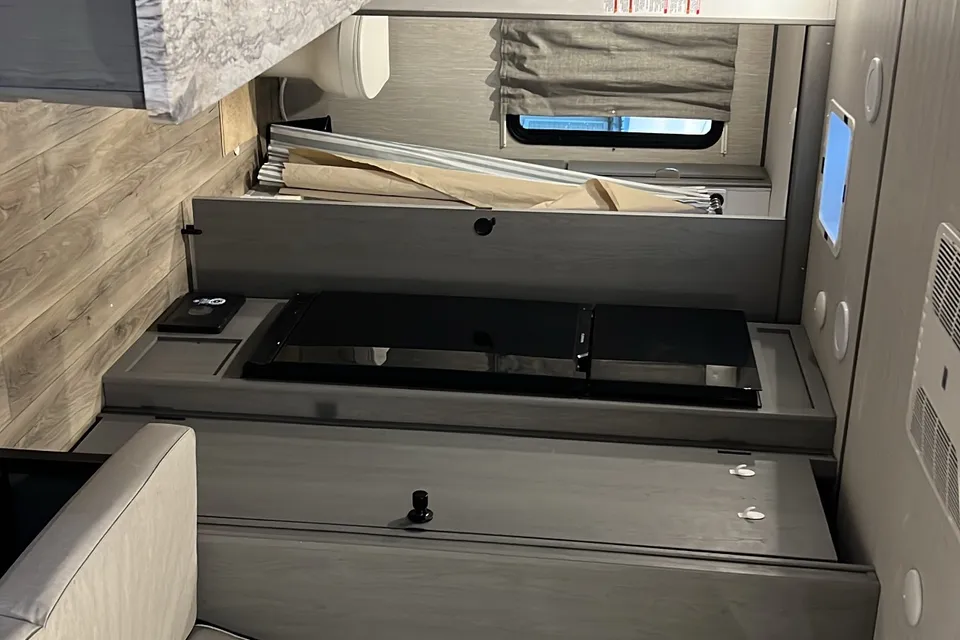
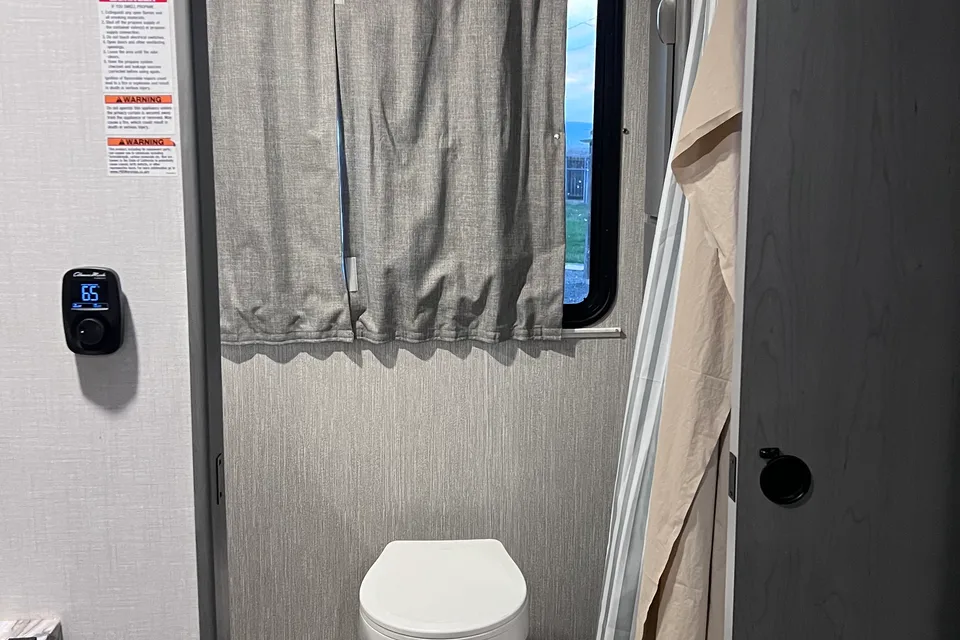
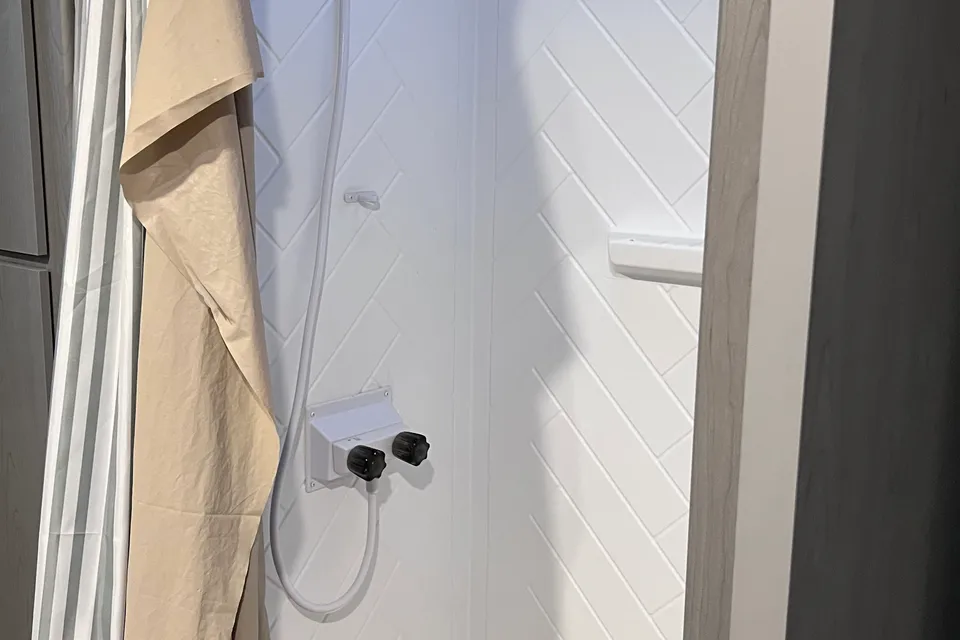
 Superhost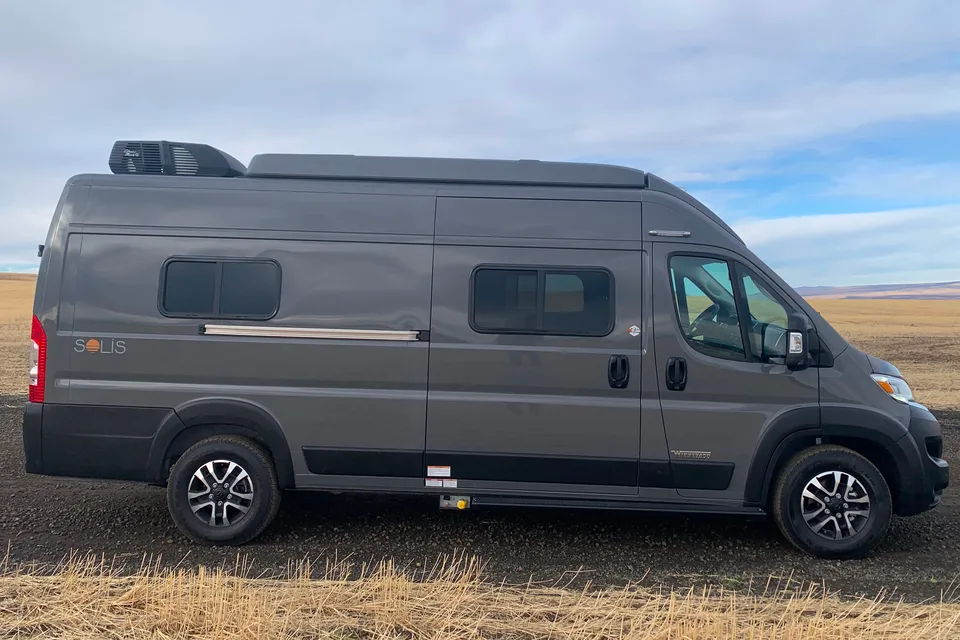
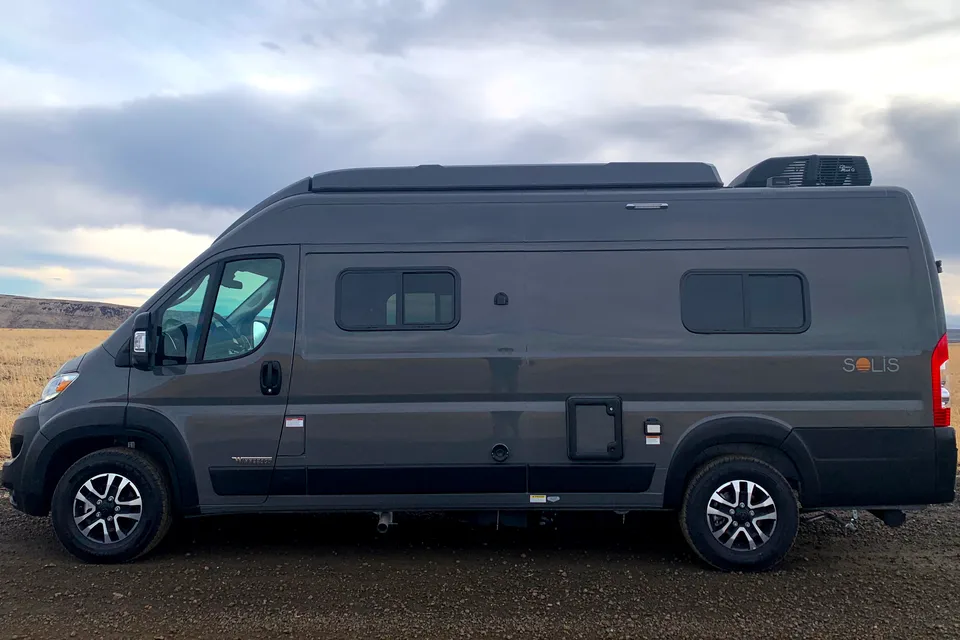
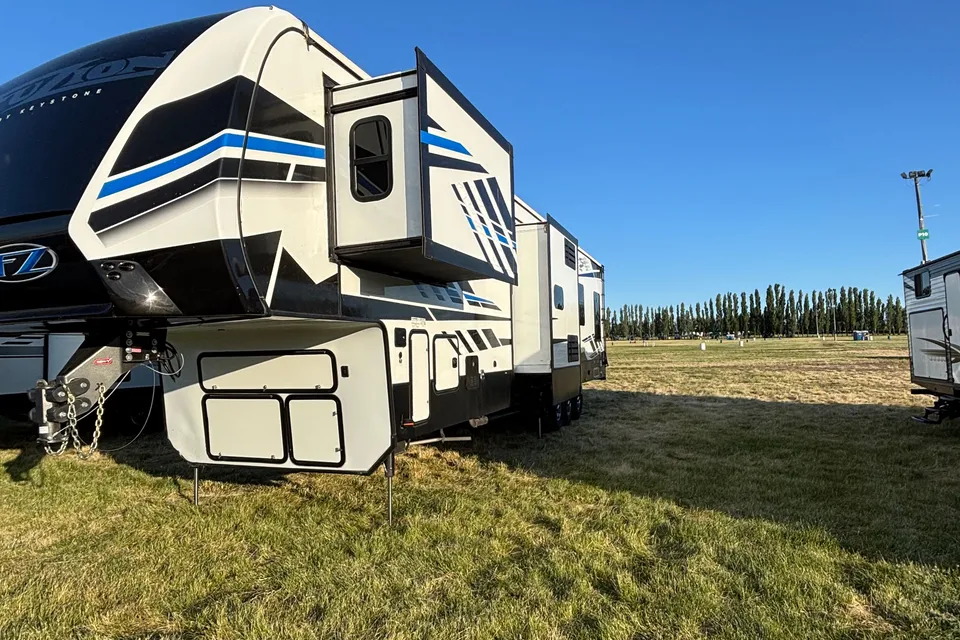
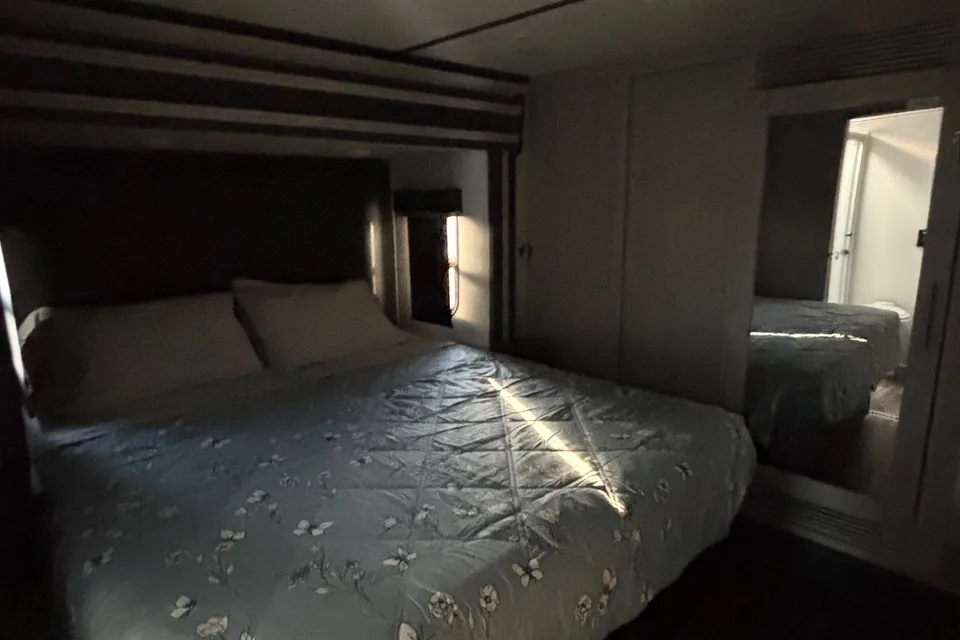
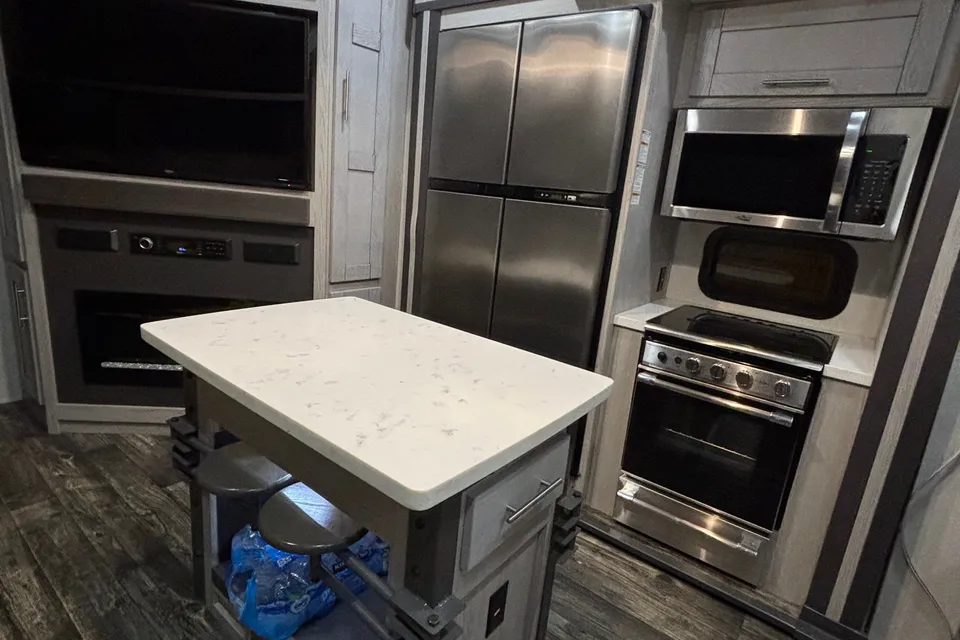
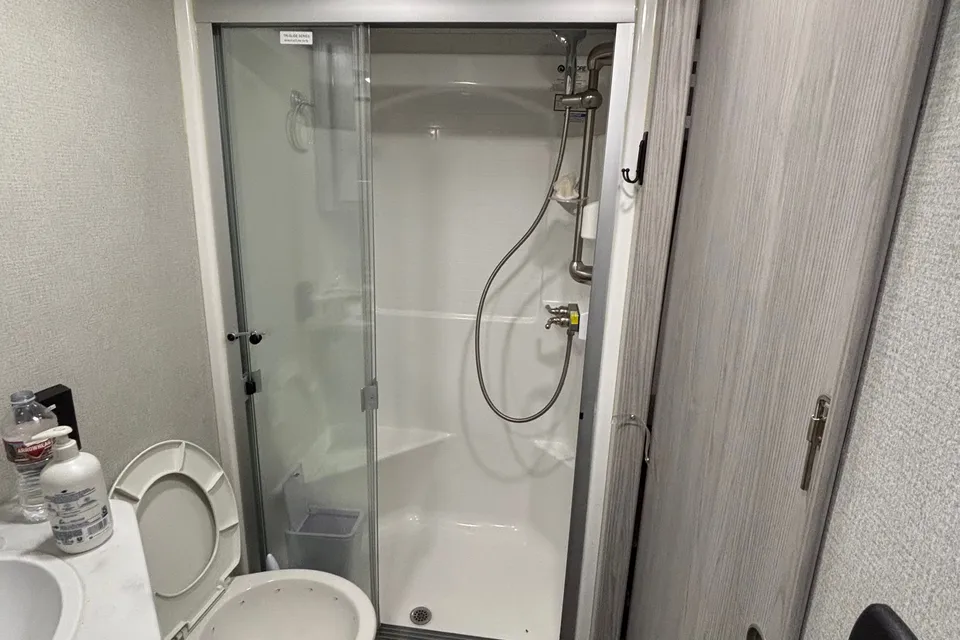
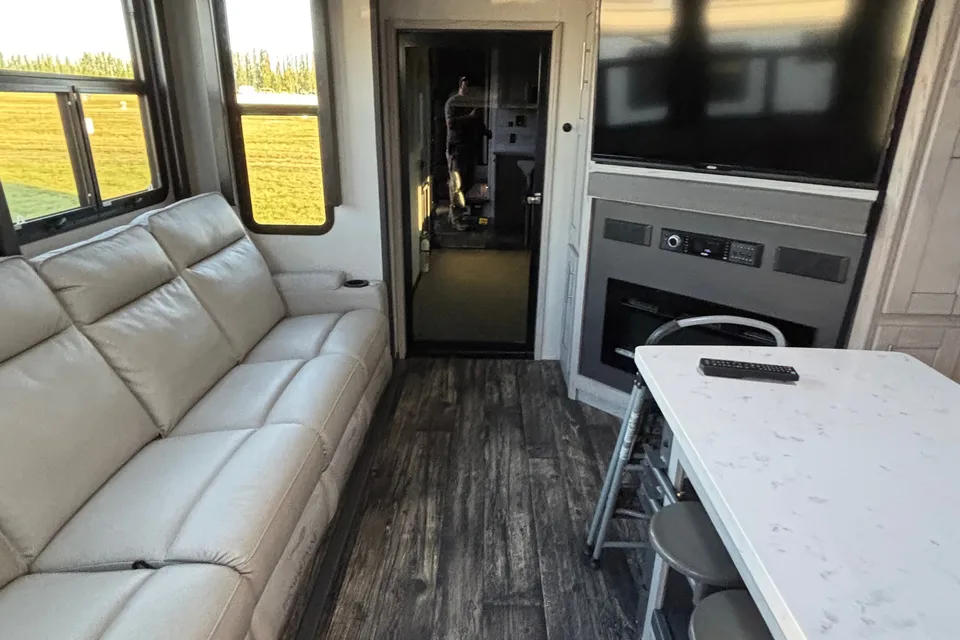
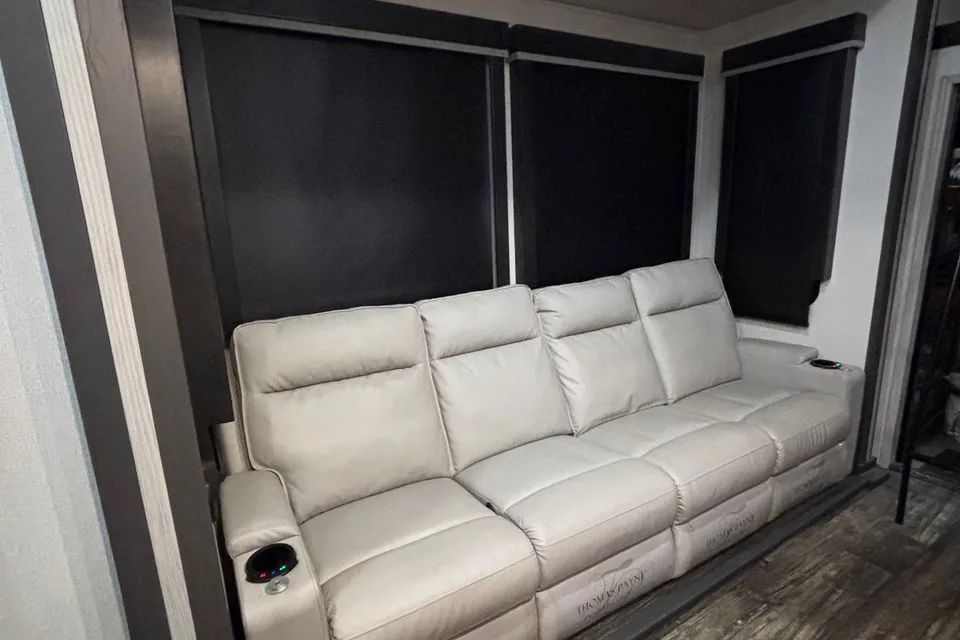
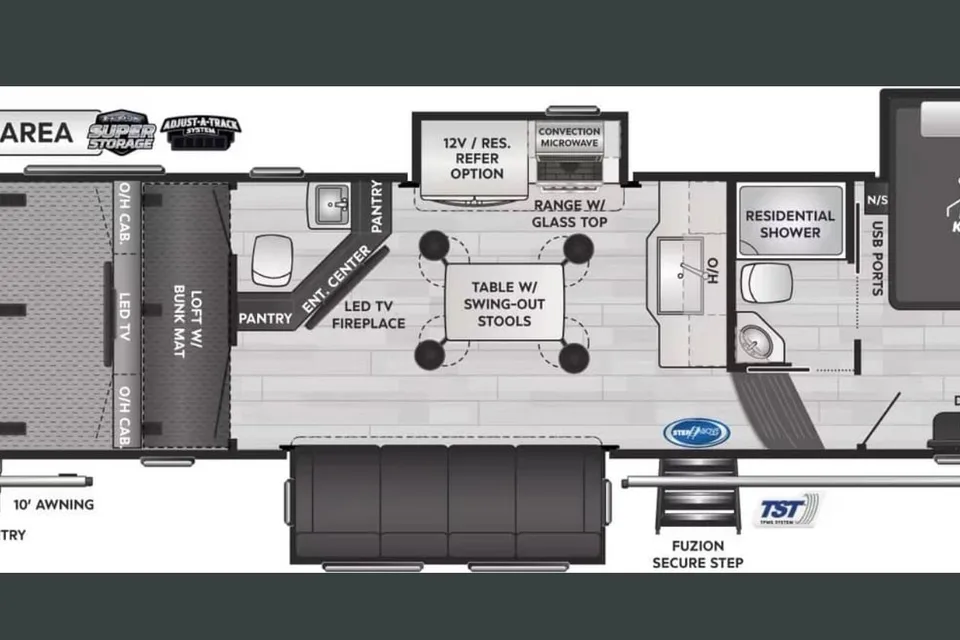
 Delivery only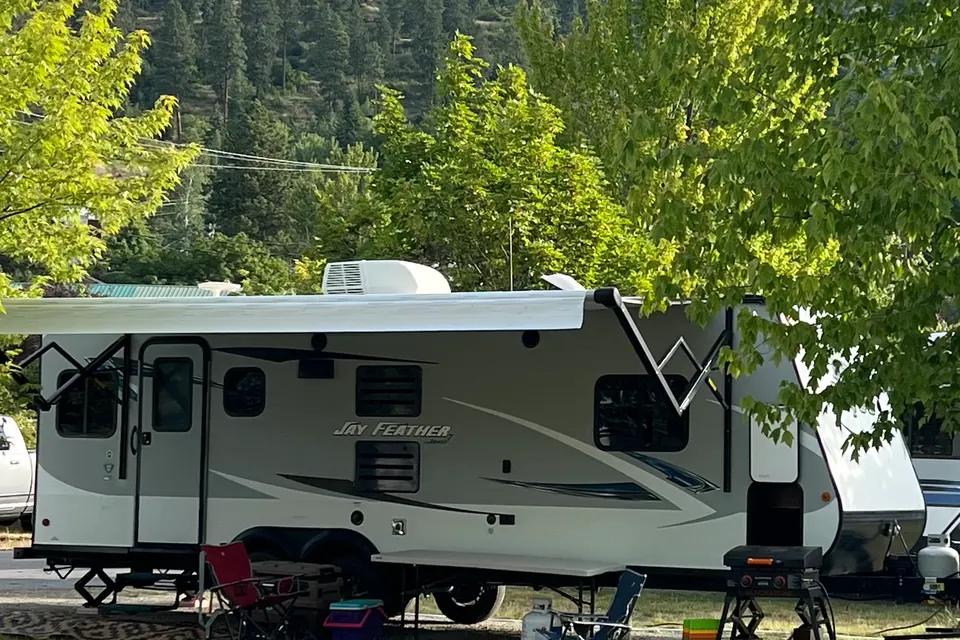
Best time to visit Potholes State Park
Late spring through early fall is the most comfortable window for RV travel, with May, June, and September typically offering warm days, cooler nights, and fewer crowds than midsummer. July and August bring the hottest temperatures and the busiest weekends, especially for boating and fishing, so reservations are recommended. Shoulder seasons in April and October are good for birdwatching and quieter camping, though nighttime temperatures can drop near freezing. Winter visits are possible but cold, with limited services and occasional snow or ice on park roads.
Cold, possible snow and ice; limited services
Chilly with frosty nights
Early spring, variable weather
Mild days, cool nights; good shoulder season
Pleasant camping weather
Warm and increasingly busy
Peak season; hot, reserve early
Hot, dry; watch for fire restrictions
Warm days, cool nights; quieter weekends
Fall birdwatching season
Cold, reduced services possible
Cold, icy roads possible; check park status before arrival
Things to do at Potholes State Park
- Fishing on Potholes Reservoir EasyRV parking available
Potholes Reservoir is widely regarded as one of eastern Washington's top fisheries, with walleye, largemouth and smallmouth bass, rainbow trout, crappie, and perch. The park's boat launch provides direct RV-accessible access to the lake, and anglers fish from boats, the shoreline, and the dunes area. A Washington fishing license is required.
- Boating and PaddlingRV parking available
The reservoir offers miles of open water and a maze of dune islands and sloughs popular with motorboats, kayaks, and paddleboards. The park boat ramp is suited to trailered boats, and the launch parking area accommodates vehicles with trailers. Wind can pick up quickly in the afternoon, so plan early launches.
- Swimming and Day Use EasyRV parking available
Designated swimming areas along the park's shoreline draw families in summer. Sandy beaches, shaded picnic tables, and nearby restrooms make it an easy half-day stop for RV campers. Water levels fluctuate with irrigation releases, so check conditions on arrival.
- Wildlife Viewing at Potholes Wildlife Area EasyRV parking available
The adjacent Washington Department of Fish and Wildlife Potholes Wildlife Area and Columbia National Wildlife Refuge attract large numbers of waterfowl, raptors, and migratory birds. Spring and fall migrations offer the best viewing, with pullouts and trailheads along nearby roads. RV parking is available at several refuge access points.
- Drumheller Channels Exploration EasyRV parking available
The Drumheller Channels National Natural Landmark just south of the park showcases dramatic scablands carved by Ice Age floods. Visitors can drive scenic backroads, pull off at viewpoints, and spot unique basalt buttes and coulees. Most viewpoints have room for RV parking along wide shoulders. nps.gov/iafl/planyourvisit/washington-state.htm
- Sand Dunes Exploration ModerateRV parking available
The dune area along the reservoir's north shore offers a distinctive desert landscape within the park's reach. Visitors can walk the dunes, fish hidden sloughs, or photograph the stark scenery. Access points are accessible by vehicle with ample parking.
- Picnicking and Shoreline Walking EasyRV parking available
The park's day-use area offers shaded picnic tables, open lawns, and easy shoreline paths for relaxed strolls. It is a low-effort option for rest days between longer drives. Large pull-through and paved spaces near the day-use area accommodate motorhomes and towables.
Top Hosts near WA, United States
We had amazing time with this camper! It was comfortable, cozy and all of the essential amenities and more! Bobbie and her family were so kind and always available. We can’t wait to rent this again next year!!! Thank you!!!!
Krista S. - Sep 2026
Bobbie was so sweet and wonderful ! Great to deal with , thought of absolutely everything you would need for the best experience , and genuinely cared about our trip ! I will be recommending all friends in the area to her and her camper 😊
Lena C. - Aug 2026

Jose was great to deal with and made the whole process seamless
Beau S. - Sep 2026
Jose was very flexible with my changing plans and very promt in dropping off and picking up the RV. The mattress was an upgrade and so comfortable!
Karyn C. - Jun 2026

RV delivery to 20 campgrounds
Skip the pickup. Skip the towing. Get an RV delivered and set up at your campsite so you can arrive, unpack, and start your trip stress-free.
Choose your perfect RV
Browse RVs that offer delivery to your site and book the one that fits your budget and adventure style.
Lock in your campsite
Reserve your campsite with the hookups and amenities you need. We’ll help you find RVs that meet site requirements.
Arrive and relax
Your host delivers and sets up the RV before you get there. Just show up and start enjoying your trip.
Find the perfect RV for these nearby campgrounds
RV Rentals Potholes State Park
Potholes State Park, WA, United States
How to get to Potholes State Park
The park sits about 15 miles southwest of Moses Lake and roughly 120 miles west of Spokane via Interstate 90 and State Route 262, a drive of about two hours from Spokane International Airport, the closest major fly-and-rent hub. From the Seattle area, expect a drive of about 175 miles, or roughly three hours, over Snoqualmie Pass on I-90, which can require chains or traction tires in winter. The final approach follows paved two-lane highways with gentle grades and no tunnels, making it straightforward for most RV classes. Watch for strong crosswinds on the open basin highways and limited fuel options on the last stretch to the park.
RVezy vs. Traditional RV rental
RVezy rentals
- Book directly from local RV owners
- Choose the exact RV you want
- Delivery to your campsite, home, or destination
- More variety: trailers, motorhomes, and campers
Traditional RV rental
- Limited fleet from a rental company
- Exact RV not guaranteed
- Pickup only at retail locations
- Fewer RV types and less availability