2026 FIFA World Cup Travel Tips Stadiums
How to Navigate Stadiums, Weather, Transportation and RV Travel Across North America
The 2026 FIFA World Cup will stretch across Canada and the United States, creating a tournament experience unlike any other. Fans will move between vast regions, shifting climates and stadium environments that vary from coastal arenas to inland domes and suburban venues. Preparing for these differences early will make your entire trip smoother, safer and more enjoyable.
Understanding Travel Across North America During the World Cup
North America's distance and diversity are central to the 2026 experience. Many host cities are not located near each other, and transportation patterns differ from region to region. Fans may move through desert heat in Texas one week and coastal breezes in Vancouver the next. Stadium access also varies: some venues sit within major transit networks, while others rely heavily on road travel.
Fans should expect:
Longer travel times between stadiums compared to European tournaments.
Large crowds around transit hubs, stadium gates and entertainment districts.
Different cultural approaches to match days, from tailgating to pedestrian promenades.
Temperature swings that affect what you should pack and how you should prepare.
The scale can seem large at first, but with thoughtful planning, traveling during the tournament becomes part of the adventure.
What to Expect at Stadiums During the World Cup
Stadiums in North America operate with standardized security procedures similar to major NFL or MLS events. Entry typically involves multiple checkpoints, and most venues allow only clear bags below a specified size. Arriving early will reduce wait times and ensure you do not miss kickoff.
General stadium expectations
- Clear bag policies apply at most venues.
- Lines may be long during peak arrival periods.
- Walking distances from transit or parking areas can be significant.
- Daytime matches may expose fans to direct sun for long periods.
- Many stadiums are cashless and require contactless payment.
What fans often overlook
- Sunscreen should be applied before entering, as reentry is often not permitted.
- Portable phone chargers are essential for digital tickets and navigation.
- Evening matches in northern cities may feel surprisingly cool.
- Water refill stations vary by venue, so check the city specific page for details.
- A little preparation goes a long way in ensuring a comfortable match day.
Packing Essentials for the World Cup
Packing for a World Cup in North America is not one size fits all. Climates vary dramatically, and travel conditions will change from city to city. The key is to pack light but pack strategically.
Match day essentials
- Clear stadium approved bag.
- Refillable plastic bottle if permitted in that city.
- Sunscreen lotion and sun protective clothing.
- Portable charger and charging cable.
- Hat or visor for afternoon matches.
- Lightweight jacket or layer for coastal and northern cities.
Useful extras
- Electrolyte packets for hot or humid days.
- A small towel for comfort in warm conditions.
- Lip balm and hand sanitizer.
- Printed versions of your tickets for backup.
Packing for different match times
- Day matches: prioritize sun protection, hydration and breathable fabrics.
- Night matches: expect cooler temperatures in Vancouver, Seattle, Toronto, Boston and San Francisco.
- Fans visiting multiple regions should sort clothing into cubes to adapt quickly.
Multi City Travel Strategies Across the Tournament
Many fans will travel across regions to see their teams in different stages of the tournament. Each cluster of host cities offers a unique way to combine soccer with sightseeing.
West Coast corridor
Vancouver, Seattle, San Francisco and Los Angeles create a natural route for fans who want to explore coastal cities, national parks and mountain regions. Driving or flying between these cities allows flexibility, and the scenery is some of the best in North America.
Central and Southern corridor
Dallas, Houston and Kansas City are connected through wide, open highways. Conditions in this region are warm and often humid, so travelers should plan for extra hydration and daytime breaks. This cluster is ideal for fans who want to see multiple matches without crossing climates.
Northeast corridor
New York New Jersey, Philadelphia, Boston and Toronto form one of the most efficient multi city groups. Rail, flights and highways connect these hubs, and travel times are shorter than in other regions. Weather is generally warm but not extreme, which makes it comfortable for travel.
Cross border considerations
Fans traveling between Canada and the United States must carry valid passports or accepted travel documents. Border crossings are generally efficient, but planning extra time before or after match days will help avoid delays.
Choosing the right set of cities to visit will depend on your schedule, preferred climates and transportation style. The city specific guides provide more detail on local transit and stadium access.
Transportation Tips by Region
Transportation systems differ significantly across host cities, and understanding these differences will help you decide whether to use transit, rideshare services or rental vehicles.
West Coast
Cities like Vancouver and Seattle use well integrated transit lines that connect downtown to surrounding areas. The Bay Area and Los Angeles rely more heavily on freeway networks, so travel times can lengthen during peak match periods. Renting a car or RV may be practical for longer stays or day trips.
Texas and central regions
Dallas and Houston were designed for road travel. Visitors can expect large parking areas and extensive freeway systems leading to stadium zones. Public transit exists but is less comprehensive, so driving is common. Travelers should plan for heat and leave early on match days.
Northeast corridor
This is the most transit friendly region. Fans will rely on trains and commuter lines to reach stadiums efficiently. New York New Jersey, Boston and Philadelphia experience heavy foot traffic on match days, so allow time for walking between transit hubs and stadium gates.
Canada
Toronto and Vancouver balance transit and walkability. Both cities have reliable rail lines, clean stations and predictable routes toward stadium areas. Weather can shift quickly near coastal zones or during early summer rainfall, so carry layers or waterproof gear.
Understanding transportation norms in each region will help you choose the best way to reach your matches and plan realistic timelines.
Why RV Travel Works for the World Cup
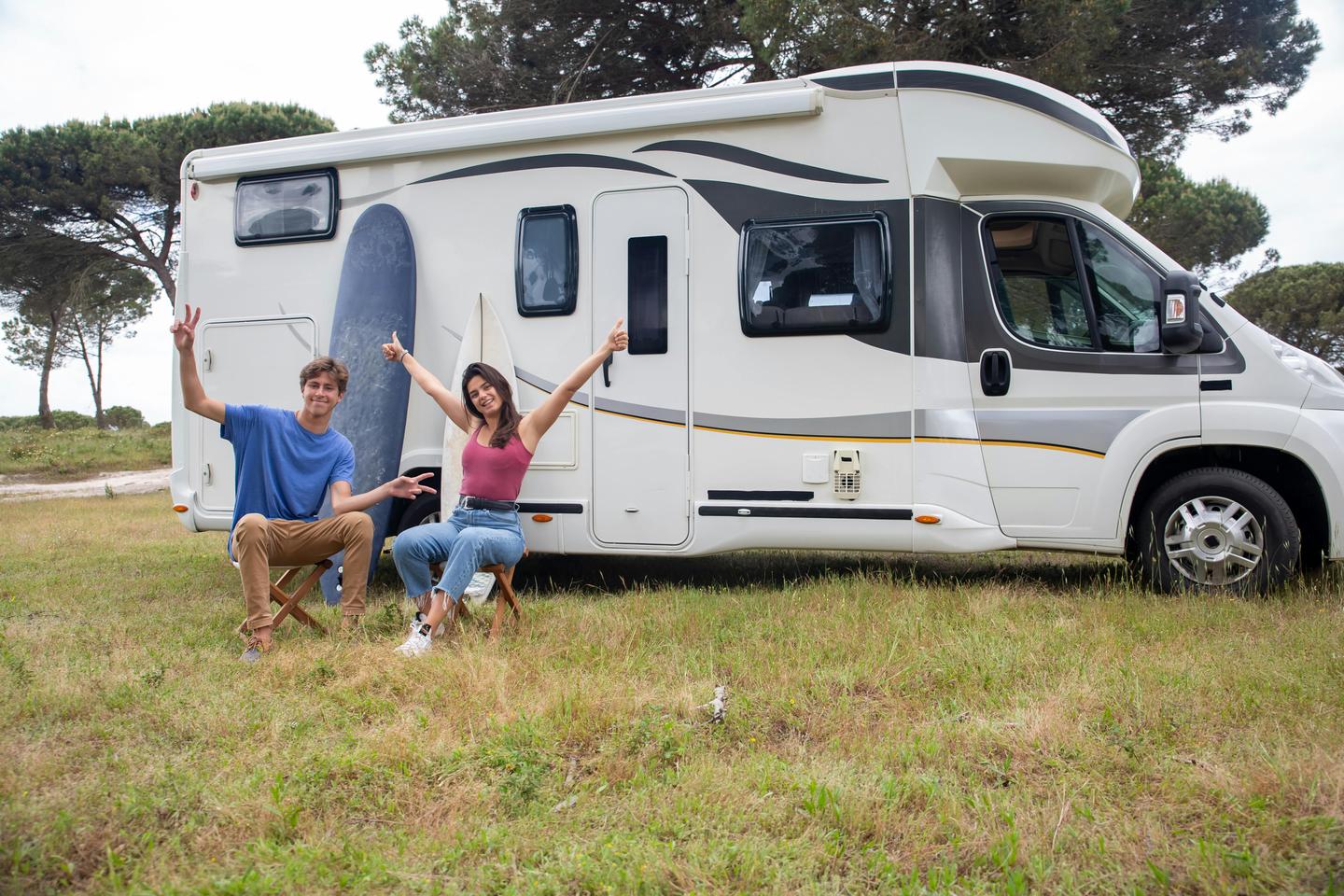
RVs offer a unique solution for the tournament's scale and variety. Instead of booking multiple hotels, visitors can stay in a mobile and private space that moves with them. This reduces the stress of finding lodging near expensive host cities and creates a calmer environment between matches.
RV travel benefits for the World Cup
Consistent lodging across cities.
A private kitchen for meals before matches.
Comfortable sleeping arrangements with climate control.
The ability to stay outside downtown congestion.
Access to scenic campgrounds between major cities.
RV delivery and campground networks
Fans unfamiliar with RVs can choose RV delivery, where the owner brings the RV to your campsite and sets it up for you. This is especially convenient for international visitors or travelers who prefer not to drive larger vehicles.
Regions such as Texas, California, the Pacific Northwest and Canadian host cities have strong campground networks that support RV stays. RV travel can turn the World Cup into a memorable road trip that blends soccer with national parks, coastlines and outdoor recreation.
Road Trip Advice for Fans Driving Between Matches
Driving offers a level of freedom that many World Cup visitors appreciate. The scenery varies from coastal highways to desert landscapes and mountain passes. To make the most of the experience, it helps to understand what each region demands.
Shorter drives, such as those between Vancouver and Seattle or New York and Philadelphia, are manageable in a single day. These routes offer regular service stations, smooth highways and opportunities for culture and food along the way.
Longer routes require planning. Travelers driving from Los Angeles to Dallas should break the trip into segments, especially during heat waves. Staying hydrated, scheduling rest breaks and planning overnight stops will make the journey more comfortable. Travelers passing through mountain regions or areas with limited cell service should download offline maps and keep emergency supplies on hand.
Fuel availability is generally reliable, but some remote stretches may have fewer stations. Always refuel when approaching rural areas, and check the weather forecast before embarking on long drives. Heavy storms or extreme heat can affect visibility and road conditions.
A well planned road trip can elevate the World Cup journey, offering both adventure and flexibility as fans follow their teams across the continent.
International Travel Tips for Non North American Visitors
International visitors will find North America welcoming and accessible, but there are important differences to prepare for.
Passports are required for both Canada and the United States. Visitors should check entry requirements and carry proof of accommodations and match tickets. Medication must remain in original packaging, and it is helpful to keep a digital and printed list of prescriptions.
Most stadiums, restaurants and stores operate cashless. Credit and debit cards with contactless capability are widely accepted. International visitors may want to confirm with their bank that their card will function abroad and enable travel notifications.
Phone connectivity is essential during the tournament. Purchasing a Canadian or American SIM card, or an eSIM, will ensure stable data coverage for maps, tickets and travel updates. Emergency numbers are the same in both countries, and travel insurance is recommended for medical care.
North America has a wide range of cuisines and cultural influences. Visitors should stay aware of local weather patterns, public transit schedules and stadium rules to ensure a safe and smooth trip.
Family and Group Travel Tips
Families attending the World Cup should prepare for long days, large crowds and extended walking distances. Children benefit from hats, sunscreen, hydration packs and comfortable footwear. Many stadiums offer family friendly zones, but parents should establish a meeting point in case anyone becomes separated.
Groups traveling together may want to divide responsibilities for meals, tickets, transportation or gear. A shared digital checklist helps avoid duplicate items, and communication apps can keep everyone aligned throughout match days.
Groups staying in RVs should plan who will manage cooking, campsite setup and cleanup so the trip feels organized and enjoyable for everyone.
With simple planning, families and groups can enjoy the World Cup without stress.
Frequently Asked Questions
- How early should fans arrive at stadiums?
Two to three hours before kickoff is recommended, especially in cities with heavy transit use or high heat.
- What is the best way to travel between host cities?
It depends on the cluster. The Pacific and Northeast corridors support easy multi city travel by road or rail. Longer distances between southern and western regions may require flights.
- Can fans stay in RVs near stadiums?
Policies vary by city. Some stadiums permit RV parking, while others restrict vehicle size. The host city pages provide specific details.
- What weather should fans expect?
Weather ranges from desert heat to coastal coolness. Checking the city forecast daily is essential, especially for outdoor matches.
- Events
- World Cup 2026
- Travel Tips