Camping in Florida, from the springs to the Keys
Posted on October 30, 2026
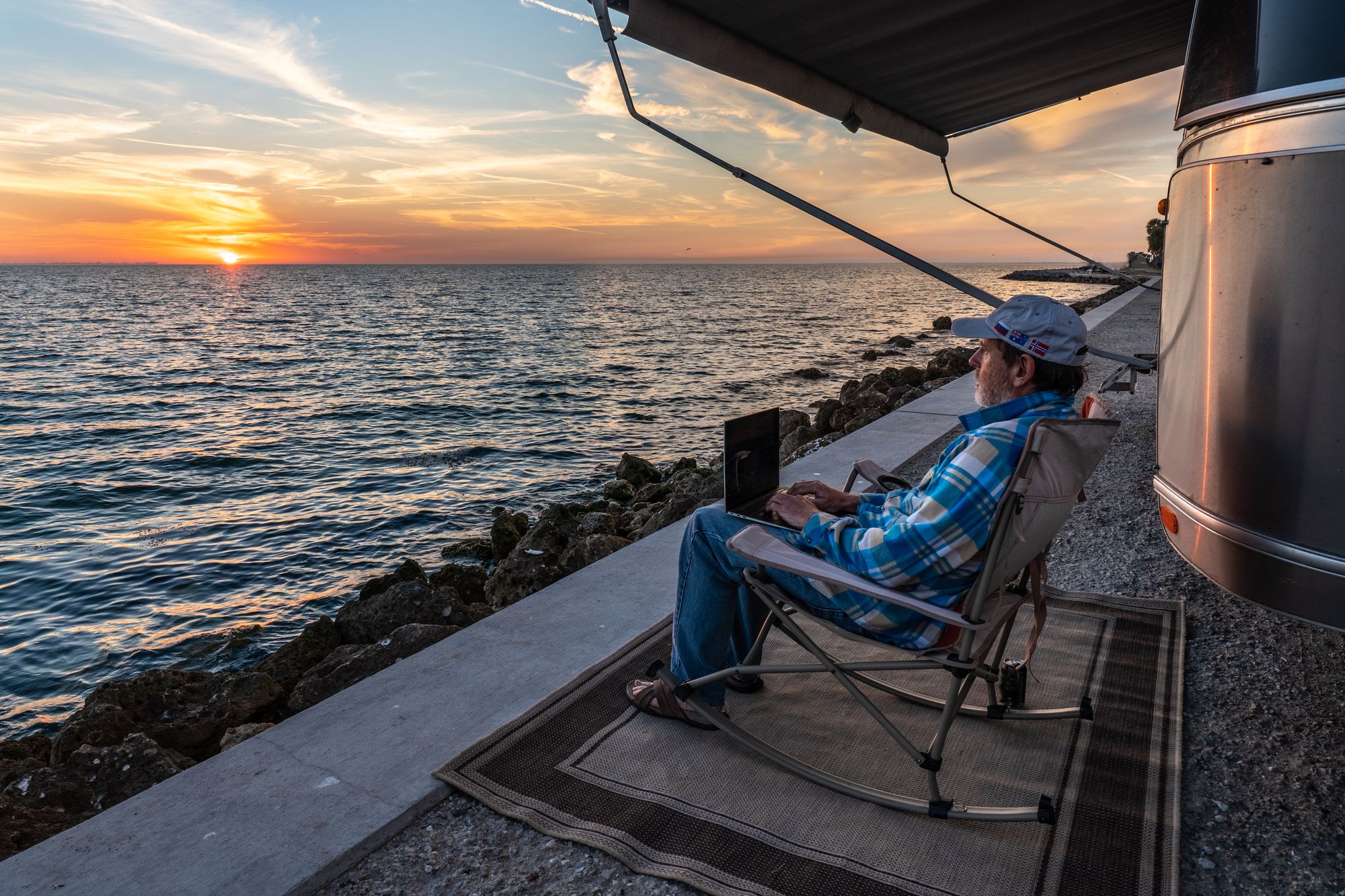
Florida camping runs on a backwards calendar. Peak season is January. The busiest campgrounds in the state are busiest when it's snowing everywhere else, and the quietest month is August, when the afternoon thunderstorms arrive on schedule and the mosquitoes hold their annual convention.
There are also two Floridas. One has theme parks. This guide is about the other one, where the water is clear enough to watch a manatee scratch itself on a log thirty feet down. Camping is the cheapest front-row seat.
One warning up front: Florida state park campsites are among the hardest reservations in American camping, and the booking rules changed in 2024. The reservation section near the end covers the new windows.
The springs
North and central Florida sit on top of an aquifer that pushes up through the limestone in hundreds of places, and the water comes out at 72 degrees no matter the month. In summer that's a cold plunge. In winter it's warmer than the ocean, which is why the manatees come.
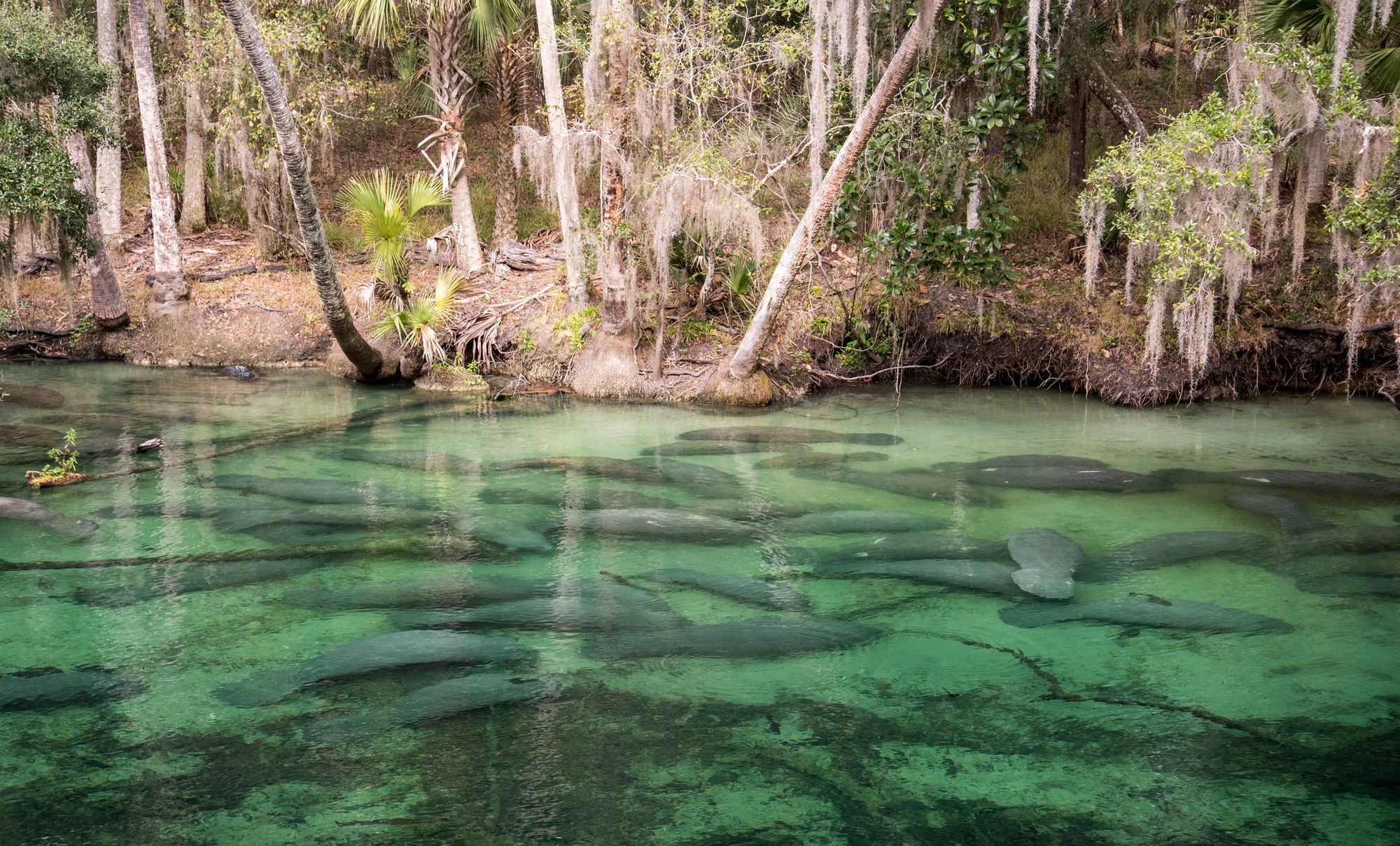
Blue Spring State Park, about 45 minutes north of Orlando, is the one to build a winter trip around. From November through March, manatees crowd into the spring run to escape the cold river water; counts on cold mornings have passed 700 animals in recent winters, up from a few dozen when researchers started tracking them in the 1970s. Day visitors get turned away when the parking lot fills, which happens early in manatee season. Campers are already inside. That's the whole argument for the campground.
Ginnie Springs, west of Gainesville, is the other kind of Florida spring trip: a privately owned park built around floating in absurdly clear water. Campsites sit steps from the springs, and on a summer Saturday the place feels closer to a festival than a nature preserve. Go midweek for the postcard version.
If those are booked, this part of the state is generous. Rainbow Springs, Silver Springs, and a dozen others run the same 72-degree water with campgrounds nearby.
The Keys
The bad news first: the Keys have only a handful of state park campgrounds, they are spectacular, and everyone in America appears to know it. These are the toughest campsite reservations in Florida. If a Keys trip is the goal, plan almost a year out, or look at the private campgrounds and RV resorts along the island chain instead.
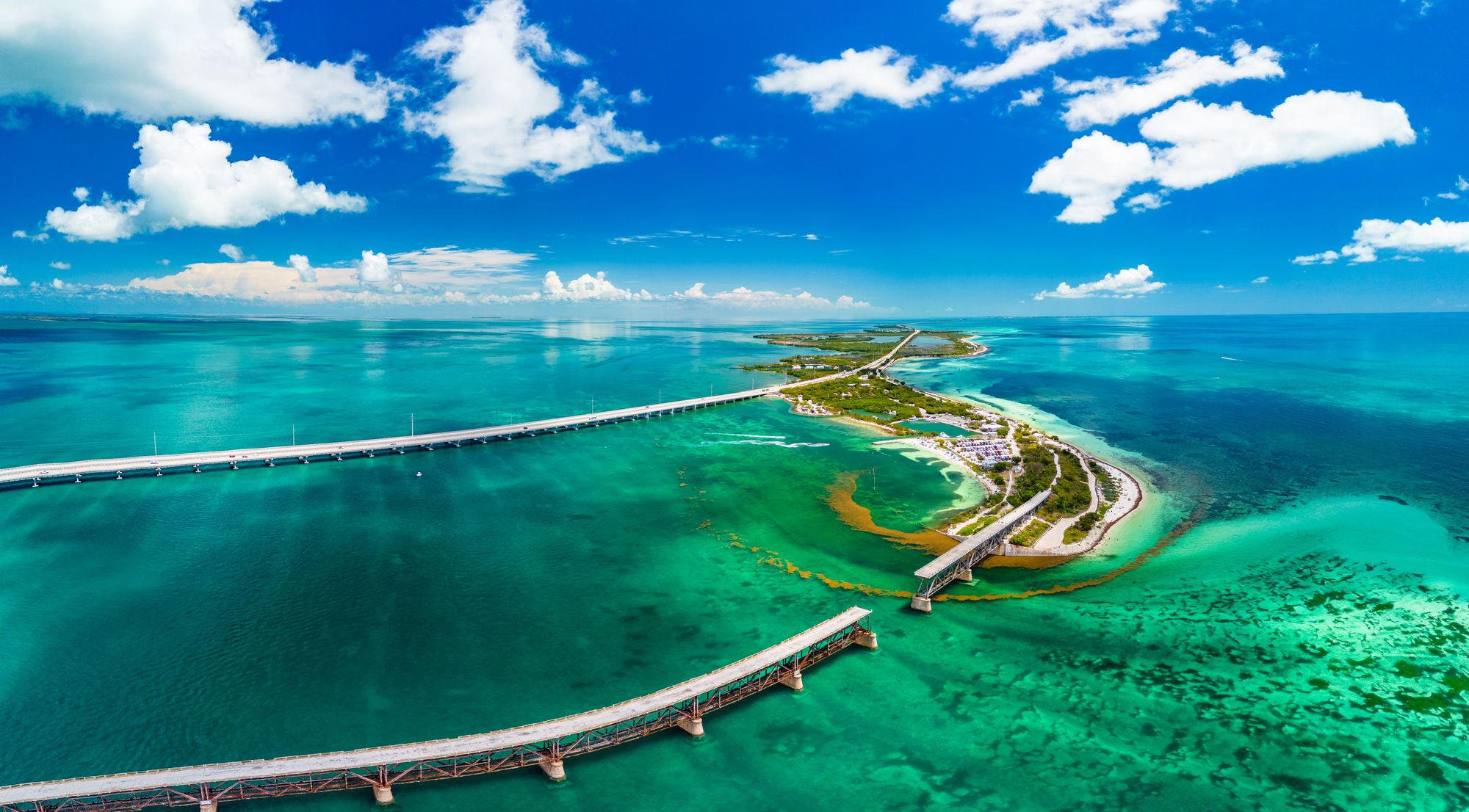
Bahia Honda State Park, in the Lower Keys, is the prize: campsites for tents and RVs on an island whose beaches regularly top lists of the best in the Keys.
John Pennekamp Coral Reef State Park, up in Key Largo, was the first undersea park in the United States when it opened in 1963. You camp on land and spend the day snorkelling the reef from the park's boat trips.
The beaches
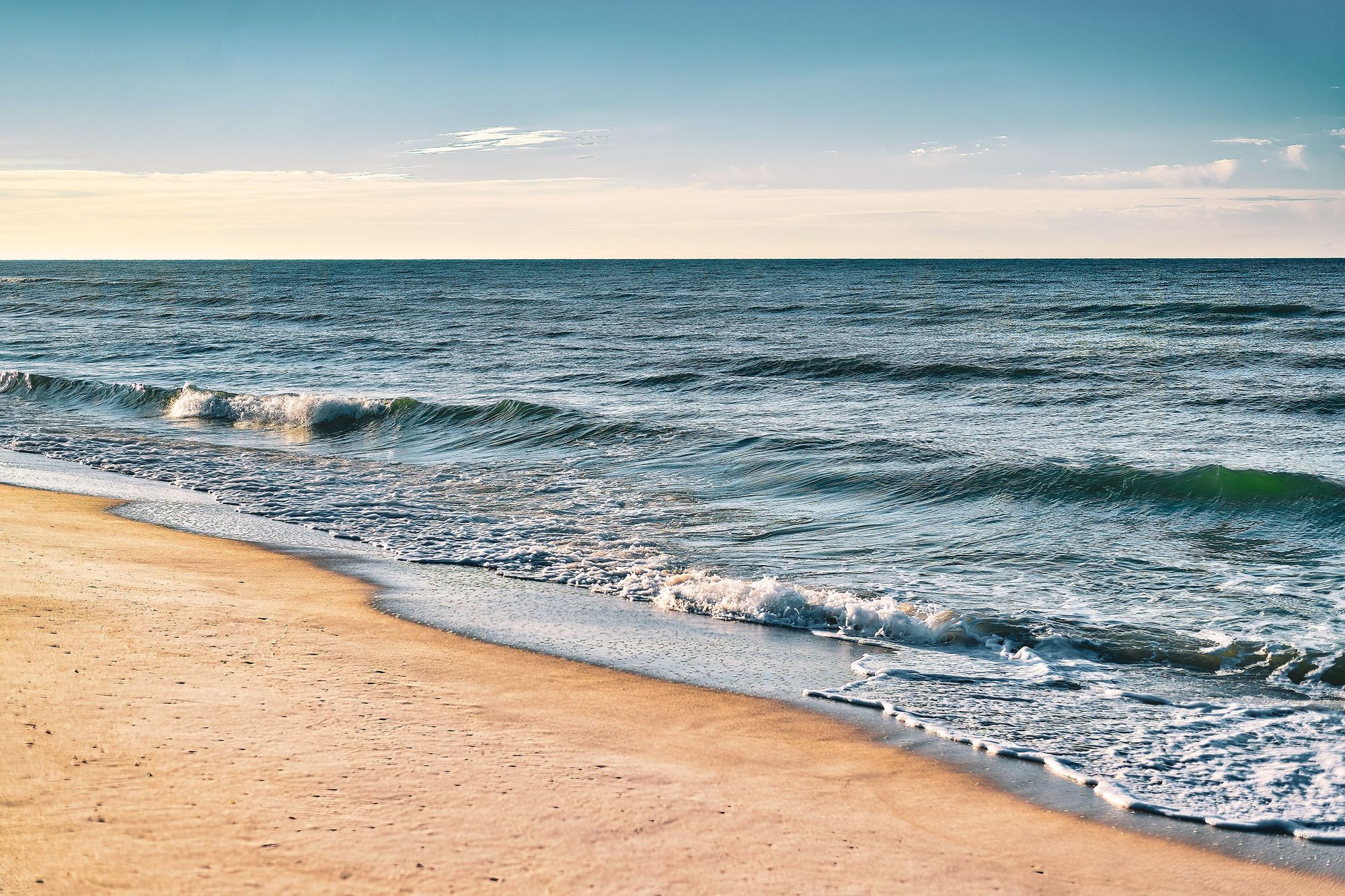
Most Florida beach camping is a campground tucked behind the dune line, a short walk over a boardwalk from the sand. If you're picturing driving onto the beach and parking beside your tent, that's Texas. Florida mostly doesn't work that way.
What it has instead is range. On the Panhandle, St. George Island runs slower than the resort towns further west, with white Gulf sand and a state park holding down the east end of the island. On the Atlantic side, the parks around St. Augustine put you near the surf and one of the oldest cities in the country. And the Gulf beaches from Pensacola down to Naples fill every winter with people who decided the snow could keep itself.
The wild interior
You can camp free in Florida. Ocala National Forest is the main place to do it: dispersed camping is allowed through much of the forest at no charge, in a state that is otherwise almost entirely private land and paid campgrounds. If you want facilities, the forest's developed campgrounds, like Juniper Springs, take RVs and sit beside swimming holes.
The Everglades are the other wilderness trip, and they're strictly seasonal. Go in the dry season, roughly November through April, when the mosquitoes relent and the wildlife concentrates around the remaining water. Summer in the Everglades is an experience people describe the way they describe running a marathon: proudly, once.
When to go
Winter is the season. November through April is dry and mild, with tolerable bugs, which is why it's also when the state fills up. Summer camping in Florida is workable with two adjustments: build your days around the springs, which stay at 72 degrees when the air is at 95, and expect a thunderstorm most afternoons. Hurricane season runs June 1 to November 30; keep bookings flexible in late summer and watch the forecast from August through October.
How Florida's reservation system actually works
The rules changed in 2024, so a lot of older booking advice is wrong.
Florida residents can now book state park campsites up to 11 months ahead. Everyone else, including out-of-state visitors and Canadians, gets a 10-month window. New dates open daily at 8 a.m. Eastern, and for the marquee parks (the Keys, the springs in manatee season, anything on a beach in winter) the good sites go the morning they open.
So the playbook if you're coming from outside Florida: count back 10 months from your trip, set an alarm for 8 a.m. Eastern, and have a second-choice park picked before you log in. Weekdays are dramatically easier than weekends. Cancellations are real, and checking back a few weeks out often works. The private campground world, from Keys RV resorts to spring-side properties like Ginnie, doesn't play by any of these rules, which makes it the reliable fallback when the state parks are gone.
Doing a Florida winter without owning an RV
Florida in winter is the most RV-shaped trip in America, and you don't need to own one or drive one to do it. Rent from an owner near where you're headed, or skip the driving entirely: many owners deliver, so the trailer is parked and set up at your campsite before you arrive. Book a site with water and electric hookups (most developed campgrounds in this guide have them) and it runs like a small beach house.
FAQ
Where is the best camping in Florida?
Depends on the month. In manatee season (November to March), Blue Spring. For a bucket-list trip, Bahia Honda in the Keys, if you can get a site. For a free weekend, Ocala National Forest. Florida rewards matching the place to the season more than most states.
Where can I camp in Florida for free?
Ocala National Forest allows free dispersed camping through much of the forest, and it's the main free option in the state. Beyond that, Florida is largely private land and developed campgrounds, so free camping is scarce compared to the western US.
Is it legal to camp anywhere in Florida?
No. Outside designated campgrounds and the national forest's dispersed areas, camping on beaches, roadsides, and public parks is generally prohibited. Legal campsites are everywhere. Getting one reserved is the hard part.
How far ahead do you need to book Florida state parks?
Florida residents can book 11 months out; everyone else gets 10 months. For the Keys, beach parks in winter, and spring campgrounds in manatee season, treat the opening morning of your window as the booking date, not a suggestion.

Team RVezy
Team RVezy is a group of RV enthusiasts who traverse the U.S. and Canada in our campervans, tiny trailers, and motorhomes. We love the open road and the feeling of having nowhere to go but everywhere.
View more posts