What You Need to Drive Across the Canada-US Border in an RV
Posted on January 12, 2023
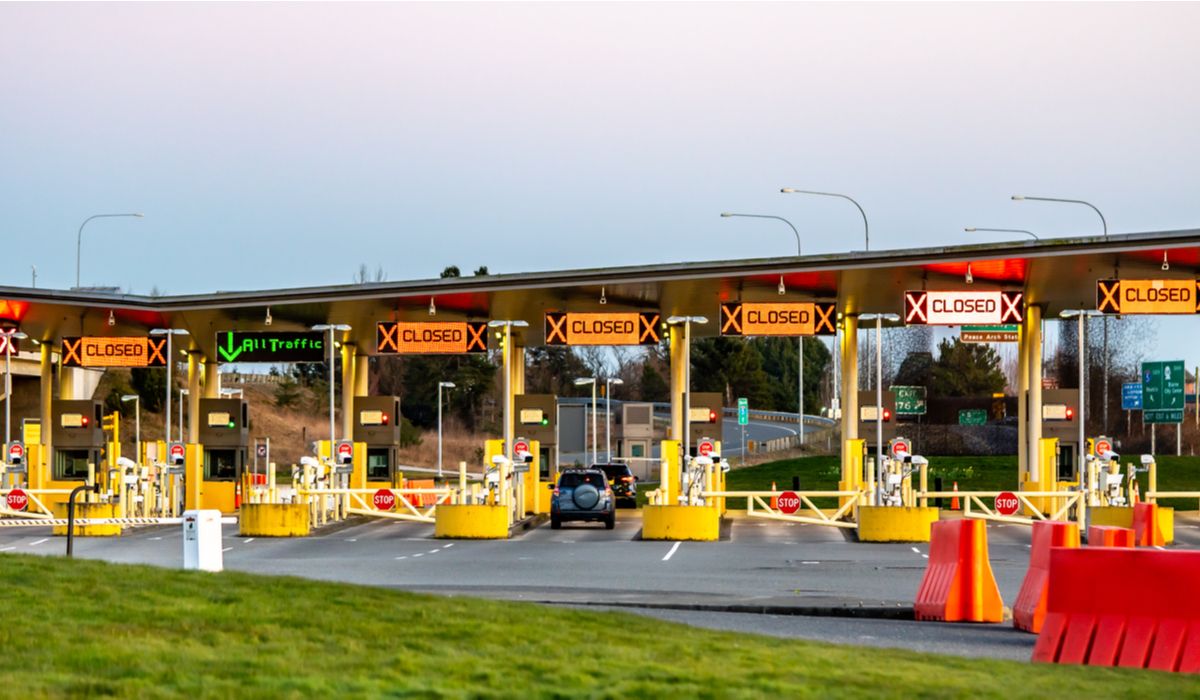
Are you looking to embark on an epic RV adventure, but you need to find out what you'll need to cross the Canada-U.S. border first?
Not to worry. Driving into Canada or the U.S. in an RV is simple as long as you've got the proper documentation and are familiar with the two countries' travel rules and restrictions.
This article covers everything you need to know about clearing customs and driving across the Canada-U.S. border in an RV.
Key Takeaways
- Crossing the Canada-U.S. border in an RV starts with having the right documents, including passport requirements, a driver’s license, vehicle registration, and insurance proof.
- Travelers should be ready for customs checks from both U.S. Customs and Border Protection (CBP) and the Canada Border Services Agency (CBSA), including the declaration of goods process.
- Border prep is easier when you understand restricted items, food restrictions, pet-entry requirements, customs rules, and both countries’ firearms regulations before you reach the crossing.
- A simple step-by-step process like organizing documents, preparing your RV, answering questions honestly, and checking current wait times can help make the crossing smoother.
- Good planning matters. Reviewing border status, entry requirements, customs updates, and practical travel tips before departure can help make your RV trip smoother.

What kind of documents do you need to cross the Canada-US border?
It doesn't matter whether you own or you've decided to rent an RV; the requirements for driving across the Canada-U.S. border will depend on your citizenship and which direction you're crossing.
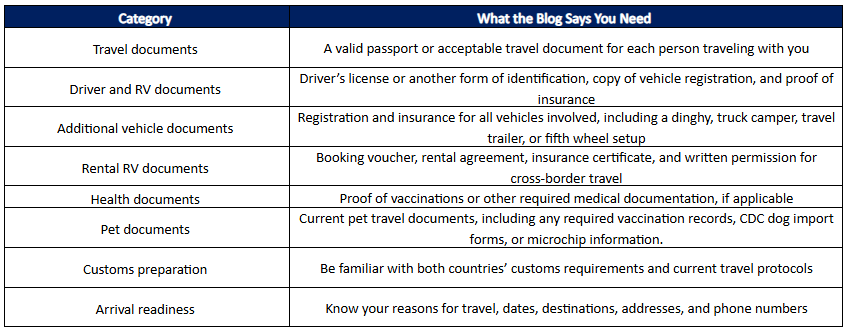
To drive an RV across the Canada-U.S. border, you'll need the following:
- A valid passport or acceptable travel document for each person traveling with you.
Pro Tip: Create one easy-to-reach border folder for every traveler and vehicle before you leave.
- A driver's license (or another form of identification), a copy of your vehicle's registration, and proof of insurance. Don't forget to bring the registration and insurance for all of your vehicles, whether you're driving a motorhome pulling a dinghy, taking across a truck camper, or towing a travel trailer or fifth wheel.
- If you're renting an RV, you'll need printed or electronic copies of your booking voucher, rental agreement, insurance certificate, and written permission to take the RV from Canada into the U.S. (or vice versa).
Pro Tip: If you are renting, double-check your documents before departure instead of waiting until the border.
- Health screening information such as proof of vaccinations or other required medical documentation.*
- If you are traveling with a dog into the United States, review the latest CDC requirements before departure. Current rules may require a CDC Dog Import Form receipt, a compliant microchip, age restrictions, and proof that the dog appears healthy, in addition to vaccination records.
- Both countries' customs requirements. Canada no longer requires ArriveCan for land-border crossings. Travelers should still review current CBSA entry procedures and border updates before departure. The United States offers tools such as CBP Link for certain land-border processes, including provisional I-94 applications and border wait-time information.
Keep in mind that the required documentation to cross the border could change at any time. Visit U.S. Customs and Border Protection(CBP) for the latest requirements for entering the United States from Canada by RV, and the Canada Border Services Agency (CBSA) for current information about entering Canada from the United States.
Canadians planning to stay in the United States for more than 30 days should review current USCIS registration requirements before travel, as additional registration rules may apply for longer stays.
Border rules, customs procedures, and travel health requirements can change over time, so travelers should review current government advisories before departure.
Border Crossing Checklist for RV Travelers
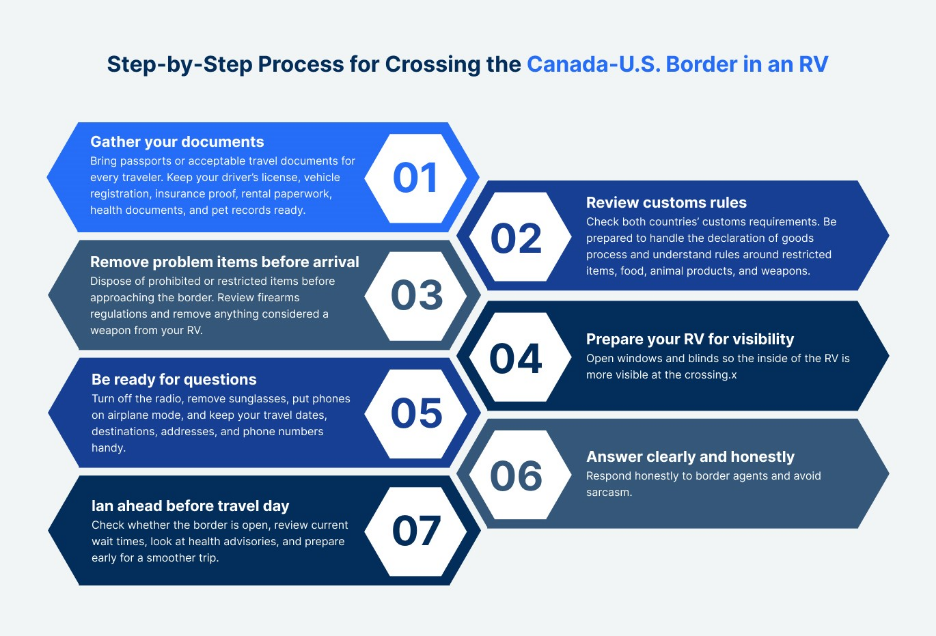
What will make crossing the border easier?
- Ensure you understand the rules for transporting foods, goods, animals, animal products, weapons, and other prohibited or restricted items in and out of Canada or the United States. Dispose of any restricted items before approaching the border.
Pro Tip: Do a final RV cleanout before you get close to the border.
2. Understand the weapon laws in each country and remove all items considered weapons from your vehicle. Before leaving home, read about Canada's list of prohibited weapons and firearms or the United States' list of prohibited weapons and firearms.
3. At the border crossing, open all of your windows and RV blinds to make the inside of your RV more visible.
4. Remove your sunglasses, turn off the radio, and place your phones into airplane mode.
5. Document your reasons for travel, dates of travel, and the addresses and phone numbers of where you're traveling.
6. Answer the border agent's questions honestly and refrain from sarcasm.
Is the Canada-US border open?
Yes. The United States and Canada have opened their borders to welcome travelers driving between the two countries in cars and RVs. As with any international travel, it's best to review the current border crossing status before starting your trip.
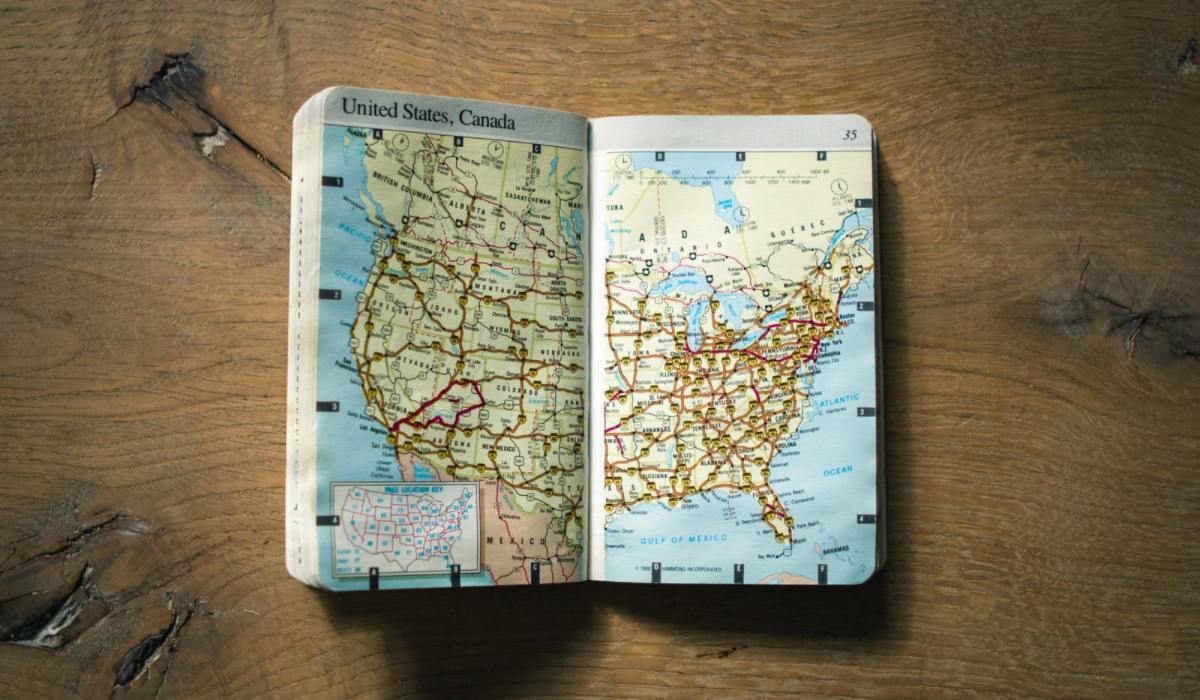
Do your research and plan ahead
International travel requires research and advanced planning. Now, more than ever, knowing which documents you'll need and what type of vaccinations or health tests are required to drive an RV across the Canada-U.S. border is important.
By planning your RV road trip ahead of time, you'll also give yourself the peace of mind that you've prepared for your international trip — and a bonus? You'll save money by booking your RV, campgrounds, and activities months in advance. Consider that a win-win for you and your family!
Frequently Asked Questions
What documents do I need to cross the Canada-U.S. border in an RV?
Bring a valid passport or another acceptable travel document for each traveler. You should also have your driver’s license or other ID, vehicle registration, and proof of insurance. If you are renting an RV, keep your booking voucher, rental agreement, insurance certificate, and written permission for cross-border travel ready.
What questions should I be ready to answer at the border?
Be prepared to explain your reason for travel, your travel dates, and where you are going. Having the addresses and phone numbers of your destinations ready can make the process easier. Clear, honest answers help the crossing go more smoothly.
Do I need to declare food, goods, or restricted items when crossing the border?
Yes. Travelers should be familiar with the rules for transporting foods, goods, animals, animal products, weapons, and other prohibited or restricted items between Canada and the United States. Any restricted items should be removed before reaching the border.
What do I need if I’m traveling with a pet or carrying anything that could be considered a weapon?
If you are traveling with a pet, especially a dog entering the United States, review the latest CDC and border-agency requirements before departure. Depending on the situation, travelers may need vaccination records, a CDC Dog Import Form receipt, and microchip information. If you have anything that may be considered a weapon, review both countries’ laws before travel and remove prohibited items from the vehicle before approaching the crossing.
How can I make an RV border crossing easier and less stressful?
Organize all documents before departure, understand customs requirements in both countries, and check current border status and wait times before you leave. At the crossing, open your windows and blinds, remove sunglasses, turn off the radio, place phones on airplane mode, and keep your travel details ready.

Team RVezy
Team RVezy is a group of RV enthusiasts who traverse the U.S. and Canada in our campervans, tiny trailers, and motorhomes. We love the open road and the feeling of having nowhere to go but everywhere.
View more posts