I Visited 12 Canadian National Parks in One Summer: The Only Road Trip Route I’d Recommend
Posted on December 16, 2025
- Why Canada's National Parks Are Perfect for a Road Trip
- The Best Canadian National Park Road Trip Routes by Region
- How to Plan Your Canadian National Park Road Trip
- Campground and RV Tips for Canadian National Parks
- Budgeting for Your Canadian National Park Road Trip
- Common Mistakes to Avoid on a Canadian National Park Road Trip
- Start Planning Your Canadian National Park Road Trip
Canada's impressive 48 national parks scattered across 13 provinces and territories offer an unmatched variety of landscapes, but that variety can make trip planning overwhelming. Where do you even start? Which parks are worth the drive, and which ones can you skip without regret? After spending an entire summer chasing turquoise lakes, dramatic coastlines, and wildlife encounters that still give me goosebumps, I've got answers.
Planning a Canadian national park road trip can feel overwhelming. The distances are vast, the options are endless, and the FOMO is real. But here's what I learned: you don't need to see everything in one trip. You need a smart route, the right vehicle, and a willingness to let the road surprise you.
This guide breaks down the best regional routes, practical planning advice, and hard-won tips for making your national park road trip one you'll talk about for years.
Why Canada's National Parks Are Perfect for a Road Trip
Canada's national parks aren't just beautiful, they're built for road trippers. Unlike many destinations where you fly in, see one place or landmark, and fly out, Canadian parks reward the journey as much as the destination. The drives between parks often feature stunning scenery, charming small towns, and unexpected stops that become trip highlights.
The infrastructure supports this kind of travel too. Parks Canada maintains excellent campgrounds, visitor centres provide reliable information, and the Trans-Canada Highway connects many of the country's best natural attractions. Whether you're cruising through the Rockies or hugging the Atlantic coastline, you'll find a rhythm that makes covering serious ground feel effortless.
The Parks Canada Discovery Pass — Your Ticket to Adventure
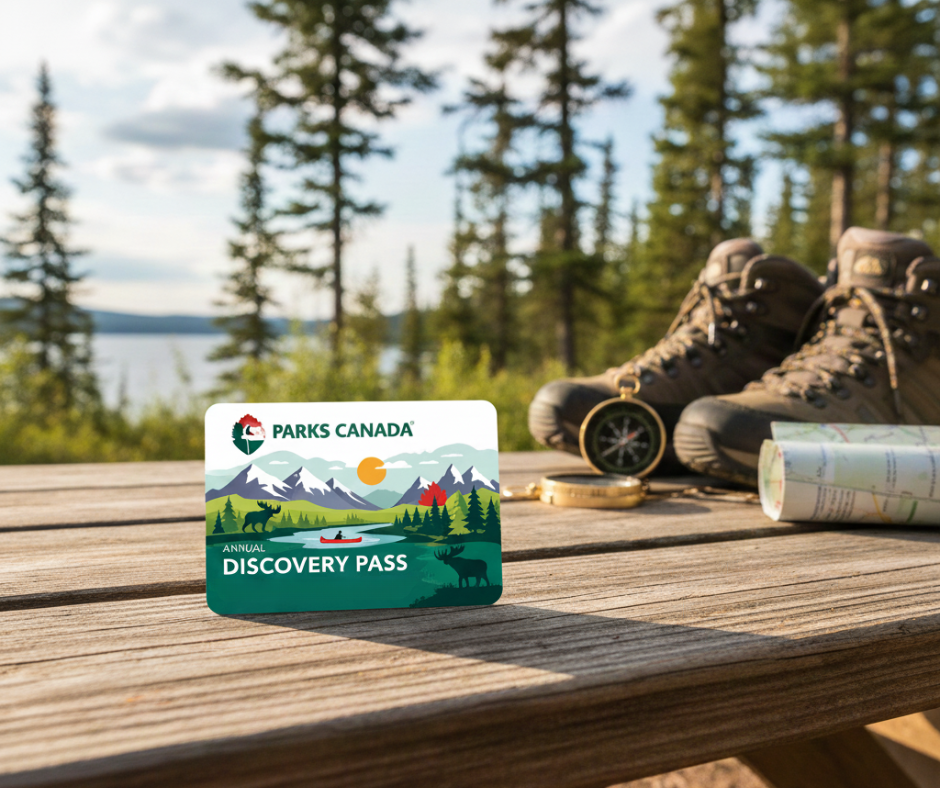
Before you hit the road, invest in a Parks Canada Discovery Pass. This annual pass grants unlimited admission to all national parks, national historic sites, and national marine conservation areas across the country. For a family, it pays for itself after just a few park visits, and it removes the nuisance of calculating entrance fees at every stop.
The pass costs around $145 for a family or group arriving in the same vehicle, which is a steal when you consider that individual park entry fees range from $8 to $21 per adult daily. Buy it online before your trip or pick one up at your first park entrance. Trust me, flashing that pass at every gate feels like holding a VIP ticket to Canada's greatest outdoor show.
What Makes Canadian Parks Different from US Parks?
If you've road-tripped through American national parks, you might wonder how Canada compares. The biggest difference? Crowds—or the lack of them. While Yellowstone and Yosemite see millions of visitors crammed into peak season, even Canada's busiest parks like Banff feel more manageable once you venture beyond the main town sites.
Canadian parks also tend to offer more backcountry accessibility and true wilderness experiences. You're more likely to spot wildlife without a traffic jam of photographers, and campgrounds often feel less like parking lots. The tradeoff is that services can be more spread out, so planning ahead matters more.
Why an RV Is the Best Way to Experience Canadian National Parks
Here's the truth: an RV transforms a national park road trip from great to unforgettable. When your accommodation travels with you, every decision becomes easier. No scrambling for last-minute hotels in gateway towns. No packing and unpacking at each stop. No missing golden hour at the lake because you're stuck driving back to a distant motel.
RVs also solve the campground problem. Parks Canada campgrounds book up months in advance during peak season, but having an RV gives you flexibility to snag cancellations, explore overflow camping areas, or find private campgrounds nearby. If you're new to RVs, take some time to understand the different RV classes before choosing—what works for a couple differs from what a family of five needs.
Ready to find the perfect rig for your adventure? Browse RVs available across Canada and filter by your departure city, travel dates, and preferred RV type.
The Best Canadian National Park Road Trip Routes by Region
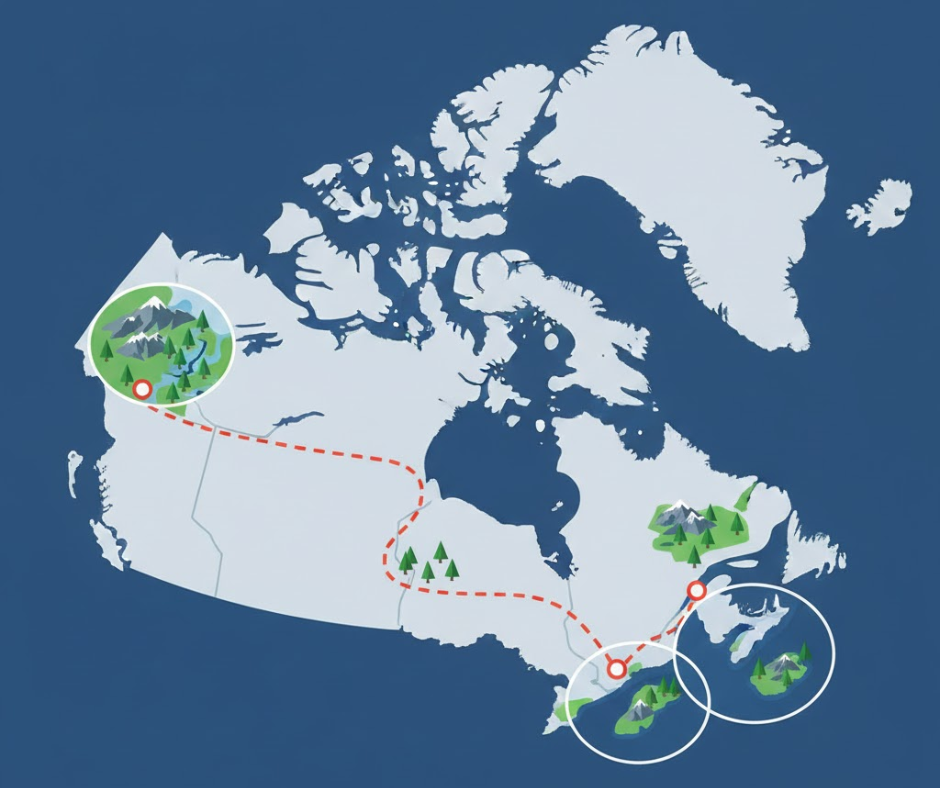
Canada is too big to see in one trip, so I've broken down the country into four epic regional routes. Each one offers a distinct flavour of Canadian wilderness and can fill anywhere from one to three weeks depending on your pace.
The Rocky Mountain Circuit (Banff, Jasper, Yoho, Kootenay)
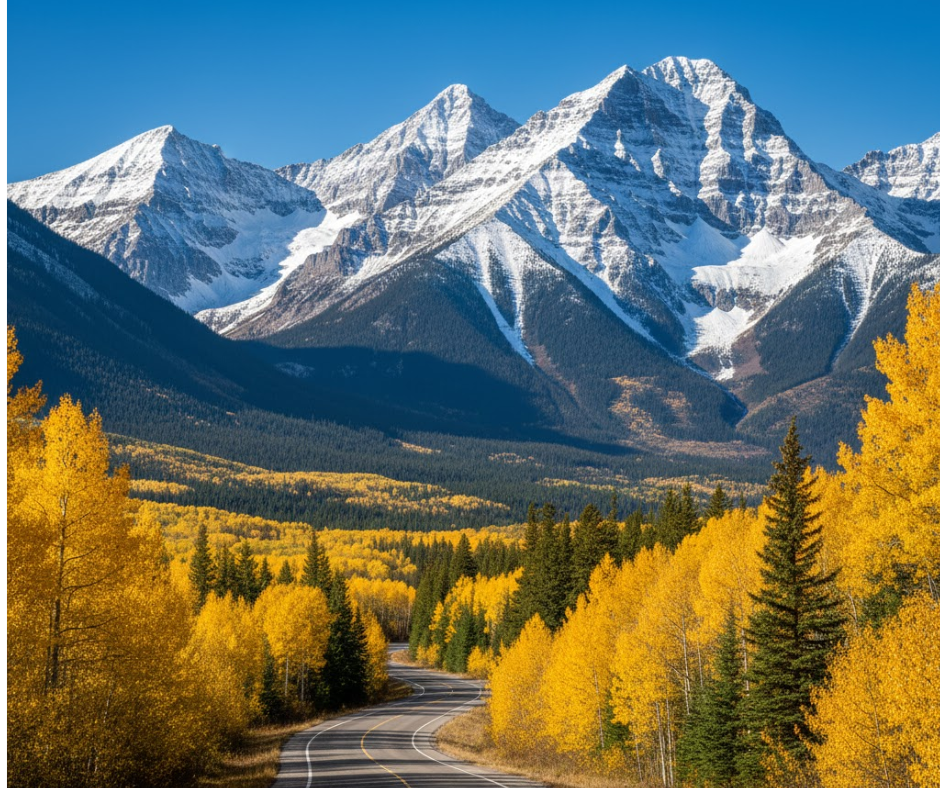
This is the route that makes international "best road trips" lists, and it deserves every bit of hype. Start in Calgary, where you can rent an RV in Alberta, and drive west into the mountains.
Banff National Park delivers the iconic postcard views—Lake Louise, Moraine Lake, and the town of Banff itself. From there, drive the Icefields Parkway north to Jasper, widely considered one of the most scenic drives on the planet. The 230-kilometre route passes glaciers, waterfalls, and turquoise rivers at nearly every turn.
Don't skip Yoho and Kootenay national parks on your return loop. Yoho's Emerald Lake rivals anything in Banff with a fraction of the crowds, and Kootenay's Radium Hot Springs offer the perfect recovery after days of hiking. Budget 10 to 14 days for this circuit if you want to actually experience the parks rather than just drive through them.
The Maritime Discovery Route (Fundy, Cape Breton Highlands, Prince Edward Island)
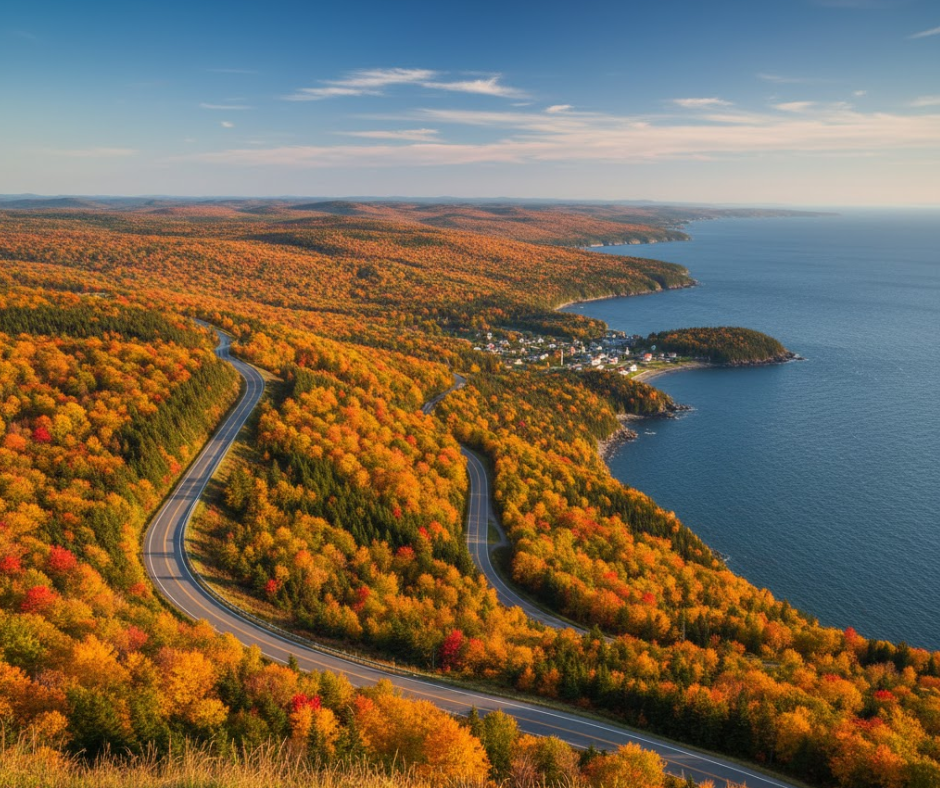
The East Coast offers a completely different national park experience—think dramatic tides, Celtic culture, and seafood that ruins you for anywhere else. This route works beautifully as a loop starting and ending in Halifax.
Fundy National Park in New Brunswick features the world's highest tides, where the Bay of Fundy's waters rise and fall up to 16 metres daily. Walk the ocean floor at low tide, then watch the water return hours later. Cape Breton Highlands in Nova Scotia delivers the famous Cabot Trail, a winding coastal road with jaw-dropping ocean views and excellent hiking.
Prince Edward Island National Park rounds out the route with red sand beaches and gentler landscapes perfect for decompressing. The Maritime route typically takes 10 to 14 days and pairs perfectly with fresh lobster, fish and chips, and fiddle music in local pubs.
The Ontario Wilderness Loop (Bruce Peninsula, Georgian Bay, Pukaskwa)
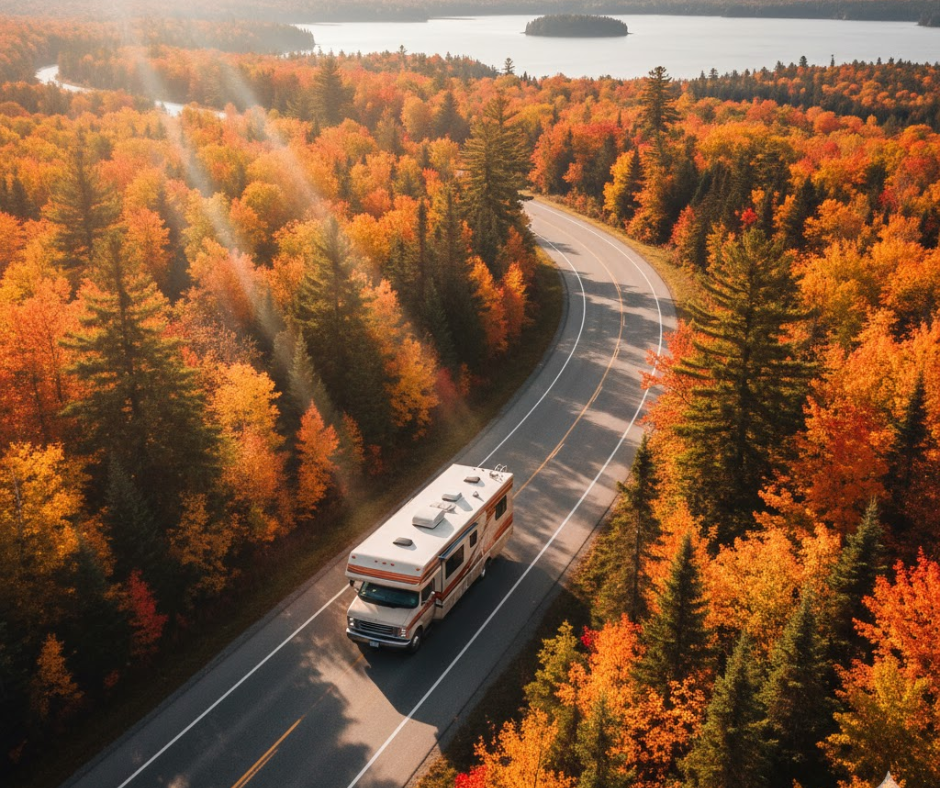
Ontario often gets overlooked for national park road trips, which is a mistake. The province offers accessible wilderness within striking distance of major population centres, plus some of Canada's most underrated parks.
Bruce Peninsula National Park sits where Lake Huron meets Georgian Bay, featuring the famous Grotto—a sea cave with impossibly blue water. Georgian Bay Islands National Park requires a boat or water taxi to access, offering a true island-hopping adventure. For those willing to drive further north, Pukaskwa National Park on Lake Superior's shore delivers rugged Canadian Shield landscapes and genuine solitude.
This loop works well for shorter trips of 7 to 10 days and pairs nicely with RV rentals in Ontario picked up in Toronto or Ottawa.
The West Coast Wonder (Pacific Rim, Gulf Islands)
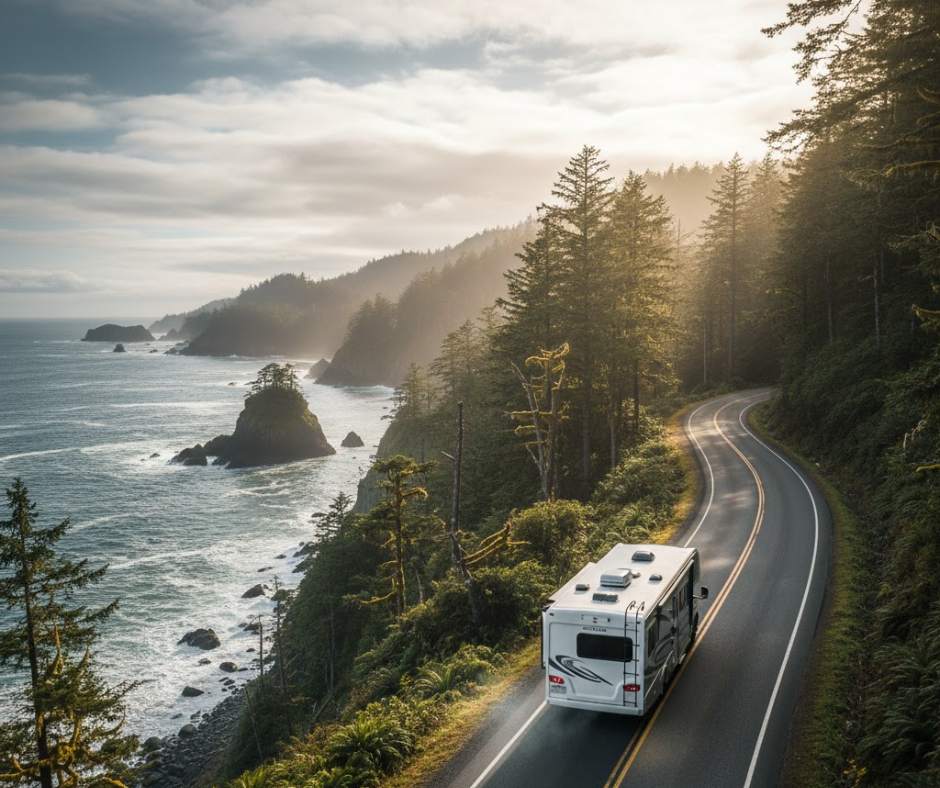
British Columbia's coastal parks feel like another country entirely—temperate rainforests, wild Pacific beaches, and a laid-back West Coast vibe. Start in Vancouver or Victoria with RV rentals in British Columbia and head for Vancouver Island.
Pacific Rim National Park Reserve stretches along the island's rugged west coast, offering long sandy beaches, old-growth forests, and some of Canada's best surfing. The Gulf Islands National Park Reserve provides a quieter counterpoint, with protected waters ideal for kayaking and wildlife watching.
This route takes 7 to 10 days and works well combined with BC Ferries for an island-hopping adventure. Time your visit for late summer when the Pacific storms hold off and the grey whales migrate through.
How to Plan Your Canadian National Park Road Trip
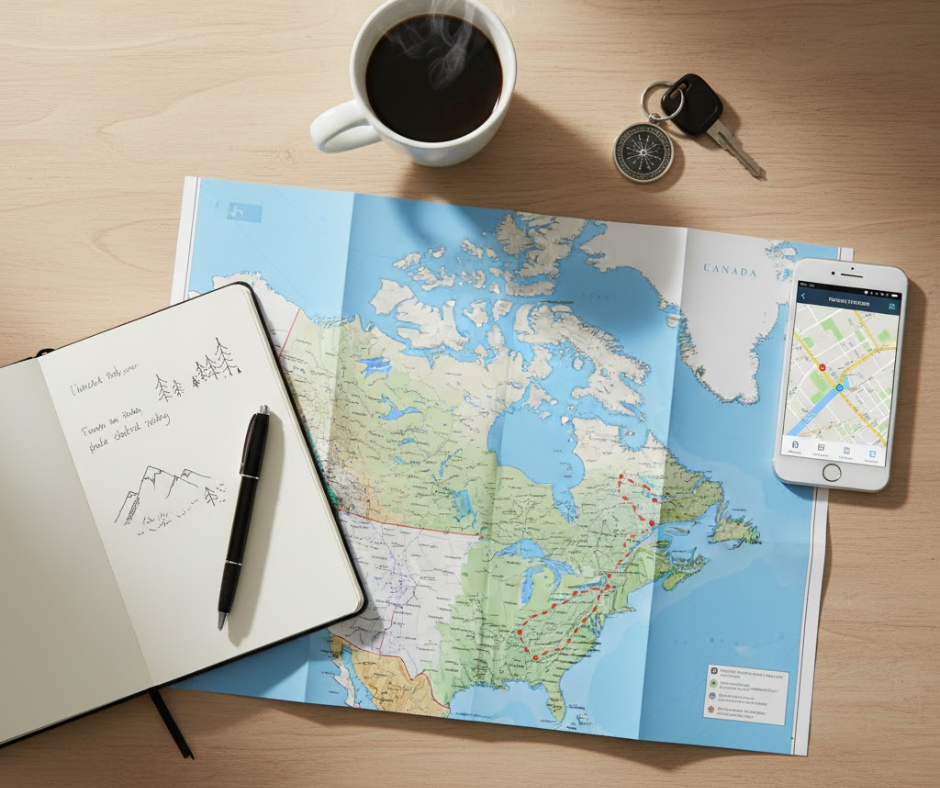
Great road trips don't happen by accident. A bit of planning upfront prevents headaches on the road and ensures you don't miss the experiences that matter most to you.
When Is the Best Time to Visit Canadian National Parks?
Peak season runs from late June through early September, when weather is warmest and all park facilities operate. This is also when crowds peak and campgrounds fill fastest. The peak season in the Canadian Rockies sees Lake Louise parking lots full by 6 AM—that's not an exaggeration.
Shoulder seasons (May to mid-June and September to October) offer a sweet spot of decent weather, smaller crowds, and fall colours that turn the parks into something magical. Some campgrounds and services close during shoulder season, so check Parks Canada's website for specific dates.
How Far in Advance Should You Book Campgrounds?
For popular parks during peak season, book the moment the Parks Canada reservation system opens—typically in January for summer dates. Premium sites at places like Banff's Tunnel Mountain or Pacific Rim's Green Point disappear within hours of opening.
If you miss the initial booking window, don't panic. Cancellations happen constantly, especially as trip dates approach. Check the reservation site daily, and consider flexibility with your dates and specific campgrounds. Having an RV gives you backup options at private campgrounds and provincial parks nearby.
What to Pack for a Multi-Park Road Trip
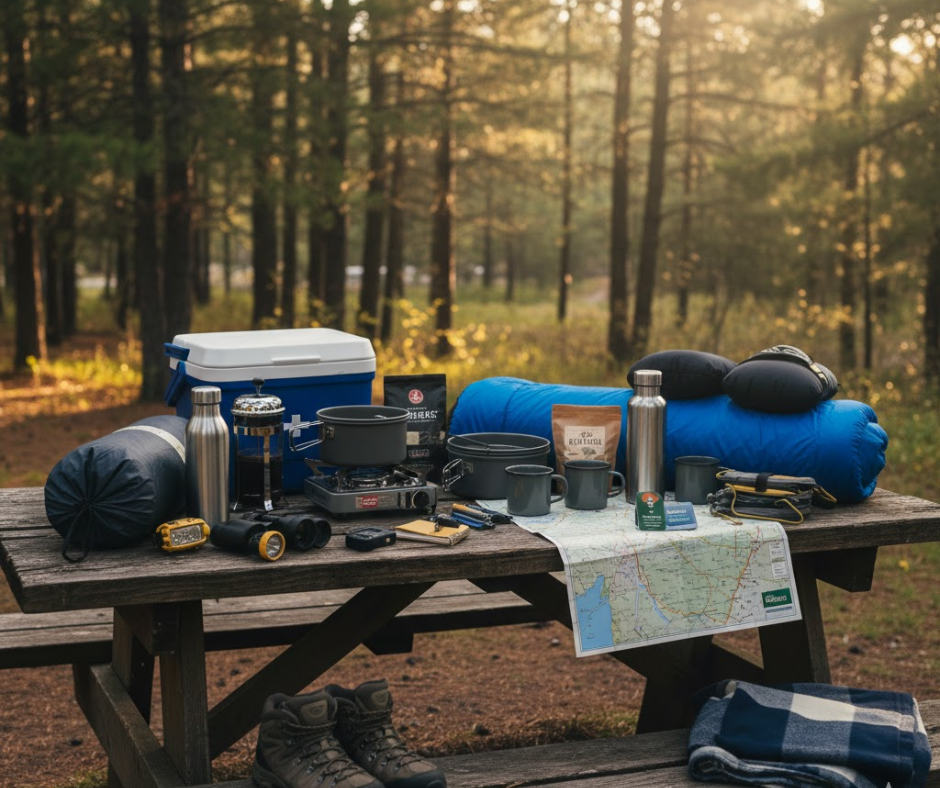
Beyond the obvious camping gear, prioritize layers for unpredictable mountain weather, bear spray for backcountry hiking, and a Parks Canada-approved bear canister if you're doing overnight backpacking. Bring binoculars for wildlife spotting and a paper map as backup—cell service disappears in many park areas.
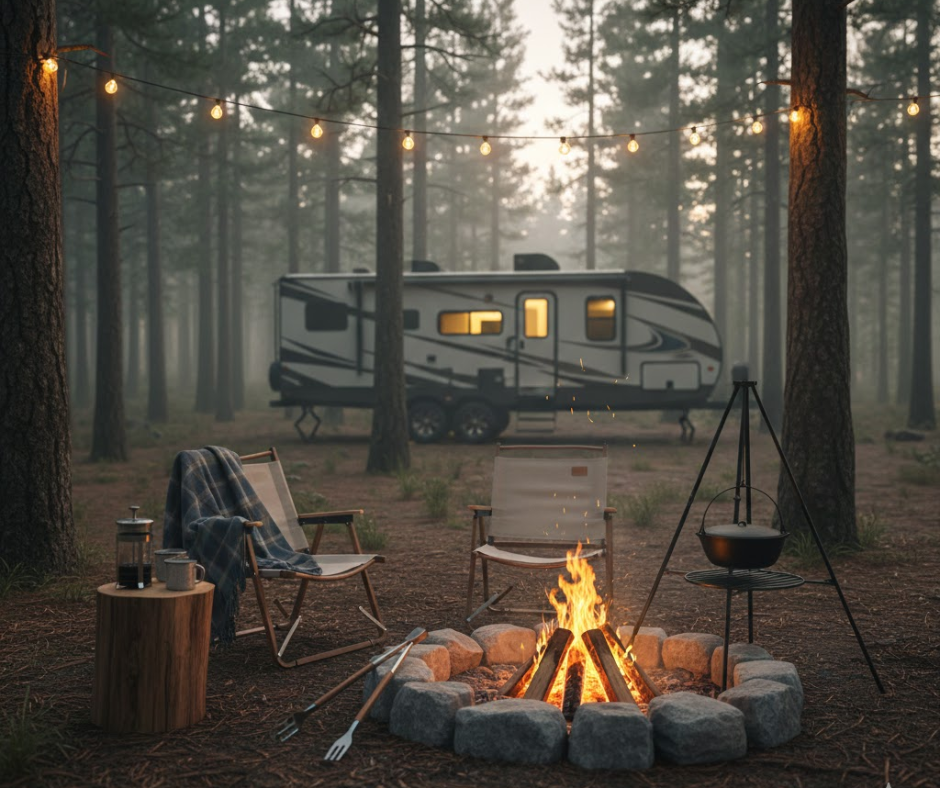
For RV-specific packing, stock up on groceries in major centres before entering parks, where options are limited and prices are steep. A portable camp chair for each traveller makes lakeside evenings infinitely more comfortable, and a good cooler extends your fresh food options between resupply stops.
Campground and RV Tips for Canadian National Parks
Understanding how Parks Canada campgrounds work helps you score better sites and avoid rookie mistakes.

Parks Canada Campground Types Explained
Frontcountry campgrounds offer drive-in access with varying levels of service—from full hookups (water, electricity, sewer) to basic unserviced sites with just a fire pit and picnic table. Most RV travellers want serviced or semi-serviced sites, which provide at least electricity for running your rig's systems.
Backcountry camping requires hiking or paddling to reach your site and comes with strict regulations around food storage and waste. These sites suit experienced campers looking for solitude but aren't practical for RV road trips.
Best RV-Friendly Campgrounds in Canadian National Parks
Banff and Jasper campgrounds lead the pack for RV infrastructure, with multiple campgrounds offering full hookups and dump stations. Tunnel Mountain Village in Banff and Wapiti in Jasper accommodate larger rigs and provide convenient access to park highlights.
On the East Coast, Fundy's Headquarters Campground offers full-service sites near the park's best trails. Pacific Rim's Green Point Campground is trickier—sites suit smaller RVs, and the winding access road challenges larger motorhomes. Check size restrictions before booking.
Boondocking and Free Camping Options Near Parks
When park campgrounds fill up, crown land and forest service roads offer free dispersed camping opportunities. Alberta and British Columbia have extensive crown land where self-contained RVs can camp for free, typically within an hour's drive of major parks. Research specific areas beforehand using resources like iOverlander or Campendium.
Private campgrounds near park entrances provide another backup option, often with better amenities than park sites—hot showers, laundry, WiFi—though at higher nightly rates.
Budgeting for Your Canadian National Park Road Trip
A national park road trip doesn't have to break the bank, but realistic budgeting prevents unpleasant surprises.
How Much Does a Canadian National Park Road Trip Cost?
For a two-week Rocky Mountain circuit, expect to budget $3,000 to $5,000 for a couple, including RV rental, fuel, campground fees, food, and activities. Families should add $1,000 to $2,000 for additional food and activity costs. The biggest variables are RV rental rates (which fluctuate seasonally) and your dining habits—cooking in your RV saves hundreds compared to restaurant meals.
Understanding RV rental costs before you book helps set realistic expectations. Rental rates vary by RV type, season, and rental duration, with longer trips often qualifying for weekly discounts.
Money-Saving Tips for Park Fees, Fuel, and Food
The Discovery Pass pays for itself quickly, so don't skip it. Fuel costs add up fast given Canada's distances—budget $0.20 to $0.30 per kilometre for a mid-size motorhome and fill up in larger towns where prices run lower.
Grocery shopping at major centres before entering parks saves significantly. A Costco run in Calgary before hitting the Rockies stocks your RV fridge at urban prices rather than mountain-town markups.
Is Renting an RV Worth It for a National Park Trip?
Absolutely—when you factor in what you'd spend on hotels, rental cars, and restaurant meals, RV travel often costs less while delivering a better experience. You're not just renting transportation; you're renting freedom, flexibility, and a basecamp that goes wherever you go.
The math works especially well for families and groups, where hotel costs multiply quickly. A Class C motorhome sleeping six people costs roughly the same as two mid-range hotel rooms per night, but includes your kitchen, bathroom, and living space.
Start browsing RVs for your national park adventure and see what's available in your area.
Common Mistakes to Avoid on a Canadian National Park Road Trip
Even experienced road trippers can underestimate what it takes to travel through Canada’s national parks. The distances are longer, services are more spread out, and conditions can change quickly. Avoiding a few common mistakes can make the difference between a stressful trip and one that feels smooth and memorable.
Underestimating Drive Times and Distances
Canada is massive, and Google Maps doesn't account for mountain passes, wildlife stops, or that waterfall you'll definitely want to photograph. Add 25% to estimated drive times and resist the urge to cram too many parks into limited days. The point is experiencing these places, not just collecting park entrance stamps.
Skipping the Lesser-Known Parks
Everyone visits Banff, but Waterton Lakes, Elk Island, and Kootenay offer equally stunning experiences with far fewer crowds. Build at least one "hidden gem" park into your itinerary—these often become trip highlights precisely because they feel more personal and less like tourist attractions.
Not Having a Wildlife Safety Plan
Canadian parks are home to bears, moose, elk, and other large animals that demand respect. Know how to store food properly, what to do during a bear encounter, and why approaching wildlife for photos is both illegal and dangerous. Parks Canada provides excellent resources at visitor centres—take 15 minutes to review them when you arrive.
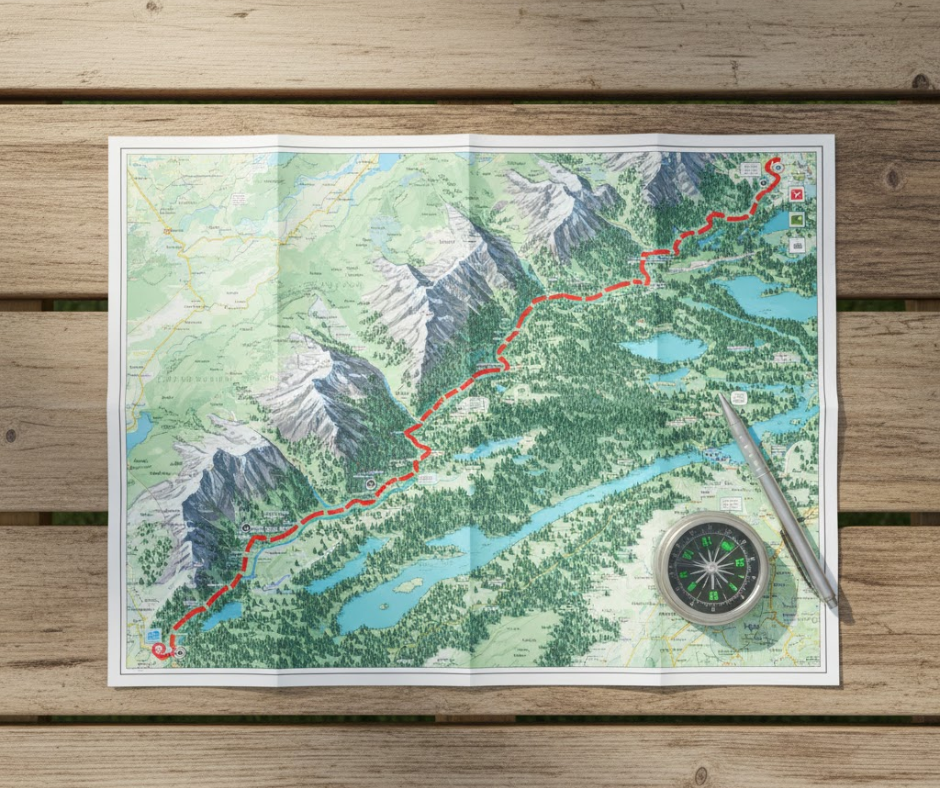
Start Planning Your Canadian National Park Road Trip
Canada's national parks offer some of the most spectacular road trip experiences on the planet. Whether you choose the iconic Rocky Mountain circuit, the charming Maritime route, Ontario's accessible wilderness, or BC's wild Pacific coast, you'll find landscapes that stay with you long after you've returned home.
The best time to start planning is now. Find the perfect RV for your adventure, map out your route, and get those campground reservations locked in. The open road is waiting, and Canada's parks are ready to deliver the trip of a lifetime.
Elisabeth St Pierre
View more posts