Different RV Types Explained: Find The Perfect RV For Your Travel Style
Posted on July 7, 2021
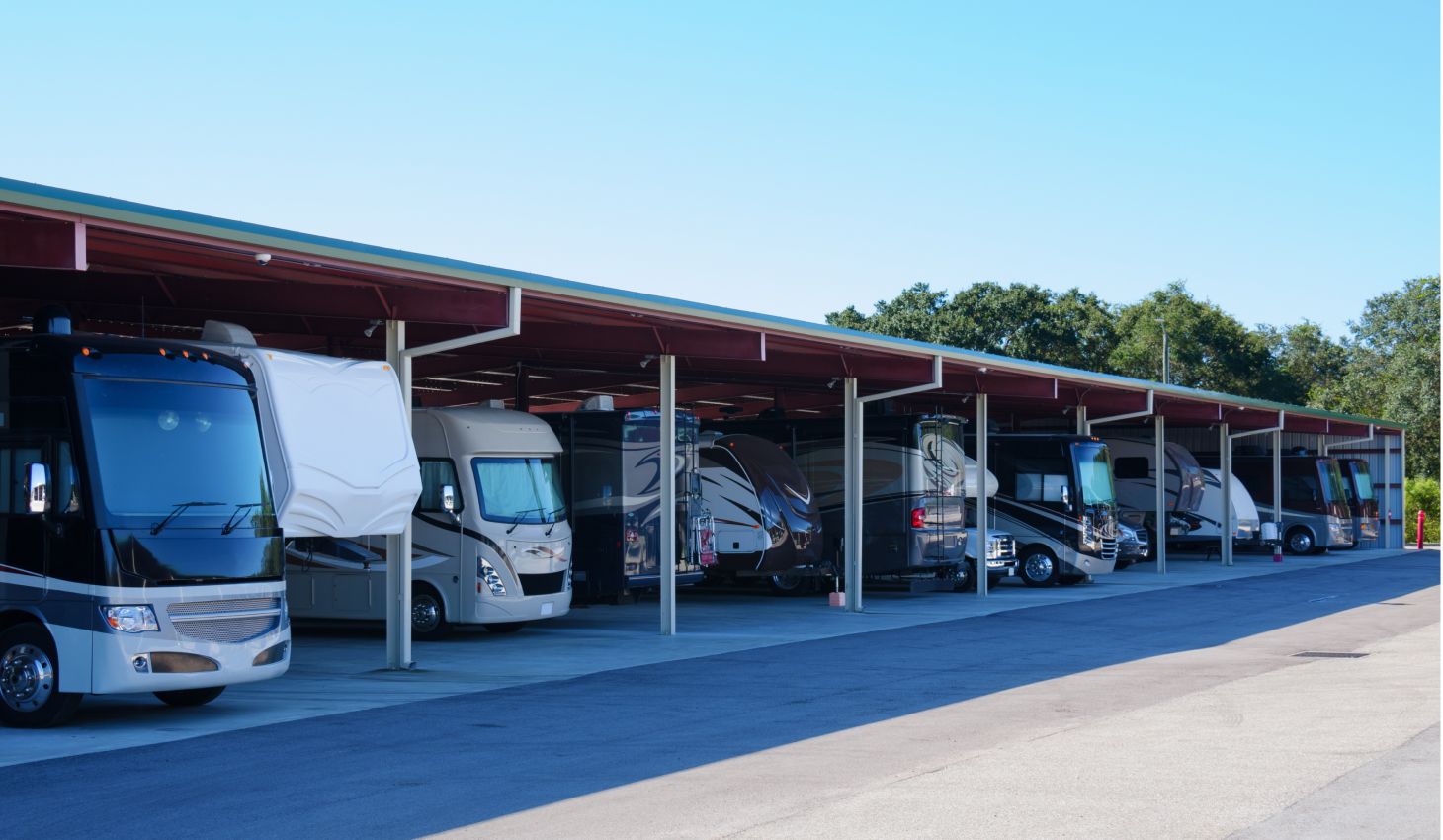
An RV brings the comfort of a second home onto the open road. It gives you the freedom to explore new places with family and friends while still enjoying familiar conveniences. A well-designed RV lets you travel without giving up comfort, space, or essential amenities.
Buying or renting an RV can feel overwhelming, especially for beginners. So many different RV types, layouts, and features make the decision harder than expected. A comfortable RV should offer enough sleeping space, smart storage, and essential amenities, but it also needs to align with your travel style so you can enjoy every trip without unnecessary stress.
Planning short getaways or long road trips becomes easier when you understand the different RV types available. This guide simplifies your options and helps you choose an RV that fits your needs with confidence.
Key Takeaways
- Your RV choice should reflect how you plan to travel, not just what looks appealing. Different RV types are designed for different experiences, so matching the vehicle to your travel style is key.
- Larger RVs offer more space and comfort, smaller ones are easier to drive and manage.
- Consider practical factors like towing capacity, storage, and campground access.
What Is an RV?
An RV, or recreational vehicle, is designed to combine travel and temporary living in one space. It allows you to move from one destination to another while carrying your essentials and maintaining a comfortable lifestyle.
Different RV types come with a range of built-in features that support both convenience and flexibility:
- Sleeping Areas: Include fixed beds, bunk beds, or convertible spaces for rest.
- Kitchens: Provide cooking essentials like a stove, sink, and refrigerator.
- Bathrooms: Range from compact wet baths to full setups with separate showers.
- Living Space: Offer areas for dining, relaxing, and entertainment.
- Storage: Include cabinets and compartments for travel gear and personal items.
Clear understanding of these features makes it easier to evaluate which RV setup matches your travel needs and comfort expectations.
- Class A motorhomes
- Class B motorhomes
- Class C motorhome
- Fifth wheel
- Toy haulers
- Travel trailers
- Pop-up campers
- Tiny travel trailers
- Truck campers
Class A motorhomes
Overview
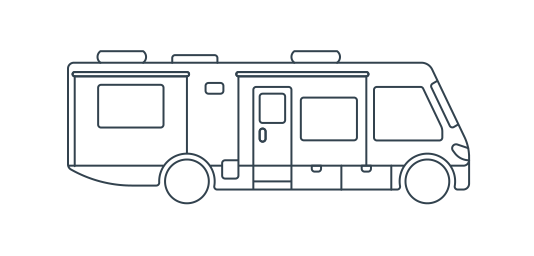
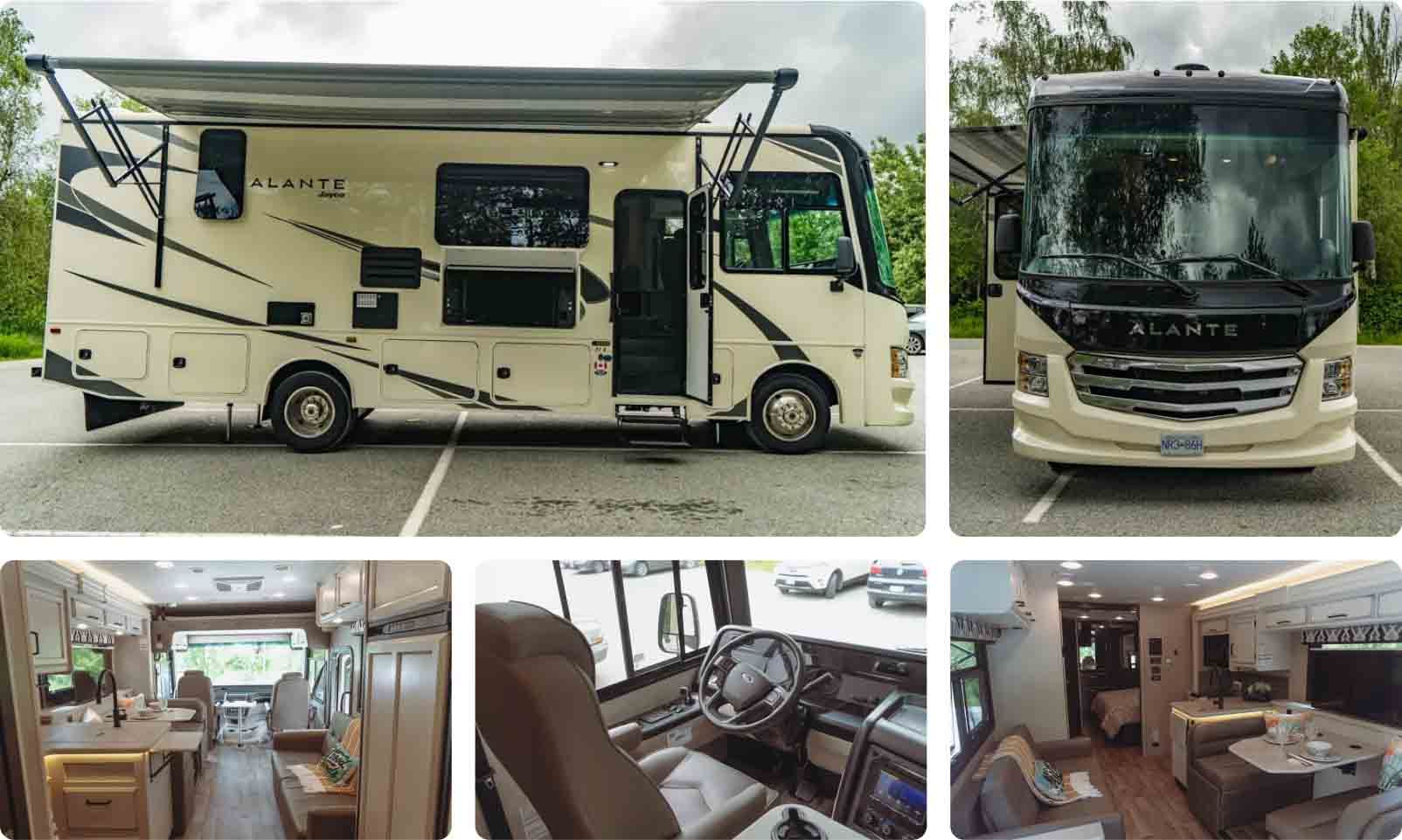
Class A motorhomes are the biggest drivable RVs and are often associated with luxury and comfort. Their large bus frames are built on a bus or commercial truck chassis providing RV manufacturers with the flexibility to make heavier and more spacious RVs.
Types Of Engines
- Gas Engine: Common in smaller Class A models. These engines are more affordable upfront and easier to maintain, making them a practical choice for occasional travelers.
- Diesel Engine: Found in larger and heavier Class A motorhomes. Diesel engines offer better torque, improved towing capacity, and smoother performance over long distances, making them ideal for full-time travel or extended road trips.
Characteristics
- Include residential-style amenities such as full kitchens, upgraded flooring, and comfortable furniture.
- Offer ample underbelly storage to carry travel essentials and long-term supplies.
- Feature larger freshwater, gray, and black tanks compared to smaller RV types.
- Support extended travel due to higher weight capacity and enhanced storage and utility systems.
Sleeping Capacity: Up to ten people.
RVezy Pro Tip: RV manufacturers design sleeping spaces differently across models and layouts. Before you rent or buy an RV, it’s important to consult the host, view a floor plan, or visit a local dealership. Some RV beds may have shorter mattresses or offer less space than a standard-sized bed, which can impact overall comfort.
Pros And Cons Of Class A Motorhomes
Pros | Cons |
Offer residential-style comfort and amenities. | Require oversized parking spaces. |
Provide a large indoor living space. | Consume more fuel due to size and weight. |
Allow quick and easy setup at campgrounds. | May require an additional tow vehicle for local travel. |
Include ample storage for travel essentials. | Present challenges when driving, especially for beginners. |
Class B motorhomes
Overview
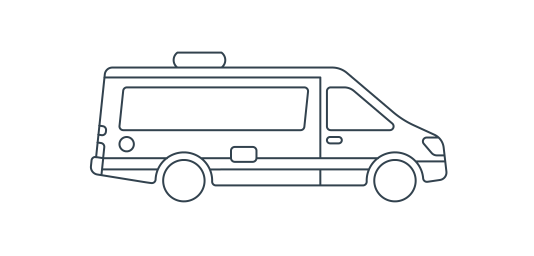
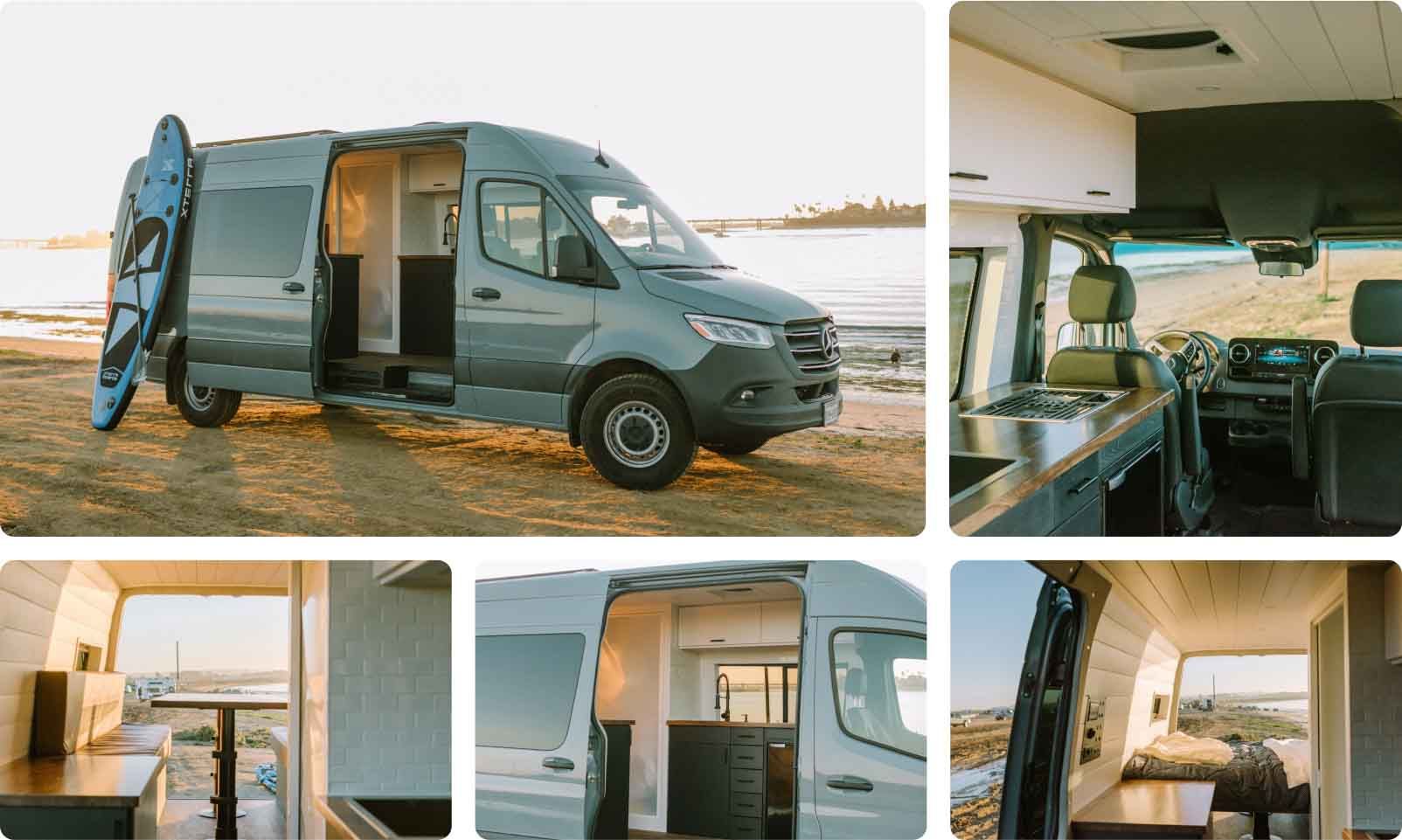
Class B motorhomes are the smallest drivable RVs on the market and have gained popularity through the van life movement. Also known as campervans, they offer a compact and flexible travel experience while still including essential living features.
Types Of Engines
- Gas Engine: Common in most Class B models and easier to maintain for everyday travel.
- Diesel Engine: Available in select models and offers better fuel efficiency and long-distance performance.
Characteristics
- Fit easily into standard parking spaces due to their compact size.
- Include small kitchens, flexible living and sleeping areas, and in some cases, toilets and showers.
- Offer easy handling and maneuverability, making them suitable for both city driving and off-grid travel.
Sleeping Capacity: Two to four people.
Pros And Cons Of Class B Motorhomes
Pros | Cons |
Easy to drive and handle. | Offer limited storage space. |
Fit into standard parking spaces. | Function as your primary vehicle during trips. |
Work well for national parks and small campgrounds. | Include smaller black, gray, and freshwater tanks. |
Support off-grid camping and boondocking. | Require converting living space into a bed. |
Class C motorhome
Overview
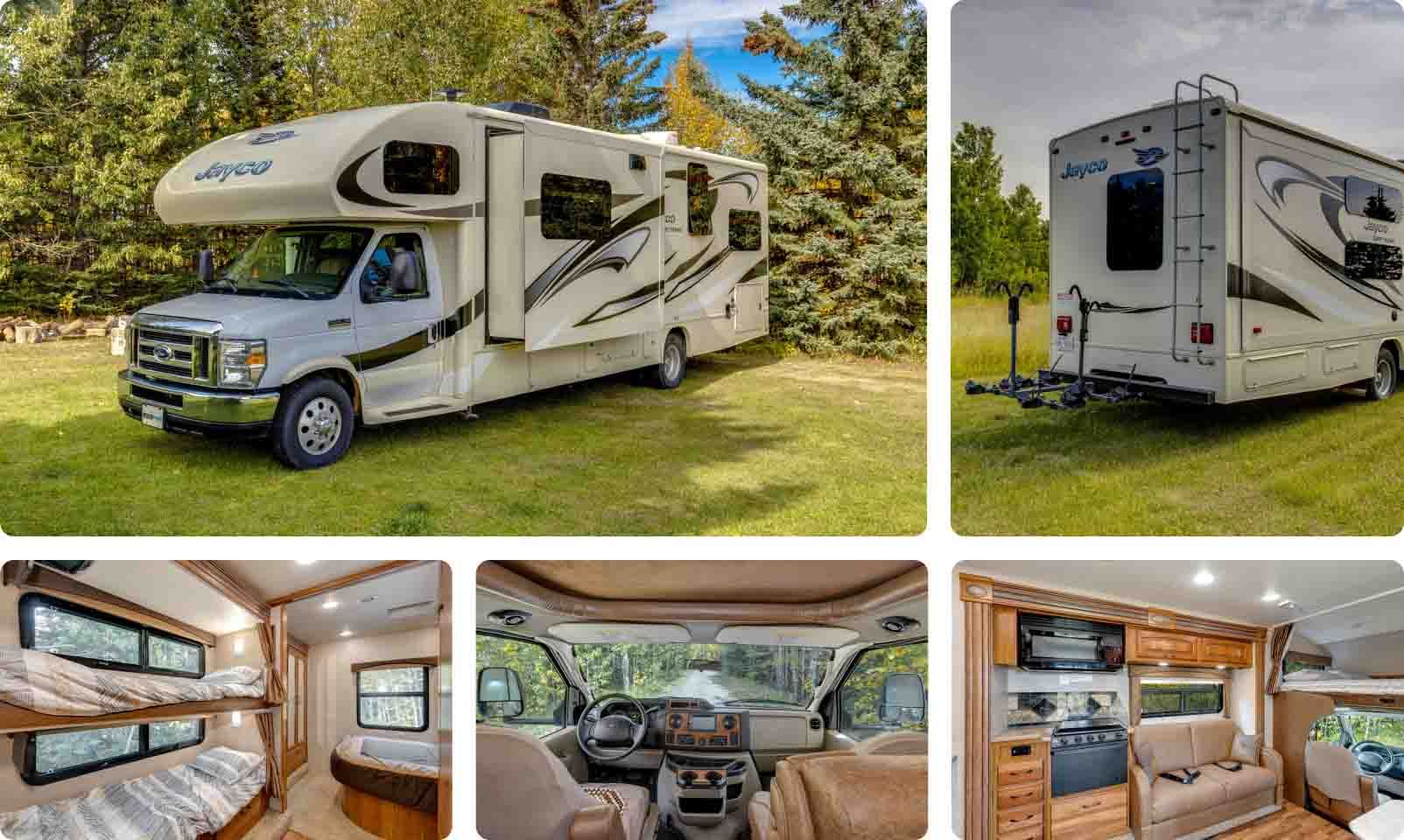
Class C motorhomes are one of the most popular and widely rented types of RVs on the road. Class Cs are built on a van chassis with the living space constructed around the cab. Class C RVs are versatile and easy to drive. They are available with both gas and diesel engines, offering flexibility based on travel needs and performance preferences. Gas-powered engines are common, while diesel options are often found on platforms like the Mercedes-Benz Sprinter used in models such as the Winnebago View and Jayco Melbourne.
Types Of Engines
Gas Engine: Common and widely available, offering reliable performance for most travel needs.
Diesel Engine: Available in select models, providing better fuel efficiency and torque for long-distance travel.
Characteristics
- Built on a van chassis with an extended living area over the cab.
- Include essential amenities such as a bedroom, kitchen, bathroom with a shower, and a convertible dinette sleeping area.
- Feature a cab-over bed that serves as an additional sleeping space or extra storage.
- Deliver a balance of drivability and interior comfort compared to larger motorhomes.
- Expand into more spacious living areas when parked, especially in models with slide-outs.
Sleeping Capacity: Up to eight people.
Pros And Cons Of Class C Motorhomes
Pros | Cons |
Easy to drive and park. | May require an additional tow vehicle for local travel. |
Offer flexible living and sleeping space. | Include average-sized holding tanks. |
Fifth wheel
Overview
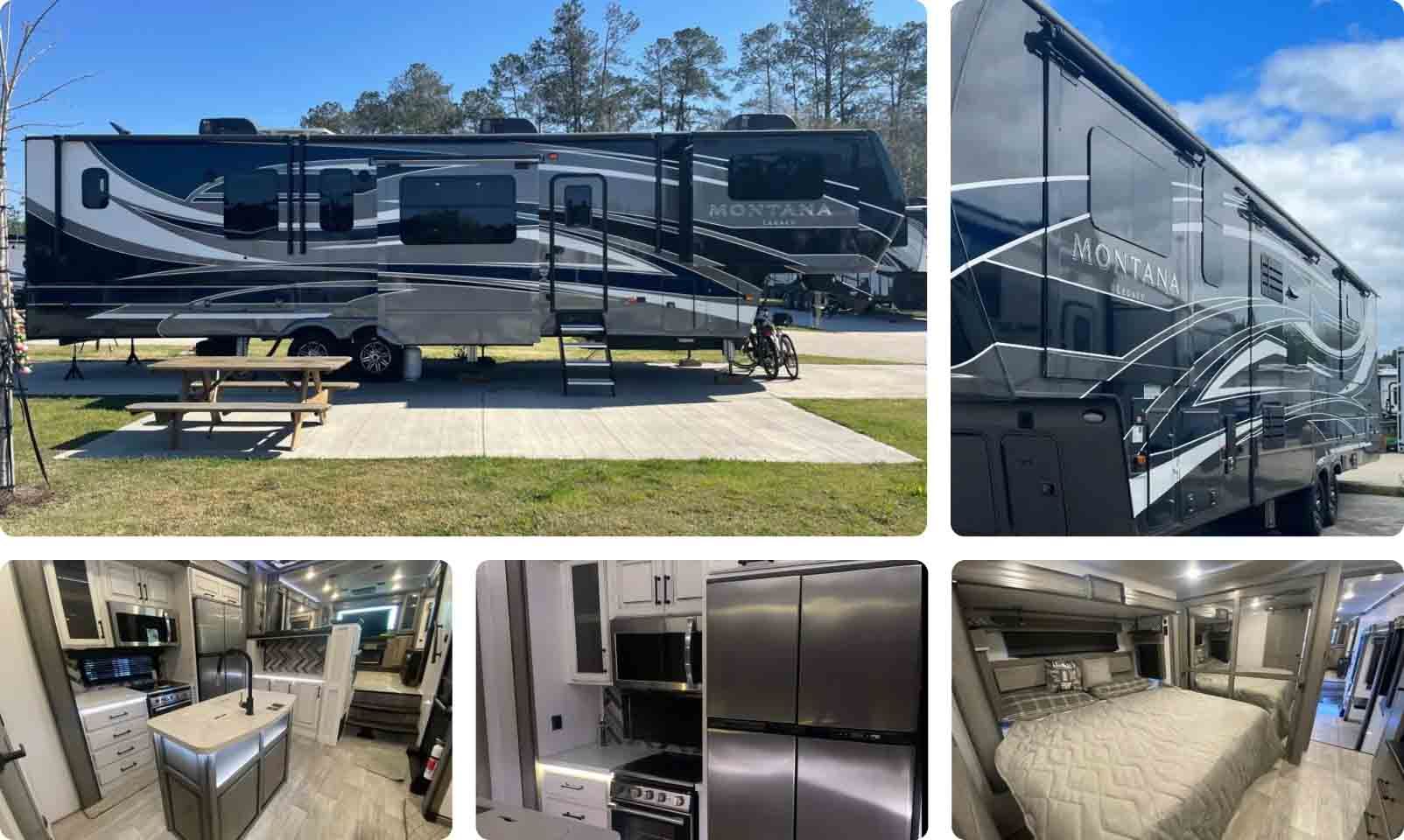
Fifth wheel travel trailers are the largest towable RVs and are widely preferred for long-term or full-time living. Their unique hitching system and spacious design make them a comfortable and stable option for extended travel. It connects the trailer’s kingpin at the front to a fifth wheel hitch mounted in the truck bed. The truck bed connection helps to make fifth wheels ride smoother and more stable than a travel trailer.
Characteristics
- Provide a smoother and more stable towing experience due to the truck bed connection.
- Feature larger and heavier builds compared to standard travel trailers.
- Include multi-level layouts, with an upper section over the truck bed used as a bedroom or bunkhouse multipurpose space.
- Offer residential-style amenities such as multiple slide-outs, outdoor kitchens, kitchen islands, and reclining seating.
- Support long-term living with features like office space and extendable patios.
Sleeping Capacity: Up to eight people.
Pros And Cons Of Fifth Wheel RVs
Pros | Cons |
Offer extensive storage space. | Require more effort to park and maneuver. |
Provide separate living and sleeping areas. | Often need off-site storage due to size. |
Include unique features such as bunkhouses and sleeping nooks. | Must be towed with a heavy-duty or capable pickup truck. |
Support long-term and full-time living. | May be too large for some national park campgrounds. |
Toy haulers
Overview
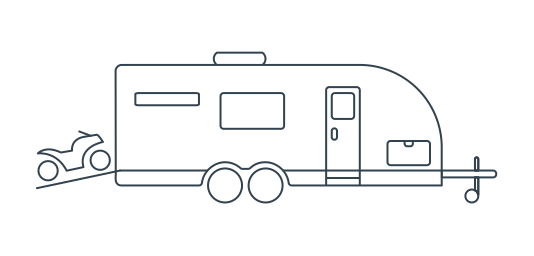
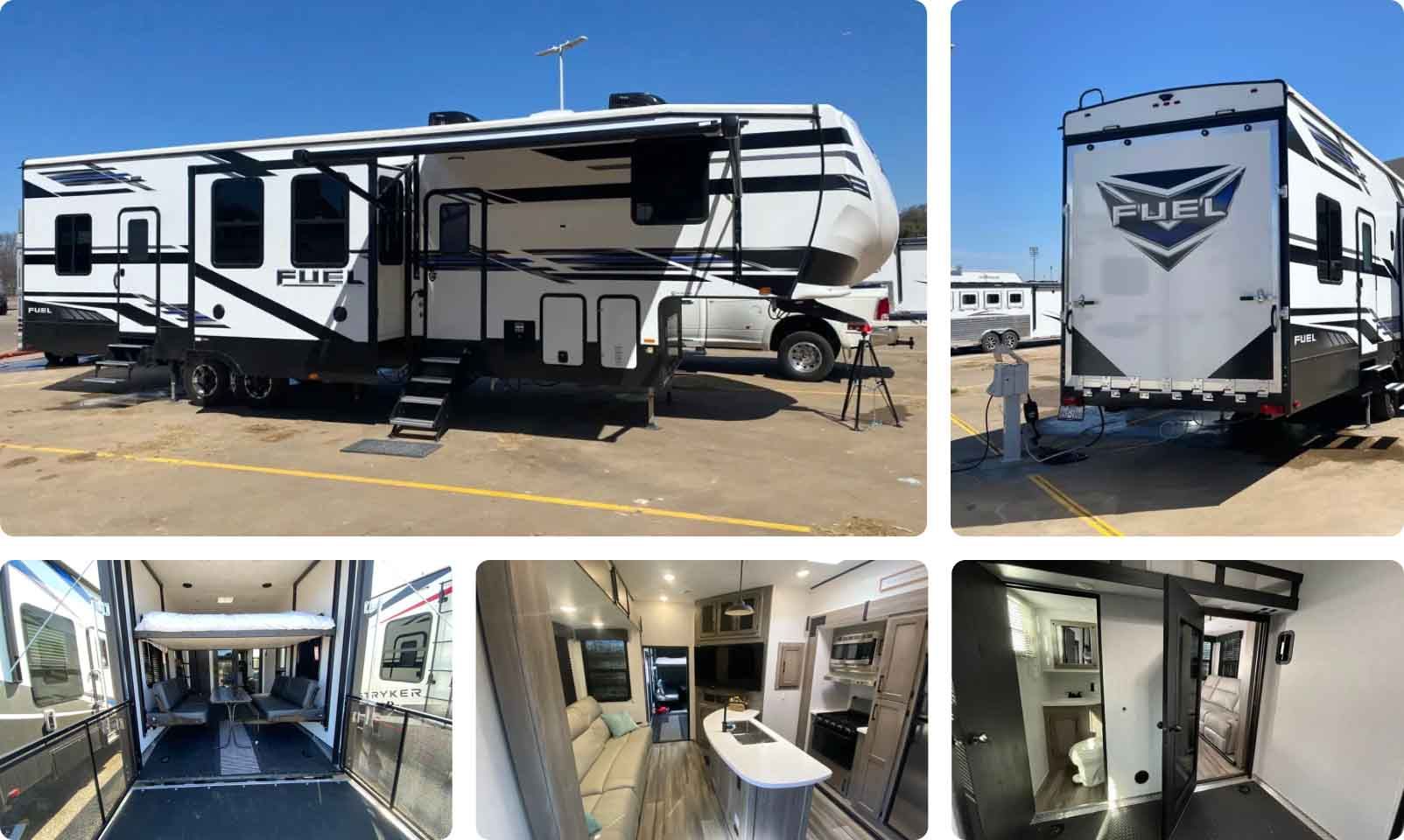
Toy haulers are a unique type of RV designed for travelers who want to bring recreational vehicles and gear along with them. While most toy haulers are built as travel trailers or fifth wheels, their integrated garage space sets them apart as a distinct category.
Characteristics
- Include a dedicated garage or multi-purpose utility space for carrying motorcycles, dirt bikes, kayaks, and other recreational equipment.
- Combine living areas with storage space, allowing both accommodation and transport in one unit.
- Offer models with separate garage compartments to keep gear isolated from living quarters.
- Feature compact designs where the living space may be shared with equipment during transit.
- Support adventure-focused travel with flexible and utility-driven layouts.
Sleeping Capacity: Up to seven people.
Pros And Cons Of Toy Haulers
Pros | Cons |
Eliminate the need for a separate vehicle to transport recreational items. | Add extra weight, making towing more demanding. |
Support off-grid and adventure-focused camping. | Use rugged, easy-to-clean materials that may feel less residential. |
Provide flexible utility space that can serve multiple purposes. | Often require off-site storage due to size. |
Travel trailers
Overview
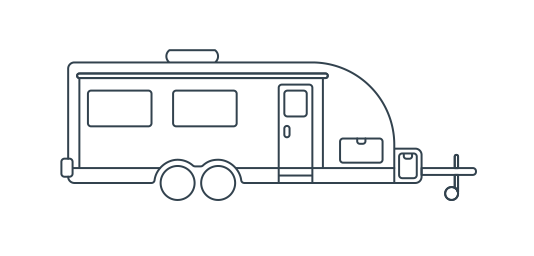
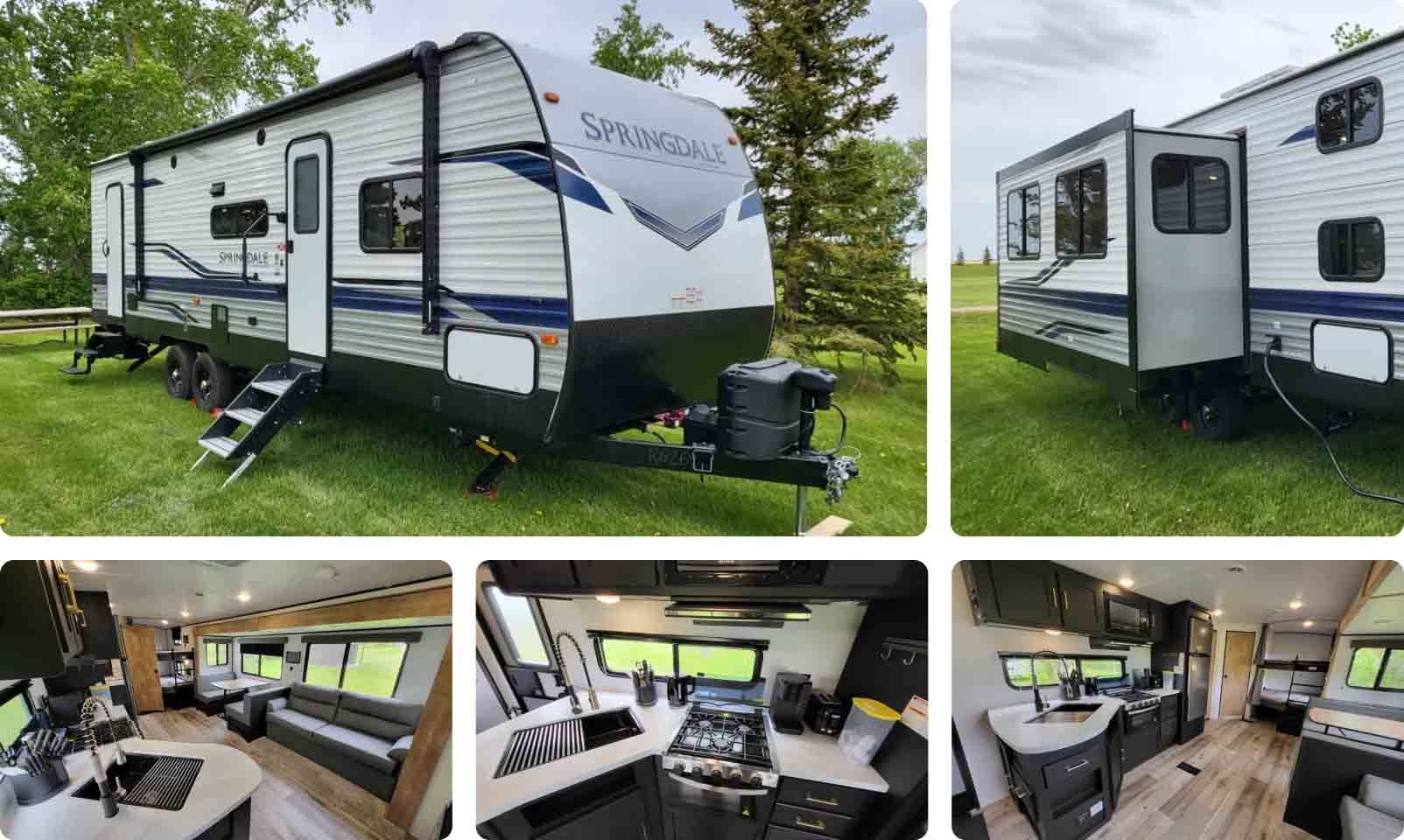
Travel trailers are the most popular types of RVs due to their versatility and wide range of sizes and layouts. They suit different travel needs, from short trips to extended stays, making them a flexible choice for many travelers.
Towing Requirement
- Tow Vehicle: Requires a vehicle with adequate towing capacity and a compatible hitch to safely connect and pull the trailer.
Characteristics
- Come in a variety of lengths and weights, typically ranging from 20 to 30 feet and extending up to 40 feet.
- Include essential amenities such as a kitchen, sleeping area, bathroom, and a convertible dinette or living space.
- Offer hard-sided construction for better durability and insulation.
- Provide larger models with features like slide-outs, separate living and sleeping areas, bunkhouses, and outdoor kitchens.
- Support a wide range of travel styles due to their flexibility in size and layout.
- Include smaller variants that fall into the category of tiny travel trailers.
Sleeping Capacity: Up to ten people.
Pros And Cons Of Travel Trailers
Pros | Cons |
Offer a wide variety of sizes and layouts to choose from. | Provide lower weight carrying capacity compared to larger RVs. |
Remain budget-friendly for many travelers. | Depend on the tow vehicle’s towing capacity. |
Allow the tow vehicle to be used for additional storage and local travel. | Include limited onboard storage space. |
Enable a park-and-use setup for flexible travel. | Often do not fit in a standard residential garage. |
Pop-up campers
Overview
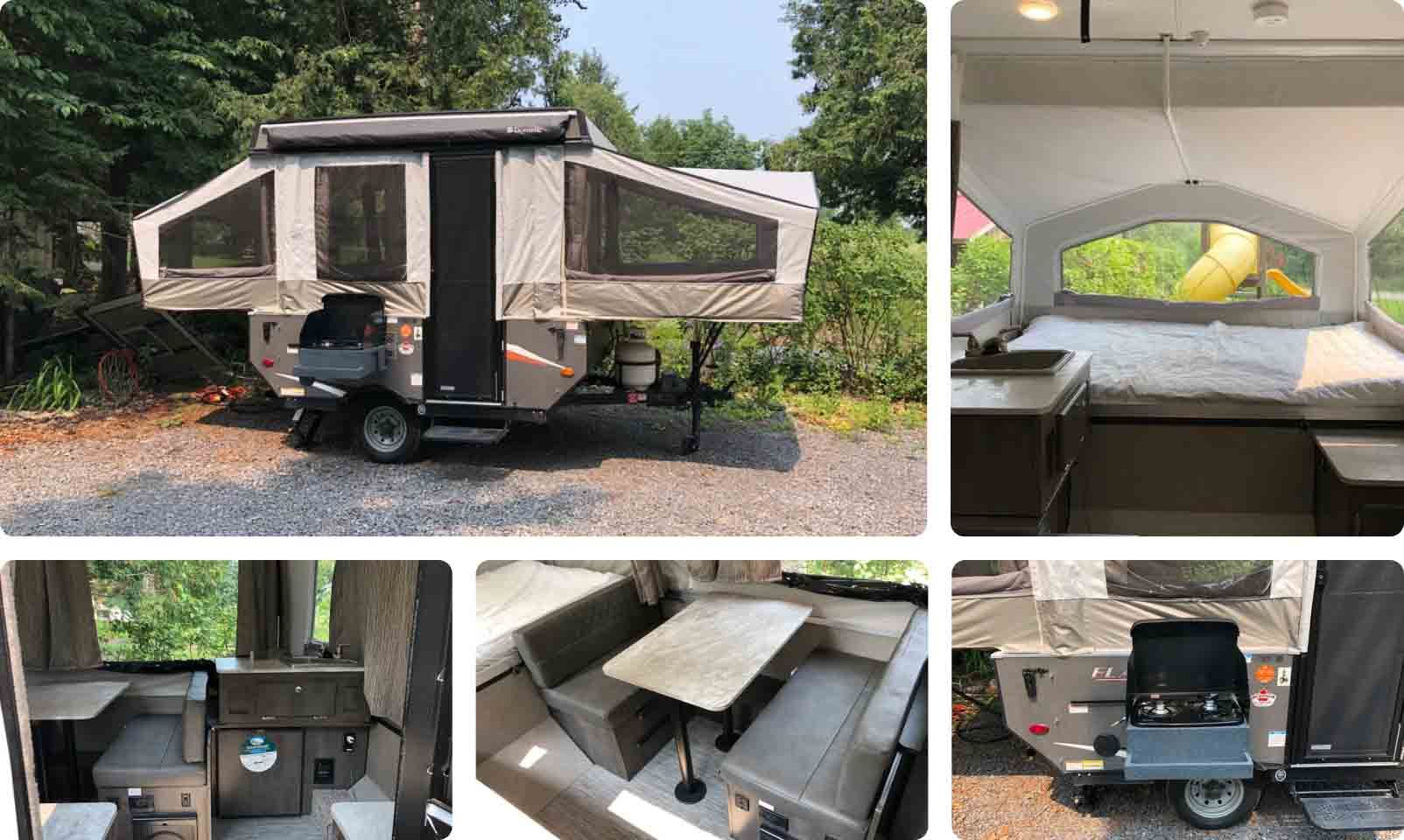
Pop-up campers are lightweight, budget-friendly RVs that combine features of traditional trailers and tent camping. Their collapsible design makes them compact for travel while expanding into a more functional living space at the campsite.
Characteristics
- Feature a hard-sided base that houses essentials such as a kitchen, dinette, storage, and in some models, a toilet or shower.
- Collapse into a compact form during travel and expand at the campsite to create additional headroom and sleeping space.
- Include tent-style sides with zippered windows for ventilation and accessibility.
- Offer a lightweight and streamlined design, making them easy to tow with smaller vehicles.
- Provide a cost-effective option compared to most travel trailers.
Sleeping Capacity: Up to four to six people.
Pros And Cons Of Pop-Up Campers
Pros | Cons |
Remain budget-friendly for most travelers. | Expose occupants to noise and extreme temperatures similar to tent camping. |
Feature a low profile and lightweight design for easy towing. | Face restrictions in some RV parks. |
Fit easily inside a residential garage for storage. | Offer limited storage space. |
Provide a smooth transition for tent campers moving toward RV travel. | Tend to have lower resale value. |
Tiny travel trailers
Overview
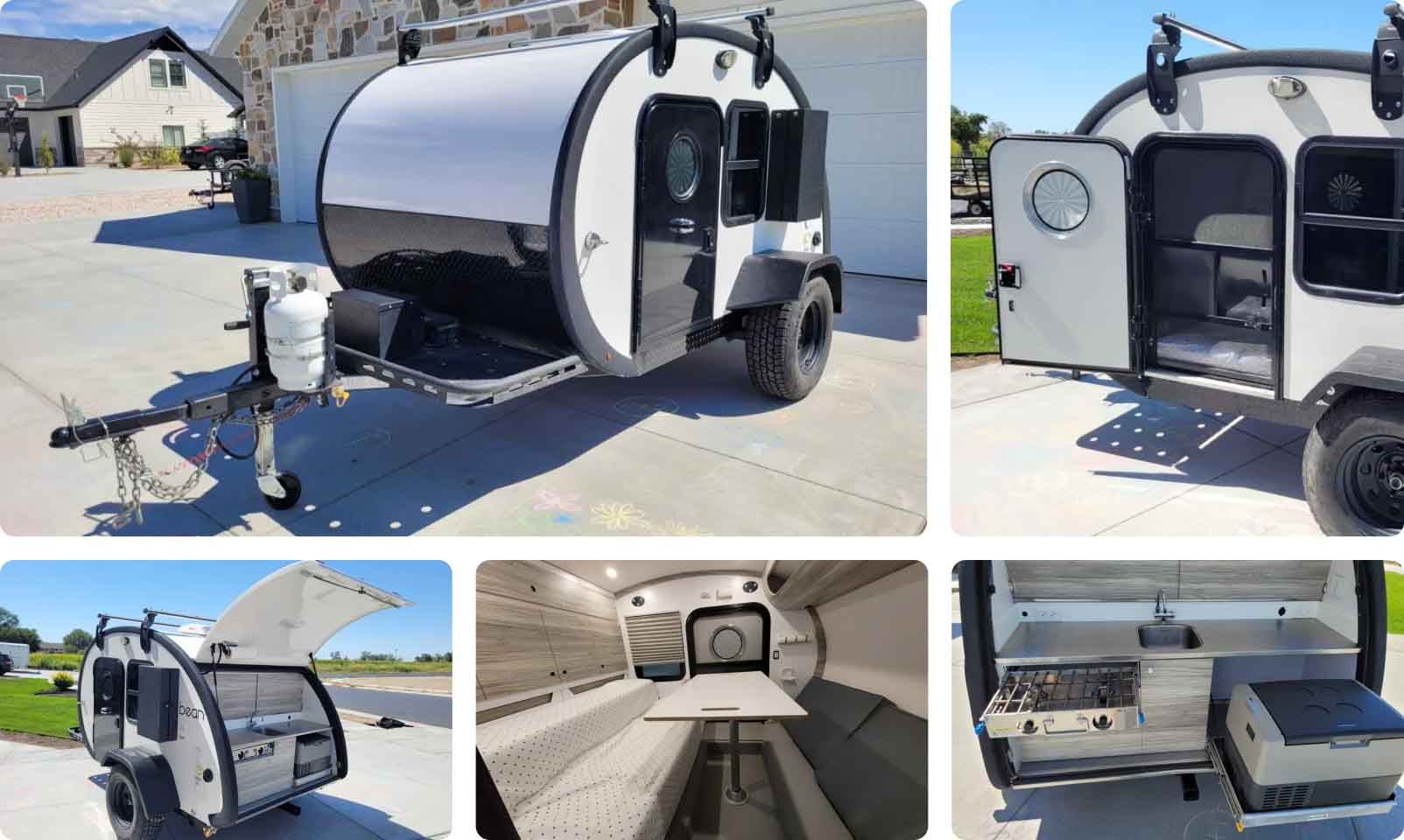
Tiny travel trailers, also known as micro trailers, are compact RVs designed for flexibility and simplicity. While they share similarities with traditional travel trailers, their smaller size and adaptable layouts give them a category of their own.
Characteristics
- Include various types such as teardrop, fiberglass, clamshell, and smaller pop-up trailers.
- Offer flexible layouts with options for indoor living spaces or compact, multi-use areas.
- Feature models with indoor kitchens and wet baths, while others provide outdoor kitchen setups.
- Support easy towing with smaller SUVs and trucks due to their lightweight design.
- Provide compact living solutions ideal for short trips and minimal travel needs.
Sleeping Capacity: Sleeps two adults, with some models accommodating up to four people.
Pros And Cons Of Tiny Travel Trailers
Pros | Cons |
Allow easy driving and parking in most locations. | Provide minimal storage capacity. |
Work well for national parks and smaller campgrounds. | Include smaller freshwater, gray, and black tanks. |
Fit inside a residential-sized garage for storage. | May not always be fully self-contained. |
Truck campers
Overview
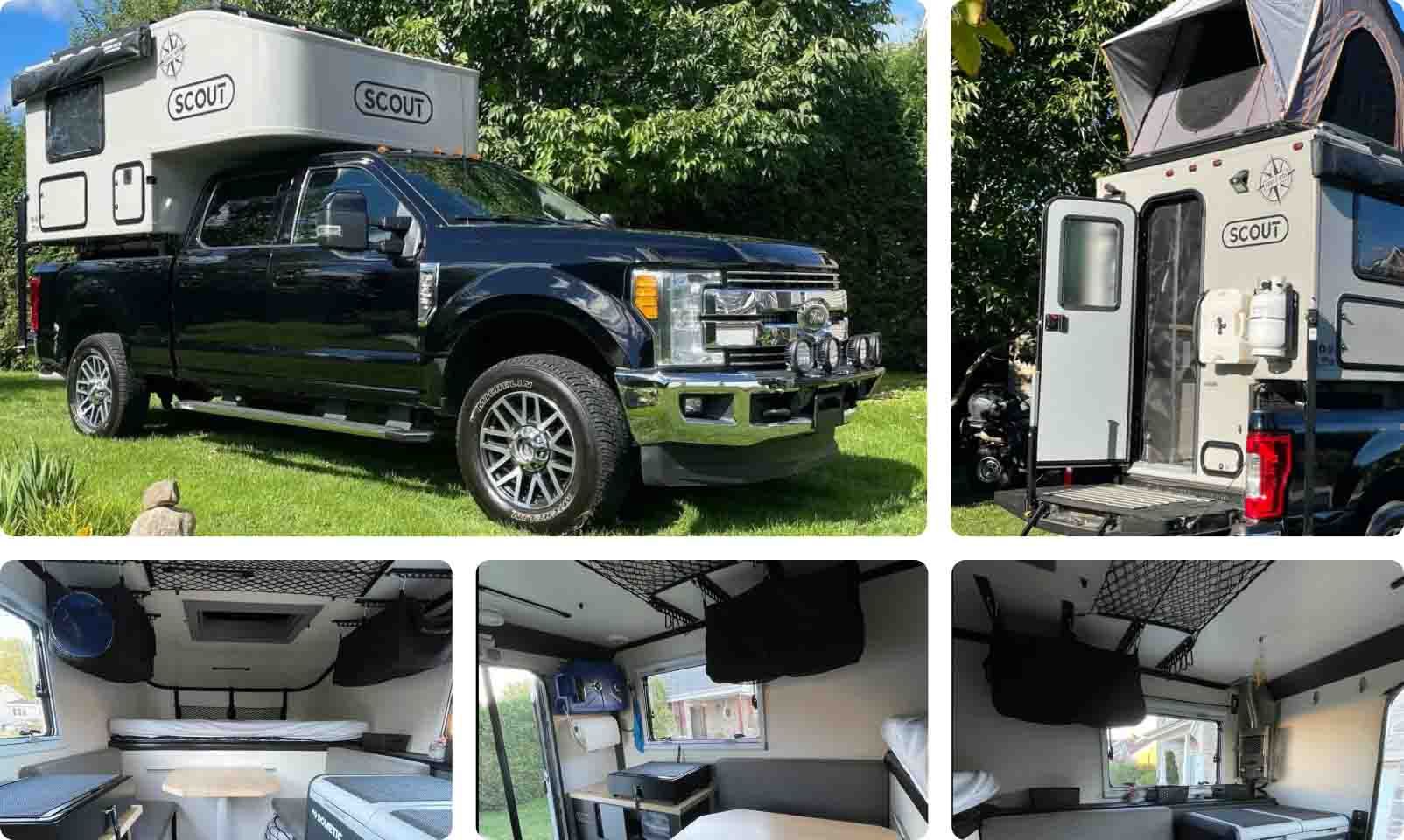
Truck campers are compact RV units that mount directly onto the bed of a pickup truck, combining mobility with essential living features. They eliminate the need for towing, making them a practical choice for travelers who want easier handling and access to remote or off-road locations. Most full-sized truck campers require at least a 3/4-ton truck, with many larger models requiring a one-ton or dual rear-wheel truck, while lighter models can be compatible with some half-ton trucks.
Characteristics
- Mount onto the bed of a pickup truck and typically require a one-ton or dual rear-wheel truck due to weight.
- Include essential amenities such as a bed, kitchen, and a toilet or wet bath.
- Feature hard-sided designs, with lighter models offering pop-up roofs for added flexibility.
- Provide taller, fully enclosed structures in heavier models that allow standing room.
Sleeping Capacity: Up to five to six people.
Pros And Cons Of Truck Campers
Pros | Cons |
Allow easy driving and parking compared to larger RVs. | Require trucks with high payload capacity and sufficient GVWR. |
Support off-road and remote travel. | Feel top-heavy, affecting stability in certain conditions. |
Fit inside a residential garage for storage. | Offer limited interior living space. |
Work well for carrying boats and recreational equipment. | Provide limited storage capacity. |
Conclusion
Understanding the different RV types makes it easier to choose between a drivable RV, a towable option, or a truck camper based on your travel style and comfort needs. Each option offers a unique experience, so the right choice depends on how you plan to travel, where you want to go, and what level of convenience you expect.
If you are still narrowing down your options, take the next step before making a decision. Explore more insights and practical recommendations to find an RV that fits your lifestyle with confidence.
Before booking your next rental or test driving your preferred models, check out RVezy’s guide on the best RVs for first-time owners and renters to make a more informed choice.
FAQs
1. How Do I Choose The Right RV For My Needs?
Start by considering your travel style, group size, budget, and preferred destinations. Evaluate factors such as sleeping capacity, storage space, towing requirements, and campground accessibility to find an RV that fits your lifestyle.
2. Which RV Type Is Best For Beginners?
Class B motorhomes and travel trailers are often ideal for beginners due to their manageable size, ease of driving or towing, and lower overall cost. The right choice depends on your comfort with driving larger vehicles and your travel preferences.
3. What Is The Difference Between Drivable And Towable RVs?
Drivable RVs, also known as motorhomes, come with built-in engines and can be driven like a vehicle. Towable RVs require a separate vehicle to pull them, offering more flexibility once parked since you can use the tow vehicle independently.

Meagan Butler
Meagan is a glitter-loving, trailer-towing RV content writer. When she's not camping in her Winnebago Solis, she spoils her dogs, takes landscape photography, and supports the RV community.
View more posts