California National Parks Road Trip: The Ultimate Guide to Exploring the Golden State
Posted on January 25, 2026
- Your California National Parks Loop Starts Here
- Breaking Down the Best California National Parks Road Trip Routes
- What's the Best Time for a California National Parks Road Trip
- Where to Camp with Your RV in California National Parks
- Planning Your California National Parks RV Camping Logistics
- What to Pack for Your California National Parks RV Adventure
- Top Highlights and Must-See Spots in Each California National Park
- Frequently Asked Questions About California National Parks Road Trips
Planning a road trip through California's national parks means you're about to experience some of the most diverse landscapes on the planet.
This guide covers everything you need to know to make your California national parks adventure unforgettable, whether you're chasing waterfalls in Yosemite or stargazing in Joshua Tree.
Your California National Parks Loop Starts Here
California has nine national parks, more than any other state, and they showcase incredible variety. You can visit the hottest place on Earth at Death Valley, walk among the world's tallest trees in Redwood, and stand beneath towering granite cliffs in Yosemite. Based on data from 100,000+ RVezy rentals, Class C motorhomes are the most popular choice for this trip because they balance comfort with maneuverability on winding mountain roads. The typical California national parks road trip covers 1,500 to 2,000 miles depending on your route, with most travelers spending 10 to 21 days exploring. You can tackle this as one epic loop or split it into separate northern and southern adventures. RVezy renters typically book their California RV rentals three to six months ahead for summer travel, though spring and fall offer better availability and smaller crowds.
Breaking Down the Best California National Parks Road Trip Routes
The route you choose depends on how much time you have and which landscapes call to you most. Here are the main options based on feedback from thousands of RVezy renters who've completed these journeys.
The Classic Mountain Loop (10-14 days)
This route focuses on California's Sierra Nevada parks and covers about 800 miles. Start in the Central Valley where you can pick up RV rentals in San Jose or rent from Sacramento, then head to Yosemite National Park for 2-3 days. The granite walls of Yosemite Valley and seasonal waterfalls make this park worth the hype. From there, drive south through Sequoia and Kings Canyon National Parks, where you'll walk among the world's largest trees including General Sherman. This loop works best from May through October when Tioga Pass is open, allowing you to cross the Sierra Nevada without backtracking. RVezy owners report that reservations at park campgrounds fill up six months in advance during peak season, so booking early matters.
The Desert Explorer Route (7-10 days)
Perfect for winter travel when mountain parks have snow, this 900-mile route covers Southern California's desert landscapes. Start by securing campervan rentals in Los Angeles, then head to Joshua Tree National Park for two days of hiking among unique rock formations and twisted Joshua trees. Continue northeast to Death Valley, where you can experience Badwater Basin at 282 feet below sea level and catch sunrise at Zabriskie Point. Channel Islands National Park works as an add-on if you have extra time, though this requires a ferry and isn't RV-accessible. Among RVezy's 100,000+ bookings, this desert route sees peak demand from November through March when temperatures stay comfortable.
The Complete California Grand Loop (18-25 days)
For travelers who want to see it all, this 2,000+ mile journey connects all nine California national parks. Begin in San Francisco, drive north to Redwood National Park, then work your way south through Lassen Volcanic, Yosemite, Kings Canyon, Sequoia, Pinnacles, Death Valley, and Joshua Tree before looping back. This epic route requires significant planning and stamina. You'll spend roughly a third of your time driving, another third hiking and exploring parks, and the final third setting up camp and resting. RVezy data shows that Class A motorhomes become more popular for trips longer than two weeks because they offer more living space and comfort during extended travel.
The Northern California Nature Loop (7-10 days)
This lesser-known route covers about 750 miles and focuses on Northern California's forests and volcanic landscapes. Starting from RV rentals available in Sacramento, head north to Lassen Volcanic National Park to see geothermal features and alpine lakes. Continue further north to Redwood National and State Parks, where coastal redwoods tower over 350 feet tall. On your return, stop at Crater Lake in Oregon if you have time. This route works beautifully from May through October and sees far fewer crowds than the Sierra Nevada parks.
What's the Best Time for a California National Parks Road Trip
Timing your trip makes a huge difference in what you'll experience and how crowded the parks will be. California's parks span dramatic elevation changes from below sea level to over 14,000 feet, which means weather varies wildly depending on location and season.
Spring (April-May)
Spring brings waterfalls to Yosemite and wildflowers to the desert parks, making it one of the most beautiful times to visit. However, higher elevation roads like Tioga Pass typically don't open until late May or early June depending on snowpack. Death Valley and Joshua Tree are perfect during spring with comfortable temperatures in the 70s and 80s. Based on RVezy booking patterns, spring sees moderate demand with good RV availability, especially if you book 8-12 weeks ahead. You'll want to check road conditions before your trip since unexpected snow can close mountain passes.
Summer (June-September)
Summer offers the most access to California's national parks because all roads are typically open and weather is predictable. This is peak season, which means crowded campgrounds and trails, especially in Yosemite and Sequoia. Temperatures in Death Valley regularly exceed 120°F, making it dangerous for summer visits. RVezy renters report that campervans in California with air conditioning book fastest for summer trips. You'll pay premium rates and need to reserve everything six months out. Some parks like Yosemite now require advance reservations just to enter during peak days.
Fall (September-October)
Many RVezy owners and renters consider fall the sweet spot for California national parks. Crowds thin out after Labor Day while weather stays excellent through October. Aspen trees turn golden in the Sierra Nevada, and desert parks become comfortable again after brutal summer heat. You'll find better campground availability and more affordable RV rental rates. Tioga Pass usually stays open through October but can close suddenly due to snow, so have backup routes planned. Fall colors peak in mid-October at higher elevations.
Winter (November-March)
Winter limits your options significantly but offers unique opportunities. Yosemite Valley stays accessible year-round and transforms into a winter wonderland with frozen waterfalls and snow-dusted granite. Death Valley and Joshua Tree shine during winter with perfect hiking weather and clear night skies for stargazing. You'll need tire chains for mountain parks and should check road conditions daily. Winter is the slowest season for California RV rentals, which means you can often find last-minute deals and have parks nearly to yourself.
Where to Camp with Your RV in California National Parks
California's national parks offer varying levels of RV camping infrastructure, from full hookup sites to basic parking areas. Understanding what's available helps you plan realistically and avoid frustration.
RV-Friendly Campgrounds Inside the Parks
Yosemite has multiple RV-accessible campgrounds including Upper Pines, Lower Pines, and North Pines in the valley, though these fill up six months in advance. Maximum RV length is 40 feet at most Yosemite campgrounds, with no hookups available. Sequoia and Kings Canyon offer several campgrounds that accommodate RVs up to 30 feet, including Lodgepole and Dorst Creek. These parks have no hookups either, so you'll need to be self-sufficient. Joshua Tree allows RVs at several campgrounds including Jumbo Rocks and Indian Cove, with generators permitted during daytime hours. Death Valley has Furnace Creek Campground with limited RV sites, though temperatures can be extreme. Based on experiences shared by RVezy renters, having solar panels or a generator becomes essential since most park campgrounds lack electrical hookups.
Gateway Town Campgrounds and RV Parks
Towns surrounding the national parks offer private campgrounds with full hookups, which many RVers prefer after several days of dry camping. Near Yosemite, the towns of Mariposa, El Portal, and Oakhurst have multiple RV parks with amenities like showers, laundry, and dump stations. Visalia serves as the gateway to Sequoia and Kings Canyon, with several RV-friendly options nearby including spots in Three Rivers. For Joshua Tree, Twentynine Palms and Yucca Valley offer RV parks close to park entrances. These gateway locations typically cost $40-70 per night compared to $25-35 inside parks, but the added amenities often justify the cost. RVezy renters frequently mention that mixing park camping with occasional hookup nights helps extend time between dump station visits.
Free Camping on National Forest Land
California has millions of acres of national forest land surrounding its national parks, and dispersed camping is often permitted. Popular free camping areas include spots along Highway 120 near Yosemite's east entrance, various forest roads around Lassen Volcanic, and BLM land near Joshua Tree. You'll need to be completely self-contained with no hookups or facilities available. Most areas limit stays to 14 days and require you camp at least 200 feet from water sources. These spots work well if you're traveling in a campervan for California adventures or a smaller RV that can handle rough roads. Always check current regulations since free camping rules change frequently.
Planning Your California National Parks RV Camping Logistics
Successful RV travel through California's national parks requires more planning than a typical road trip. Here's what actually matters based on real experiences from RVezy's community of renters and owners.
Booking Reservations and Permits
Most California national park campgrounds use Recreation.gov for reservations, which open exactly six months in advance at 7am Pacific Time. Set an alarm and be ready to book the moment reservations open for popular spots like Yosemite Valley campgrounds. Certain trails and areas now require permits in addition to campsite reservations, including Half Dome cables in Yosemite and overnight backpacking anywhere in the backcountry. Day-use reservations are sometimes required at Yosemite just to drive through the park during peak season. This system frustrates many visitors, but it's designed to protect fragile park resources from overuse. If you can't get your first choice campground, check for cancellations frequently since people's plans change.
Navigating Size Restrictions and Road Limitations
Many California national park roads were built before large RVs existed, which creates challenges for bigger vehicles. Yosemite restricts RVs over 40 feet in the valley and prohibits vehicles longer than 35 feet on certain roads like the Mariposa Grove Road. Kings Canyon's narrow, winding roads to Cedar Grove can be stressful in anything over 30 feet. Some park areas are completely off-limits to RVs, like portions of Lassen Volcanic National Park. Among 100,000+ RVezy rentals, Class C motorhomes in the 25-30 foot range prove most versatile for California national parks because they fit everywhere while still offering good living space. If you're new to RVing, consider renting something under 30 feet for your first California parks adventure.
Managing Water, Waste, and Power
Most national park campgrounds provide no hookups, so you'll rely entirely on your RV's tanks and batteries. A typical RV holds 40-60 gallons of fresh water and similar capacity for gray and black water tanks. You can extend your dry camping time by taking short showers, doing dishes efficiently, and using campground bathroom facilities. Many RVezy owners suggest carrying extra water jugs since California parks sometimes face water restrictions during drought. Solar panels help keep batteries charged for lights and small appliances, while generators work for running air conditioning though noise restrictions apply at most campgrounds. Plan to dump tanks every 3-5 days at campground dump stations or gateway town facilities.
Preparing for Altitude and Weather Changes
California parks range from 282 feet below sea level at Death Valley to over 14,000 feet at high Sierra passes. This extreme elevation variation affects both you and your RV. Engines work harder at altitude and use more fuel, which reduces your range between gas stations. You might experience altitude sickness above 8,000 feet, especially if you ascend quickly from sea level. Weather can change dramatically within hours at mountain parks. Yosemite Valley might be 75°F while Tuolumne Meadows at 8,600 feet sees freezing temperatures the same day. Always pack layers and cold weather gear even during summer trips. RV propane systems and water pumps can struggle at very high altitude, so test everything before you need it.
What to Pack for Your California National Parks RV Adventure
Packing appropriately makes the difference between a comfortable trip and a frustrating one. Here's what RVezy renters consistently recommend bringing beyond basic camping gear.
Essential Equipment and Supplies
Bring more water than you think you'll need, with at least 5-10 gallons extra beyond your RV tanks. California can be hot and dry, plus water helps if you have RV system issues. A good quality portable grill expands your cooking options beyond the RV stove, and many campgrounds don't allow ground fires during dry season. LED lanterns and headlamps provide lighting when you're outside after dark. Basic tools including screwdrivers, wrenches, pliers, and duct tape help fix minor RV issues on the road. Tire pressure gauge and 12V air compressor let you adjust tire pressure for mountain driving. Portable folding chairs and a camping table create comfortable outdoor living space at sites with limited amenities.
Clothing for Multiple Climates
You'll experience everything from desert heat to mountain cold, sometimes on the same day. Pack clothing in layers with moisture-wicking base layers, insulating mid-layers, and waterproof outer shells. Sturdy hiking boots with good ankle support matter for rocky trails, while comfortable sandals work around camp. Bring a warm jacket and beanie even in summer since mountain temperatures drop quickly after sunset. Sun protection is crucial throughout California, so include wide-brimmed hats, sunglasses, and reef-safe sunscreen. Quick-dry clothing works better than cotton since laundry facilities are limited in parks.
Food and Cooking Considerations
Plan your meals carefully since grocery stores near national parks are limited and expensive. Stock up on non-perishable foods, canned goods, and dried items that don't require refrigeration as backup. Bring a good cooler with extra ice for fresh foods since RV refrigerators can struggle in extreme heat. Coffee supplies are essential for most travelers, whether that's a camp percolator or portable espresso maker. Don't forget cooking oil, spices, and condiments since these small items make meals much better. Bear-proof food storage containers are required at many California parks, or you'll need to use provided bear lockers at campsites. Never leave food or scented items in your RV when you're away exploring.
Recreation and Navigation Tools
Physical maps serve as essential backup when cell service disappears, which happens frequently in California parks. The National Geographic Trails Illustrated maps for each park show hiking trails, campgrounds, and points of interest in detail. Binoculars enhance wildlife viewing and let you appreciate distant geological features. A good camera or smartphone with plenty of storage space captures memories from your trip. Hiking poles reduce strain on knees during steep descents and provide stability on uneven terrain. Star chart or astronomy app helps identify constellations during incredible dark sky viewing at parks like Death Valley and Joshua Tree. National Parks Annual Pass costs $80 and pays for itself after visiting just a few parks.
Top Highlights and Must-See Spots in Each California National Park
Every California national park offers unique experiences worth your time. Here's what RVezy renters consistently rate as the absolute highlights based on thousands of completed trips.
Yosemite National Park
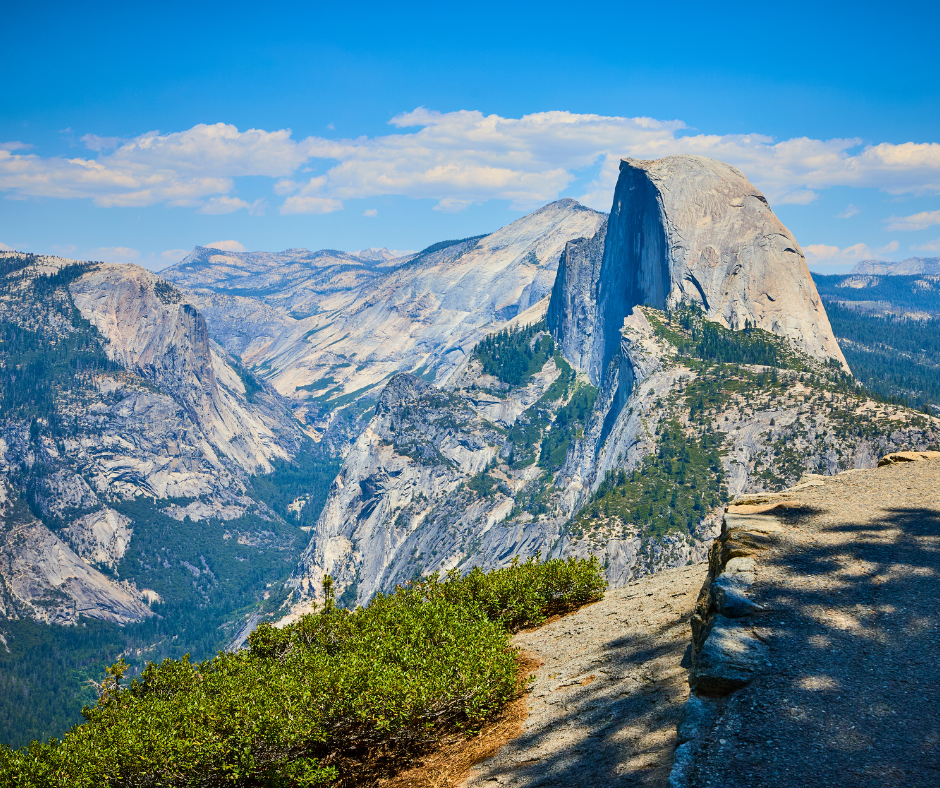
Yosemite Valley dominates most itineraries with iconic sights packed into a relatively small area. Stand at the base of Yosemite Falls, North America's tallest waterfall, where you'll feel the mist even from the viewing area. El Capitan rises 3,000 vertical feet, and you can often spot climbers on its sheer granite face using binoculars. Tunnel View provides the classic Yosemite photo with El Capitan, Half Dome, and Bridalveil Fall all visible in one frame. If Tioga Pass is open, drive through Tuolumne Meadows at 8,600 feet elevation for alpine scenery completely different from the valley. Glacier Point offers panoramic views but requires advance reservations to drive up during peak season.
Sequoia and Kings Canyon National Parks
These adjacent parks protect groves of giant sequoia trees that must be seen to be believed. The General Sherman Tree stands 275 feet tall and remains the largest tree on Earth by volume. Walk the Congress Trail to see multiple named sequoias and understand the scale of these ancient forests. Kings Canyon Scenic Byway descends into one of North America's deepest canyons with roads carved into cliffsides. Moro Rock provides 360-degree views after climbing 350 granite steps to the summit. Crystal Cave requires advance tour reservations but rewards visitors with otherworldly underground formations. Based on RVezy renter feedback, spending at least 2-3 days here prevents rushing through these massive parks.
Death Valley National Park
Death Valley earns its reputation as the hottest, driest place in North America, but it's hauntingly beautiful. Zabriskie Point at sunrise showcases golden badlands in perfect light, while Dante's View provides overlooks from 5,000 feet above the valley floor. Badwater Basin sits 282 feet below sea level where you can walk on salt flats stretching to the horizon. Mesquite Flat Sand Dunes offer classic desert scenery perfect for sunrise or sunset photography. Artist's Palette displays hills painted in reds, yellows, greens, and purples from mineral deposits. The park becomes dangerous during summer when temperatures exceed 120°F, so winter visits work best for RV travel.
Joshua Tree National Park
This park blends two distinct desert ecosystems with unique landscapes and excellent stargazing. Keys View provides sunset vistas across Coachella Valley with views extending to Mexico on clear days. Skull Rock Trail offers easy hiking among impressive boulder formations perfect for kids. Cholla Cactus Garden shows off teddy bear chollas glowing golden in late afternoon light. The park's famous Joshua trees create alien-looking forests especially striking at sunrise or sunset. Rock climbers from around the world come here for world-class routes on granite boulders. Joshua Tree's proximity to RV rentals in the Bakersfield area makes it accessible for weekend trips or as part of longer California adventures.
Redwood National and State Parks
This complex of protected lands preserves the world's tallest trees along California's foggy northern coast. Drive the Avenue of the Giants, a 31-mile scenic route through ancient redwood groves where trees tower over 350 feet. Fern Canyon features 50-foot walls covered in ferns fed by constant moisture, creating an enchanted environment. Lady Bird Johnson Grove offers an easy 1.4-mile loop through old-growth forest accessible to most fitness levels. Tall Trees Grove requires a free permit and rough road to reach some of the tallest trees on Earth. Beach access at Gold Bluffs Beach lets you combine forest hiking with coastal exploration. The park stays cool and foggy year-round, so bring layers even in summer.
Frequently Asked Questions About California National Parks Road Trips
How many days do you need for a California national parks road trip?
Plan at least 10-14 days to comfortably visit 3-4 parks without feeling rushed. Among RVezy's 100,000+ bookings, the average California national parks trip spans 12 days. Two weeks lets you cover either the northern parks or southern desert parks with time to actually explore rather than just driving through. Three weeks works for the complete loop visiting all nine parks, though you'll still need to prioritize highlights over comprehensive exploration.
What's the best route for a California national parks road trip?
The classic Yosemite, Sequoia, Kings Canyon loop works best for first-timers with limited time, covering about 800 miles and the state's most iconic mountain parks. Start in the Central Valley, work through the Sierra Nevada parks, and return via the same route or loop through the Central Coast. This route stays manageable in a week to 10 days while hitting the highlights most people envision when planning a California parks adventure.
Can you do a loop road trip of California national parks?
Yes, several loop options exist depending on how much time you have and which parks you want to prioritize. The northern loop connects Redwood, Lassen Volcanic, and Yosemite in about 1,000 miles. The southern loop links Yosemite, Sequoia, Kings Canyon, Death Valley, and Joshua Tree in roughly 1,200 miles. The complete grand loop visiting all nine parks covers 2,000+ miles and takes three weeks minimum to avoid constant driving. Loops work better than out-and-back routes because you see new landscapes continuously rather than retracing your path.
Where can you RV camp near California national parks?
Every California national park offers some RV camping, though facilities and size restrictions vary significantly. Yosemite, Sequoia, Kings Canyon, Death Valley, and Joshua Tree all have campgrounds that accommodate RVs, typically without hookups. Gateway towns surrounding each park provide private RV parks with full hookups, dump stations, and amenities like showers. National forest land adjacent to parks often allows free dispersed camping if you're self-contained. Book park campgrounds six months in advance for summer travel since they fill quickly.
Is an RV a good way to visit California national parks?
RVs provide excellent flexibility for visiting California's national parks since you control your schedule, meals, and accommodations. You can stay inside or near parks rather than driving hours daily from distant hotels. RV camping typically costs $25-40 per night compared to $150+ for park lodges or nearby hotels. Based on RVezy platform data, Class C motorhomes in the 25-30 foot range work best for California parks because they handle narrow mountain roads while providing comfortable living space. Consider your driving experience with larger vehicles before committing to an RV longer than 30 feet.
What is the best time of year to do a California national parks road trip?
May through June and September through October offer the best balance of weather, access, and crowds for California national parks. Spring brings waterfalls and wildflowers with moderate temperatures, though some high elevation roads stay closed until June. Fall provides excellent weather after summer crowds thin out, with aspens changing color in the Sierra Nevada. Summer gives maximum access to all parks but brings intense crowds and heat, requiring reservations months ahead. Winter works well for desert parks like Death Valley and Joshua Tree while mountain parks see snow and road closures.
How far apart are California's national parks?
Distances between California's national parks vary dramatically since they're spread across such a large state. Sequoia and Kings Canyon sit adjacent to each other, while Yosemite lies about 200 miles north. Death Valley sits 300 miles east of Sequoia in the Mojave Desert. Joshua Tree is another 200 miles south of Death Valley. Redwood anchors the far north, sitting 550 miles from Yosemite. These distances mean driving takes up a significant portion of any California parks road trip, with some days requiring 4-6 hours on the road between destinations.
Do California national parks have RV-friendly campgrounds?
Most California national parks accommodate RVs at certain campgrounds, though maximum lengths and amenities vary by location. Yosemite allows RVs up to 40 feet at valley campgrounds, while Kings Canyon restricts vehicles over 30 feet on certain roads. Joshua Tree and Death Valley welcome RVs at designated campgrounds with generator hours specified. Very few California park campgrounds offer hookups, so you'll need self-contained RVs with adequate tank capacity. Private campgrounds in gateway towns provide full hookups as an alternative when you need to recharge batteries and dump tanks.
Are California national park roads open year-round?
Road access to California's national parks varies by season and elevation. Yosemite Valley, Death Valley, and Joshua Tree stay accessible year-round, though occasional winter storms can cause temporary closures. Tioga Pass through Yosemite typically opens in late May or early June and closes in October or November depending on snow. Roads to high elevation areas of Sequoia and Kings Canyon close during winter months. Lassen Volcanic has limited winter access with most park roads closed until June. Always check current conditions before your trip since unexpected weather can close roads suddenly even during typical open seasons.

Team RVezy
Team RVezy is a group of RV enthusiasts who traverse the U.S. and Canada in our campervans, tiny trailers, and motorhomes. We love the open road and the feeling of having nowhere to go but everywhere.
View more posts