Camping in Arizona: a two-season state, if you know the elevation trick
Posted on November 15, 2026
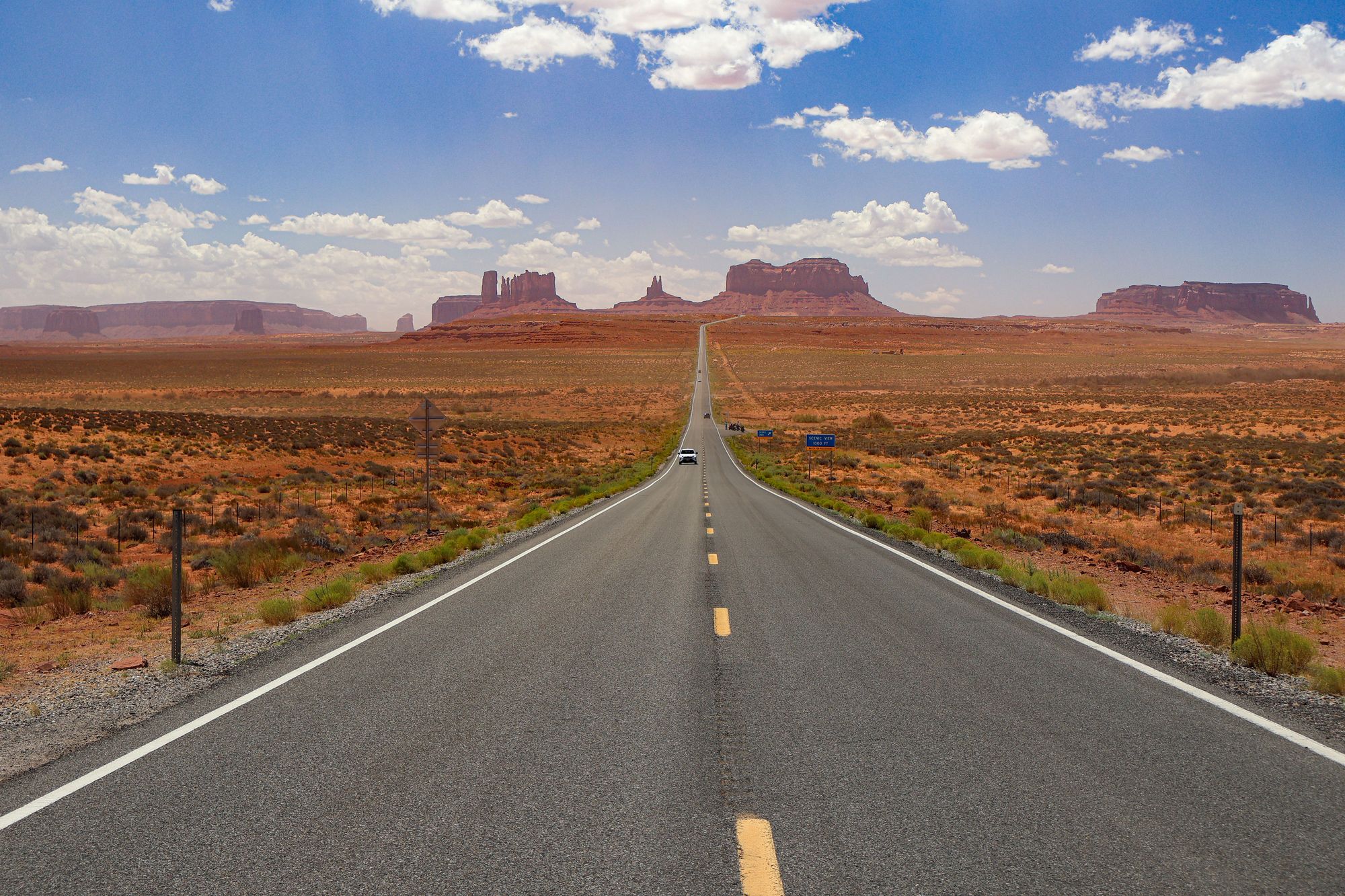
Arizona camping runs on one piece of arithmetic. The state climbs from low desert near sea level to 12,637 feet at Humphreys Peak, and every thousand feet of elevation buys you several degrees of relief. So Arizona doesn't really have a camping season; it has two of them, stacked vertically. Winter belongs to the desert. Summer belongs to the high country. Get the elevation right and there is no month here without perfect camping weather somewhere.
Get it wrong and you're tent camping in Phoenix in July, which is how camping stories become emergency-room stories. This guide is the sorting mechanism.
Winter: the desert
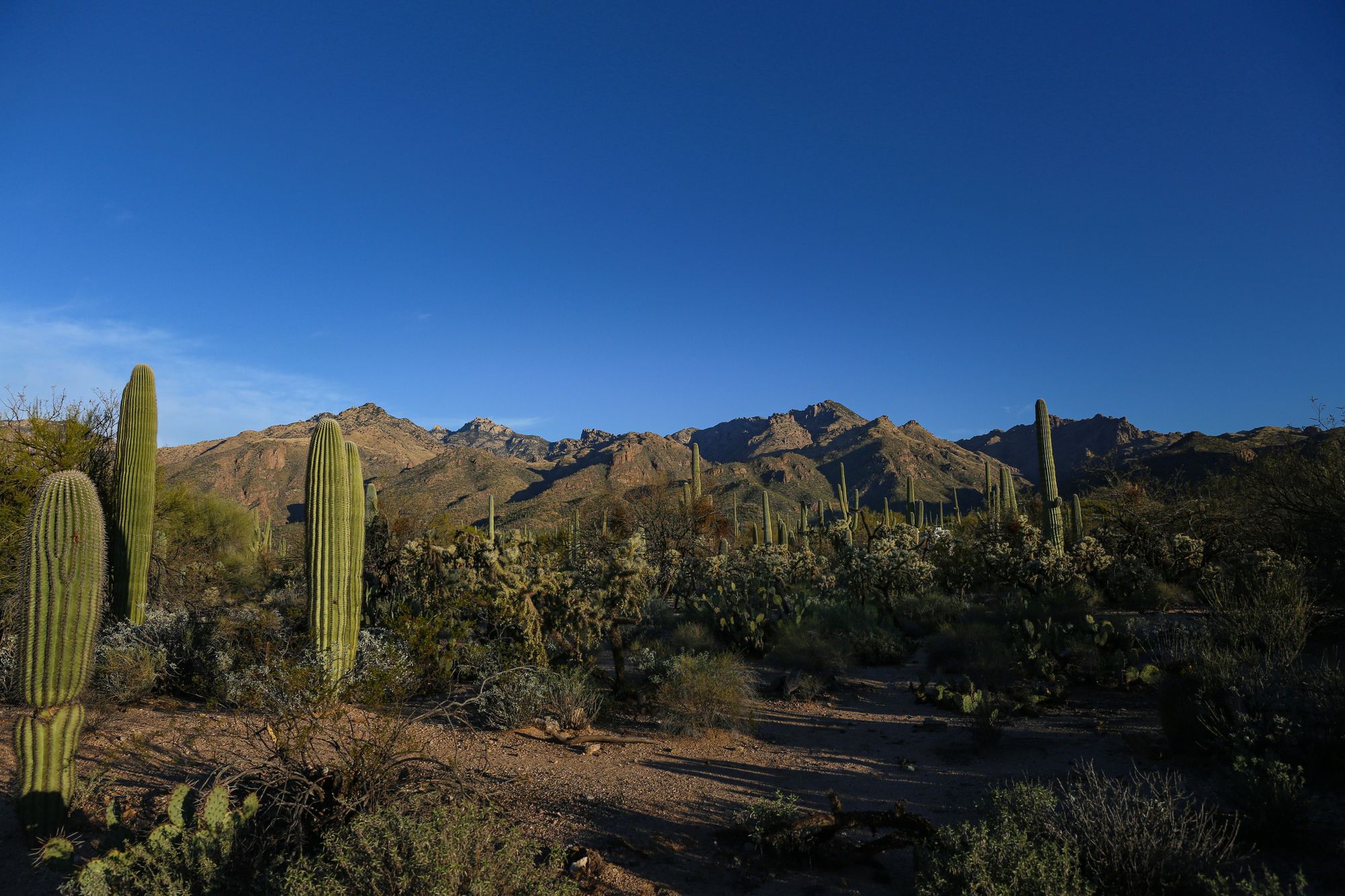
From November through March, southern and western Arizona is what the rest of the continent dreams about: dry air, 70-degree days, campfire-cold nights, and saguaros doing their arms-up silhouette against the sunset. This is when the Sonoran Desert parks around Phoenix and Tucson earn their reputations, and when the state fills with snowbirds who have been running this play for fifty years.
The Phoenix-area regional and state parks are the accessible version: Usery Mountain Regional Park and Lost Dutchman State Park both pair hookup campsites with serious desert trail networks, and both sit close enough to the city for supply runs. Book them early; winter is their peak, and February and March also collide with baseball, since fifteen MLB teams hold spring training within a 45-minute radius of these campgrounds.
The other winter phenomenon is out west on Interstate 10, where the town of Quartzsite becomes a temporary RV city each January, with BLM desert camping measured in square miles and a season permit that costs $180 for seven months. It's the cheapest long-stay camping in America and one of its strangest spectacles, and it gets a full guide of its own.
Summer: the high country
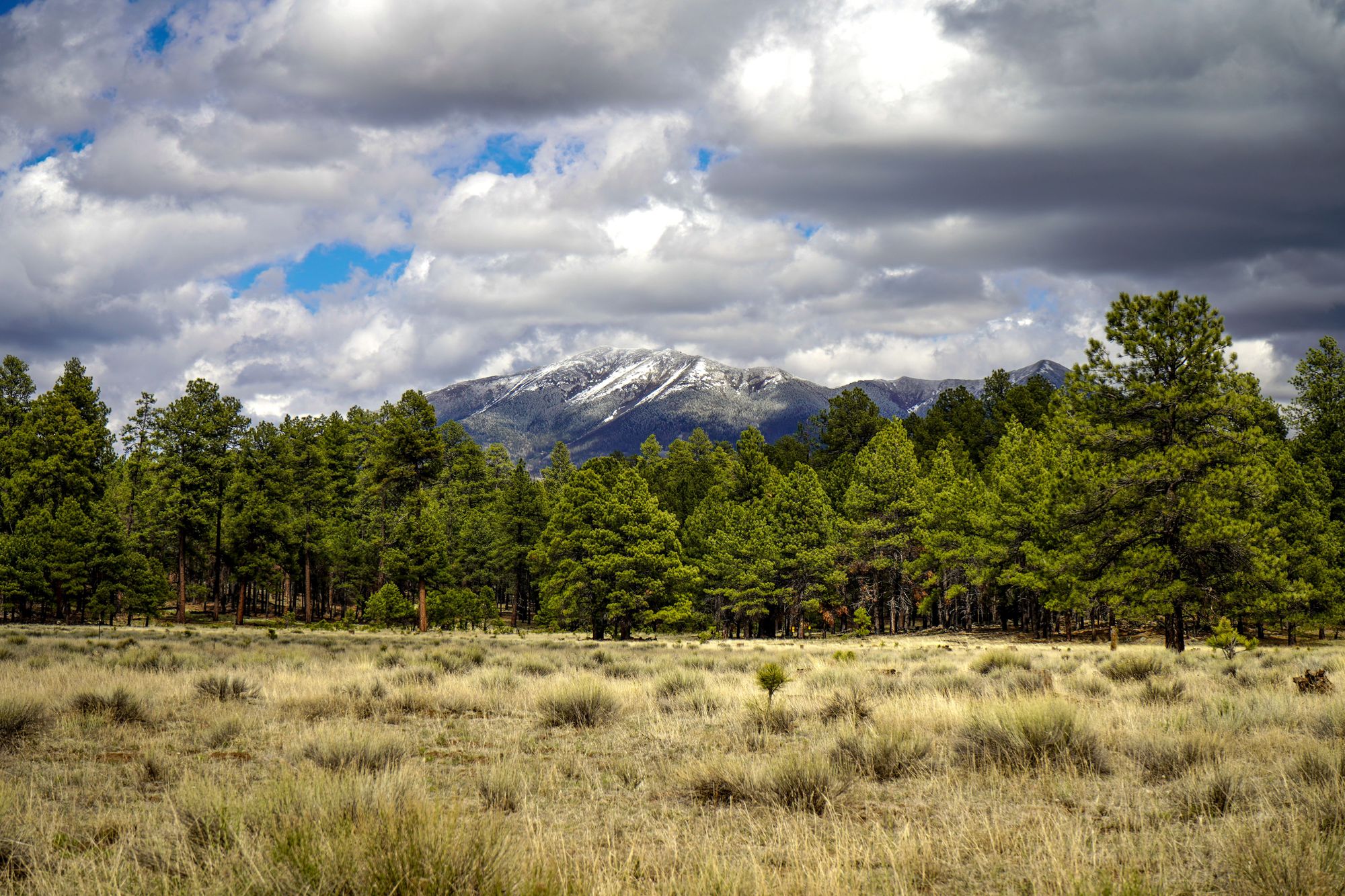
When the desert hits triple digits, Arizona campers go up. Flagstaff and the Grand Canyon's South Rim sit around 7,000 feet, where summer means warm days, cool nights, and afternoon monsoon storms that arrive like theatre in July and August. Higher still, the pine country along the Mogollon Rim and in the White Mountains is where Phoenix families have summered for generations.
The marquee reservation is Mather Campground at the Grand Canyon's South Rim: 318 sites inside the national park, bookable six months ahead, and in summer you should use every day of that window. The wider Coconino and neighbouring national forests around Flagstaff hold the overflow, with developed campgrounds and broad stretches of dispersed camping in the pines.
The in-between: red rock country
Sedona sits at 4,300 feet, between the two Arizonas, which is why it works in more months than either. It's also the place where camping rules changed recently, with dispersed camping now limited to designated areas. That story needs its own space, and it has one: our full Sedona camping guide covers the new rules, the Oak Creek Canyon campgrounds, and the Cottonwood basecamp play.
Camping near water, in a desert state
Arizona's answer to "near water" is bigger than people expect, because the Colorado River runs the state's entire western edge. Lake Havasu is the headline, with shoreline camping and winter weather that explains the licence plates from Alberta and Minnesota. Inland, the reservoir chain on the Salt River east of Phoenix and the lakes of the White Mountains cover the summer version. If your picture of Arizona camping is all cactus and dust, the houseboat crowd on Havasu would like a word.
Free camping
Arizona is one of the best free-camping states in the country, thanks to enormous stretches of BLM and national forest land where dispersed camping is allowed for up to 14 days at no charge. The structured version is the BLM Long Term Visitor Area system around Quartzsite and Yuma, where $180 covers September through April with water and dump access. The unstructured version is a forest road in the pines or a desert two-track, no services, pack out everything. Both are real Arizona traditions.
Booking the popular stuff
The pattern to internalize: Arizona reservations peak opposite to most states. Desert campgrounds are the competitive booking in winter, especially February and March; high-country and Grand Canyon sites are the competitive booking in summer, with Mather's six-month window as the pace-setter. State and county park systems each run their own reservation sites, and the free BLM and forest options don't take reservations at all, which makes them the escape valve when everything bookable is gone.
Doing it without owning an RV
Arizona in winter is one of the continent's great RV trips, and rigs are easy to rent around Phoenix and Tucson, where owners are used to exactly these itineraries. For the desert parks with hookups, any trailer or motorhome works, and delivery to the campsite means you never tow anything. For Quartzsite-style boondocking, filter for solar or a generator and decent tank capacity.
FAQ
When is the best time to camp in Arizona?
Pick by elevation, not by month. November through March for the desert (Phoenix, Tucson, Yuma, Quartzsite); May through September for the high country (Flagstaff, Grand Canyon, the Rim); spring and fall for Sedona in the middle. There's no wrong month, only a wrong elevation for it.
Where can you camp for free in Arizona?
On BLM and national forest land across much of the state, for up to 14 days per spot. The organized version is the Long Term Visitor Areas near Quartzsite and Yuma ($180 for the September-to-April season). Note that some heavily used areas, like the land west of Sedona, now restrict dispersed camping to designated sites.
Where can you camp near water in Arizona?
Lake Havasu and the Colorado River corridor on the western border year-round, the Salt River reservoir chain east of Phoenix, and the White Mountains lakes in summer.
Is Arizona good for winter RV living?
It's the North American capital of it. Between the desert parks, the RV resort corridors around Phoenix, Tucson, and Yuma, and the LTVA desert around Quartzsite, the state absorbs hundreds of thousands of winter RVers every year, at every budget from $180 a season to full resort living.

Team RVezy
Team RVezy is a group of RV enthusiasts who traverse the U.S. and Canada in our campervans, tiny trailers, and motorhomes. We love the open road and the feeling of having nowhere to go but everywhere.
View more posts