The Glamping Economy: Is an RV the Key to Outdoor Hospitality Income? [2026]
Posted on December 16, 2025
![The Glamping Economy: Is an RV the Key to Outdoor Hospitality Income? [2026]](https://ghost-cdn.rvezy.com/2025/12/Flat-lay-photo-of-road-trip-planning-items-on-a-table-paper-map-of-Canada--notebook--pen--phone-with-map-app--coffee--car-keys--soft-natural-light--no-text--10-.png)
The glamping economy, where luxury meets the great outdoors, has evolved from a niche trend into a multi-billion dollar market. But here's what makes this opportunity especially interesting for RV owners: you already have what many glamping entrepreneurs spend $30,000 to $75,000 acquiring. While others are investing in yurts, geodesic domes, and custom structures, you've got a fully equipped accommodation on wheels that guests are actively seeking out.
The big question isn't whether the glamping economy exists—it's whether it's actually profitable, sustainable, and right for you. This guide breaks down the real numbers, emerging trends, and honest challenges so you can make an informed decision about entering this growing market.
What is the Glamping Economy?
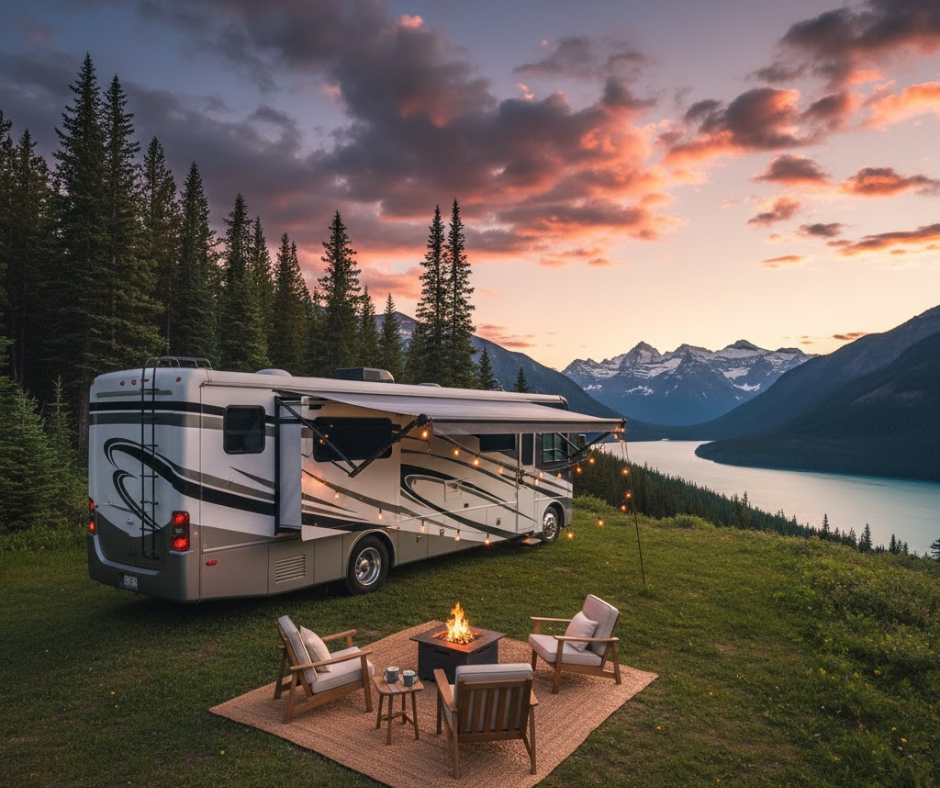
The glamping economy represents a significant segment of the outdoor hospitality industry where travelers pay premium prices for upscale camping experiences. It's not just about fancy tents anymore. According to industry research, the global glamping market reached approximately $2.35 billion in 2023 and continues expanding as more travelers seek memorable outdoor experiences without sacrificing comfort.
Defining the Modern Glamping Market
Today's glamping economy encompasses everything from safari-style tents and treehouses to vintage Airstreams and converted school buses. What ties these diverse accommodations together is the promise of immersive outdoor experiences with hotel-like amenities. Think real beds, electricity, climate control, and often full bathrooms and kitchens.
The market serves travelers who love the idea of camping but aren't interested in sleeping bags and camp stoves. They're willing to pay significantly more than traditional RV rental costs for curated outdoor experiences. This creates a sweet spot for RV owners—your vehicle already provides the comfort and amenities glampers expect.
Why the Glamping Economy is Growing
Several factors drive the glamping economy's expansion across North America. The pandemic fundamentally shifted how people vacation, with many discovering or rediscovering outdoor travel. Remote work flexibility means travelers can extend stays, turning weekend getaways into week-long workcations.
Millennial and Gen Z travelers particularly fuel this growth. They prioritize experiences over possessions and actively seek Instagram-worthy accommodations. Camping platform data indicates that unique outdoor stays generate significantly more social media engagement than traditional lodging, creating organic marketing that benefits glamping hosts.
Environmental consciousness also plays a role. Many glampers view this style of travel as more sustainable than traditional tourism, especially when hosts emphasize eco-friendly practices like solar power and composting systems.
Where RVs Fit Into Glamping
RVs occupy a unique position in the glamping economy. Stationary RV rentals—where owners place their vehicles on private land or partner properties—have become increasingly popular. These setups offer several advantages over building permanent structures: lower startup costs, mobility if a location doesn't work out, and familiar maintenance for RV owners.
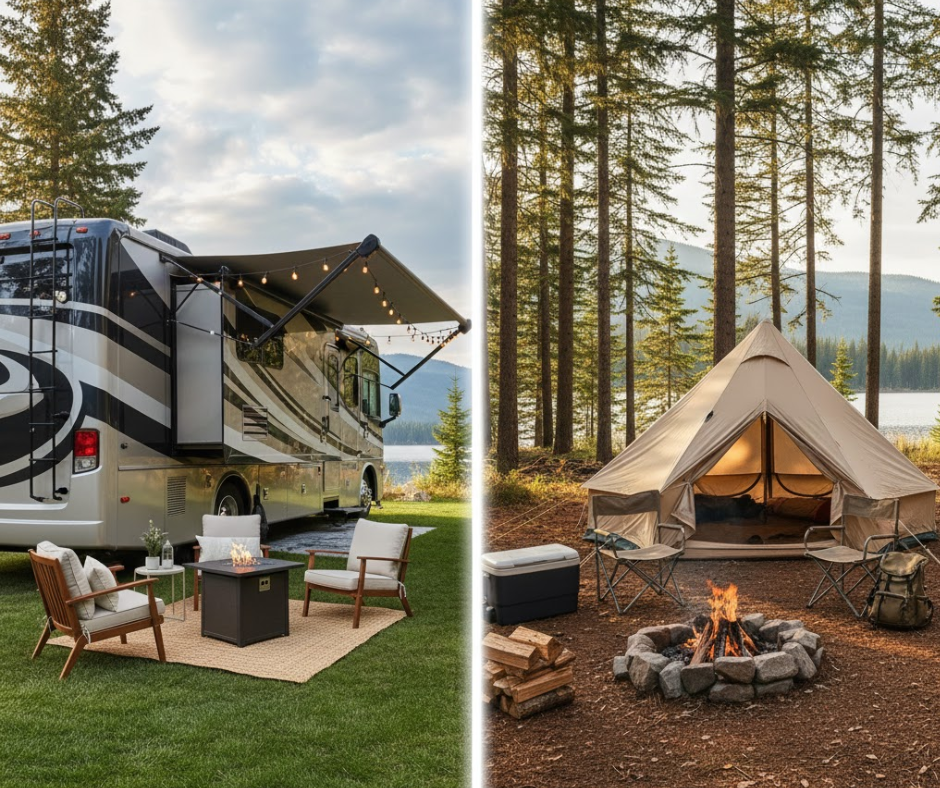
Guests often specifically search for vintage trailers, Airstreams, and renovated motorhomes. These accommodations deliver authentic retro charm while providing modern comfort. For RV owners, this means you don't necessarily need a brand-new rig. That 1970s travel trailer gathering dust could become a profitable glamping rental with the right upgrades and location.
How Profitable is a Glamping Business?
Let's talk numbers, because profitability is probably your primary concern. The glamping economy offers legitimate income potential, but returns vary significantly based on location, setup quality, and operational efficiency.
Revenue Potential for Glamping Operations
Industry data shows that well-positioned glamping sites generate between $50,000 and $150,000 annually per unit. Your actual earnings depend on several factors: nightly rates, occupancy rates, season length, and operating expenses.
Here's a realistic scenario for an RV-based glamping operation: If you charge $200 per night and achieve 60% occupancy during a six-month peak season (roughly 110 nights), you'd gross $22,000. Add 30% occupancy in shoulder seasons (another 35 nights at $150) for $5,250. That's $27,250 in annual gross revenue from a single RV.
Premium setups in high-demand locations perform better. Vintage Airstreams near national parks or mountain resorts often command $250 to $400 per night with 70-80% peak season occupancy. These hosts report earning $50,000 to $80,000 annually per unit.

Profit Margins Compared to Traditional Rentals
Profit margins in the glamping economy typically range from 30% to 50% after expenses. This compares favorably to traditional vacation rentals, which average 25-35% margins due to higher property costs and management fees.
Your main expenses include cleaning (15-20% of revenue), platform fees (10-15%), insurance (5-8%), maintenance (5-10%), and utilities. Marketing might add another $1,000-$3,000 annually, especially when starting. Using the $27,250 revenue example above, expect net profits around $10,900-$13,625 after these costs.
Traditional mobile RV rentals through platforms face different economics. While you might charge similar daily rates, the wear-and-tear from road travel increases maintenance costs significantly. Stationary glamping reduces these expenses while often commanding higher nightly rates due to the experiential nature of the offering.
How RV Glamping Compares to Purpose-Built Structures
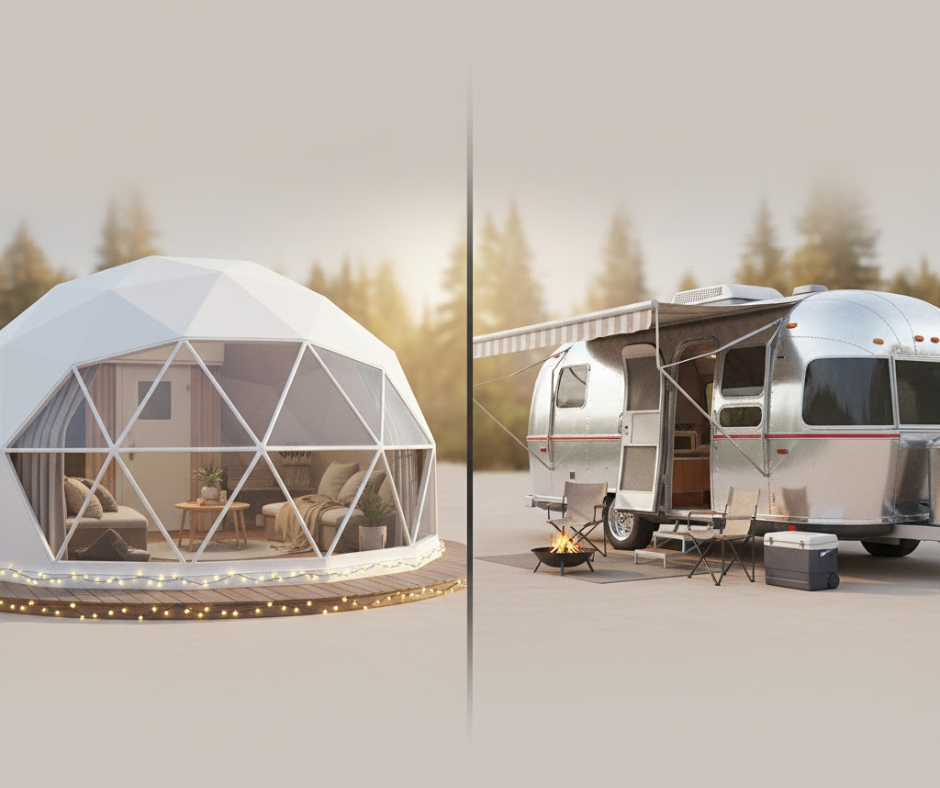
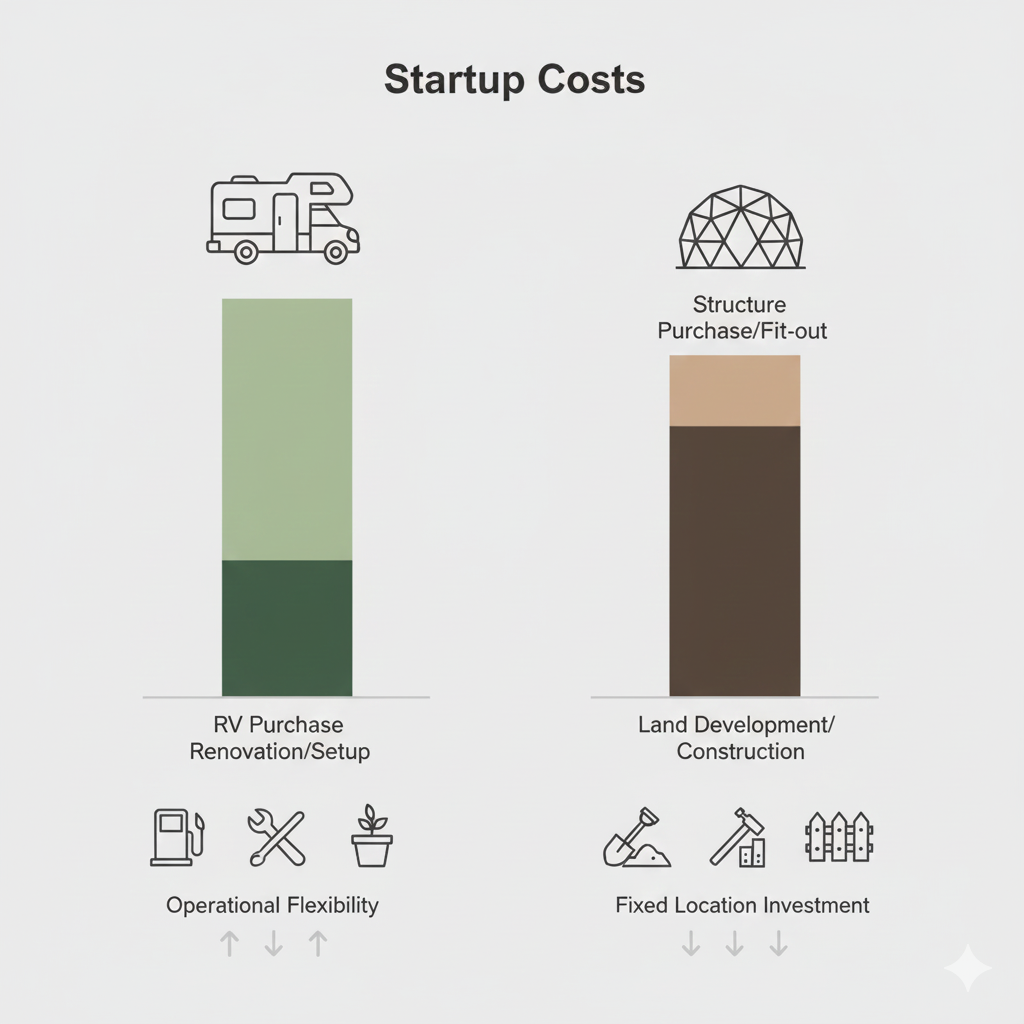
Starting a glamping business with a purpose-built yurt, cabin, or dome requires $30,000-$100,000+ in initial investment. You'll need to purchase or lease land, install utilities, build platforms or foundations, and construct the accommodation itself.
Using an RV you already own dramatically reduces startup costs. Your main expenses become site preparation ($5,000-$15,000 for leveling, utilities connection, and decking), interior upgrades ($2,000-$8,000 depending on condition), and initial furniture and amenities ($1,000-$3,000).
This lower barrier to entry means faster break-even times. While purpose-built glamping operations typically break even in 2-3 years, RV-based setups can reach profitability in their first season if you already own the vehicle and have suitable land access.
Break-Even Timeline and ROI Expectations
If you're starting from scratch—purchasing an RV specifically for glamping—expect to invest $15,000-$50,000 depending on the vehicle type and condition. Add setup costs, and you're looking at $20,000-$70,000 total investment.
With realistic revenue of $25,000-$40,000 annually and 40% profit margins, you'd net $10,000-$16,000 per year. That puts your break-even timeline at 1.5-4 years for most RV glamping operations. Hosts report earning suggests that well-executed setups in strong markets often exceed these projections.
The advantage for existing RV owners is significant. If you already own a suitable vehicle, your ROI timeline compresses dramatically since you're mainly investing in site preparation and marketing.
What is the Average Cost for Glamping?
Understanding glamping pricing helps you position your RV rental competitively within the glamping economy. Rates vary considerably based on location, amenities, and accommodation type.
Nightly Rate Ranges Across North America
Across the U.S. and Canada, budget glamping options start around $80-$150 per night. These typically include upgraded tents, basic yurts, or simple trailer setups with minimal amenities. You'll find these in less touristy areas or properties with shared facilities.
Mid-range glamping—where most RV-based operations fall—runs $150-$300 per night. This category includes well-appointed trailers, vintage Airstreams, small cabins, and safari tents with private bathrooms. According to accommodation platforms, this price range sees the highest booking volume, balancing affordability with the comfort guests expect.
Luxury glamping experiences command $300-$600+ nightly. These feature high-end trailers, geodesic domes with premium furnishings, treehouses, or unique structures in prime locations. Ultra-luxury glamping resorts in areas like Montana, Utah, or British Columbia's wine country can exceed $1,000 per night.
Location dramatically impacts pricing. Mountain destinations near national parks and coastal properties typically charge 20-40% premiums over rural or farmland locations. A vintage trailer in the Catskills might rent for $275 per night, while a similar unit in rural Pennsylvania averages $180.
What Guests Expect at Different Price Points
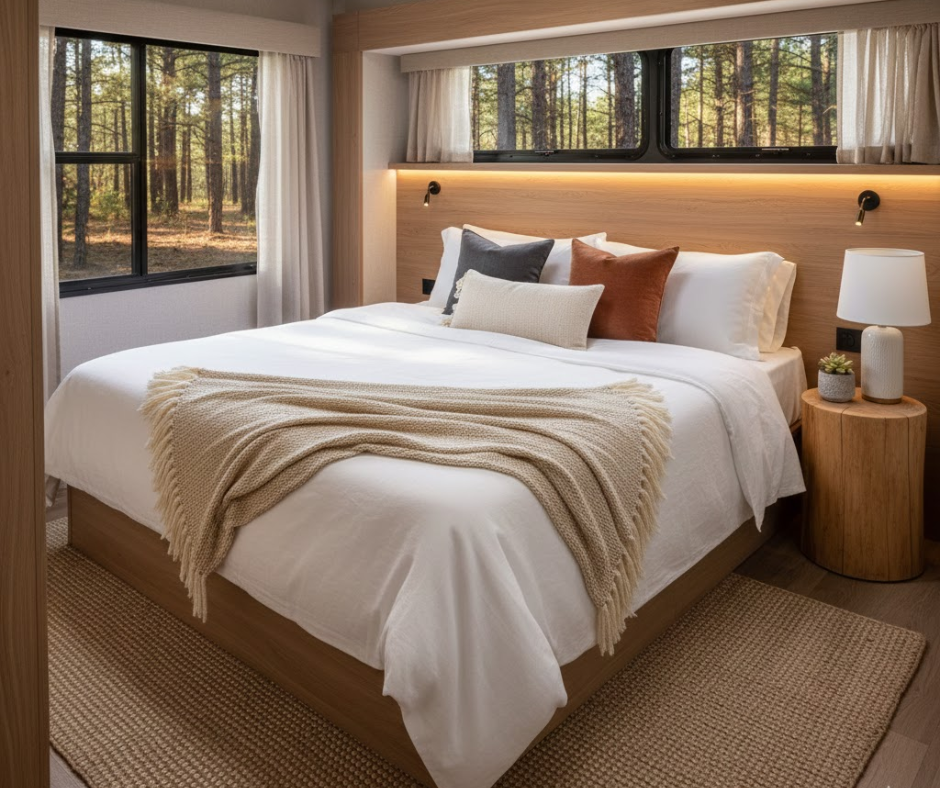
At the $150-$200 range, glampers expect comfortable beds with quality linens, climate control (heat and cooling), electricity, and either a private bathroom or very convenient access to facilities. They want a fully equipped kitchen or at least a kitchenette, outdoor seating areas, and reliable wifi.
Once you cross $250 per night, expectations increase significantly. Guests want stylish interior design, premium mattresses, upscale bath products, thoughtful touches like coffee service and snacks, fire pits, and possibly outdoor showers or hot tubs. They're also expecting a unique or scenic setting—not just a parking pad in someone's backyard.
Understanding these expectations helps you price appropriately. Recent camping surveys reveal that mismatched expectations cause most negative reviews. If you're charging luxury prices, you need to deliver a luxury experience consistently.
Pricing Your RV for Glamping Success
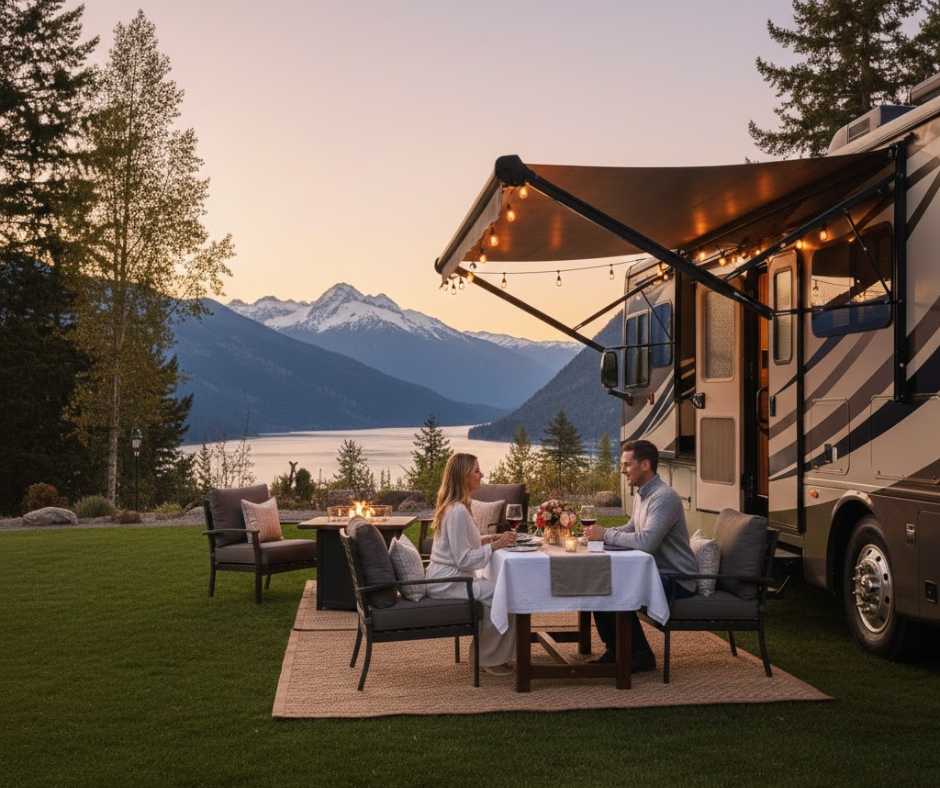
Your different types of RVs command different rates in the glamping economy. Vintage Airstreams and retro trailers often get premium pricing due to their aesthetic appeal and Instagram-worthiness. Even older models in good condition can command $200-$350 per night in the right market.
Modern Class C motorhomes set up for glamping typically rent for $175-$300 per night depending on size and amenities. Fifth wheels and larger travel trailers with multiple sleeping areas appeal to families and groups, supporting rates of $200-$350.
Smaller options like compact RVs with full amenities work well for couples and often hit the sweet spot of glamping affordability at $150-$250 per night. These units offer enough comfort without feeling overwhelming to maintain or market.
Consider implementing dynamic pricing—raising rates during peak weekends and holidays while offering discounts for longer stays or last-minute bookings. Market analysts predict that hosts using strategic pricing algorithms increase revenue by 15-25% compared to fixed-rate pricing.
What is the Market Trend in Glamping?
The glamping economy isn't just growing—it's evolving in ways that create new opportunities for RV owners.
Growth Projections Through 2028
Industry analysts predict the global glamping market will reach $4.8-$5.2 billion by 2028-2030, representing a compound annual growth rate of 14-16%. North America's share of this market continues expanding, driven by domestic tourism and the normalization of outdoor accommodations as legitimate vacation options.
This growth isn't evenly distributed. Certain regions are experiencing explosive demand. The Pacific Northwest, Rocky Mountain states, California's coast and deserts, New England, and Ontario's cottage country all report year-over-year increases in glamping searches and bookings.
Outdoor recreation studies show that camping participation reached record highs during 2020-2022 and has stabilized at levels significantly above pre-pandemic baselines. Many first-time campers discovered during this period that they enjoy outdoor travel when it includes comfortable accommodations—creating a sustained customer base for the glamping economy.
Emerging Glamping Categories (Including RV Conversions)
Several glamping categories are experiencing particularly strong growth. Sustainable and off-grid glamping operations attract environmentally conscious travelers willing to pay premiums for solar power, composting systems, and minimal environmental impact.
RV conversions and vintage trailers represent one of the fastest-growing segments. These accommodations combine nostalgia with functionality, appealing to travelers seeking authentic experiences. The vintage aesthetic photographs beautifully, creating organic social media marketing that purpose-built structures often lack.
"Workcation" glamping sites optimized for remote work are emerging as a distinct category. These properties emphasize strong wifi, dedicated workspace, and extended-stay discounts. This trend particularly benefits RV glamping operations since many modern RVs already include workspace-friendly layouts.
Pet-friendly glamping is growing 15-20% annually. Travelers increasingly refuse to board their pets or only vacation where animals are welcome. If your RV setup can accommodate pets safely, you'll tap into this expanding market segment.
Booking Patterns and Seasonal Demand
Understanding booking patterns in the glamping economy helps optimize your operations. Average booking lead times hover around 2-3 months for summer dates, with last-minute bookings more common in shoulder seasons.
Weekend bookings constitute 60-70% of all reservations in most markets. Three-day weekends see especially high demand and support premium pricing. The average glamping stay lasts 2-3 nights, though workcation-focused properties report increasing week-long bookings.
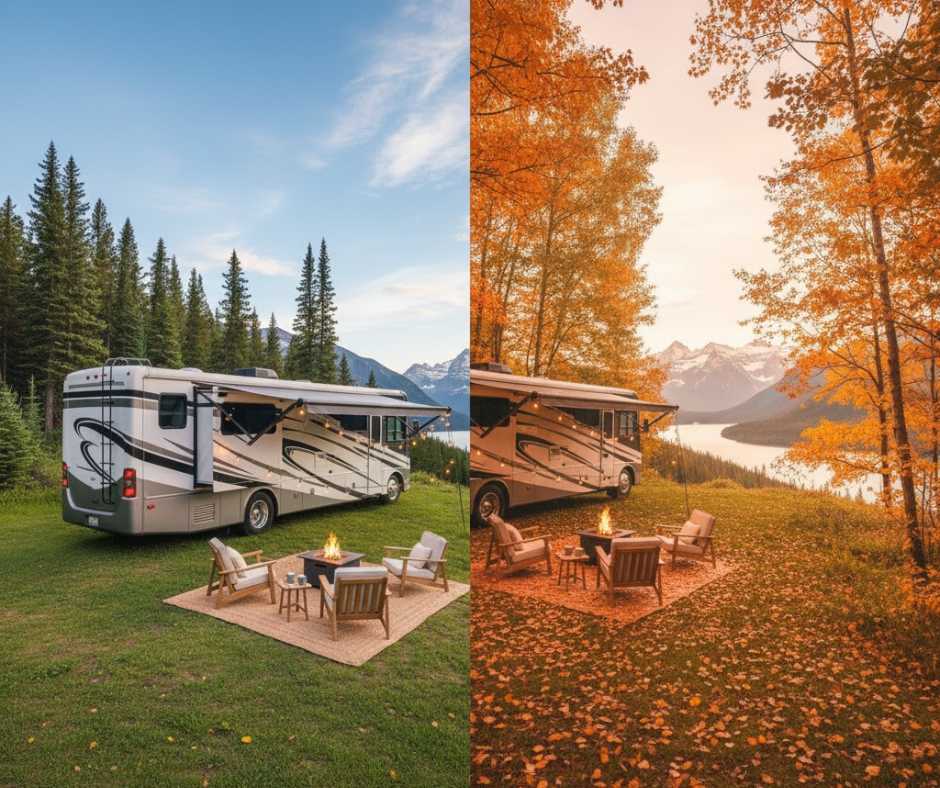
Seasonality remains the glamping economy's biggest challenge. In most North American climates, 60-70% of annual revenue comes during a 4-5 month peak season. Successful hosts extend their season by winterizing accommodations, offering seasonal activities, or targeting specific markets like leaf-peeping tourists or winter sports enthusiasts.
Repeat customer rates for quality glamping operations range from 40-55%—significantly higher than traditional vacation rentals. This loyalty creates stable revenue as your business matures and your guest list grows.
Technology and the Modern Glamping Guest
Technology integration increasingly differentiates successful glamping operations. Mobile check-in and keyless entry systems reduce operational burden while meeting guest expectations for contactless experiences. Smart home features like app-controlled lighting and climate control appeal to tech-savvy glampers.
Professional photography isn't optional—it's essential. Listings with high-quality photos book at rates 3-4 times higher than those with amateur snapshots. The visual nature of glamping means your marketing depends heavily on showing potential guests exactly what experience they're buying.
Social media drives significant direct bookings. Hosts who actively maintain Instagram presence and encourage guest tags report that 20-30% of bookings come from social channels rather than listing platforms. This organic reach reduces marketing costs while building brand recognition.
Getting Started: Setting Up Your RV for Glamping
Entering the glamping economy with your RV requires thoughtful preparation. The right setup balances guest comfort with maintenance efficiency.
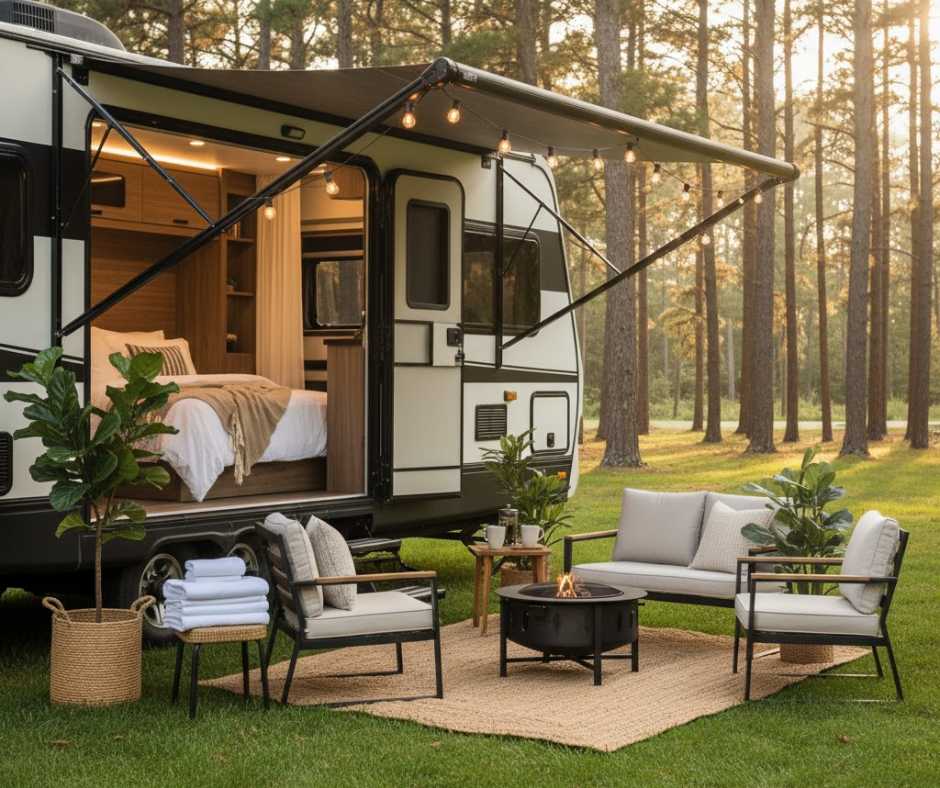
Best RV Types for Stationary Glamping Rentals
Understanding RV classes helps you assess your vehicle's glamping potential. Vintage travel trailers—especially Airstreams, Winnebagos, and Shasta campers—command premium rates due to their retro appeal. Even models from the 1960s-1980s in good condition work excellently after interior updates.
Modern travel trailers and fifth wheels offer spacious layouts that appeal to families and groups. Look for floor plans with separate sleeping areas, comfortable living spaces, and well-equipped kitchens. These typically rent in the $175-$300 range depending on size and condition.
Smaller trailers and campervans work surprisingly well for couples-focused glamping. They're easier to maintain, cost less to upgrade, and appeal to travelers seeking cozy, intimate experiences. The lower overhead means they can be profitable even at more accessible price points.
Class A and Class C motorhomes function well for glamping, though they're sometimes harder to market purely on aesthetics. Focus on their spaciousness, amenities, and family-friendly layouts. Some hosts find success positioning these as "glamping villas" rather than traditional trailers.
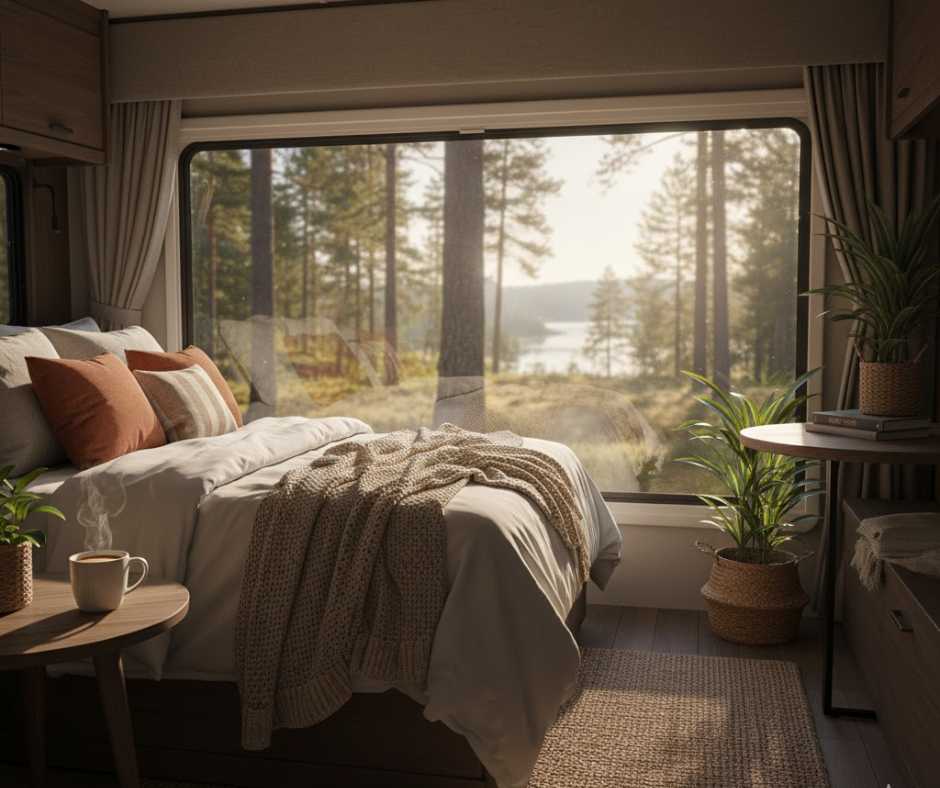
Essential Upgrades and Amenities
Most RVs need some upgrades to meet glamping standards. Start with the bed—invest in a quality mattress and hotel-grade linens. This single upgrade dramatically impacts guest satisfaction since sleep quality drives reviews.
Interior aesthetics matter significantly in the glamping economy. Fresh paint, updated lighting fixtures, and cohesive decor transform dated interiors. Remove overtly RV-like elements and incorporate design touches that photograph well—textured throws, plants, unique artwork.
Climate control is non-negotiable. Ensure your heating and cooling systems work reliably. Consider adding fans, space heaters, or portable AC units as backups. Guests booking glamping expect comfort regardless of weather.
Outdoor living spaces enhance the glamping experience. Add a deck or patio area with quality outdoor furniture, string lights, and a fire pit. These spaces create the connection with nature that glampers seek while providing comfortable gathering areas.
Wifi installation is increasingly essential. Even travelers seeking to "unplug" often need connectivity for work, staying in touch with family, or sharing their experience on social media. Reliable internet access justifies higher pricing and improves reviews.
Location Considerations and Zoning
Location determines your success in the glamping economy more than any other factor. Properties with scenic views, unique natural features, or proximity to attractions book more consistently at higher rates.
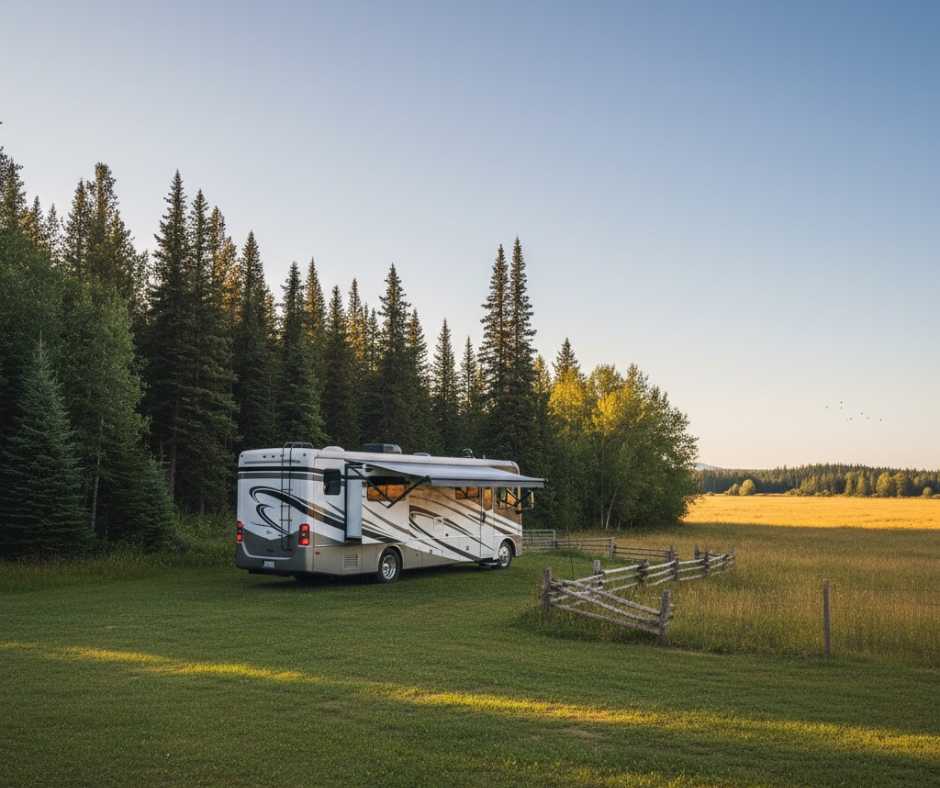
However, zoning and regulations present significant challenges. Many municipalities restrict short-term rentals or classify glamping operations as commercial campgrounds requiring special permits. Research local ordinances thoroughly before investing in your setup.
Some RV owners partner with existing campgrounds, farms, or vineyards to place their glamping units. This arrangement provides built-in infrastructure and often handles zoning concerns since the property already operates as commercial tourism. You'll typically pay 20-30% of revenue as a land lease, but the reduced hassle and established customer traffic can justify the cost.
Rural properties generally face fewer regulatory hurdles than suburban or urban locations. However, they require stronger marketing since you're not benefiting from proximity to popular destinations. Balance accessibility with the seclusion and natural beauty glampers seek.
What are the Downsides of Glamping?
Every business opportunity includes challenges, and the glamping economy is no exception. Understanding these downsides helps you prepare realistic expectations and mitigation strategies.
Operational Challenges You'll Face
Seasonality creates feast-or-famine revenue cycles. Unless you're in a year-round climate, expect to generate 65-75% of annual income during peak season. This concentrated revenue period means you need to maximize every bookable night while accepting that winter months might produce minimal income.
Guest management demands more attention than you might expect. Glampers often have higher expectations than traditional campers, leading to more questions, requests, and potential complaints. You'll need clear communication systems, detailed guidebooks, and responsiveness to maintain good reviews.
Cleaning between guests takes longer than hotel rooms because you're maintaining both interior and exterior spaces. Budget 3-4 hours per turnover for thorough cleaning, laundry, and restocking. Many hosts underestimate this time commitment initially.
Remote property management presents unique challenges if your glamping site isn't near your home. You'll need systems for key exchange, emergency response, and regular maintenance checks. Some hosts hire local property managers, which reduces stress but cuts into profit margins.
Maintenance and Weather-Related Issues
RVs face considerable wear and tear as stationary glamping units. Constant exposure to weather, UV damage to exterior surfaces, and heavy guest use accelerate maintenance needs compared to personally-used RVs.
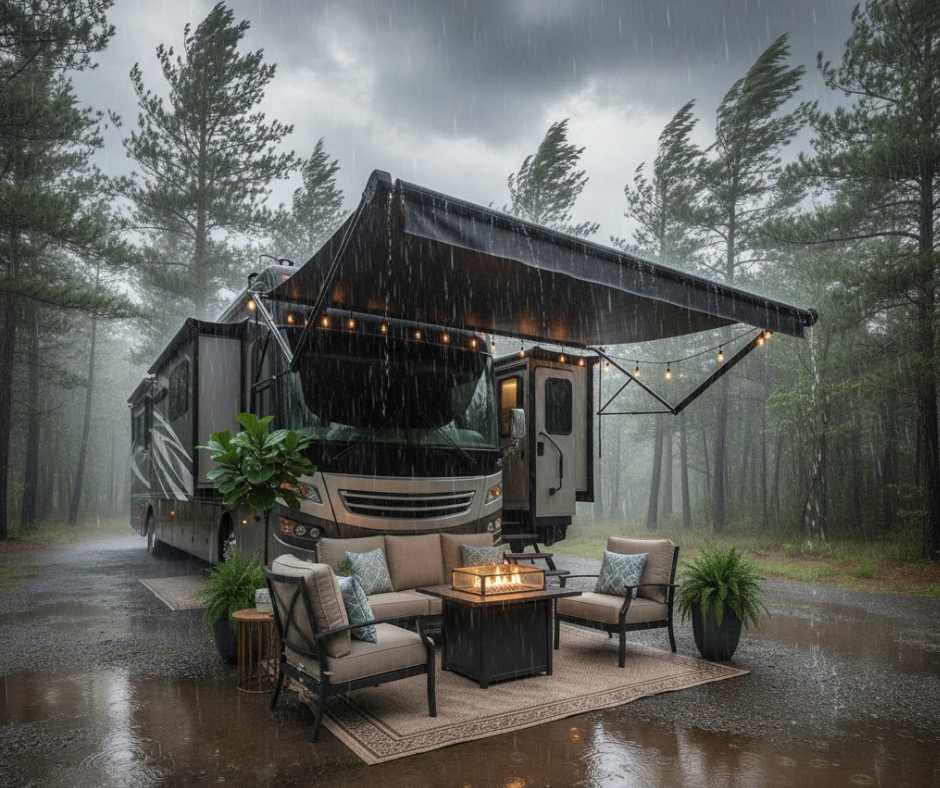
Weather creates unpredictable challenges. Heavy rain can cause leaks in older units or drainage problems on your site. Wind damages awnings and outdoor decorations. Snow accumulation can damage roofs not designed for static loads. You'll need emergency funds for unexpected repairs.
Canvas elements, awnings, and outdoor fabrics typically need replacement every 3-7 years depending on climate and material quality. These costs add up, especially if you're operating multiple units.
Pest control becomes more difficult with stationary RVs. Mice, insects, and other pests find RVs attractive, especially in rural settings. Regular preventive treatments are essential but add to operating expenses.
Plumbing and electrical systems require more frequent servicing in glamping operations than personal-use RVs. Hard water, constant use, and less careful handling by guests accelerate component failure. Budget for professional inspections and repairs annually.
Competition and Market Saturation
Popular glamping destinations are becoming oversaturated. Areas like Joshua Tree, the Catskills, and Oregon's wine country saw explosive growth in glamping properties during 2020-2022. New hosts now face significant competition in these markets.
Traditional vacation rentals and hotels are adapting. Many hotels now market "glamping-inspired" rooms, while Airbnb's "unique stays" category puts you in direct competition with everything from treehouses to houseboats. Standing out requires exceptional execution or truly unique offerings.
Campgrounds are upgrading facilities and adding glamping options. KOA and other established campground chains are investing heavily in premium accommodations, leveraging their brand recognition and infrastructure advantages.
Price compression occurs in competitive markets. When dozens of similar units compete in one area, rates drop as hosts undercut each other for bookings. This makes thorough market research essential before committing to a location.
Managing Guest Expectations
The gap between guest expectations and reality causes most operational headaches in the glamping economy. Guests paying $250 per night expect hotel-level service and conditions, but you're operating in an outdoor, remote environment where things inevitably go wrong.
Weather complaints are common despite being outside your control. Guests might feel entitled to refunds if rain ruins their weekend, even though your cancellation policy doesn't cover weather. Managing these situations gracefully requires emotional labor and sometimes financial concessions.
Wildlife encounters thrill some guests and terrify others. Clear communication about what animals they might encounter helps, but you can't control whether bears visit your property or spiders appear inside the RV.
Technology failures frustrate modern glampers. When wifi drops during someone's work call or charging stations fail, reviews suffer. Building redundancy into your technology systems helps but increases costs.
Negative reviews disproportionately impact bookings. A single one-star review can reduce your booking rate by 10-15% temporarily. The pressure to maintain perfect ratings means constantly adapting to feedback and occasionally refunding guests even when issues weren't your fault.
Maximizing Your Glamping Income
Success in the glamping economy requires more than just parking an RV and waiting for bookings. Strategic approaches significantly impact your bottom line.
Strategic Pricing and Occupancy Optimization
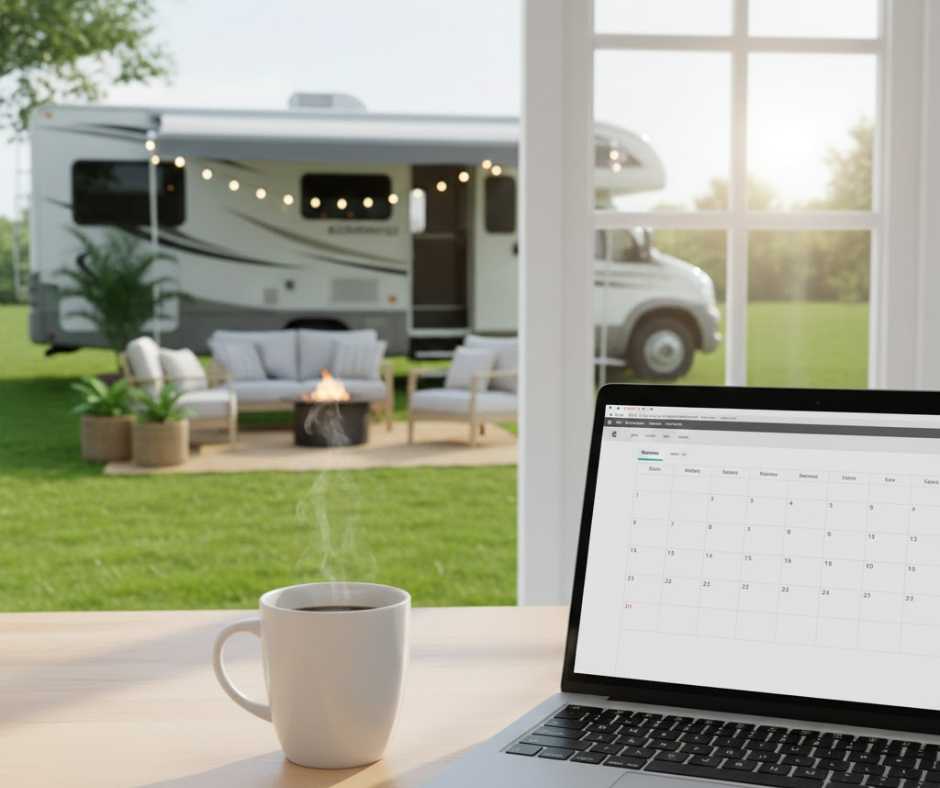
Dynamic pricing strategies help maximize revenue. Charge premium rates for weekends, holidays, and peak season while offering discounts for weekdays and shoulder seasons. Most booking platforms support automated pricing rules that adjust rates based on demand.
Minimum stay requirements increase profitability by reducing turnover costs. Many hosts require 2-night minimums on weekends and 3-night minimums on holiday weekends. This approach fills more nights while reducing cleaning and communication burden.
Last-minute discounts fill gaps in your calendar. Offering 20-30% off for bookings made within 7-14 days of arrival turns otherwise empty nights into revenue. The reduced rate still covers marginal costs and contributes to fixed expenses.
Extended stay discounts encourage longer bookings, especially from remote workers. Offering weekly or monthly rates at 15-20% discounts reduces turnover costs while ensuring consistent occupancy. These guests often take better care of the property and require less hand-holding than weekend tourists.
Marketing Your RV Glamping Experience
Professional photography is your most important marketing investment. Hire a photographer who specializes in travel or hospitality work to capture your glamping setup during golden hour with styled interiors. These images directly drive bookings and justify premium pricing.
Compelling listing descriptions tell a story rather than just listing features. Help potential guests imagine their experience—describe waking up to birdsong, sipping coffee while watching the sunrise, stargazing from the fire pit. Emotion drives bookings more than specifications.
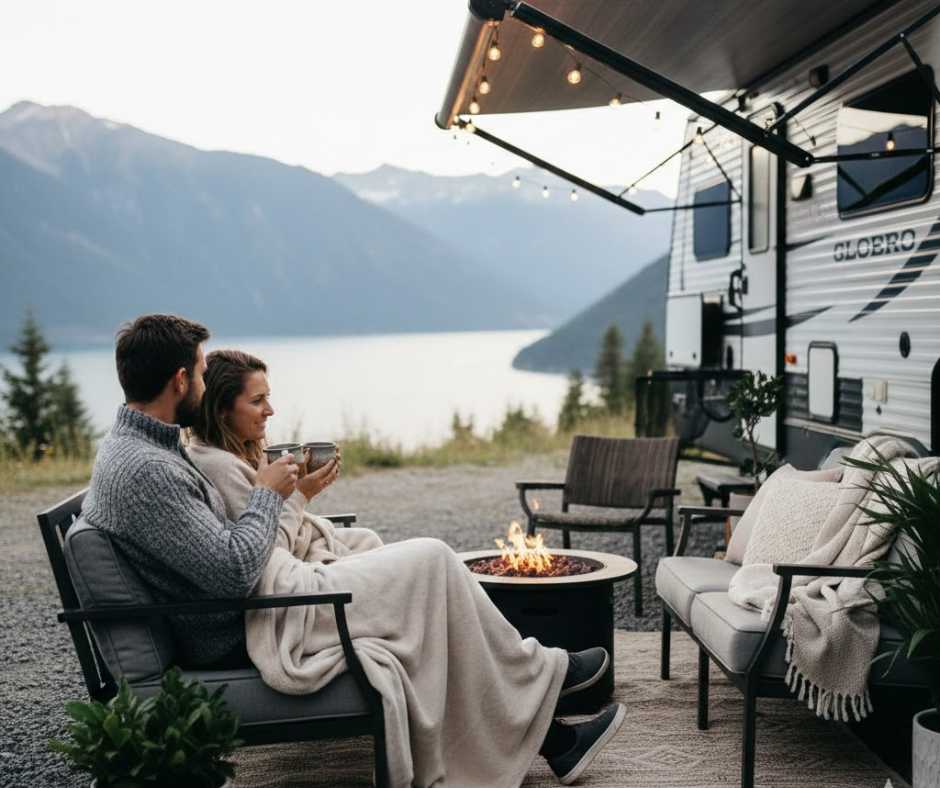
Social media presence expands your reach beyond listing platforms. Regular Instagram posts showcasing your property, sharing guest experiences (with permission), and highlighting seasonal changes build organic followings. Encourage guests to tag you in their photos by creating an Instagram-worthy photo spot on your property.
Google My Business listings help locals discover your glamping site for staycations or quick getaways. Many hosts overlook this free marketing channel, missing opportunities for direct bookings without platform fees.
Leveraging Platforms Like RVezy
While purpose-built glamping platforms like Hipcamp and Glamping Hub serve the market, traditional RV rental platforms offer unique advantages for mobile-to-stationary transitions. Listing your RV on RVezy connects you with travelers specifically seeking RV experiences, including those interested in stationary stays.
The platform handles insurance, payment processing, and provides host protection that specialized glamping sites might not offer. You're also tapping into an established user base that already understands and appreciates RV accommodations.
Cross-listing on multiple platforms maximizes visibility. Many successful glamping hosts list simultaneously on 2-4 platforms, using channel management software to prevent double-bookings. While this requires more administrative work, increased bookings typically justify the effort.
Direct booking systems reduce platform fees over time. Once you've built a customer base, encourage repeat guests to book directly through your own website or booking system. Offering small discounts for direct bookings incentivizes this shift while still increasing your net revenue.
Conclusion
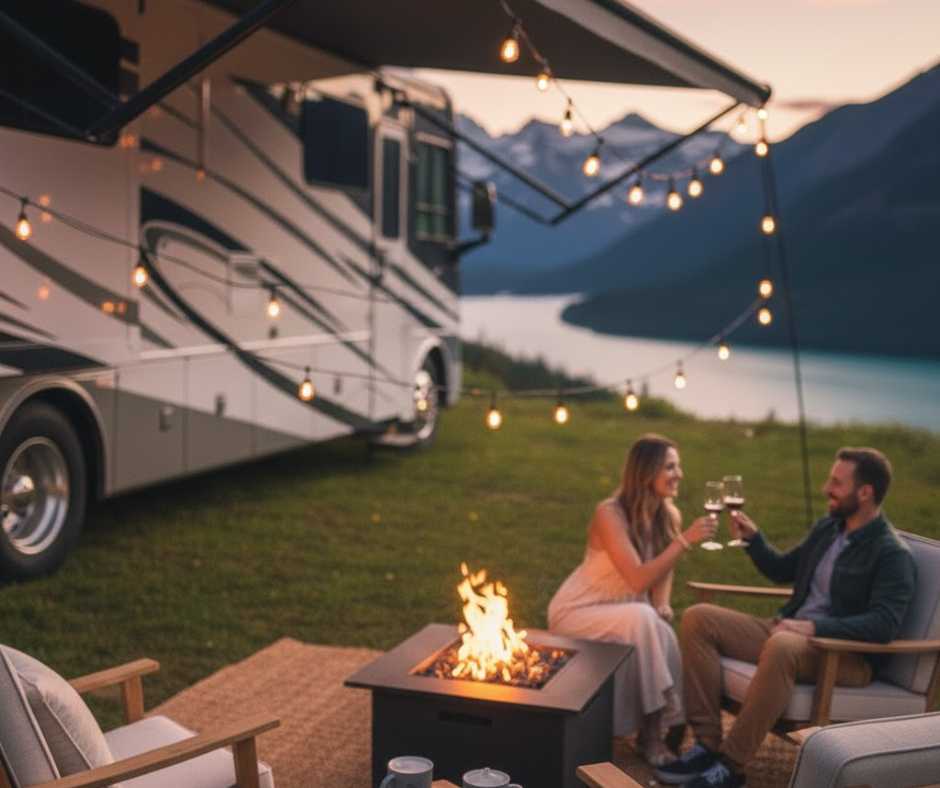
The glamping economy presents a genuine opportunity for RV owners to generate meaningful income, but success requires realistic expectations and strategic execution. This isn't a passive investment—running a profitable glamping operation demands attention to guest experience, property maintenance, and continuous marketing.
The numbers work in your favor if you already own an RV and have access to suitable land. Lower startup costs, faster break-even timelines, and the flexibility to relocate if needed give you advantages over operators building permanent structures. Market growth projections suggest this opportunity will remain viable for years to come, though competition will intensify in popular destinations.
Understanding the downsides matters as much as recognizing the potential. Seasonality, weather challenges, maintenance costs, and guest management require solutions before you accept your first booking. Successful hosts view glamping as a small business requiring professional standards rather than a side hustle requiring minimal effort.If you're ready to explore how your RV could generate $20,000-$50,000+ annually in the glamping economy, start earning income with your RV through platforms designed to support RV owners entering the rental market. The glamping boom continues, and RV owners have a built-in advantage if they're willing to do the work to stand out.
Elisabeth St Pierre
View more posts