The Ultimate Camping Checklist: Everything You Need for Your Next Adventure
Posted on January 4, 2026
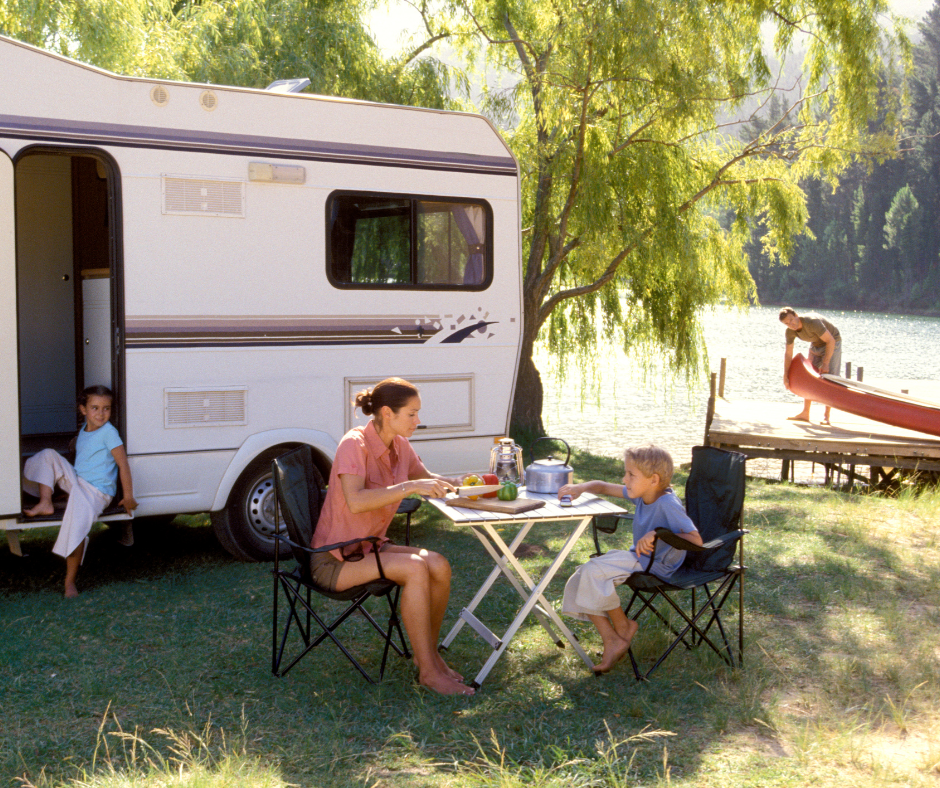
There's nothing quite like the sinking feeling of pulling into a remote campsite after hours of driving, only to realize you forgot something critical. Maybe it's the matches for your campfire, the headlamp you need once the sun sets, or—worst of all—the toilet paper. Every camper has been there, and it's a frustrating way to start what should be a relaxing getaway.
Whether you're tent camping in Yellowstone, parking your RV at a scenic campground in Banff, or exploring the coastal beauty of Acadia, proper preparation makes or breaks your trip. The good news? With the right camping checklist, you can eliminate that pre-trip anxiety and spend your energy on what matters: enjoying the adventure.
This guide will walk you through everything you need to pack, from the classic Ten Essentials that outdoor experts swear by to the items people forget most often. You'll also learn how to build your own personalized checklist and discover how RV camping can simplify your packing process significantly.
How Do I Make a Camping Checklist?
Creating a camping checklist isn't about memorizing a generic list—it's about building a personalized system that works for your style of camping. The best checklists evolve over time, refined by experience and tailored to your specific needs.
Start With Your Trip Type and Duration
A weekend getaway requires very different planning than a week-long road trip. For shorter trips, you can pack lighter and rely on a smaller cooler. Extended adventures demand more food storage, extra clothing layers, and backup supplies. Before you start packing, know exactly how many nights you'll be out and plan your quantities accordingly.
Your camping style matters too. Tent campers need to pack shelter, sleeping systems, and cooking equipment. RV campers, on the other hand, benefit from built-in beds, kitchens, and climate control—which means a much shorter packing list. If you're new to RVing and curious about the different types of RVs available, understanding your rental's amenities can help you pack smarter.
Organize Your Checklist Into Categories
The most effective camping checklists break down gear into logical categories: shelter and sleeping, cooking and food, clothing, safety and emergency, and personal items. This approach does more than keep you organized—it helps you pack methodically and spot gaps before you leave home.
Categorization also makes future trips easier. Once you've dialed in your checklist, you can store items together by category in bins or bags. Many experienced campers keep their camping gear pre-packed year-round, ready to grab and go. For RV travelers, smart RV storage solutions can help you maximize your space and keep essentials accessible.
Customize for Your Destination and Season
North America offers incredibly diverse camping environments, and your checklist should reflect that. A desert camping trip in Arizona demands sun protection, extra water, and light layers. Mountain camping in Colorado or British Columbia requires cold-weather sleeping bags and rain gear, even in summer. Coastal trips along California or the Maritimes call for wind protection and moisture-resistant everything.
Research your campground before you go. Some sites offer full hookups, showers, and camp stores where you can grab forgotten supplies. Primitive backcountry sites require complete self-sufficiency. Knowing what's available helps you pack appropriately without overpacking.
What Are the Basic Things You Need for Camping?
Before diving into specialized gear, let's cover the foundational equipment that every camping trip requires. These basics form the backbone of your checklist, regardless of whether you're in a tent or an RV.
Shelter and Sleeping Gear
For tent campers, this category is substantial: your tent (with poles, stakes, rainfly, and ideally a footprint or ground cloth), sleeping bags rated for the expected temperatures, sleeping pads or air mattresses for insulation and comfort, and pillows. Don't underestimate how cold the ground can get, even in summer—a quality sleeping pad makes a huge difference in sleep quality.
RV campers have a major advantage here. Your rental comes with beds and climate control built in. However, many RV rentals don't include bedding, so confirm with your owner whether you need to bring sheets, blankets, and pillows. It's one of the most commonly overlooked details for first-time RV renters.
Camp Kitchen Essentials
Good food makes camping memorable. Tent campers need a camp stove with fuel, a reliable cooler with ice, basic cookware (pot, pan, spatula), utensils, plates, cups, and food storage containers. Don't forget dish soap, a sponge, and trash bags—Leave No Trace principles mean packing out everything you bring in.
RV kitchens typically include a stove, sink, and refrigerator, which dramatically simplifies meal prep. You'll still need to bring consumables: dish soap, paper towels, trash bags, and of course, your food and drinks. The refrigeration advantage means you can bring fresh ingredients that would spoil in a cooler, opening up your meal options significantly.
Clothing for All Conditions
The layering system is your friend in the outdoors. Pack moisture-wicking base layers, insulating mid-layers like fleece or down, and a waterproof outer shell. Weather in the mountains or near water can change quickly, and being caught in rain without proper gear ruins trips.
Don't forget sturdy footwear for hiking, comfortable camp shoes or sandals for relaxing at your site, plenty of extra socks (wet feet are miserable feet), a hat for sun protection, and sunglasses. If swimming is on the agenda, pack swimsuits and quick-dry towels.
Personal Items and Toiletries
Sunscreen and insect repellent are non-negotiable for outdoor comfort. Pack your regular toiletries, any necessary medications, towels, and—critically—toilet paper. Even campgrounds with restrooms can run out, and primitive sites have no facilities at all. A small trowel for digging cat holes is essential for backcountry camping where no toilets exist.
What Are the 10 Essentials for Camping?
The Ten Essentials is a framework developed by The Mountaineers climbing organization in the 1930s. Originally a list of specific items, it has evolved into a "systems" approach that covers the fundamental categories of survival and safety gear. Whether you're car camping at a developed site or venturing into the backcountry, these essentials should always be with you.
The 10 Essentials System Explained
- Navigation – Map of your area, compass, and GPS device or smartphone with offline maps downloaded. Don't rely solely on cell service.
- Sun protection – Sunscreen (SPF 30+), sunglasses with UV protection, sun-protective clothing, and a wide-brimmed hat.
- Insulation – Extra clothing beyond what you think you'll need. Weather changes, plans extend, and emergencies happen.
- Illumination – Headlamp or flashlight with extra batteries. Hands-free lighting is essential for camp tasks after dark.
- First aid supplies – A well-stocked first aid kit appropriate for your group size and trip length. Know how to use everything in it.
- Fire – Matches, lighter, and fire starters in a waterproof container. Even if you're not planning campfires, fire can be critical in emergencies.
- Repair tools and knife – A multi-tool or knife, plus repair items like duct tape, cordage, and gear-specific repair kits.
- Nutrition – Extra food beyond your planned meals. Pack calorie-dense, non-perishable options that require no cooking.
- Hydration – Extra water beyond what you think you'll need, plus a water treatment method (filter, purification tablets, or UV purifier).
- Emergency shelter – An emergency bivy, space blanket, or lightweight tarp. If something goes wrong, shelter is your first survival priority.
Why These 10 Items Are Non-Negotiable
The Ten Essentials aren't about preparing for likely scenarios—they're about preparing for unlikely ones. A day hike that turns into an unexpected overnight due to injury. A sudden storm that drops temperatures. Getting disoriented when trails aren't clearly marked. These items address the fundamental needs of survival: shelter, water, warmth, and the ability to signal for help or navigate to safety.
The framework applies whether you're tent camping, RV camping, or day hiking from your campsite. RV campers have many of these covered by their vehicle, but should still carry a portable kit when venturing away from camp.
What Is the Most Forgotten Item When Camping?
Ask any group of campers about their most embarrassing packing failures, and you'll hear the same items come up repeatedly. These aren't obscure specialty items—they're everyday essentials that slip through the cracks precisely because we take them for granted.
The Top Commonly Forgotten Camping Items
Lighting tops the list. Headlamps and lanterns seem obvious until you're fumbling around a dark campsite, realizing the sun set an hour ago and you can't find anything. Campgrounds get remarkably dark compared to home, and your phone flashlight drains battery fast.
First aid kits are another frequent omission. Many people assume they'll be fine or that someone else in their group packed one. Spoiler: they often didn't. A basic kit handles everything from blisters to burns to unexpected allergic reactions.
Toilet paper is perhaps the most dreaded item to forget. Even campgrounds with bathrooms can run out, and discovering this at a critical moment is genuinely unpleasant. Always pack your own supply.
Trash bags seem minor until you realize you have nowhere to put your garbage. Leave No Trace principles require packing out what you pack in, and loose trash attracts wildlife and creates mess.
Matches and fire starters get forgotten by people who assume making a fire will just work. Damp wood, wind, and inexperience make fire-starting harder than it looks in movies.
Pillows frequently get left on beds at home—out of sight during the packing process, suddenly missed at bedtime.
Camp chairs sit in garages and never make it to the car. Then you're eating dinner standing up or sitting on a damp log.
Phone chargers and power banks are modern essentials that often stay plugged into wall outlets until the last second—and then stay there permanently.
How to Stop Forgetting Gear
The most reliable solution is a master checklist that you refine after every trip. When you get home, note what you forgot, what you didn't use, and what you wish you'd brought. Over time, your checklist becomes perfectly tuned to your camping style.
Pre-packed bins are another game-changer. Store your camping kitchen items together, your sleeping gear together, your safety equipment together. When it's time to go, you grab bins rather than hunting for individual items scattered around your home.
Try the "walk through your day" method while packing: mentally simulate waking up, making coffee, eating breakfast, hiking, making dinner, sitting by the fire, going to bed. At each stage, ask yourself what you need. This visualization catches items that abstract lists miss.
Complete Camping Checklist by Category
Here's a comprehensive checklist organized by category. Use this as a starting point and customize based on your trip type, destination, and personal preferences.
Shelter and Sleeping Checklist
- Tent with poles, stakes, and rainfly
- Ground cloth or footprint
- Sleeping bags (temperature-rated appropriately)
- Sleeping pads or air mattresses
- Pillows
- Extra blankets for cold nights
Camp Kitchen Checklist
- Camp stove and fuel
- Lighter or matches (waterproof)
- Cooler with ice or ice packs
- Pots, pans, and cooking utensils
- Plates, bowls, cups, and cutlery
- Cutting board and camp knife
- Food storage containers
- Dish soap, sponge, and dish towel
- Trash bags
- Paper towels and aluminum foil
- Water bottles and large water jug
- Coffee maker or percolator (if needed)
Clothing Checklist
- Moisture-wicking base layers
- Insulating mid-layers (fleece or down)
- Waterproof jacket and pants
- Hiking boots or sturdy shoes
- Camp shoes or sandals
- Extra socks and underwear
- Hat (for sun and warmth)
- Gloves (for cooler climates)
- Sunglasses
- Swimsuit (if applicable)
Safety and Emergency Checklist
- First aid kit
- Multi-tool or knife
- Headlamp with extra batteries
- Emergency whistle
- Fire extinguisher (especially for RVs)
- Emergency blanket or bivy
- Map and compass or GPS
- Emergency contact information and campground details
Comfort and Extras Checklist
- Camp chairs
- Hammock
- Lantern
- Books, games, or cards
- Camera
- Binoculars
- Bug spray and citronella candles
- Portable phone charger or power bank
RV Camping Checklist: What's Different?
RV camping changes the packing equation significantly. You're not hauling all your shelter and kitchen equipment—it's built into your home on wheels. But that doesn't mean you can skip the checklist entirely. Understanding what your RV class provides versus what you need to bring makes for smoother trips.
What Your RV Rental Typically Includes
Most RV rentals come equipped with:
- Sleeping areas with mattresses
- Kitchen with stove, sink, and refrigerator
- Bathroom with toilet and shower
- Climate control (heating and air conditioning)
- Storage compartments
- Basic cookware and utensils (varies by owner)
Always confirm with your RV owner exactly what's included. Some provide comprehensive kitchen setups and even linens; others expect you to bring everything but the vehicle. Understanding your RV's holding tanks and how they work will also help you plan your water and waste management during the trip.
What You Still Need to Bring
Even with a fully-equipped RV, you'll typically need:
- Bedding: sheets, blankets, and pillows
- Towels for kitchen and bathroom
- Toiletries and personal medications
- Kitchen consumables: dish soap, paper towels, trash bags, aluminum foil
- Food and drinks
- Outdoor gear: camp chairs, outdoor mat, string lights
- Entertainment: books, games, hiking gear
- Flashlight or headlamp for outside the RV after dark
Why RV Camping Simplifies Your Checklist
For first-time campers or anyone who dreads the gear-intensive nature of tent camping, RVs offer a compelling alternative. No tent to set up in the dark. No sleeping on the ground. No cooking over a tiny camp stove while swatting mosquitoes. Your shelter, kitchen, and bathroom travel with you, ready to use the moment you park.
The refrigerator alone transforms meal planning. Instead of carefully managing cooler ice and eating perishables first, you can bring fresh ingredients for the entire trip. Climate control means comfortable sleep regardless of weather. And when it rains? You have a dry, cozy space to wait it out.
If simplifying your camping checklist sounds appealing, consider trying an RV for your next trip. You might find that the convenience opens up more spontaneous adventure time—less packing, more exploring. Browse motorhome rentals across North America to see what's available near your next destination.
Start Your Adventure Prepared
A solid camping checklist isn't about perfection—it's about freedom. When you know you've packed what you need, you can stop worrying about logistics and start enjoying the experience. The campfire feels warmer. The sunrise looks brighter. The whole trip becomes what it should be: an adventure.
Use this guide as your starting point, then make it your own. Add items that matter to your style of camping. Remove what you never use. After a few trips, you'll have a personalized checklist that makes packing almost automatic.
Whether you choose the immersive experience of tent camping or the convenience of an RV adventure, the best camping trip is the one where you're fully present—not scrambling for forgotten gear. So pack smart, double-check your list, and get out there. North America's most beautiful places are waiting.

Team RVezy
Team RVezy is a group of RV enthusiasts who traverse the U.S. and Canada in our campervans, tiny trailers, and motorhomes. We love the open road and the feeling of having nowhere to go but everywhere.
View more posts