- What Makes the San Diego to Grand Canyon Drive Special
- How Long is the Drive from San Diego to the Grand Canyon
- Best Route from San Diego to the Grand Canyon
- Where Should You Stop Between San Diego and the Grand Canyon
- Can You Drive from San Diego to the Grand Canyon in One Day
- Is the San Diego to Grand Canyon Drive Scenic
- Can You Do the San Diego to Grand Canyon Drive in an RV
- San Diego to Grand Canyon RV Trip Planning Essentials
- Frequently Asked Questions About the San Diego to Grand Canyon Drive
The drive from San Diego to the Grand Canyon connects California's Pacific beaches with one of the world's most spectacular natural wonders. This guide shows you how to transform 500+ miles of desert highways into an unforgettable adventure filled with hidden gems most travelers miss.
Search RV rentals for your California road trip
What Makes the San Diego to Grand Canyon Drive Special
This 550-mile journey takes you from sea level at San Diego's coastline to 7,000 feet elevation at the Grand Canyon's South Rim, crossing through three distinct desert ecosystems along the way.
Based on data from 100,000+ RVezy rentals, travelers who approach this as a multi-day road trip rather than just transportation consistently report dramatically higher satisfaction.
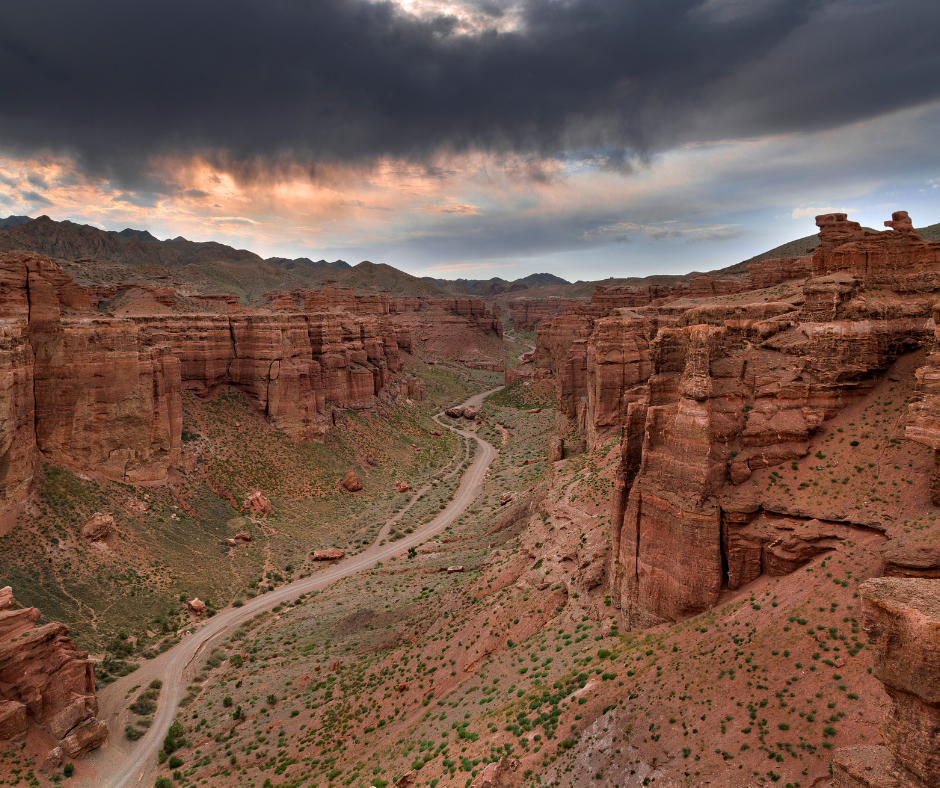
You'll witness California's Sonoran Desert transform into Arizona's high desert landscapes, with opportunities to explore Joshua Tree's alien rock formations, Sedona's red rocks, and Route 66's nostalgic Americana before reaching the canyon's breathtaking depths.
The beauty of this route lies in its flexibility. Take the direct path and you can reach the Grand Canyon in 8-9 hours of driving, perfect for travelers on tight schedules. Add just one or two overnight stops and suddenly you're experiencing Palm Springs' mid-century modern charm, hiking among Joshua Tree's otherworldly landscapes, or exploring Sedona's spiritual energy.
Among RVezy's traveler data, this route accounts for one of the most popular Southwest RV adventures, with travelers consistently praising the dramatic landscape changes and quality stops along the way. If you're new to RV travel, review our complete beginner's guide before tackling this desert journey.
How Long is the Drive from San Diego to the Grand Canyon
The actual drive time depends significantly on which route you choose and how traffic cooperates leaving Southern California.
Direct northern route (550 miles, 8.5-9 hours):
This fastest option takes I-15 north from San Diego, briefly joining I-215, then continuing on I-15 to Barstow where you pick up I-40 east across the Mojave Desert. After crossing into Arizona, you'll follow I-40 to Williams, then take Highway 64 north for the final 60 miles to the Grand Canyon's South Rim.
What affects your actual time:
- LA area traffic: Leaving San Diego on weekday mornings or afternoons can add 1-2 hours as you navigate through the Inland Empire's congestion around Riverside and San Bernardino. Weekend mornings and any time after 7pm typically flow smoothly.
- Desert conditions: The Mojave Desert stretch runs arrow-straight with minimal traffic, letting you maintain consistent highway speeds. However, summer heat can exceed 115°F, making any vehicle issues potentially dangerous.
- Williams to canyon: The final hour climbs from 6,000 to 7,000 feet through ponderosa pine forests, a dramatic change from desert landscapes that signals your imminent arrival.
Scenic southern route (565 miles, 9-10 hours):
This alternative takes I-8 east from San Diego through the mountains to Yuma, Arizona, then follows US-95 north and eventually connects to US-93 through Wickenburg before joining I-17 north to Flagstaff. From Flagstaff, you'll drive Highway 180 to the Grand Canyon's South Rim entrance.
Why travelers choose the southern route:
- You avoid Los Angeles area traffic entirely, making drive times more predictable
- The route passes through less-traveled desert communities with authentic character
- Wickenburg and Prescott offer charming Old West town vibes if you want overnight stops
- Sedona sits just 30 miles off-route near Flagstaff, making it an easy add-on
Among RVezy renters who've completed both routes, roughly 60% prefer the northern route for its directness while 40% choose the southern option specifically to avoid LA traffic and add Sedona to their itinerary.
Best Route from San Diego to the Grand Canyon
Your ideal route balances driving efficiency with stops that match your interests. Here are the proven approaches that work for different types of travelers.
The Fast Track via I-15 and I-40 (Best for: Time-crunched travelers)
This route prioritizes reaching the Grand Canyon quickly while still offering quality stops:
Day 1: San Diego to Needles or Kingman, Arizona (250-350 miles, 4-5 hours)
- Leave San Diego early (by 6am) to avoid traffic through the Inland Empire
- Optional stop at Temecula wine country for lunch and tastings (30 minutes off-route)
- Drive through Barstow where desert truly begins and services become less frequent
- Overnight in Needles (budget option) or continue to Kingman, Arizona (nicer accommodations and Route 66 charm)
Day 2: Needles/Kingman to Grand Canyon (200-300 miles, 3.5-4.5 hours)
- Drive I-40 east with optional detour through historic Route 66 towns
- Stop in Williams for the Route 66 experience and lunch
- Arrive at Grand Canyon by mid-afternoon with time to catch sunset at Mather Point
- Set up camp at one of the South Rim campgrounds or nearby Williams/Tusayan
Why this route works:
- You minimize driving time while still breaking the journey into manageable segments
- Needles and Kingman offer affordable overnight options with full RV facilities
- Williams provides the last major services before the canyon, perfect for final supply runs
- You arrive at the Grand Canyon with half a day to start exploring instead of arriving exhausted
The Desert Explorer via Palm Springs and Joshua Tree (Best for: Nature lovers)
This variation adds California's desert national park to your journey:
Day 1: San Diego to Palm Springs (135 miles, 2.5 hours)
- Take I-15 north then Highway 74 (Palms to Pines Scenic Byway) or I-10 east
- Arrive Palm Springs by early afternoon for swimming, downtown exploration, or aerial tramway rides
- Enjoy mid-century modern architecture and resort atmosphere
- Camp at one of Palm Springs' excellent RV resorts
Day 2: Palm Springs to Joshua Tree area (50 miles, 1 hour to park entrance)
- Enter Joshua Tree National Park and spend a full day hiking and exploring
- See iconic Joshua trees, massive boulder formations, and unique desert landscapes
- Camp inside the park (if reserved ahead) or in nearby Twentynine Palms
- Enjoy incredible stargazing under some of America's darkest skies
Day 3: Joshua Tree to Williams, Arizona (350 miles, 5-6 hours)
- Exit Joshua Tree and connect to I-40 east for the long desert crossing
- This is your big driving day, so leave early and plan for lunch in Needles or Kingman
- Arrive Williams by late afternoon for Route 66 exploration and dinner
Day 4: Williams to Grand Canyon (60 miles, 1 hour)
- Short morning drive to the canyon allows you to arrive fresh and energized
- Full day exploring South Rim viewpoints, visitor centers, and trails
What makes this special:
- Joshua Tree adds a completely different desert experience with recreational opportunities
- Palm Springs provides luxury and relaxation before rougher camping ahead
- The pacing feels less rushed with shorter driving days after Joshua Tree
- You experience California desert beauty before Arizona's distinct landscapes
The Red Rock Route via Sedona (Best for: Photographers and hikers)
This southern approach showcases Arizona's stunning red rock country:
Day 1: San Diego to Yuma or Wickenburg, Arizona (180-280 miles, 3-4.5 hours)
- Take I-8 east through Cleveland National Forest and across the desert to Yuma
- Either overnight in Yuma (budget option) or continue north on US-93 to Wickenburg (adds 2 hours but positions you better for Day 2)
- Wickenburg offers Old West charm and several good RV parks
Day 2: Wickenburg/Yuma to Sedona (140-220 miles, 2.5-4 hours depending on start point)
- Drive through Sonoran Desert landscapes to Prescott or Cottonwood
- Enter Sedona through Oak Creek Canyon, one of Arizona's most scenic drives
- Spend afternoon and evening exploring Sedona's red rock formations, art galleries, and trails
- Camp in Cottonwood or Verde Valley (Sedona itself has limited RV access)
Day 3: Sedona to Grand Canyon (115 miles, 2 hours)
- Drive through Flagstaff and across Coconino National Forest
- Stop at any of the volcanic features or viewpoints along Highway 180
- Arrive Grand Canyon early afternoon for exploration
Why photographers and hikers love this:
- Sedona delivers some of Southwest's most photogenic landscapes
- The town offers dozens of hiking trails from easy to challenging
- Oak Creek Canyon provides waterfront beauty rare in the desert
- You arrive at the Grand Canyon after experiencing Arizona's geographic variety
RVezy data shows travelers who add Sedona consistently rate their trip satisfaction higher despite the extra driving, with the red rocks ranking as a highlight equal to the Grand Canyon itself.
Where Should You Stop Between San Diego and the Grand Canyon
These stops consistently rank highest among travelers who've completed this journey, transforming a desert drive into a memorable adventure.
Temecula Wine Country (1 hour from San Diego)
Why this makes an excellent first stop:
- 40+ wineries: Rolling hills covered in vineyards produce excellent wines at more affordable prices than Napa or Sonoma. Most tasting rooms welcome walk-ins without reservations.
- Old Town charm: Historic downtown Temecula features antique shops, restaurants, and weekend entertainment perfect for stretching legs after leaving San Diego.
- Strategic timing: Stop here for lunch and tastings before continuing, or overnight if you want a relaxed start to your road trip.
Palm Springs (2.5 hours from San Diego)
What makes this desert oasis worth your time:
- Mid-century modern paradise: Architecture enthusiasts appreciate the preserved 1950s-60s homes and hotels that define Palm Springs' aesthetic. Free walking tours showcase notable buildings.
- Aerial Tramway: Rotating cars climb 8,500 feet up Mt. San Jacinto from desert floor to alpine forest in 10 minutes, offering dramatic temperature relief during summer heat.
- Resort amenities: Dozens of high-quality RV resorts provide pool access, hot tubs, and social activities perfect for families. Many feature Palm Springs area rentals if you're picking up an RV here.
Joshua Tree National Park (3 hours from San Diego)
This national park adds minimal distance to your route but delivers maximum impact:
- Alien landscapes: Massive granite boulders and twisted Joshua trees create scenery that looks like another planet. The park straddles two desert ecosystems with distinct plant life.
- Hiking variety: Trails range from easy 1-mile nature walks to challenging backcountry routes. Popular spots include Barker Dam, Skull Rock, and Keys View for sunset.
- World-class stargazing: As an International Dark Sky Park, Joshua Tree offers incredible night sky viewing. Bring a telescope or binoculars for the Milky Way.
- Climbing mecca: If you rock climb, this park ranks among America's best destinations with thousands of routes for all skill levels.
Plan minimum 3-4 hours inside the park, though a full day lets you appreciate its diversity. Check our Joshua Tree campground guide for overnight options.
Route 66 Towns: Williams and Kingman
These Arizona communities preserve authentic Americana nostalgia:
- Williams: The last Route 66 town to be bypassed by interstate highways maintains its historic downtown with diners, gift shops, and vintage neon signs. It's also the departure point for the Grand Canyon Railway if you want to ride the train to the rim.
- Kingman: Larger than Williams with more services, Kingman features the Route 66 Museum and several well-preserved stretches of the original highway. The town makes a practical overnight stop with good RV parks.
- Oatman detour: Between Kingman and Needles, Route 66 runs through Oatman, a former mining town where wild burros roam the streets. It's touristy but fun, adding about 30 minutes.
Sedona (Off-route but worth it)
If you take the southern route or don't mind a 60-mile detour from Flagstaff:
- Red rock formations: Cathedral Rock, Bell Rock, and Devil's Bridge create Instagram-worthy scenes bathed in golden light at sunrise and sunset.
- Oak Creek Canyon: The drive from I-17 to Sedona through this canyon ranks among Arizona's most scenic, with waterfalls, swimming holes, and red cliffs towering overhead.
- Spiritual vortexes: Whether you believe in energy vortexes or not, Sedona's peaceful atmosphere and dramatic scenery create a meditative experience.
- Art and dining: Over 80 galleries and upscale restaurants give Sedona a sophisticated feel despite its small size.
Note that Sedona's narrow, winding roads challenge larger RVs. Many travelers base in Cottonwood or Camp Verde, then day-trip into Sedona.
Can You Drive from San Diego to the Grand Canyon in One Day
Yes, but whether you should depends on several important factors that affect both safety and enjoyment.
The case for doing it in one day:
- Technically feasible: With 8-9 hours of actual driving plus stops for fuel and food, you can depart San Diego at 6am and arrive at the Grand Canyon by 4-5pm with daylight remaining.
- Cost savings: One less overnight stop saves $50-150 on campgrounds or hotels, significant for budget-conscious travelers.
- Maximizes canyon time: If you have limited vacation days, driving through in one shot gives you an extra full day at the Grand Canyon itself.
Why most experienced travelers split it:
- Fatigue factor: Eight-plus hours of driving, especially through monotonous desert stretches, creates dangerous exhaustion. Driver alertness diminishes significantly after 6 hours behind the wheel.
- Miss worthwhile stops: Driving straight through means skipping Joshua Tree, Sedona, Route 66 towns, and other highlights that transform this from a commute into an adventure.
- Timing risks: Any delay (traffic, road construction, vehicle issues) in the morning means arriving at the Grand Canyon after dark, wasting your first evening.
- Desert heat dangers: Summer temperatures in the Mojave Desert exceed 115°F regularly. Vehicle breakdowns in this environment pose serious safety risks, and rushing increases the likelihood of overheating or tire failure.
The smart compromise RVezy renters recommend:Drive halfway (4-5 hours) on Day 1, overnight near Needles, Kingman, or Williams, then complete the journey on Day 2 with energy to spare for exploring the canyon. This approach costs one campground night ($40-70) but delivers dramatically higher trip satisfaction and safety. Among our platform's 100,000+ rentals, travelers who split the San Diego to Grand Canyon drive report 40% higher overall trip ratings than those who push through in one day.
Is the San Diego to Grand Canyon Drive Scenic
The scenery quality varies dramatically by section, with some stretches breathtaking and others admittedly monotonous.
Scenic highlights that justify the drive:
- Cleveland National Forest: The first hour east from San Diego climbs through pine-covered mountains before descending into desert valleys, offering surprising greenery.
- Desert transitions: You'll witness the Sonoran Desert's saguaro cacti give way to the Mojave's Joshua trees, then Arizona's high desert grasslands, showcasing three distinct ecosystems.
- Route 66 sections: Historic highway segments preserve 1950s Americana with vintage motels, diners, and roadside attractions that photograph beautifully.
- Final approach: Highway 64 from Williams or Highway 180 from Flagstaff climbs through ponderosa pine forests, building anticipation before the Grand Canyon suddenly opens before you.
Less scenic stretches to expect:
- I-10 and I-40 desert crossings: Long, flat, straight stretches through beige landscape can feel monotonous. These sections work best as podcast or audiobook territory while covering necessary ground.
- Barstow area: Industrial and somewhat desolate, this region serves as a functional stop for fuel and food rather than scenic appreciation.
- Summer heat shimmer: During hot months, the desert landscape blurs with heat waves that obscure distant views and make everything look washed out.
How to maximize scenic value:
- Take the southern route through Wickenburg and Prescott for more varied terrain
- Add the Sedona detour for world-class red rock scenery
- Stop at Joshua Tree National Park for dramatic desert landscapes
- Time your desert driving for early morning or late afternoon when golden light enhances colors
Compared to coastal drives like California's Highway 1, this route trades constant ocean views for landscape diversity and the anticipation of reaching one of the world's natural wonders. The journey matters less than the destination, but strategic stops create memorable moments between San Diego and the canyon.
Can You Do the San Diego to Grand Canyon Drive in an RV
Absolutely, and an RV provides several advantages for this particular journey that enhance both comfort and flexibility.
Why RVs work well for this route:
- Climate control matters: Desert heat becomes manageable when you control your environment. Stop during the hottest hours, run your AC, and rest in comfort before continuing.
- Fuel and rest stops combined: Large truck stops accommodate RVs easily and provide opportunities to stretch, eat, and refuel simultaneously without multiple stops.
- Overnight flexibility: If you find a spot you love or get tired earlier than expected, you have lodging with you. No scrambling to find last-minute hotels or driving exhausted to reach reservations.
- Grand Canyon camping advantage: The South Rim's Mather Campground and nearby Trailer Village put you steps from rim views. Wake up, make coffee, and walk to sunrise viewpoints without driving.
RV-specific considerations for this route:
- Size matters for some stops: Joshua Tree's roads handle RVs up to 35 feet comfortably, but larger rigs struggle on certain park roads. Sedona's narrow, winding streets challenge any RV over 30 feet, making nearby Cottonwood a better base.
- Fuel planning essential: Gas stations appear regularly on I-15 and I-40, but prices vary wildly. Fill up in Barstow or Needles before long desert stretches rather than paying tourist premiums closer to the Grand Canyon.
- Summer heat impacts: RV air conditioning works harder in 110°F+ temperatures. Ensure your system functions properly before departing, and consider traveling early morning or evening during peak summer.
- Campground reservations: The Grand Canyon's RV campgrounds book 6 months ahead for summer visits. Reserve immediately when your dates open or have backup plans in Williams or Tusayan.
Class recommendations based on RVezy data:
- Class C motorhomes (25-30 feet): The sweet spot for this route, handling all roads confidently while providing comfortable living space. These represent 55% of bookings for San Diego to Grand Canyon trips.
- Class B campervans: Perfect for solo travelers or couples, offering maneuverability and decent fuel economy. Limited space feels cramped for families on multi-day trips.
- Class A motorhomes (32+ feet): Provide maximum comfort and amenities but require skipping narrow roads in Joshua Tree and Sedona. Best for travelers sticking to major highways and focusing on the Grand Canyon destination.
Among California RV rentals, vehicles specifically booked for Southwest desert trips show higher satisfaction scores when they include quality air conditioning, solar panels for boondocking, and adequate water tank capacity for dry camping.
San Diego to Grand Canyon RV Trip Planning Essentials
These practical insights from experienced desert travelers prevent common mistakes and enhance your journey.
Timing your departure strategically:
- Best leaving times: 5-6am from San Diego gets you through the Inland Empire before traffic builds. Alternatively, leaving after 7pm means night driving through the desert when temperatures drop.
- Avoid Friday afternoons: Weekend traffic heading to Palm Springs, Las Vegas, or Arizona adds 1-2 hours to normal drive times through the Inland Empire.
- Consider sunrise arrival: If you're driving straight through (not recommended), time your arrival at the Grand Canyon for sunrise. The canyon's colors intensify during golden hour, and you'll avoid midday crowds.
Desert driving precautions:
- Carry extra water: Minimum 5 gallons beyond your RV tanks. Desert breakdowns can be life-threatening, and help may take hours to arrive in remote stretches.
- Check tire pressure: Underinflated tires heat rapidly on hot pavement. Check pressure when tires are cold, before departing each morning.
- Monitor engine temperature: RV engines work harder in heat. If your temperature gauge climbs into the red zone, pull over immediately, turn off the AC, and let the engine cool completely.
- Fuel conservatively: Fill at quarter-tank rather than pushing to empty. Desert gas stations sometimes run out of diesel, and the next station might be 50+ miles away.
Weather and seasonal considerations:
- Summer (June-August): Expect 105-120°F in desert sections. Drive early morning or evening, and plan indoor activities during peak heat. The Grand Canyon stays 20-30 degrees cooler due to elevation.
- Winter (November-February): Desert driving is pleasant (60-75°F), but the Grand Canyon gets snow and ice. Carry tire chains and check road conditions before departure.
- Spring (March-May): Ideal weather throughout with wildflower blooms in the desert. This represents peak travel season, so book everything well ahead.
- Fall (September-October): Excellent conditions with fewer crowds than spring. Desert heat lingers through September but moderates by October.
Supply and service planning:
- Major supply stops: Stock up on groceries and supplies in San Diego, Palm Springs, or Barstow. Prices increase as you approach tourist destinations.
- Propane and dump: Barstow, Needles, Kingman, and Flagstaff all offer RV-friendly propane and dump facilities. Plan tank capacity for 2-3 days between services.
- Cell service gaps: Expect no cell coverage through some desert stretches. Download offline maps, music, and podcasts before departing.
Grand Canyon arrival logistics:
- Park entrance fees: $35 per vehicle for 7-day access, or use your America the Beautiful annual pass ($80).
- Campground check-in: Mather Campground and Trailer Village have specific check-in times. Arriving early doesn't guarantee early setup unless your reservation specifies it.
- RV parking limitations: Some South Rim viewpoints prohibit RV parking. Use the free shuttle system or park at the visitor center and walk/shuttle to viewpoints.
Frequently Asked Questions About the San Diego to Grand Canyon Drive
How long is the drive from San Diego to the Grand Canyon?
The direct drive covers 550 miles and takes 8.5-9 hours of actual driving time without stops. However, most travelers should budget 10-12 hours total when accounting for fuel stops, meals, and restroom breaks. Among RVezy's 100,000+ rentals, travelers who split this journey over 2 days with an overnight stop report significantly higher satisfaction than those attempting it in one day. Factors like LA area traffic, desert heat, and driver fatigue make the one-day push feasible but not recommended. Plan to overnight in Needles, Kingman, or Williams for the best balance of progress and enjoyment.
What is the best route from San Diego to the Grand Canyon?
The northern route via I-15 to I-40 provides the fastest path at 550 miles with good services throughout. Take I-15 north from San Diego, continue to Barstow, then follow I-40 east to Williams where Highway 64 leads north to the South Rim. For a more scenic alternative, the southern route via I-8 through Yuma avoids LA traffic and passes through charming Arizona towns, though it adds 15 miles. Add Joshua Tree National Park (minimal distance) or Sedona (60-mile detour from I-40) for natural beauty highlights that transform this from a commute into an adventure. RVezy data shows 60% of travelers choose the direct northern route while 40% opt for southern variations.
Can you drive from San Diego to the Grand Canyon in one day?
Yes, it's technically possible to drive from San Diego to the Grand Canyon in 8-9 hours, arriving with daylight if you depart by 6-7am. However, this approach maximizes fatigue while minimizing enjoyment. The long desert drive becomes mentally exhausting, and rushing means skipping worthwhile stops like Joshua Tree, Route 66 towns, or Sedona. Summer heat makes one-day drives potentially dangerous if vehicle issues occur. Most experienced travelers split the journey with an overnight stop, adding just one campground night ($40-70) while dramatically improving safety and trip satisfaction. Among RVezy renters, those who take 2 days for this drive rate their overall experience 40% higher than one-day pushers.
Where should you stop between San Diego and the Grand Canyon?
The best stops include Joshua Tree National Park for alien desert landscapes and stargazing (3 hours from San Diego), Palm Springs for mid-century modern charm and resort amenities (2.5 hours), and Sedona for red rock formations (requires southern route or 60-mile detour). Along I-40, Williams offers Route 66 nostalgia and serves as the last major services before the Grand Canyon. Kingman and Needles work as practical overnight stops with good RV facilities. Temecula Wine Country makes an excellent lunch stop just 1 hour from San Diego. Even adding one or two of these stops transforms a monotonous desert drive into a memorable road trip with distinct experiences beyond just reaching the canyon.
Is the San Diego to Grand Canyon drive scenic?
The drive's scenic quality varies by section. Highlights include Cleveland National Forest's mountain scenery leaving San Diego, Joshua Tree's otherworldly rock formations, Route 66's vintage Americana, and the pine forest approach to the Grand Canyon. However, long stretches across the Mojave Desert feature flat, beige landscapes that can feel monotonous. The southern route through Wickenburg and Prescott provides more varied terrain than the direct I-40 crossing. Adding Sedona creates a world-class scenic detour with red rock formations rivaling the Grand Canyon itself. While not as consistently beautiful as coastal drives, this route offers landscape diversity and building anticipation that rewards patient travelers. Strategic stops at natural highlights maximize scenic value during what's primarily a functional journey to reach America's most spectacular natural wonder.
Can you do the San Diego to Grand Canyon drive in an RV?
RVs work excellently for the San Diego to Grand Canyon drive, providing climate control during desert heat, camping access at the Grand Canyon's South Rim, and flexibility to adjust plans based on discoveries or fatigue. The I-15 and I-40 route accommodates RVs of all sizes with wide lanes and truck-friendly fuel stops. However, Joshua Tree and Sedona have narrow roads that challenge RVs over 35 feet, making these stops better for smaller rigs or requiring alternate base camps nearby. Essential RV preparations include checking air conditioning function, carrying extra water (5+ gallons), planning fuel stops conservatively, and reserving Grand Canyon campgrounds 6 months ahead for summer visits. Class C motorhomes in the 25-30 foot range balance comfort with maneuverability, representing 55% of RVezy bookings for this route.

Team RVezy
Team RVezy is a group of RV enthusiasts who traverse the U.S. and Canada in our campervans, tiny trailers, and motorhomes. We love the open road and the feeling of having nowhere to go but everywhere.
View more posts